polyethylene polymer plastic barrier sheets
CN → US| HS Code | Tariff Rate | Origin | Destination | Doc |
|---|---|---|---|---|
| 3921190010 | 41.5% | CN | US | Official Doc |
| 3921904010 | 39.2% | CN | US | Official Doc |
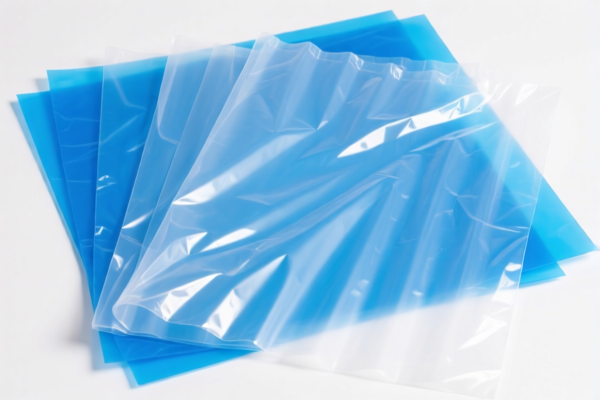
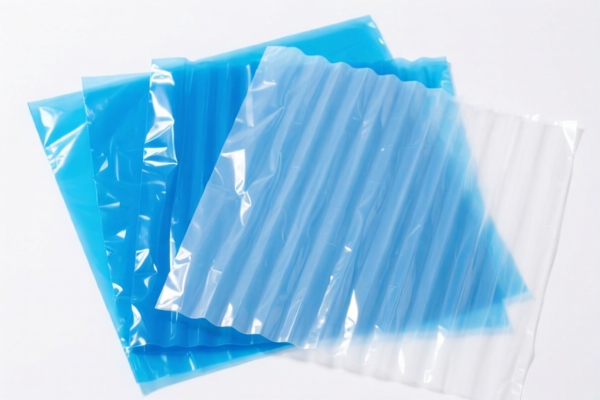
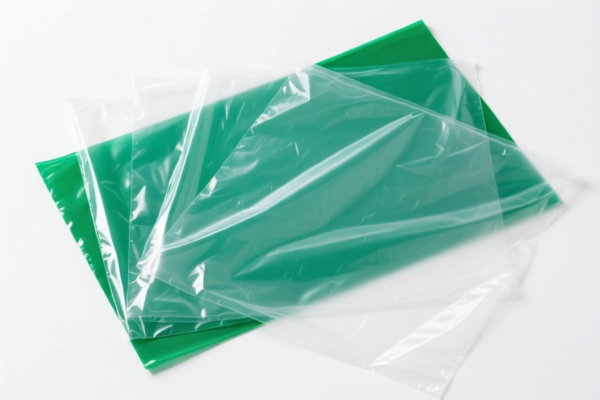
Product Images

AI Analysis
🛡️ Polyethylene Polymer Plastic Barrier Sheets (Cellular & Flexible)
🌐 HS Code Reference & Customs Clearance Guide | 2026 Latest Tariff Analysis | Professional Entry Strategy
📌 1. Product Definition & Classification: Do You Know the Difference Between "Cellular" and "Reinforced"?
Polyethylene (PE) and Polypropylene (PP) plastic sheets are critical materials in packaging, construction, and industrial applications. In international trade, precise classification depends heavily on the physical structure (cellular/microporous) and the composition (pure plastic vs. reinforced with paper). Misclassification can lead to significant duty discrepancies.
Microporous Cellular Sheets (Pure Plastic):
Thin, porous, lightweight sheets made primarily of polyethylene or polypropylene, used for insulation, filtration, or lightweight packaging.
Key Feature: No paper backing, purely polymer-based, microporous structure.
Flexible Reinforced Sheets (Composite):
Plastic sheets that are strengthened or backed with paper layers, used for durability in construction or heavy-duty packaging.
Key Feature: Contains paper reinforcement, different material composition than pure cellular foam.
⚠️ Critical Distinction Point:
- If the product is microporous and made of polyethylene/polypropylene without paper → Classified as Cellular Plastics (3921.19.00.10).
- If the product is flexible and reinforced with paper → Classified as Other Plastic Plates/Sheets (3921.90.40.10).
- Note: Even if the core is PE/PP, the presence of paper reinforcement changes the classification entirely.
📦 2. HS Code Classification Details (2026 Latest Tariff Authority对照)
| HS Code | Product Description | Application Scenario | Material Composition |
|---|---|---|---|
3921.19.00.10 |
Cellular plates, sheets, film, foil, and strip: Of polyethylene or polypropylene: Microporous sheets | Lightweight insulation, packaging void fill, acoustic dampening | ✅ Pure PE/PP, Microporous |
3921.90.40.10 |
Other plates, sheets, film, foil, and strip: Flexible Reinforced with paper | Heavy-duty packaging, construction barriers, reinforced liners | ✅ PE/PP + Paper Reinforcement |
🔍 Key Reminder:
-3921.19.00.10is for purely plastic cellular structures. Do not apply this if paper is involved.
-3921.90.40.10is for composite structures where paper is a key reinforcing element.
- Do not confuse "Cellular" (foam-like) with "Flexible" (thinner, bendable). The presence of paper is the decisive factor for the latter.
💰 3. 2026 Latest Tariff Rate Details (Including Surcharges & Policy Additions)
✅ Applicable Country: United States (US)
✅ Country of Origin: China (CN)
✅ Effective Date: 2025-11-10 onwards (including subsequent imports)
🎯 1. 3921.19.00.10 —— Microporous Cellular Polyethylene/Polypropylene Sheets
| Item | Content |
|---|---|
| Base Tariff | 0.0% |
| Surtariff | 0.0% |
| Total Tax Rate | 0.0% |
| Tax Calculation | CIF Value × 0.0% = $0 |
| De Minimis Eligibility | ✅ Yes (Generally eligible for $800 de minimis if shipped via courier, subject to specific trade policies) |
| Legal Basis Path | USITC:3921.19.00.10 |
📌 Explanation:
- This specific subheading for microporous cellular PE/PP sheets enjoys a 0% total tariff.
- No Section 301 surtax or IEEPA additional duties apply to this specific cellular plastic category in the current data set.
- This makes it a highly favorable code for importers of lightweight, porous plastic sheets.
🎯 2. 3921.90.40.10 —— Flexible Plastic Sheets Reinforced with Paper
| Item | Content |
|---|---|
| Base Tariff | 4.2% |
| Surtariff | 25.0% |
| Total Tax Rate | 29.2% |
| Tax Calculation | CIF Value × 29.2% |
| De Minimis Eligibility | ❌ No (High duty rate typically excludes de minimis benefits; verify with broker) |
| Legal Basis Path | USITC:3921.90.40.10 + Section 301/IEEPA Surtax |
📌 Note:
- Base Tariff (4.2%): Standard MFN rate for "other plastic plates/sheets".
- Surtariff (25.0%): Applied under US trade measures (Section 301) on Chinese-origin plastic products.
- Total Impact: A nearly 30% tax burden makes this category significantly more expensive to import.
- Critical Warning: If your product is actually purely cellular but misclassified as reinforced with paper, you will face a 29.2% penalty instead of 0%.
🛠️ 4. Customs Clearance Practical Advice (Real-World Pitfall Avoidance Guide)
✅ 1. Preparation Checklist (Missing Items Are Not Accepted)
| Document | Required? | Description |
|---|---|---|
| ✅ Product Specification Sheet | ✔️ | Must explicitly state: "Microporous", "Cellular", "PE/PP", "No Paper" OR "Reinforced with Paper". |
| ✅ Material Composition Proof | ✔️ | Certificate of Analysis or Manufacturer’s Statement confirming absence/presence of paper. |
| ✅ Product Photos | ✔️ | Close-up of cross-section showing cellular structure OR paper layer. |
| ✅ Commercial Invoice | ✔️ | Clear description: "Microporous Polyethylene Cellular Sheets" vs. "Paper-Reinforced Plastic Film". |
| ✅ Packing List | ✔️ | Consistent with invoice and physical goods. |
| ✅ Third-Party Test Report | ✔️ | If disputed, a lab report confirming "Microporous" structure is vital. |
✅ 2. Declaration Tips (Key Mantras)
🔥 "Cellular Zero, Paper Twenty-Nine-Point-Two! Get it Wrong, Pay the Price!"
| Situation | Correct Declaration | Incorrect Practice |
|---|---|---|
| Pure PE/PP Foil, Porous, No Paper | 3921.19.00.10 |
Call it "Reinforced Sheet" → 29.2% |
| PE Sheet with Paper Backing | 3921.90.40.10 |
Call it "Cellular Foam" → 0% (Audit Failure) |
| Mixed Shipment (Both Types) | Split Lines | Combined申报 → Risk of penalty on entire shipment |
✅ 3. Special Case Handling
| Situation | Handling Advice |
|---|---|
| OEM Custom Sheets | Provide design specs. If "microporous" is a technical feature, highlight it in the description. |
| Paper Reinforcement Ambiguity | If <5% paper content by weight, argue for "primarily plastic" but be cautious. Best to consult a broker. |
| Cellular vs. Non-Cellular | "Cellular" implies gas-filled cells. If it’s just thin and flexible, it’s not cellular. Don’t misuse 3921.19.00.10. |
🌍 5. Global Market Clearance Comparison (2026 Latest)
| Country/Region | Recommended HS Code | Tariff Rate | Notes |
|---|---|---|---|
| 🇺🇸 USA | 3921.19.00.10 |
0% | Best for microporous PE/PP. |
| 🇺🇸 USA | 3921.90.40.10 |
29.2% | High duty for paper-reinforced. |
| 🇨🇳 China | 3921.19.00.10 |
~2-5% | Import duty varies; check latest PRC tariff. |
| 🇪🇺 EU | 3921.90.90 |
6.5% | EU classification may differ; check CN code. |
📌 Conclusion:
- The US market offers a 0% duty loophole for microporous cellular PE/PP sheets.
- However, any product reinforced with paper faces a steep 29.2% tariff.
- Accuracy is money: Spend time verifying the "paper content" and "cellular structure" to choose the right code.
📌 6. Common Errors & Pitfalls (Blood-Lesson Guide)
❌ Error 1: Calling a paper-backed sheet "Cellular Polyethylene"
👉 Consequence: 29.2% duty owed + penalties + possible seizure.
❌ Error 2: Calling a solid, non-porous flexible sheet "Microporous"
👉 Consequence: Classification error. If solid, it may fall under different subheadings with different rates.
❌ Error 3: Not distinguishing between "Polyethylene" and "Other Plastics"
👉 Consequence: 3921.19.00.10 is specifically for PE/PP. If it’s PVC or ABS, it goes to 3921.19.00.90 or others, potentially changing tax status.
✅ Correct Approach:
"Microporous Polyethylene Cellular Sheets, 0.5mm, Porous Structure, No Paper Reinforcement, Used for Packaging Insulation."
🎯 7. Conclusion: Precision in Classification Saves Thousands!
🎯 Remember the Mantra:
🔹 "Microporous PE/PP = 0% Tax!"
🔹 "Paper Reinforced = 29.2% Tax!"
🔹 "Check the Cross-Section Before You Declare!"
📌 Pro Tip:
If your product is on the borderline (e.g., very thin paper backing), consider obtaining a Binding Tariff Information (BTI) or Advance Ruling from US Customs (CBP) to lock in the 0% rate if eligible.
📣 Immediate Action:
📞 Contact your customs broker with cross-section photos of your plastic sheets.
🚀 Ensure your invoice description matches the HS Code definition exactly: "Microporous" vs. "Reinforced with Paper".
✨ Professional clearance starts with accurate classification!
💼 Every percentage point saved is profit earned!
Customer Reviews
About HS Code Classification
The Harmonized System (HS) is an internationally standardized nomenclature developed by the World Customs Organization (WCO) to classify traded products. Over 200 countries use the HS system as the basis for customs tariffs, trade statistics, and import/export regulations.
Each HS code follows a hierarchical structure:
- Chapter (2 digits) — Broad category of goods (e.g., Chapter 84: Machinery and Mechanical Appliances)
- Heading (4 digits) — More specific grouping within the chapter
- Subheading (6 digits) — Internationally standardized breakdown, used by all WCO member countries
- National subdivisions (8-10 digits) — Country-specific extensions for further classification, such as US HTSUS 10-digit codes
Correct HS code classification is essential for smooth customs clearance, accurate duty payment, and compliance with trade regulations. Misclassification can lead to customs delays, overpayment of duties, or penalties.
When importing from CN to US, the applicable tariff rates may include:
- Most-Favored-Nation (MFN) rate — The standard duty rate applied to WTO members
- General rate — Applied to countries without trade agreements
- Trade remedy duties — Additional tariffs such as Section 301 (anti-dumping), Section 232 (national security), or countervailing duties
The information provided on this page is for reference purposes only. For official classification, please consult with your local customs authority or a licensed customs broker.