polyethylene terephthalate pet in primary forms
CN → US| HS Code | Tariff Rate | Origin | Destination | Doc |
|---|---|---|---|---|
| 3907995010 | 41.5% | CN | US | Official Doc |
| 3907915000 | 41.5% | CN | US | Official Doc |
| 3907995010 | 41.5% | CN | US | Official Doc |
| 3907915000 | 41.5% | CN | US | Official Doc |
| 3907995010 | 41.5% | CN | US | Official Doc |
Product Images
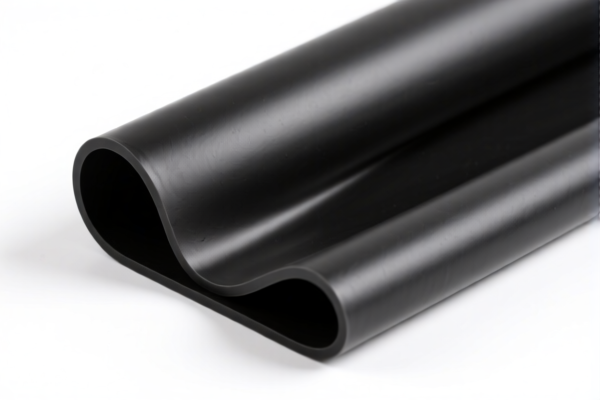
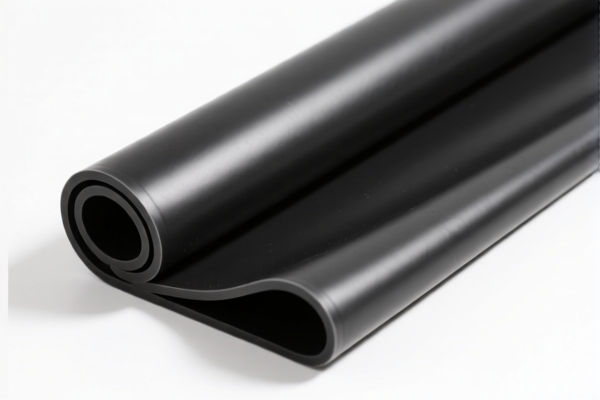
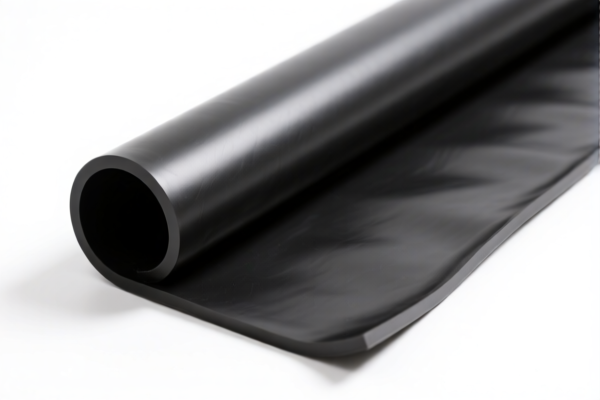
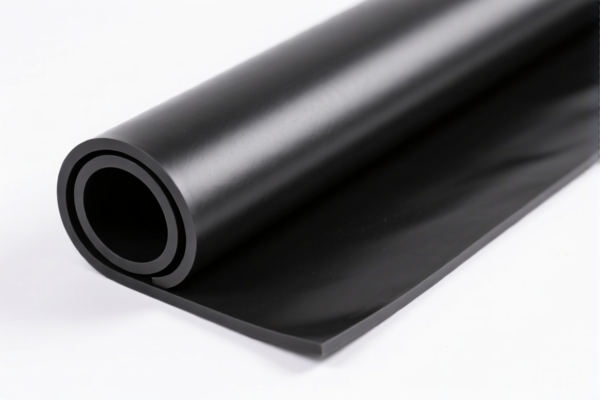
AI Analysis
🧪 Polyethylene Terephthalate (PET) Resin in Primary Forms
🌐 HS Code Reference & Customs Clearance Guide | 2026 Latest Tariff Analysis | Professional Entry Strategy
📌 I. Product Definition & Classification: Do You Really Understand "PET Resin"?
Polyethylene Terephthalate (PET) is the most common thermoplastic polymer resin of the polyester family. In international trade, when supplied in primary forms (such as flakes, pellets, or granules not yet shaped into final products), it is classified under Chapter 39: Plastics and articles thereof.
Key Distinction:
- Primary Forms: Unprocessed raw materials (pellets/flakes) used for melting and extruding into bottles, films, or fibers. → Classify under 3907.
- Finished Goods: Bottles, sheets, or fibers already shaped. → Classify under different chapters (e.g., 3923 for bottles, 5407 for fabrics).
⚠️ Critical Identification Point:
- If the product is unprocessed polymer resin → 3907
- If it is recycled PET flakes intended for melting → Still 3907 (if meeting chemical identity)
- If it is already manufactured into a bottle → NOT 3907
📦 II. HS Code Classification Details (2026 Latest Tariff Authority Mapping)
Based on the provided <DATA>, there are two primary HS Codes for PET resin in primary forms. Both incur the same total tax rate due to identical tariff structures, but they differ slightly in technical classification.
| HS Code | Product Description | Technical Nuance | Total Tax Rate |
|---|---|---|---|
3907.99.50.10 |
PET Resin, Polyester Class, Primary Form | Classified under "Other Polyesters" (General Category) | 41.5% |
3907.91.50.00 |
PET Resin, Other Unsaturated Polyesters, Primary Form | Classified under "Other Unsaturated Polyesters" (Specific Sub-category) | 41.5% |
🔍 Key Insight:
- Both HS Codes apply to PET Resin in primary forms.
-3907.99.50.10is the more common general classification for standard PET resin.
-3907.91.50.00applies if the PET is technically classified as "unsaturated polyester" (rare for standard PET, but possible in specific chemical definitions).
- Tax Impact: Both codes trigger the same 41.5% total tax burden. The choice between them depends on chemical specification sheets and customs officer interpretation.
💰 III. 2026 Latest Tariff Rate Breakdown (Including Surcharge & Policy Fees)
✅ Applicable Country: United States (US)
✅ Country of Origin: China (CN)
✅ Effective Date: Includes imports from November 10, 2025 onward
🎯 1. 3907.99.50.10 —— PET Resin, Polyester Class, Primary Form
| Item | Details |
|---|---|
| Base Tariff | 6.5% (General MFN Rate) |
| Section 301 Surcharge | +25.0% (U.S. Trade Act, Footnote 9903.88.01) |
| Section 122 Tariff | +10.0% (U.S. Trade Act, Footnote 9903.01.25) |
| Total Tax Rate | 41.5% |
| Tax Calculation | CIF Value × 41.5% |
| De Minimis Exemption? | ❌ No (Denied) |
| Legal Authority Path | Base Tariff → Section 301:9903.88.01 → Section 122:9903.01.25 → USITC:3907.99.50.10 |
📌 Explanation:
- Base Tariff (6.5%): Standard Most Favored Nation (MFN) rate for polyester resins.
- Section 301 Surcharge (+25%): Imposed on Chinese-origin goods under U.S. Trade Act Section 301.
- Section 122 Tariff (+10%): Additional surcharge under U.S. Trade Act Section 122 for national security reasons.
- Total (41.5%): A very high tariff that significantly impacts cost competitiveness.
🎯 2. 3907.91.50.00 —— PET Resin, Other Unsaturated Polyesters, Primary Form
| Item | Details |
|---|---|
| Base Tariff | 6.5% |
| Section 301 Surcharge | +25.0% |
| Section 122 Tariff | +10.0% |
| Total Tax Rate | 41.5% |
| Tax Calculation | CIF Value × 41.5% |
| De Minimis Exemption? | ❌ No |
| Legal Authority Path | Base Tariff → Section 301:9903.88.01 → Section 122:9903.01.25 → USITC:3907.91.50.00 |
📌 Note:
- Identical Tax Structure: Despite the different HS Code, the tax burden is exactly the same (41.5%).
- Classification Risk: Misclassifying PET as "unsaturated polyester" (3907.91.50.00) instead of "other polyester" (3907.99.50.10) may trigger additional customs scrutiny if not backed by rigorous chemical documentation.
🛠️ IV. Customs Clearance Practical Advice (Battle-Tested Pitfall Avoidance Guide)
✅ 1. Required Documentation Checklist (Non-Negotiable)
| Document | Mandatory? | Purpose |
|---|---|---|
| ✅ Product Specification Sheet | ✔️ | Must confirm: Polyethylene Terephthalate (PET), Primary Form (pellets/flakes), No Finished Goods |
| ✅ Chemical Composition Report | ✔️ | To distinguish between "saturated" vs. "unsaturated" polyester (affects HS Code choice) |
| ✅ Commercial Invoice | ✔️ | Must clearly state: "Polyethylene Terephthalate (PET) Resin, Primary Form" |
| ✅ Certificate of Origin (CO) | ✔️ | Required for Section 301/122 application; proves China origin |
| ✅ Packing List | ✔️ | Must match invoice; no "finished goods" listed |
| ✅ Third-Party Lab Test Report | ✔️ | Proves chemical identity (FTIR/ASTM standards) to avoid misclassification |
✅ 2. Declaration Tips (Key Formula)
🔥 "Raw Material, Not Finished; Pellets, Not Bottles; Clear Label, Low Risk!"
| Scenario | Correct Declaration | Wrong Action |
|---|---|---|
| PET Pellets/Flakes | 3907.99.50.10 or 3907.91.50.00 |
Mislabel as "Plastic Sheets" → Higher Duty + Penalty |
| PET Bottles | NOT 3907 → Use 3923.29.00.00 | Declare bottles as "resin" → Fraud Risk + Seizure |
| Recycled PET Flakes | 3907.99.50.10 |
Declare as "waste" → Import Ban |
| OEM Custom PET Resin | Provide Client Order + Spec Sheet | Vague description → Customs Delay |
✅ 3. Special Handling
| Scenario | Handling Advice |
|---|---|
| Mixed Shipment (Resin + Finished Goods) | Separate Declaration! Mixing PET resin with PET bottles will cause clearance failure for both. |
| Recycled vs. Virgin PET | Provide Lab Report proving chemical equivalence if claiming same HS Code. |
| OEM/Private Label | Ensure Brand Name does not imply "Finished Product" (e.g., avoid "Bottle Resin" label). |
| Transshipment via Vietnam/Malaysia | Section 301/122 Still Applies if China Origin is not changed. Substantial Transformation required for exemption. |
🌍 V. Global Market Clearance Comparison (2026 Latest)
| Country/Region | Recommended HS Code | Tariff (China Origin) | Certification Required | Notes |
|---|---|---|---|---|
| 🇺🇸 United States | 3907.99.50.10 |
41.5% | N/A | High Tariff; 301+122 apply |
| 🇨🇳 China (Import) | 3907.99.50.10 |
6.5% | N/A | No surcharge; low barrier |
| 🇪🇺 European Union | 3907.99.50 |
0% | REACH Compliance | No Section 301/122 equivalent |
| 🇯🇵 Japan | 3907.99.50 |
6.0% | JIS Standards | Moderate tariff; no surcharge |
| 🇮🇳 India | 3907.99.50 |
7.5% | BIS Certification | Moderate tariff; no surcharge |
📌 Conclusion:
- USA is the most expensive market for PET resin due to 41.5% total tariff.
- EU, Japan, India offer significantly lower tariffs (0–7.5%).
- Recommendation: If exporting to the US, consider pricing adjustments or supply chain diversification (e.g., sourcing from non-China origins).
📌 VI. Common Errors & Pitfalls (Blood-Tested Lessons)
❌ Error 1: Declaring PET Bottles as PET Resin
👉 Consequence: Customs Seizure + Fraud Charges + Potential 41.5% Back-Tax
👉 Fix: Always distinguish Raw Material (HS 3907) vs. Finished Good (HS 3923).
❌ Error 2: Using vague terms like "Plastic Resin"
👉 Consequence: Customs Delay + Re-Classification Penalty
👉 Fix: Use exact chemical name: "Polyethylene Terephthalate (PET) Resin, Primary Form".
❌ Error 3: Failing to provide Chemical Spec Sheet
👉 Consequence: HS Code Dispute → Officer may classify as higher-tariff category
👉 Fix: Attach FTIR/ASTM Report proving PET identity.
❌ Error 4: Assuming Recycled PET is Lower Tariff
👉 Consequence: No Tariff Benefit; still subject to 41.5% if chemically identical
👉 Fix: Focus on cost optimization elsewhere; tariff is fixed by origin + product type.
✅ Correct Declaration Example:
"Polyethylene Terephthalate (PET) Resin, Primary Form (Pellets), 100% Virgin, Chemical Grade, HS Code 3907.99.50.10, Country of Origin: China"
🎯 VII. Conclusion: Precise Classification Saves Millions!
🎯 Remember This Formula:
🔹 "Resin vs. Bottle: Know the Difference!"
🔹 "41.5% in USA: Plan Your Margin!"
🔹 "Spec Sheet is King: Avoid Misclassification!"
📌 Pro Tip:
If your PET resin is shipped from Vietnam, Mexico, or Thailand and substantially transformed there, you may avoid Section 301/122 tariffs.
✅ Recommendation: Apply for Pre-Ruling (CBP Ruling Letter) before shipment to confirm HS Code + Tariff Rate.
📣 Immediate Action Required:
📞 Consult a Licensed Customs Broker
📄 Prepare Chemical Specification Sheet
📊 Calculate Landed Cost Including 41.5% Tariff
🚀 Optimize Supply Chain to Avoid High-Tariff Markets
✨ Professional Clearance Starts with Accurate Classification!
💼 Every Dollar Saved in Tariff is Pure Profit!
Customer Reviews
About HS Code Classification
The Harmonized System (HS) is an internationally standardized nomenclature developed by the World Customs Organization (WCO) to classify traded products. Over 200 countries use the HS system as the basis for customs tariffs, trade statistics, and import/export regulations.
Each HS code follows a hierarchical structure:
- Chapter (2 digits) — Broad category of goods (e.g., Chapter 84: Machinery and Mechanical Appliances)
- Heading (4 digits) — More specific grouping within the chapter
- Subheading (6 digits) — Internationally standardized breakdown, used by all WCO member countries
- National subdivisions (8-10 digits) — Country-specific extensions for further classification, such as US HTSUS 10-digit codes
Correct HS code classification is essential for smooth customs clearance, accurate duty payment, and compliance with trade regulations. Misclassification can lead to customs delays, overpayment of duties, or penalties.
When importing from CN to US, the applicable tariff rates may include:
- Most-Favored-Nation (MFN) rate — The standard duty rate applied to WTO members
- General rate — Applied to countries without trade agreements
- Trade remedy duties — Additional tariffs such as Section 301 (anti-dumping), Section 232 (national security), or countervailing duties
The information provided on this page is for reference purposes only. For official classification, please consult with your local customs authority or a licensed customs broker.