polypropylene woven bag no zipper
CN → US| HS Code | Tariff Rate | Origin | Destination | Doc |
|---|---|---|---|---|
| 6305330010 | 25.9% | CN | US | Official Doc |
| 6305330080 | 25.9% | CN | US | Official Doc |
| 3923290000 | 38.0% | CN | US | Official Doc |
| 3923210080 | 38.0% | CN | US | Official Doc |
| 6305330010 | 25.9% | CN | US | Official Doc |
Product Images
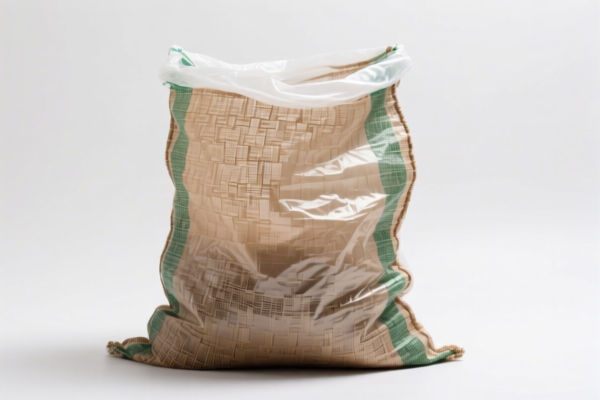
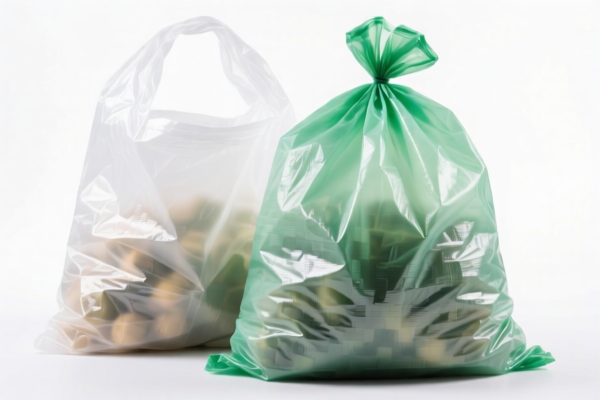
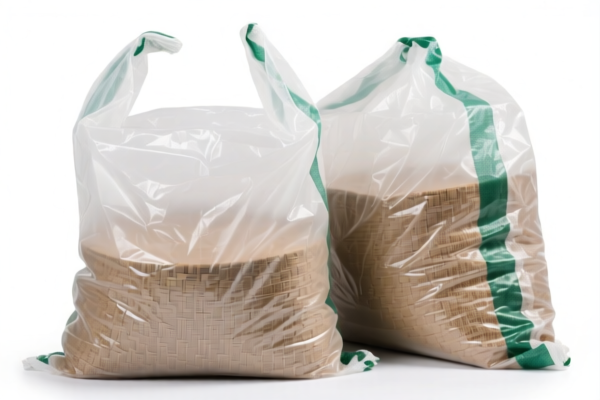
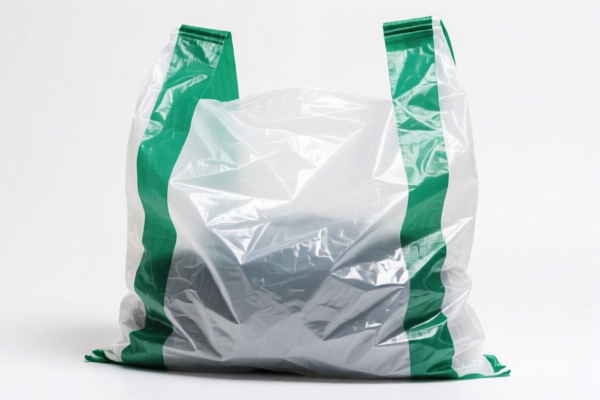
AI Analysis
🎒 Polypropylene Woven Bags (No Zipper)
🌐 HS Code Reference & Customs Clearance Guide | 2026 Latest Tariff Analysis | Professional Strategy 📌 I. Product Definition & Classification: What Exactly Is It?
A Polypropylene (PP) Woven Bag is a durable packaging container made from woven plastic strips, widely used in agriculture, construction, and industrial logistics. The key feature here is "No Zipper", which excludes it from general-purpose plastic bags with closures (like ZIPLOCK bags) and pushes it toward industrial packaging categories.
In international trade, the classification hinges on two main factors: 1. Material Structure: Is it treated as a "Textile/Bag" (Chapter 63) or a "Plastic Product" (Chapter 39)? 2. Manufacturing Process: "Woven" implies a textile-like structure, but the raw material is plastic (Polypropylene).
⚠️ Key Distinction: - If classified under Chapter 63 (Other made-up textile articles): It is seen as a "bag of an agricultural origin" or similar industrial bag. Lower Base Duty, Lower Additional Duty. - If classified under Chapter 39 (Plastics and Articles Thereof): It is seen as a "plastic sack or bag." Higher Base Duty, Higher Additional Duty.
📦 II. HS Code Classification Details (2026 Latest Tariff Authority Comparison)
Based on the provided data, there are 4 distinct HS Codes available for "Polypropylene Woven Bags (No Zipper)". Note that 6305.33.00.10 appears twice with identical tax details.
| HS Code | Product Description | Classification Logic | Total Tax Rate |
|---|---|---|---|
6305.33.00.10 |
PP Woven Bag, No Zipper, Agricultural/Industrial Packaging | Classified as a "Bag" under textile-like articles. Specific sub-category for PP bags. | 25.9% |
6305.33.00.80 |
PP Woven Bag, No Zipper, General Packaging | Classified as a "Bag" under textile-like articles. General sub-category for other PP bags. | 25.9% |
3923.29.00.00 |
PP Woven Bag, No Zipper, Plastic Sack/Container | Classified as a "Plastic Sack or Bag" (Other). General plastic packaging category. | 38.0% |
3923.21.00.80 |
PP Woven Bag, No Zipper, Polymer Plastic Packaging | Classified under "Sacks and Bags, incl. cones" specifically for polymers. | 38.0% |
🔍 Critical Reminder: -
6305Series (25.9% Total): Generally favored for woven PP bags because the "woven" structure aligns with textile classification logic in many customs interpretations. -3923Series (38.0% Total): Applies if customs authorities prioritize the polymer material over the woven structure, or if the bag is extruded/plastic-film based rather than truly woven. - Note: Both6305.33.00.10entries have identical tax rates. The distinction (10vs80) is likely based on specific domestic sub-coding (e.g., agricultural vs. general industrial use).
💰 III. 2026 Latest Tariff Rate Breakdown (Including Additional Duties & Policy Surcharges)
✅ Applicable Country: United States (US)
✅ Origin: China (CN)
✅ Effective Time: 2025/2026 Current Period
🎯 1. 6305.33.00.10 & 6305.33.00.80 —— Polypropylene Woven Bags (Textile Logic)
| Item | Detail |
|---|---|
| Base Duty | 8.4% (Standard MFN Rate) |
| Section 301 Additional Duty | 7.5% |
| Section 122 Tariff | 10% (Specific to certain Chinese imports under recent executive orders) |
| Total Effective Tax Rate | 25.9% |
| Tax Calculation | CIF Value × 25.9% |
| De Minimis Exemption? | ❌ No (Section 301 and Section 122 duties generally apply even to small parcels; verify specific threshold updates) |
| Legal Authority Path | USITC:6305.33.00.10 → SECTION_301:7.5% → SECTION_122:10% |
📌 Explanation: - "Base 8.4%": Standard tariff for bags of woven plastic. - "Section 301 7.5%": Trade war tariffs on specific Chinese goods. - "Section 122 10%": A recent policy addition targeting specific Chinese imports, significantly impacting low-cost packaging. - Total: 25.9% is the maximum liability for this category.
🎯 2. 3923.29.00.00 & 3923.21.00.80 —— PP Woven Bags (Plastic Logic)
| Item | Detail |
|---|---|
| Base Duty | 3.0% (Plastic articles often have lower base rates) |
| Section 301 Additional Duty | 25.0% (Higher surcharge for plastic products) |
| Section 122 Tariff | 10% |
| Total Effective Tax Rate | 38.0% |
| Tax Calculation | CIF Value × 38.0% |
| De Minimis Exemption? | ❌ No |
| Legal Authority Path | USITC:3923.21.00.80 → SECTION_301:25% → SECTION_122:10% |
📌 Explanation: - "Base 3.0%": Lower base rate for plastic sacks. - "Section 301 25%": Huge jump! Plastic products face a higher Section 301 surcharge (25%) compared to woven bags (7.5%). - "Section 122 10%": Same surcharge applies. - Total: 38.0% makes this classification significantly more expensive.
💡 Strategic Insight: -
6305(25.9%) is CHEAPER than3923(38.0%) by 12.1%. - If your bag is truly woven (interlaced strips), argue for6305classification to save costs. - If it is a plastic film bag (non-woven, extruded), you must use3923.
🛠️ IV. Customs Clearance Practical Advice (Pitfall Avoidance Guide)
✅ 1. Documentation Checklist (Non-Negotiable)
| Document | Required | Purpose |
|---|---|---|
| ✅ Product Specification Sheet | ✔️ | Must clearly state "Woven" (not extruded/film) and "No Zipper". Include PP material type. |
| ✅ Photo of Bag Surface | ✔️ | High-res macro shot showing the woven texture (grid pattern). Crucial for 6305 argument. |
| ✅ Commercial Invoice | ✔️ | Description: "Polypropylene Woven Bag, No Zipper, for Industrial Packaging." |
| ✅ Packing List | ✔️ | Net/Gross weight per bag and per carton. |
| ✅ Origin Certificate | ✔️ | To prove Chinese origin (subject to duties). |
| ✅ Customs Ruling (If Available) | ✔️ | Previous HS Code pre-ruling from CBP strengthens your case. |
✅ 2. Declaration Tips (Key Mnemonics)
🔥 "Woven is Textile, Film is Plastic. No Zipper, No Zipper."
| Scenario | Correct HS Code | Reason |
|---|---|---|
| True Woven Bag (Grid pattern, flexible, PP strips) | 6305.33.00.10 or .80 |
Classified as "Bag" (Textile logic). Lower Section 301 (7.5%). |
| Plastic Film Bag (Smooth, shiny, extruded) | 3923.21.00.80 or .29.00.00 |
Classified as "Plastic Sack" (Plastic logic). Higher Section 301 (25%). |
| Bag with Zipper/Closure | Different HS | Not covered in this data. Usually 3923.29 or 6305.20. |
| Reusable Woven Bag | Check 6305.33 |
Ensure it’s not classified as "Household" if applicable. |
✅ 3. Special Cases Handling
| Situation | Advice |
|---|---|
| Misclassification Risk | If you declare 6305 but the bag is actually non-woven (spunbond), customs will reclassify to 3923 → 38% Duty + Penalties. Prove it's woven! |
| Section 122 Impact | This 10% duty is new/adjusting. Double-check with your broker if your specific product code is exempt. It applies broadly to Chinese imports. |
| De Minimis (Section 321) | For shipments < $800, Section 301 and Section 122 duties usually STILL APPLY to China-origin goods. Do not assume tax-free entry. |
🌍 V. Global Market Comparison (2026 Latest)
| Region | Recommended HS Code | Total Est. Duty | Notes |
|---|---|---|---|
| 🇺🇸 USA | 6305.33.00.10 |
25.9% | Best option if woven. 3923 = 38.0%. |
| 🇨🇳 China (Export) | 6305.33.00.10 |
0% (Export) | No export duty for PP bags in China. |
| 🇪🇺 EU | 6305.33.00.00 |
~8-12% | EU uses 8-digit HS. No Section 301/122 equivalents. |
| 🇬🇧 UK | 6305.33.00.00 |
~8-12% | Post-Brexit tariffs similar to EU. |
| 🇨🇦 Canada | 6305.33.00.00 |
~6-10% | No Section 301. |
📌 Conclusion: - USA is the most expensive market due to Section 301 (7.5% or 25%) and Section 122 (10%). - Europe/Canada/Asia are significantly cheaper (Base duty only). - Cost Saving: Ensure your product is truly woven to qualify for the lower
6305rate in the US.
📌 VI. Common Errors & Pitfalls (Lessons Learned)
❌ Error 1: Declaring "Plastic Bag" generally → Customs auto-assigns 3923 → 38% Duty.
👉 Fix: Specify "Woven" in description to argue for 6305.
❌ Error 2: Ignoring Section 122 (10%) → Surprise cost at customs. 👉 Fix: Factor this 10% into your FOB/CIF pricing immediately.
❌ Error 3: Confusing Woven vs. Non-Woven. 👉 Fix: Non-woven PP bags (like medical/surgical) may fall under different codes. Woven means visible grid/interlaced structure.
❌ Error 4: Missing No Zipper detail.
👉 Fix: If it has a zipper, it might be 3923.29.00.00 or 6305.20. Explicitly state "No Zipper" to avoid confusion.
✅ Correct Declaration Example:
"Polypropylene Woven Bags, No Zipper, For Industrial Packaging, Made of Interlaced PP Strips, Chinese Origin"
🎯 VII. Conclusion: Precise Classification Saves Money!
🎯 Remember:
🔹 "Woven = 6305 (25.9%) vs. Plastic Film = 3923 (38.0%)"
🔹 "Section 122 adds 10% on Top!"
🔹 "Prove it's woven to save 12.1% in Duty!"
📌 Pro Tip:
If your product volume is high, consider applying for a CBP Pre-Ruling to lock in the
6305classification. This avoids future disputes and potential retroactive duties.
📣 Immediate Action:
📞 Consult your Customs Broker with Photos of the Woven Texture.
📄 Ensure your Invoice says "Woven PP Bag, No Zipper".
🚀 Optimize your supply chain to handle the 25.9%-38% duty burden!
✨ Professional Customs Clearance Starts with Accurate Classification!
💼 Every Percent Saved is Profit Added!
Customer Reviews
About HS Code Classification
The Harmonized System (HS) is an internationally standardized nomenclature developed by the World Customs Organization (WCO) to classify traded products. Over 200 countries use the HS system as the basis for customs tariffs, trade statistics, and import/export regulations.
Each HS code follows a hierarchical structure:
- Chapter (2 digits) — Broad category of goods (e.g., Chapter 84: Machinery and Mechanical Appliances)
- Heading (4 digits) — More specific grouping within the chapter
- Subheading (6 digits) — Internationally standardized breakdown, used by all WCO member countries
- National subdivisions (8-10 digits) — Country-specific extensions for further classification, such as US HTSUS 10-digit codes
Correct HS code classification is essential for smooth customs clearance, accurate duty payment, and compliance with trade regulations. Misclassification can lead to customs delays, overpayment of duties, or penalties.
When importing from CN to US, the applicable tariff rates may include:
- Most-Favored-Nation (MFN) rate — The standard duty rate applied to WTO members
- General rate — Applied to countries without trade agreements
- Trade remedy duties — Additional tariffs such as Section 301 (anti-dumping), Section 232 (national security), or countervailing duties
The information provided on this page is for reference purposes only. For official classification, please consult with your local customs authority or a licensed customs broker.