polystyrene resin for household appliances
CN → US| HS Code | Tariff Rate | Origin | Destination | Doc |
|---|---|---|---|---|
| 3903190000 | 41.5% | CN | US | Official Doc |
| 3903110000 | 41.5% | CN | US | Official Doc |
| 3903110000 | 41.5% | CN | US | Official Doc |
| 3903190000 | 41.5% | CN | US | Official Doc |
Product Images
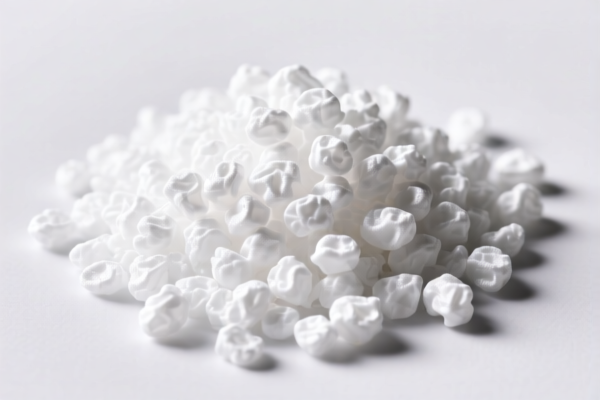
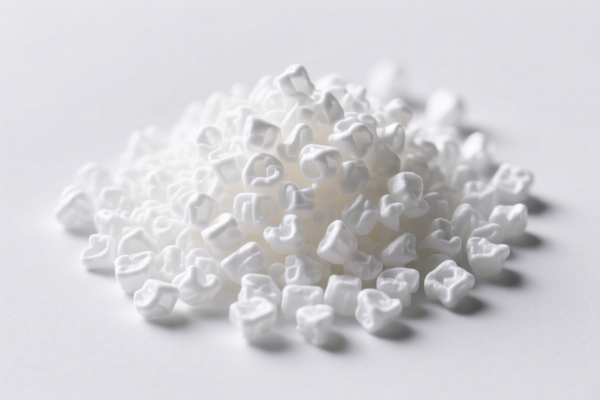

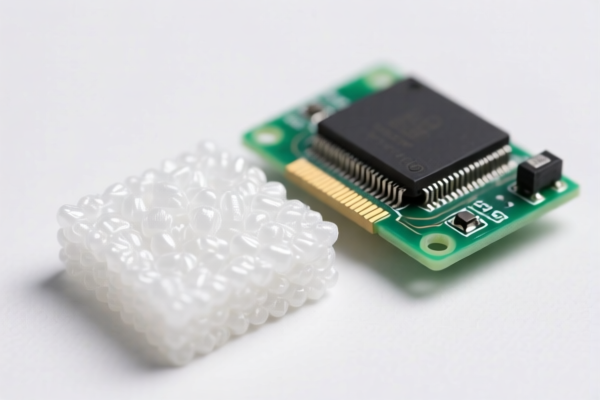
AI Analysis
🏠 Polystyrene Resin for Household Appliances (PS Resin)
🌐 HS Code Reference & Customs Clearance Guide | 2026 Latest Tariff Analysis | Professional Classification Strategy
📌 I. Product Definition & Classification: What Exactly is "PS Resin" for Appliances?
Polystyrene (PS) is a widely used synthetic aromatic hydrocarbon polymer. In the context of household appliances, it is primarily used for: * Internal Components: Housings for low-load parts (e.g., internal frames, knob covers, fan blades). * Packaging: Protective foam or molded inserts. * Decorative Panels: High-gloss, rigid sheets for exterior panels (less common now due to brittleness, but still used in budget models).
Key Distinction in Customs Classification: The classification depends strictly on the physical form and processing stage of the polystyrene. 1. Primary Forms (Raw Material): Beads, granules, flakes, or powders. These are the base materials for injection molding. 2. Expanded Forms: Pre-expanded beads used for foam packaging or insulation. 3. Finished Articles: Finished plastic parts (e.g., a molded appliance shell).
⚠️ Critical Note:
The input data provided contains entries for Raw Materials (HS 3903) and Finished Articles (HS 3926).
- If you are importing resin/beads/granules, use Chapter 39.
- If you are importing molded plastic parts (the final appliance component), use Chapter 39 (90) or potentially Chapter 84 if the part is functionally integral to the machine (though plastic parts usually remain in 3926).
- Styrene-Butadiene Rubber (SBR) is NOT Polystyrene resin; it is a rubber elastomer. Do not confuse them.
📦 II. HS Code Classification Details (Based on Provided Data)
The following HS Codes are derived strictly from the provided <DATA> for Polystyrene and related Plastic Articles.
| HS Code | Product Description | Application in Household Appliances | Key Characteristics |
|---|---|---|---|
3903.19.00.00 |
Polymers of styrene, in primary forms: Polystyrene: Other | Standard PS Resin (Granules/Beeds) for injection molding appliance housings, handles, or internal frames. | General-purpose PS. Rigid, transparent/opaque, brittle. |
3903.11.00.00 |
Polymers of styrene, in primary forms: Polystyrene: Expandable | EPS (Expanded Polystyrene) for packaging, protective inserts, or thermal insulation layers within appliance walls. | Pre-expanded beads that puff up when heated. Used for cushioning. |
3926.90.99.10 |
Other articles of plastics: Laboratory ware | ❌ Not Applicable unless the "appliance" is a specialized lab device (e.g., clinical analyzer). Unlikely for general household appliances. | |
3926.90.99.89 |
Other articles of plastics: Other: Other Other | Finished Plastic Parts (e.g., molded handles, knobs, trim pieces) if imported as finished components rather than raw resin. | End-use plastic articles not specified elsewhere. |
🔍 Excluded from Data (But Commonly Mistaken):
-4002.19.00.20&4002.19.00.19: These are SBR (Styrene-Butadiene Rubber), NOT Polystyrene resin. SBR is used for tires, shoe soles, or flexible seals, not rigid appliance casings. Do not use these codes for PS Resin.
💰 III. 2026 Latest Tariff Rate Breakdown (Tax Clauses Detailed)
✅ Applicable Country: United States (US)
✅ Origin: China (CN)
✅ Effective Date: 2025/2026 (Based on provided data structure)
🎯 1. 3903.19.00.00 —— Polystyrene Resin, Other (Primary Forms)
| Item | Detail |
|---|---|
| Base Tariff | 0.0% |
| Additional Tariff (Section 301 / IEEPA) | 0.0% |
| Total Tax Rate | 0.0% |
| Tax Detail | "基础关税: 0.0%, 加征关税: 0.0%" |
| Legal Basis | Standard Harmonized Tariff Schedule (HTS) for PS Resin. |
| De Minimis Status | ✅ Eligible (Usually < $800 for Section 321, but verify specific trade war exemptions if any apply to PS). |
📌 Explanation:
- Raw Polystyrene resin (3903.19.00.00) currently faces 0% total tariff in this dataset.
- This is a significant advantage for importing raw materials compared to finished plastic goods.
- Warning: Ensure the product is clearly labeled as "Polystyrene Resin, Primary Form" to avoid misclassification as finished articles.
🎯 2. 3903.11.00.00 —— Expandable Polystyrene (EPS)
| Item | Detail |
|---|---|
| Base Tariff | 0.0% |
| Additional Tariff | 0.0% |
| Total Tax Rate | 0.0% |
| Tax Detail | "基础关税: 0.0%, 加征关税: 0.0%" |
| Usage | Packaging materials, foam inserts for appliance shipping. |
| De Minimis Status | ✅ Eligible |
📌 Explanation:
- EPS is also classified at 0% total tax.
- Ideal for cost-effective packaging solutions for household appliances.
🎯 3. 3926.90.99.89 —— Other Plastic Articles (Finished Parts)
| Item | Detail |
|---|---|
| Base Tariff | 5.3% |
| Additional Tariff (Section 301 / IEEPA) | 7.5% |
| Total Tax Rate | 12.8% |
| Tax Detail | "基础关税: 5.3%, 加征关税: 7.5%" |
| Usage | Finished molded plastic parts (e.g., knobs, panels) imported as components. |
| De Minimis Status | ❌ Not Eligible (Generally, articles over $800 are not de minimis, but even below, Section 301 may apply if not exempt). |
📌 Explanation:
- Significant Cost Increase: If you import finished plastic parts instead of raw resin, the tariff jumps to 12.8%.
- Strategy: Import raw resin (3903.19.00.00) and mold domestically if possible to save 12.8% in tariffs.
- If importing finished parts from China, budget for this higher rate.
🚫 Excluded Items (For Clarity)
| HS Code | Product | Why Not Used for PS Resin? |
|---|---|---|
4002.19.00.20 |
SBR Rubber (>50% Styrene) | This is Rubber, not rigid Polystyrene. High tax (25%). |
4002.19.00.19 |
SBR Rubber (≤50% Styrene) | This is Rubber, not rigid Polystyrene. High tax (25%). |
3926.90.99.10 |
Laboratory Ware | Not applicable for general household appliances. |
🛠️ IV. Customs Clearance Practical Advice (Real-World Pitfall Guide)
✅ 1. Documentation Checklist (Must-Haves)
| Document | Requirement | Notes |
|---|---|---|
| Commercial Invoice | Must specify: "Polystyrene Resin, Primary Form" | Do NOT write "Plastic Parts" if importing resin. |
| Product Specification Sheet | Confirm: Styrene content, Density, Form (Beads/Granules) | Critical to distinguish from SBR Rubber. |
| Certificate of Origin | Required for proving Chinese origin | Needed to apply Section 301 tariffs correctly. |
| MSDS (Material Safety Data Sheet) | Mandatory for chemical shipments | PS resin is generally low hazard, but required by carriers. |
| Bill of Lading | Clean bill of lading, no claims | Ensure packaging is palletized/boxed properly. |
✅ 2. Classification Strategy & Cost Optimization
| Scenario | Recommended HS Code | Total Tax | Strategy |
|---|---|---|---|
| Importing Raw Resin Beads | 3903.19.00.00 |
0.0% | ✅ Best Option: Lowest tariff, eligible for potential de minimis if applicable. |
| Importing EPS Foam Blocks | 3903.11.00.00 |
0.0% | ✅ Best Option: Use for packaging, zero tax. |
| Importing Molded Appliance Shells | 3926.90.99.89 |
12.8% | ⚠️ High Cost: Avoid if possible. Consider domestic molding or duty-paid sourcing. |
| Importing SBR Rubber (e.g., for seals) | 4002.19.00.20 |
25.0% | ❌ Avoid: Unless it is truly SBR rubber, not PS. Do not misclassify PS as SBR to avoid 25% tax (it will be audited). |
🔥 Key Tip:
"Resin is Free (0%), Finished Parts are Costly (12.8%). Rubber is Expensive (25%). Know your form!"
✅ 3. Common Mistakes & Pitfalls
❌ Mistake 1: Labeling Polystyrene Resin as "Plastic Compounds" or "Synthetic Rubber"
👉 Consequence: Misclassification to 4002 (SBR) → 25% Tax instead of 0%. Plus potential fraud penalties.
❌ Mistake 2: Importing finished molded parts but declaring them as "Raw Resin"
👉 Consequence: Customs inspection will find rigid molded items. Seizure + Back Taxes + Fines.
❌ Mistake 3: Confusing "Expandable PS" (3903.11) with "General PS" (3903.19)
👉 Consequence: Both are 0% in this data, but customs may request different documentation for EPS (foam handling rules). Ensure description matches physical form.
❌ Mistake 4: Ignoring Section 301 Updates
👉 Consequence: While current data shows 0% for PS, monitor USITC lists. Plastic articles sometimes face new tariffs. Verify real-time status before shipment.
🌍 V. Global Market Comparison (2026 Snapshot)
| Market | HS Code for PS Resin | Tariff (China Origin) | Notes |
|---|---|---|---|
| 🇺🇸 USA | 3903.19.00.00 |
0.0% (Base + Add'l) | Advantageous for raw materials. |
| 🇨🇳 China | 3903.19.00.00 |
~1.5% - 3.0% | Lower base, but import controls may apply. |
| 🇪🇺 EU | 3903.19.00.00 |
0.0% (Most MFN) | No additional tariffs. Strict REACH compliance needed. |
| 🇬🇧 UK | 3903.19.00.00 |
0.0% | Post-Brexit tariffs align with old EU rates. |
📌 Conclusion:
The US market currently offers a 0% tariff advantage for raw Polystyrene resin from China, making it a cost-effective source for raw materials. However, finished plastic articles face a 12.8% tariff, creating an incentive to import raw materials and perform manufacturing locally.
📌 VI. Final Recommendations
- Verify Physical Form: Ensure your shipment is truly granules/beads (
3903.19) or expandable beads (3903.11). If it is molded, it is3926.90. - Do Not Confuse with Rubber: SBR (
4002) is a different material with a 25% tariff. Accurate material testing (FTIR/DSC) may be required if customs questions the product. - Leverage 0% Rate: For household appliance manufacturers, importing raw PS resin at 0% duty is optimal. Use domestic molding facilities to produce appliance parts.
- Documentation Precision: Invoice must explicitly state:
> "Polystyrene Resin, Primary Form, Granules, for Injection Molding, HS 3903.19.00.00"
🎯 Final Word:
"Polystyrene Resin: 0% Duty. Finished Parts: 12.8%. Rubber: 25%. Choose wisely, declare accurately, save millions!"
📣 Action Item:
✅ Before Shipment: Confirm HS Code
3903.19.00.00with your US customs broker.
✅ During Clearance: Provide MSDS and Certificate of Origin.
🚀 Result: Smooth clearance, minimal duty, maximum profit margin for your household appliance supply chain!
✨ Precision Classification, Predictable Costs, Seamless Global Trade.
💼 Your Supply Chain Strategy Starts with the Right HS Code!
Customer Reviews
About HS Code Classification
The Harmonized System (HS) is an internationally standardized nomenclature developed by the World Customs Organization (WCO) to classify traded products. Over 200 countries use the HS system as the basis for customs tariffs, trade statistics, and import/export regulations.
Each HS code follows a hierarchical structure:
- Chapter (2 digits) — Broad category of goods (e.g., Chapter 84: Machinery and Mechanical Appliances)
- Heading (4 digits) — More specific grouping within the chapter
- Subheading (6 digits) — Internationally standardized breakdown, used by all WCO member countries
- National subdivisions (8-10 digits) — Country-specific extensions for further classification, such as US HTSUS 10-digit codes
Correct HS code classification is essential for smooth customs clearance, accurate duty payment, and compliance with trade regulations. Misclassification can lead to customs delays, overpayment of duties, or penalties.
When importing from CN to US, the applicable tariff rates may include:
- Most-Favored-Nation (MFN) rate — The standard duty rate applied to WTO members
- General rate — Applied to countries without trade agreements
- Trade remedy duties — Additional tariffs such as Section 301 (anti-dumping), Section 232 (national security), or countervailing duties
The information provided on this page is for reference purposes only. For official classification, please consult with your local customs authority or a licensed customs broker.