portable electric lamp e.g., flashlight, headlamp
CN → US| HS Code | Tariff Rate | Origin | Destination | Doc |
|---|---|---|---|---|
| 8513102000 | 22.5% | CN | US | Official Doc |
| 8513104000 | 13.5% | CN | US | Official Doc |
| 8513102000 | 22.5% | CN | US | Official Doc |
| 8513104000 | 13.5% | CN | US | Official Doc |
| 8513102000 | 22.5% | CN | US | Official Doc |
Product Images
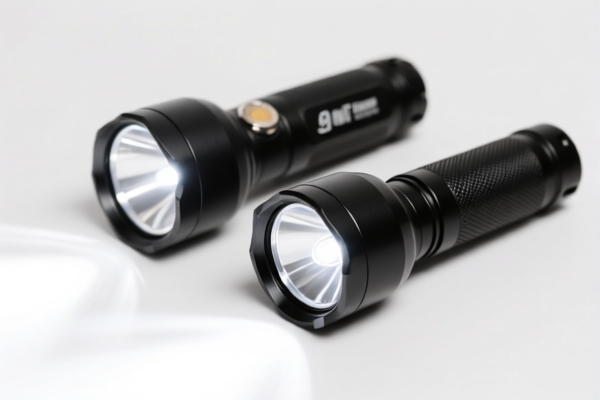
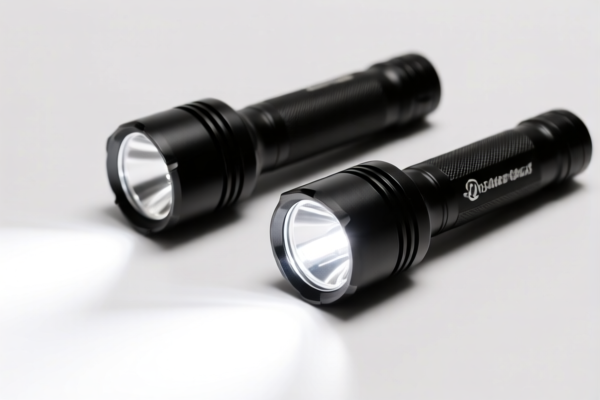
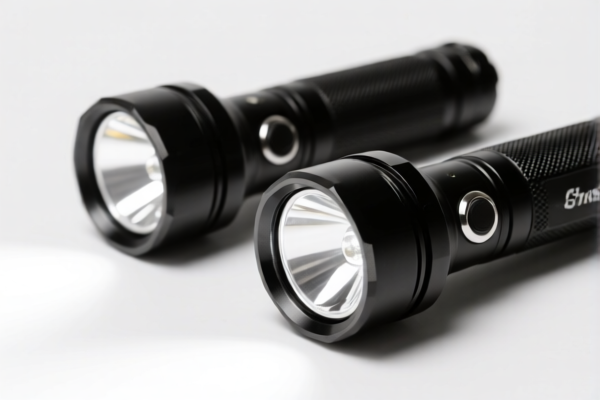
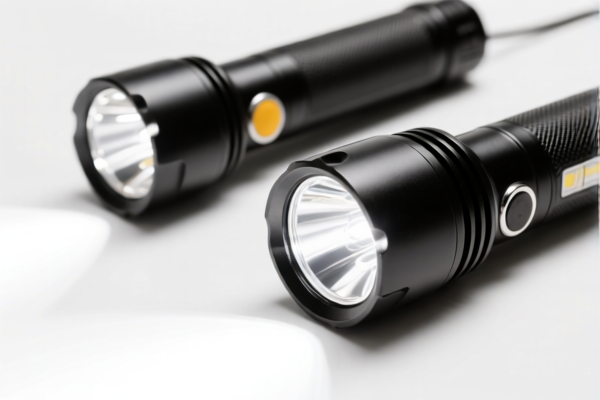
AI Analysis
🔦 Portable Electric Lamp (Flashlight, Headlamp)
🌐 HS Code Reference & Customs Clearance Guide | 2026 Latest Tariff Analysis | Professional-Level Compliance Strategy
📌 I. Product Definition & Classification: Do You Truly Understand "Portable Electric Lamps"?
Portable electric lamps, such as flashlights and headlamps, are self-contained lighting devices designed for mobility. In international trade, their classification hinges critically on their power source and structural integrity. They are primarily categorized into two distinct groups based on whether they contain built-in batteries or rely on disposable cells, which drastically impacts their HS Code assignment and tariff liability.
Self-Contained Battery Powered (Rechargeable/Built-in): Devices where the energy source is an integral part of the unit (e.g., lithium-ion batteries). These often fall under 8513.10.20.00 due to their specific electrical configuration and higher tax implications under current trade policies.
Disposable Cell/Replaceable Battery Powered: Devices designed to use standard replaceable batteries (e.g., AA, AAA). These fall under 8513.10.40.00, generally enjoying lower base tariffs but subject to similar additional duties.
⚠️ Key Distinction Point:
- If the lamp is powered by its own source (especially if defined strictly under specific subheadings for self-contained units) → Often linked to 8513.10.20.00
- If the lamp is powered by batteries (general portable definition) → Linked to 8513.10.40.00
📦 II. HS Code Classification Details (2026 Latest Tariff Authority Alignment)
Based on the provided data, here is the precise breakdown for Portable Electric Lamps:
| HS Code | Product Description | Tax Rate (Total) | Tariff Breakdown |
|---|---|---|---|
8513.10.20.00 |
Portable electric lamp (e.g., flashlight, headlamp), consistent with name and use; strictly matches self-contained energy drive characteristics. | 22.5% | Base Tariff: 12.5% Add-on Tariff: 0.0% Section 122 Tariff: 10% |
8513.10.40.00 |
Portable electric lamp (e.g., flashlight, headlamp), powered by batteries or accumulators. Matches self-contained energy power definition. | 13.5% | Base Tariff: 3.5% Add-on Tariff: 0.0% Section 122 Tariff: 10% |
8513.10.20.00 |
Portable electric lamp (e.g., flashlight, headlamp), matches form and usage exactly. | 22.5% | Base Tariff: 12.5% Add-on Tariff: 0.0% Section 122 Tariff: 10% |
8513.10.40.00 |
Portable electric lamp (e.g., flashlight), matches self-contained power supply definition. | 13.5% | Base Tariff: 3.5% Add-on Tariff: 0.0% Section 122 Tariff: 10% |
🔍 Critical Reminder:
- 8513.10.20.00 carries a higher base tariff (12.5%) compared to 8513.10.40.00 (3.5%). This code is applied when the product's name, use, form, and self-contained energy drive characteristics are strictly aligned.
- 8513.10.40.00 is the alternative for products defined by being "powered by batteries" or matching "self-contained power supply definitions" without the stricter criteria of 20.00.
- Section 122 Tariff (10%) is always applied to both codes, meaning the total tariff difference is driven entirely by the Base Tariff (12.5% vs 3.5%).
💰 III. 2026 Latest Tariff Rate Detailed Explanation
✅ Scope: Applies to Portable Electric Lamps (Flashlights, Headlamps)
✅ Key Component: Section 122 Tariff + Base Tariff Structure
🎯 1. 8513.10.20.00 — Portable Electric Lamp (Strict Match)
| Item | Content |
|---|---|
| Base Tariff | 12.5% |
| Add-on Tariff | 0.0% |
| Section 122 Tariff | +10% |
| Total Tax Rate | 22.5% |
| Tax Calculation | CIF Value × 22.5% |
| De Minimis Exemption | ❌ Not Applicable (High tax rate usually disqualifies low-value shipments) |
| Legal Basis Path | HS: 8513.10.20.00 → Base: 12.5% → Section 122: 10% |
📌 Explanation:
- This code attracts the highest base duty (12.5%).
- The 10% Section 122 tariff is a significant add-on that applies uniformly.
- Total cost impact: High. Importers must carefully justify the product description to ensure it falls here, as misclassification to 8513.10.40.00 could lead to penalties if the product strictly meets the 20.00 criteria.
🎯 2. 8513.10.40.00 — Portable Electric Lamp (Battery Powered)
| Item | Content |
|---|---|
| Base Tariff | 3.5% |
| Add-on Tariff | 0.0% |
| Section 122 Tariff | +10% |
| Total Tax Rate | 13.5% |
| Tax Calculation | CIF Value × 13.5% |
| De Minimis Exemption | ❌ Not Applicable |
| Legal Basis Path | HS: 8513.10.40.00 → Base: 3.5% → Section 122: 10% |
📌 Note:
- This code offers a significant cost advantage (9% lower total tariff) compared to 8513.10.20.00.
- It applies to products defined as "powered by batteries" or matching the "self-contained power supply definition."
- Strategic Implication: Ensure product labeling and technical specifications clearly support the "battery-powered" classification to qualify for the lower 3.5% base rate, provided the product does not strictly meet the higher-tier 20.00 criteria.
🛠️ IV. Customs Clearance Practical Advice (Battle-Tested Pitfall Guide)
✅ 1. Required Documentation Checklist (Mandatory)
| Document | Must Provide | Explanation |
|---|---|---|
| ✅ Product Specification Sheet | ✔️ | Must detail power source type (e.g., "Built-in Li-ion" vs. "Uses 2x AA Batteries"), lumens, runtime, and IP rating. |
| ✅ Product Photos (Including Nameplate) | ✔️ | Clear images of the lamp, battery compartment, and charging ports. |
| ✅ Commercial Invoice | ✔️ | Must explicitly state "Portable Electric Lamp" and specify the power mechanism to support HS Code selection. |
| ✅ Packing List | ✔️ | Details of contents, ensuring no confusion with accessories that might be classified separately. |
| ✅ Certifications (FCC/CE) | ✔️ | Required for electronic devices, especially those with batteries. |
✅ 2. Declaration Strategy (Key Mnemonic)
🔥 "Power Source Dictates Code, Section 122 is Fixed!"
| Scenario | Correct HS Code | Wrong Approach |
|---|---|---|
| Lamp with built-in/rechargeable battery, strictly matching "self-contained energy drive" | 8513.10.20.00 (22.5%) |
Misdeclaring as 8513.10.40.00 → Audit Risk & Penalties |
| Lamp designed for replaceable disposable batteries | 8513.10.40.00 (13.5%) |
Over-declaring as 20.00 → Overpayment of 9% duty |
| Lamp + Accessories (Batteries, Charger) | Declare as one unit under main HS | Splitting declaration → Higher total duty on accessories |
✅ 3. Special Case Handling
| Situation | Handling Advice |
|---|---|
| Hybrid Models (Rechargeable but also accepts AA) | Classify based on primary design intent and main power source. If rechargeable is primary, lean towards 20.00. If AA is standard, lean towards 40.00. Consult a customs broker. |
| Smart Headlamps with Bluetooth | Still classified under 8513.10.xx.xx as the primary function is lighting. Do not classify as communication equipment. |
| High-Intensity Industrial Flashlights | Ensure description matches "Portable Electric Lamp." If it exceeds certain power/wattage thresholds, check if it falls under different industrial lighting categories (though 8513 is generally comprehensive for portable units). |
🌍 V. Global Market Clearance Comparison (2026 Latest)
| Country/Region | Recommended HS Code | Total Tax Rate | Certification Requirements | Notes |
|---|---|---|---|---|
| 🇺🇸 USA | 8513.10.20.00 / 8513.10.40.00 |
22.5% / 13.5% | FCC, UL (for batteries) | Section 122 Tariff applies. High duty. |
| 🇨🇳 China | 8513.10.20.00 / 8513.10.40.00 |
Variable (Check Import Tariff) | CCC (if applicable) | Domestic production may have lower duties. |
| 🇪🇺 EU | 8513.10.20.00 / 8513.10.40.00 |
Varies by country | CE, RoHS, Battery Directive | VAT + Duty applies. No Section 122. |
| 🇬🇧 UK | 8513.10.20.00 / 8513.10.40.00 |
Varies | UKCA | Post-Brexit rules apply. |
📌 Conclusion:
- The US market imposes a heavy burden via Section 122 Tariff.
- Classification accuracy is critical to avoid the 9% tariff gap between 20.00 and 40.00.
- Documentation must be flawless to prove the power source type.
📌 VI. Common Errors & Pitfall Guide (Lessons Learned)
❌ Error 1: Classifying all flashlights under the lower tax rate (8513.10.40.00) without verifying if they meet the "self-contained energy drive" criteria of 8513.10.20.00.
👉 Consequence: Customs audit, back-tariffs, and potential fraud charges.
❌ Error 2: Ignoring the Section 122 Tariff (10%).
👉 Consequence: Underestimating landed cost by 10% on every unit, destroying profit margins.
❌ Error 3: Declaring batteries separately from the lamp.
👉 Consequence: Batteries may have higher duties or strict shipping restrictions (Dangerous Goods). It is usually better to declare the complete portable lamp.
❌ Error 4: Using vague descriptions like "Lighting Device."
👉 Consequence: Customs delays, reclassification to highest possible duty, and storage fees.
✅ Correct Practice:
"Portable LED Flashlight, Model XYZ, Rechargeable via USB, Waterproof IPX4, Includes Built-in Lithium Battery."
Or:
"Portable LED Headlamp, Model ABC, Uses 3x AA Batteries (Not Included)."
🎯 VII. Conclusion: Precision in Classification Saves Money!
🎯 Remember the Mnemonic:
🔹 "20.00 = 12.5% Base + 10% Sec122 = 22.5% Total"
🔹 "40.00 = 3.5% Base + 10% Sec122 = 13.5% Total"
🔹 "Difference is 9%! Choose the right code!"
📌 Pro Tip:
If your product can technically fit both, work with a licensed customs broker to determine which classification best aligns with the actual design and primary use. If the product is explicitly marketed and designed as a "self-contained energy drive" unit, it likely falls under 20.00. If it's a standard consumer flashlight using disposable batteries, it likely falls under 40.00.
📣 Immediate Action:
📞 Verify Product Specs → 📄 Select Correct HS Code → 📊 Calculate Landed Cost
🚀 Ensure Compliance with Section 122 Tariff!
✨ Professional Clearance Starts with Accurate Classification!
💼 Every 9% Counts in Your Bottom Line!
Customer Reviews
About HS Code Classification
The Harmonized System (HS) is an internationally standardized nomenclature developed by the World Customs Organization (WCO) to classify traded products. Over 200 countries use the HS system as the basis for customs tariffs, trade statistics, and import/export regulations.
Each HS code follows a hierarchical structure:
- Chapter (2 digits) — Broad category of goods (e.g., Chapter 84: Machinery and Mechanical Appliances)
- Heading (4 digits) — More specific grouping within the chapter
- Subheading (6 digits) — Internationally standardized breakdown, used by all WCO member countries
- National subdivisions (8-10 digits) — Country-specific extensions for further classification, such as US HTSUS 10-digit codes
Correct HS code classification is essential for smooth customs clearance, accurate duty payment, and compliance with trade regulations. Misclassification can lead to customs delays, overpayment of duties, or penalties.
When importing from CN to US, the applicable tariff rates may include:
- Most-Favored-Nation (MFN) rate — The standard duty rate applied to WTO members
- General rate — Applied to countries without trade agreements
- Trade remedy duties — Additional tariffs such as Section 301 (anti-dumping), Section 232 (national security), or countervailing duties
The information provided on this page is for reference purposes only. For official classification, please consult with your local customs authority or a licensed customs broker.