portable enema bags
CN → US| HS Code | Tariff Rate | Origin | Destination | Doc |
|---|---|---|---|---|
| 4014905000 | 14.2% | CN | US | Official Doc |
| 4014901000 | 10.0% | CN | US | Official Doc |
| 9018390040 | 10.0% | CN | US | Official Doc |
| 3926902100 | 21.7% | CN | US | Official Doc |
| 3926909989 | 22.8% | CN | US | Official Doc |
Product Images
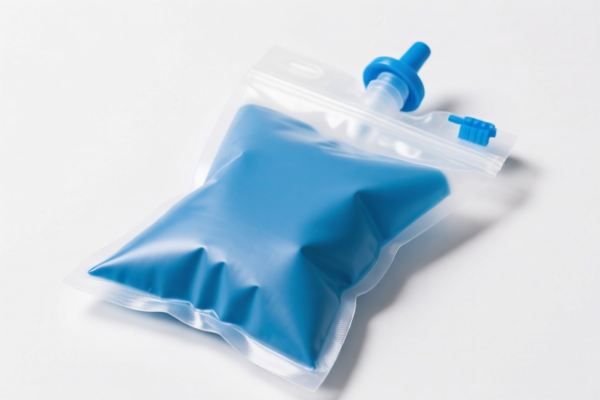
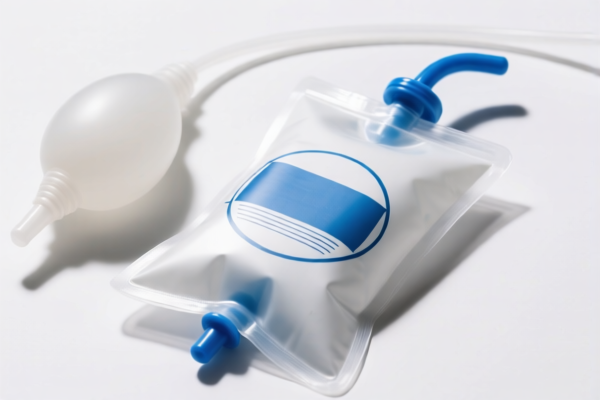
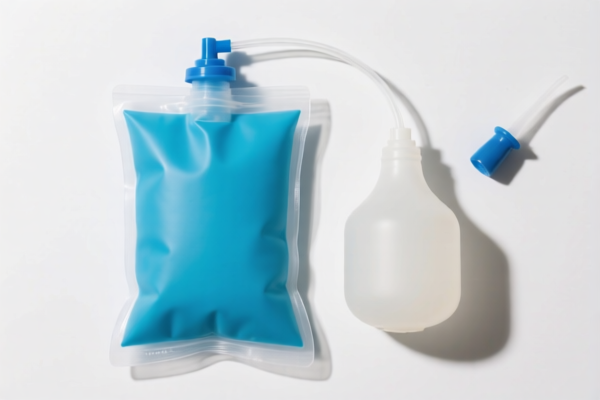
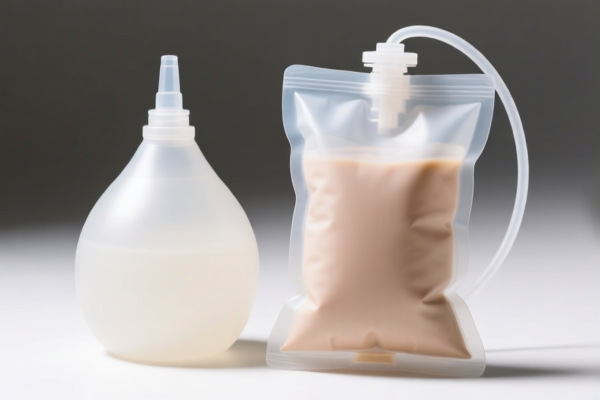
AI Analysis
🏥 Portable Enema Bags (Medical Hygiene Devices)
🌐 HS Code Reference & Customs Clearance Guide | 2026 Latest Tariff Analysis | Professional Strategy for USA Imports
📌 I. Product Definition & Classification: Do You Know "Portable Enema Bags"?
Portable enema bags are medical or hygiene devices used for bowel cleansing, irrigation, or fluid administration. In international trade, their classification depends heavily on material composition (rubber vs. plastic) and specific design purpose (sanitary vs. general medical).
⚠️ Key Distinction Points:
- Rubber/Elastomer Material: Falls under Chapter 40 (Rubber articles). Specifically4014.90.
- Plastic Material: Falls under Chapter 39 (Plastics) or Chapter 90 (Medical devices).
- Specific Medical Use: If explicitly designed as medical equipment, it may fall under9018(Instruments/Apparatus).
- General Sanitary Use: May fall under general plastic/rubber articles if not strictly "medical instrument."
📦 II. HS Code Classification Details (2026 Latest Tariff Authority Comparison)
Based on the provided data, here are the specific HS Codes for "Portable Enema Bags":
| HS Code | Product Description | Material | Tax Detail Breakdown | Total Tax Rate |
|---|---|---|---|---|
4014.90.10.00 |
Sanitary/Medical Enema Equipment made of Vulcanized Rubber | Rubber | Base: 0%, Section 301: 0%, Section 122: 10% | 10.0% |
4014.90.50.00 |
Hygiene/Medical Enema Bags made of Vulcanized Rubber | Rubber | Base: 4.2%, Section 301: 0%, Section 122: 10% | 14.2% |
9018.39.00.40 |
Medical Catheters/Drainage Enema Bags (Plastic/Rubber) | Mixed/Medical | Base: 0%, Section 301: 0%, Section 122: 10% | 10.0% |
3926.90.21.00 |
Enema Bags made of Plastic | Plastic | Base: 4.2%, Section 301: 7.5%, Section 122: 10% | 21.7% |
3926.90.99.89 |
Other Plastic Enema Bags (PE/PVC, not specified elsewhere) | Plastic | Base: 5.3%, Section 301: 7.5%, Section 122: 10% | 22.8% |
🔍 Important Note:
- Section 122 Tariff (10%): This applies to all items listed above. It is a specific additional tariff on certain Chinese goods, effective from November 10, 2025.
- Section 301 Tariff: Varies by material. Rubber items (4014) have 0% Section 301, while Plastic items (3926) have 7.5%.
- Base Tariff: Ranges from 0% (for medical-specific9018or specific rubber4014.90.10) to 5.3% (for general plastic3926.90.99).
💰 III. 2026 Latest Tariff Rate Detailed Explanation (Including Additional Taxes)
✅ Applicable Country: United States (US)
✅ Country of Origin: China (CN)
✅ Effective Date: November 10, 2025 (and onwards)
🎯 1. 4014.90.10.00 — Vulcanized Rubber Enema Equipment
| Item | Content |
|---|---|
| Base Rate | 0% |
| USITC (Section 301) | 0% |
| Section 122 Tariff | +10% |
| Total Rate | 10.0% |
| Tax Calculation | CIF Value × 10% |
| De Minimis Exemption | ❌ Not Applicable |
| Legal Basis Path | Section 122 → USITC:4014.90.10.00 |
📌 Explanation:
- This code is for rubber enema bags specifically classified as sanitary/medical equipment.
- Lowest Total Tax (10%) among rubber options because Base + Section 301 are both 0%.
- Advantage: No Section 301 tariff applies to this specific rubber subheading.
🎯 2. 4014.90.50.00 — Vulcanized Rubber Enema Bags (Hygiene/Medical)
| Item | Content |
|---|---|
| Base Rate | 4.2% |
| USITC (Section 301) | 0% |
| Section 122 Tariff | +10% |
| Total Rate | 14.2% |
| Tax Calculation | CIF Value × 14.2% |
| De Minimis Exemption | ❌ Not Applicable |
| Legal Basis Path | Section 122 → USITC:4014.90.50.00 |
📌 Explanation:
- Also rubber, but classified differently (likely broader hygiene use).
- Higher base tariff (4.2%) compared to4014.90.10.00.
- Total Tax is 14.2%. Still lower than plastic alternatives.
🎯 3. 9018.39.00.40 — Plastic/Rubber Medical Catheters/Drainage Enema Bags
| Item | Content |
|---|---|
| Base Rate | 0% |
| USITC (Section 301) | 0% |
| Section 122 Tariff | +10% |
| Total Rate | 10.0% |
| Tax Calculation | CIF Value × 10% |
| De Minimis Exemption | ❌ Not Applicable |
| Legal Basis Path | Section 122 → USITC:9018.39.00.40 |
📌 Explanation:
- This is a medical instrument classification (Chapter 90).
- Requires the product to be explicitly medical-grade (e.g., catheters, drainage tubes).
- Lowest Tax (10%) if you can prove medical use and material mix.
- Risk: Customs may challenge this if the product is deemed "general hygiene" rather than "medical instrument."
🎯 4. 3926.90.21.00 — Plastic Enema Bags
| Item | Content |
|---|---|
| Base Rate | 4.2% |
| USITC (Section 301) | +7.5% |
| Section 122 Tariff | +10% |
| Total Rate | 21.7% |
| Tax Calculation | CIF Value × 21.7% |
| De Minimis Exemption | ❌ Not Applicable |
| Legal Basis Path | Section 122 → USITC:3926.90.21.00 |
📌 Explanation:
- Plastic material (Chapter 39).
- Subject to Section 301 Tariff (7.5%) in addition to Section 122.
- Total Tax is 21.7%. Significantly higher than rubber/medical options.
🎯 5. 3926.90.99.89 — Other Plastic Enema Bags (PE/PVC)
| Item | Content |
|---|---|
| Base Rate | 5.3% |
| USITC (Section 301) | +7.5% |
| Section 122 Tariff | +10% |
| Total Rate | 22.8% |
| Tax Calculation | CIF Value × 22.8% |
| De Minimis Exemption | ❌ Not Applicable |
| Legal Basis Path | Section 122 → USITC:3926.90.99.89 |
📌 Explanation:
- Plastic material, not specifically listed elsewhere.
- Highest base rate (5.3%) + Section 301 (7.5%) + Section 122 (10%).
- Total Tax is 22.8%. This is the most expensive classification.
- Avoid this code if possible by using more specific descriptions or materials.
🛠️ IV. Customs Clearance Practical Suggestions (Battle-Tested Pitfall Guide)
✅ 1. Documentation Checklist (All Items Required)
| Document | Mandatory | Notes |
|---|---|---|
| ✅ Product Specification Sheet | ✔️ | Must clearly state material (Rubber/Plastic), capacity, and intended use (Medical vs. Hygiene). |
| ✅ Material Composition Certificate | ✔️ | Proof of Vulcanized Rubber vs. PVC/PE. Critical for HS Code selection. |
| ✅ Product Photos (with Labels) | ✔️ | Clear images of the bag, tubing, nozzle, and any "Medical Device" markings. |
| ✅ Commercial Invoice | ✔️ | Describe accurately: e.g., "Vulcanized Rubber Enema Bag, Medical Grade" vs. "Plastic Hygiene Bag." |
| ✅ Certificate of Origin (CO) | ✔️ | Required for Section 122 and 301 determination. |
| ✅ FDA Registration (if applicable) | ✔️ | If claiming 9018 (Medical), FDA compliance is often scrutinized. |
✅ 2. Classification Strategy (Key Mantra)
🔥 "Material First, Use Second, Avoid Plastic if Possible!"
| Scenario | Recommended HS Code | Total Tax | Why? |
|---|---|---|---|
| Rubber, Medical/Sanitary | 4014.90.10.00 |
10.0% | Lowest tax, no Section 301. Best if material is truly rubber. |
| Mixed/Plastic-Rubber, Medical | 9018.39.00.40 |
10.0% | Lowest tax, but requires strong "medical instrument" justification. |
| Rubber, General Hygiene | 4014.90.50.00 |
14.2% | Higher base tax than 4014.90.10.00. |
| Plastic, Specific | 3926.90.21.00 |
21.7% | High tax due to Section 301 + Base + Section 122. |
| Plastic, Generic | 3926.90.99.89 |
22.8% | Highest tax. Avoid unless no other option. |
✅ 3. Special Handling Tips
| Situation | Recommendation |
|---|---|
| OEM Custom Bags | Provide design drawings to prove material and function. Help customs classify as 4014.90.10.00 or 9018.39.00.40. |
| "Medical" Claim | If using 9018.39.00.40, ensure the product is FDA-registered or meets medical standards. Otherwise, customs may downgrade to plastic/rubber general codes. |
| Plastic Bags | Try to specify the exact plastic type (e.g., PVC) to avoid the generic 3926.90.99.89 (22.8%). Use 3926.90.21.00 (21.7%) if applicable. |
| Section 122 Impact | All these codes are subject to a 10% Section 122 tariff. This is unavoidable for China-origin goods. Plan your pricing accordingly. |
🌍 V. Global Market Comparison (2026)
| Country/Region | Recommended HS Code | Tariff (China Origin) | Notes |
|---|---|---|---|
| 🇺🇸 USA | 4014.90.10.00 or 9018.39.00.40 |
10.0% | Includes Section 122 (10%). Avoid 3926 codes (22.8%). |
| 🇨🇳 China | Varies | ~2%-5% | No Section 122/301. Lower tariffs. |
| 🇪🇺 EU | Varies | ~2.7%-4.5% | No Section 122/301. Generally lower taxes. |
| 🇨🇦 Canada | Varies | ~5%-7% | No Section 122/301. |
📌 Conclusion:
- USA is the highest-cost market due to Section 122 (10%) and potentially Section 301 (0%-7.5%).
- Plastic products are significantly more expensive to import than rubber/medical ones.
- Strategy: Use Rubber (4014) or Medical (9018) classifications to minimize tariff impact.
📌 VI. Common Errors & Pitfalls (Lessons Learned)
❌ Error 1: Classifying all enema bags as 3926.90.99.89 (Plastic, Other)
👉 Result: 22.8% Tax. Missed the opportunity for 10% tax via rubber or medical classification.
❌ Error 2: Claiming 9018.39.00.40 for a simple plastic hygiene bag
👉 Result: Customs rejection or downgrade to 3926.90.21.00 (21.7%) + penalties. Only use if truly medical.
❌ Error 3: Ignoring Section 122 Tariff
👉 Result: Underestimating landing cost. All codes include 10% Section 122.
❌ Error 4: Mixing Rubber and Plastic in one shipment without separate HS Codes
👉 Result: Confusion, delays, and potential misclassification. Separate materials clearly.
✅ Correct Approach:
"Vulcanized Rubber Enema Bag, Medical Grade, 1000ml, China Origin" →
4014.90.10.00(10% Tax)
"Medical Catheter Enema Bag, Plastic/Rubber, China Origin" →9018.39.00.40(10% Tax)
🎯 VII. Conclusion: Professional Classification, Cost Optimization!
🎯 Remember the Mantra:
🔹 "Rubber or Medical: 10% is King!"
🔹 "Plastic is Pain: 22.8% is Painful!"
🔹 "Section 122: 10% is Mandatory!"
📌 Pro Tip:
- If your product is rubber-based, push for 4014.90.10.00.
- If it is medical-grade, push for 9018.39.00.40.
- Avoid 3926.90.99.89 unless absolutely necessary.
📣 Immediate Action:
📞 Contact a Customs Broker to verify the HS Code based on your specific product material and intended use.
🚀 Optimize your supply chain to choose rubber or medical-grade materials to save 12-13% in tariffs.
✨ Professional Clearance Starts with Accurate Classification!
💼 Your Profit Margin Depends on the Right HS Code!
Customer Reviews
About HS Code Classification
The Harmonized System (HS) is an internationally standardized nomenclature developed by the World Customs Organization (WCO) to classify traded products. Over 200 countries use the HS system as the basis for customs tariffs, trade statistics, and import/export regulations.
Each HS code follows a hierarchical structure:
- Chapter (2 digits) — Broad category of goods (e.g., Chapter 84: Machinery and Mechanical Appliances)
- Heading (4 digits) — More specific grouping within the chapter
- Subheading (6 digits) — Internationally standardized breakdown, used by all WCO member countries
- National subdivisions (8-10 digits) — Country-specific extensions for further classification, such as US HTSUS 10-digit codes
Correct HS code classification is essential for smooth customs clearance, accurate duty payment, and compliance with trade regulations. Misclassification can lead to customs delays, overpayment of duties, or penalties.
When importing from CN to US, the applicable tariff rates may include:
- Most-Favored-Nation (MFN) rate — The standard duty rate applied to WTO members
- General rate — Applied to countries without trade agreements
- Trade remedy duties — Additional tariffs such as Section 301 (anti-dumping), Section 232 (national security), or countervailing duties
The information provided on this page is for reference purposes only. For official classification, please consult with your local customs authority or a licensed customs broker.