positioning ruler
CN → US| HS Code | Tariff Rate | Origin | Destination | Doc |
|---|---|---|---|---|
| 9017104000 | 35.0% | CN | US | Official Doc |
| 9017208040 | 39.6% | CN | US | Official Doc |
Product Images
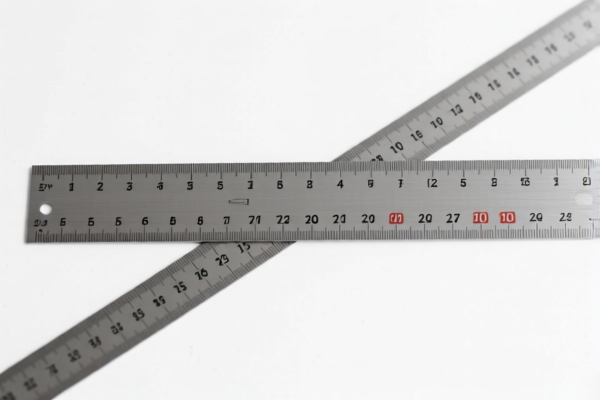
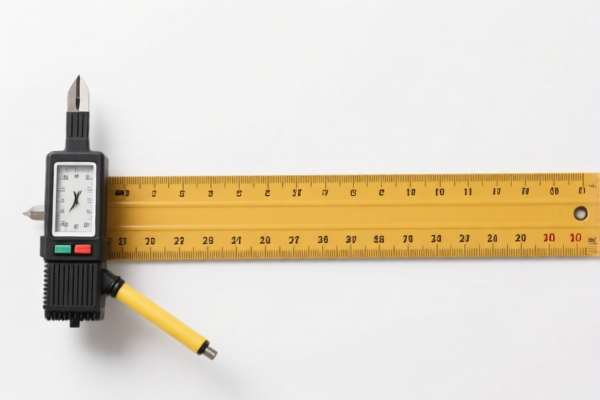
AI Analysis
📏 Positioning Ruler (Drafting Instruments & Input Devices)
🌐 HS Code Reference & Customs Clearance Guide | 2024/2025 Tariff Analysis | Professional Clearance Strategy
📌 I. Product Definition & Classification: What is a "Positioning Ruler"?
A "Positioning Ruler" is a broad term that generally falls under two distinct categories in international trade, depending on its mechanism and function:
- Mechanical Drafting Instruments: Traditional tools used for precise manual drawing, marking, or geometric construction (e.g., T-squares, parallel rulers, drafting machines). These are non-electronic.
- Digital Input Devices: Electronic devices that convert physical movements into digital coordinates for computers (e.g., digitizers, graphic tablets, touch screens). These are electronic.
⚠️ Critical Distinction Point:
- If it is a physical tool (metal/plastic) used by hand to draw lines or measure angles → It is a Drafting Instrument (9017.10or9017.20).
- If it is an electronic device that transmits position data to a computer processor → It is an Input Device (9017.20.80.40).
- Do not confuse with measuring tapes or calipers (9017.20general), as "positioning" implies drafting or digital input, not just linear measurement.
📦 II. HS Code Classification Details (Based on Provided Data)
Based on the specific data provided in your request, the "Positioning Ruler" can be classified into two primary HS Codes depending on its type:
| HS Code | Product Description | Application Scenario | Electronic? |
|---|---|---|---|
9017.10.40.00 |
Drafting tables and machines, whether or not automatic: Plotters | Mechanical drafting machines, automatic plotters, large-format manual drafting tables used for engineering/architecture. | ❌ No (Mechanical/Automated) |
9017.20.80.40 |
Other drawing, marking-out or mathematical calculating instruments: Other Hand operated input devices which transmit position data to computer processors or displays (digitizers) | Electronic digitizers, graphic tablets, stylus-based positioning tools that connect to computers. | ✅ Yes (Electronic) |
🔍 Key Reminder:
- If your "Positioning Ruler" is a digital tablet where you draw with a pen and the lines appear on a screen, it must be classified under9017.20.80.40.
- If it is a physical ruler/straightedge part of a drafting machine or a standalone plotting device, it may fall under9017.10.40.00(if it’s a machine/plotter component) or potentially other 9017 subheadings. However, based strictly on the provided data, only the Plotter/Drafting Machine and Digitizer codes are available.
💰 III. 2024/2025 Latest Tariff Rate Details (US Market)
✅ Applicable Country: United States (US)
✅ Country of Origin: China (CN)
✅ Effective Date: Current trade policies (Section 301 & IEEPA provisions)
🎯 1. 9017.10.40.00 —— Drafting Tables and Machines (Plotters)
| Item | Content |
|---|---|
| Base Tariff Rate | 0.0% (Most Favored Nation / MFN Rate) |
| Additional Tariff (Section 301) | +25.0% |
| Total Effective Tariff | 25.0% |
| Tax Calculation | CIF Value × 25% |
| De Minimis Eligibility | ❌ Not Eligible (Denied for Section 301 goods) |
| Legal Basis | USITC:9017.10.40.00 → Section 301: Footnote 9903.88.01 |
📌 Explanation:
- "Drafting tables and machines" are specifically excluded from general duty-free treatment under Section 301.
- Even though the base rate is 0%, the 25% additional tariff applies fully.
- Total Cost Impact: High. Ensure your pricing model accounts for this full 25% burden.
🎯 2. 9017.20.80.40 —— Hand Operated Input Devices (Digitizers)
| Item | Content |
|---|---|
| Base Tariff Rate | 4.6% (MFN Rate) |
| Additional Tariff (Section 301) | +25.0% |
| Total Effective Tariff | 29.6% |
| Tax Calculation | CIF Value × 29.6% |
| De Minimis Eligibility | ❌ Not Eligible (Denied for Section 301 goods) |
| Legal Basis | USITC:9017.20.80.40 → Section 301: Footnote 9903.88.01 |
📌 Explanation:
- Electronic digitizers and graphic tablets are considered Chinese-origin technology products subject to Section 301.
- The base duty of 4.6% is low, but the 25% penalty pushes the total to nearly 30%.
- Note: This code specifically covers "Hand operated input devices which transmit position data." If your device is a simple non-electronic ruler, this code does not apply.
🛠️ IV. Customs Clearance Practical Advice (Avoid Pitfalls)
✅ 1. Documentation Checklist (Essential)
| Document | Required? | Notes |
|---|---|---|
| ✅ Product Specification Sheet | ✔️ | Must clearly state: Electronic vs. Mechanical. For digitizers, include interface type (USB, Bluetooth). |
| ✅ Photos of Product | ✔️ | Show the device in use. If electronic, show the connection to a PC. |
| ✅ Commercial Invoice | ✔️ | Description must match HS Code. - For 9017.10.40.00: "Automated Plotting Machine" - For 9017.20.80.40: "Digital Graphic Tablet / Digitizer Input Device" |
| ✅ Country of Origin Certificate | ✔️ | Crucial for Section 301 determination. |
✅ 2. Declaration Tips (Key Mnemonic)
🔥 "Electronics are Digitizers, Mechanics are Plotters"
| Scenario | Correct HS Code | Wrong Code (Risk) |
|---|---|---|
| Digital Tablet (draws on screen) | 9017.20.80.40 |
9017.10.40.00 (Mechanical) → Misclassification |
| Mechanical Drafting Machine | 9017.10.40.00 |
9017.20.80.40 (Electronic) → Misclassification |
| Simple Plastic Ruler | Not in provided data (Likely 9017.20.80.90 or similar) |
Do not use 9017.20.80.40 unless it transmits data to a computer. |
⚠️ Critical Warning:
- If you declare a simple plastic ruler as a Digitizer (9017.20.80.40), customs will reject it because it does not "transmit position data."
- If you declare a tablet as a Plotter (9017.10.40.00), it may be rejected because plotters are typically mechanical drawing machines, not input devices.
✅ 3. Special Cases
| Case | Handling Advice |
|---|---|
| Combined Package (Tablet + Stylus + Case) | Declare as one unit under 9017.20.80.40. Do not split the stylus into a separate line item if it’s accessory. |
| OEM Custom Devices | Provide the customer’s design specs. If it’s a custom digitizer, still use 9017.20.80.40. |
| Software Bundled | If software is pre-loaded, it is dutiable as part of the hardware under 9017.20.80.40. No separate software exemption. |
🌍 V. Global Market Comparison (2024/2025)
| Market | Recommended HS Code | Base Tariff | Additional Tax | Total Rate | Notes |
|---|---|---|---|---|---|
| 🇺🇸 USA | 9017.10.40.00 |
0.0% | +25% | 25.0% | High tax for mechanical drafting machines. |
| 🇺🇸 USA | 9017.20.80.40 |
4.6% | +25% | 29.6% | High tax for digital digitizers. |
| 🇪🇺 EU | 9017.10 / 9017.20 |
Varies (0-6%) | None | 0-6% | No Section 301-style penalties. |
| 🇨🇳 China | 9017.10 / 9017.20 |
0-6% | None | 0-6% | Low import duty for China. |
📌 Conclusion:
- The US market has significantly higher tariffs due to Section 301 duties.
- Digitizers (9017.20.80.40) are taxed at 29.6%, making them more expensive to import into the US than mechanical plotters (25.0%).
- Plan your pricing strategy accordingly: Digitizers carry a higher tax burden.
📌 VI. Common Errors & Pitfalls (Lessons Learned)
❌ Error 1: Declaring an electronic tablet as a simple ruler (9017.20.80.90) to avoid taxes.
👉 Consequence: Customs inspection reveals electronic components → Heavy fines + Retroactive 29.6% tax.
❌ Error 2: Declaring a mechanical drafting table as a digitizer.
👉 Consequence: Misclassification → Delays + Potential 25% tax difference (though base is 0%, the penalty structure differs).
❌ Error 3: Ignoring the "Position Data" requirement.
👉 Consequence: If the device does not connect to a computer to send coordinates, it cannot be 9017.20.80.40. It must be classified under general drafting instruments.
✅ Correct Practice:
"Digital Tablet, USB-C, 8192 Pressure Levels, for Computer Graphic Design" →
9017.20.80.40
"Automatic Plotting Machine, A0 Size, Mechanical Drive" →9017.10.40.00
🎯 VII. Conclusion: Professional Declaration, Cost Control!
🎯 Remember the Mnemonic:
🔹 "Digitizers Transmit, Plotters Draw"
🔹 "Electronics 29.6%, Mechanics 25.0%"
🔹 "US Section 301 Applies to Both!"
📌 Tips:
- If you are exporting simple rulers (non-electronic, non-drawing-machine), they are NOT covered by the two HS Codes above. They likely fall under 9017.20.80.90 or similar, with different tax rates.
- Always verify if your "Positioning Ruler" has electronic components. If yes, it is a Digitizer (9017.20.80.40). If it is a machine that plots lines, it is a Plotter (9017.10.40.00).
📣 Immediate Action:
📞 Contact Customs Broker with product photos + specs.
🚀 Apply for Advance Ruling if unsure about electronic vs. mechanical classification.
💼 Accurate Classification Saves Money!
✨ Professional Clearance Starts with Precise Classification!
💼 Your Cost, Perfectly Calculated!
Customer Reviews
About HS Code Classification
The Harmonized System (HS) is an internationally standardized nomenclature developed by the World Customs Organization (WCO) to classify traded products. Over 200 countries use the HS system as the basis for customs tariffs, trade statistics, and import/export regulations.
Each HS code follows a hierarchical structure:
- Chapter (2 digits) — Broad category of goods (e.g., Chapter 84: Machinery and Mechanical Appliances)
- Heading (4 digits) — More specific grouping within the chapter
- Subheading (6 digits) — Internationally standardized breakdown, used by all WCO member countries
- National subdivisions (8-10 digits) — Country-specific extensions for further classification, such as US HTSUS 10-digit codes
Correct HS code classification is essential for smooth customs clearance, accurate duty payment, and compliance with trade regulations. Misclassification can lead to customs delays, overpayment of duties, or penalties.
When importing from CN to US, the applicable tariff rates may include:
- Most-Favored-Nation (MFN) rate — The standard duty rate applied to WTO members
- General rate — Applied to countries without trade agreements
- Trade remedy duties — Additional tariffs such as Section 301 (anti-dumping), Section 232 (national security), or countervailing duties
The information provided on this page is for reference purposes only. For official classification, please consult with your local customs authority or a licensed customs broker.