pressure record weight
CN → US| HS Code | Tariff Rate | Origin | Destination | Doc |
|---|---|---|---|---|
| 9026204000 | 35.0% | CN | US | Official Doc |
| 9026208000 | 17.5% | CN | US | Official Doc |
| 8423810010 | 35.0% | CN | US | Official Doc |
| 8423810020 | 35.0% | CN | US | Official Doc |
Product Images
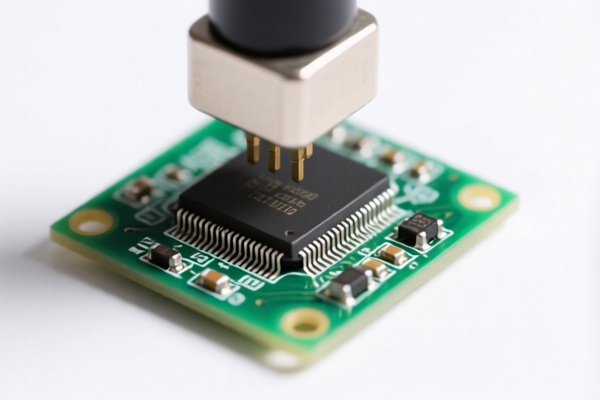
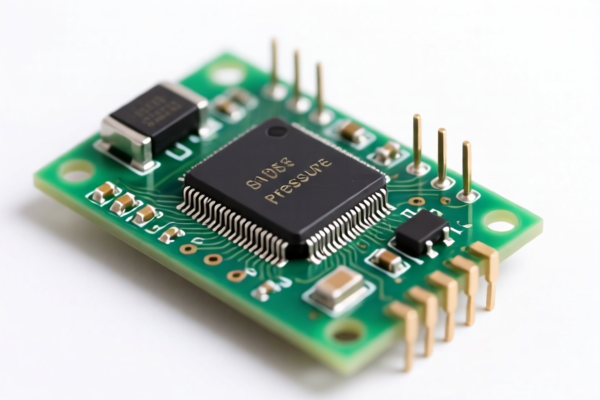
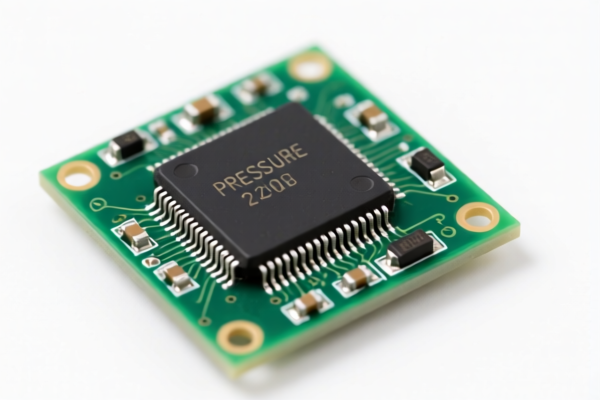
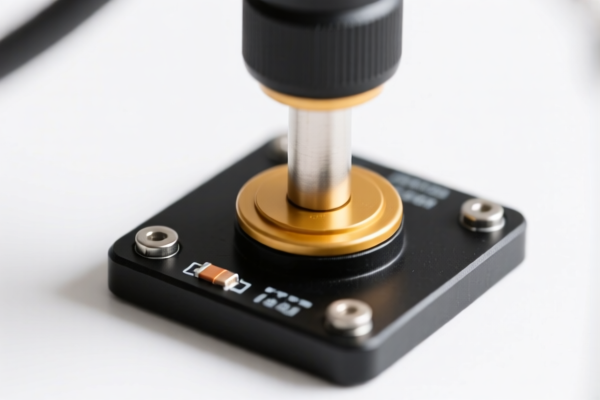
AI Analysis
⚖️ Pressure Record Weight (Dual-Function Instrument: Weighing + Pressure Measurement)
🌐 HS Code Reference & Customs Clearance Guide | 2026 Latest Tariff Analysis | Professional Clearance Strategy
📌 I. Product Definition & Classification: Do You Understand "Pressure Record Weight"?
The term "Pressure Record Weight" is not a standard customs description but rather a functional description of a device that likely combines weighing machinery and pressure measurement instruments. In international trade, such a hybrid device must be classified based on its principal function or essential character under the Harmonized System (HS) classification rules.
However, based on the provided data, we have four distinct HS codes related to Weighing Machinery and Pressure Measurement Instruments. It is crucial to distinguish between these two categories because they have different tax rates and regulatory requirements.
⚠️ Key Distinction Point:
- If the device’s primary function is weighing (e.g., counting scales, retail scales) with a capacity ≤30kg, it falls under HS 8423.81.
- If the device’s primary function is measuring pressure (e.g., electrical pressure gauges/transmitters), it falls under HS 9026.20.
- "Record" may imply data logging capabilities, but unless it includes full computing/processing hardware for data analysis, it may still be classified as a simple measuring instrument.
📦 II. HS Code Classification Details (2026 Latest Tariff Authority Comparison)
Based on the provided <DATA>, here are the four possible HS codes depending on the device's specific design and primary function:
| HS Code | Product Description | Key Features | Max Weighing Capacity | Tax Rate |
|---|---|---|---|---|
8423.81.00.10 |
Digital Electronic Counting Scales | Weighing machinery for counting items; digital electronic type | ≤ 30 kg | 25.0% |
8423.81.00.20 |
Digital Electronic Retail Scales | Weighing machinery for retail transactions; non-computing; digital electronic | ≤ 30 kg | 25.0% |
9026.20.40.00 |
Electrical Pressure Measurement Instruments | Instruments for measuring/checking pressure; electrical type | N/A | 25.0% |
9026.20.80.00 |
Other Pressure Measurement Instruments | Instruments for measuring/checking pressure; non-electrical or other types | N/A | 7.5% |
🔍 Critical Clarification:
- "Pressure Record Weight" is ambiguous. If it is a scale that also records weight data (counting/retail), use 8423.81.
- If it is a pressure gauge that records pressure data, use 9026.20.
- Hybrid Devices: If the device performs both weighing and pressure measurement as independent functions, customs may classify it based on the principal purpose. If unclear, consult a customs broker for a Binding Tariff Information (BTI) or Advance Ruling.
💰 III. 2026 Latest Tariff Rate Details (Including Additional Taxes)
✅ Applicable Country: United States (US)
✅ Origin: China (CN)
✅ Effective Date: From November 10, 2025 onwards
🎯 1. HS 8423.81.00.10 – Digital Electronic Counting Scales
| Item | Detail |
|---|---|
| Base Tariff | 0.0% |
| Section 301 Additional Tariff | +25.0% |
| Total Tax Rate | 25.0% |
| Tax Calculation | CIF Value × 25% |
| De Minimis Exemption | ❌ Not Available |
| Legal Basis | USITC Heading 8423.81.00.10 + Section 301 List 4A |
📌 Explanation:
- Weighing machinery ≤30kg is subject to a 25% additional tariff under Section 301.
- Base rate is 0%, so the total duty is 25%.
🎯 2. HS 8423.81.00.20 – Digital Electronic Retail Scales
| Item | Detail |
|---|---|
| Base Tariff | 0.0% |
| Section 301 Additional Tariff | +25.0% |
| Total Tax Rate | 25.0% |
| Tax Calculation | CIF Value × 25% |
| De Minimis Exemption | ❌ Not Available |
| Legal Basis | USITC Heading 8423.81.00.20 + Section 301 List 4A |
📌 Note:
- Same tax treatment as counting scales.
- Applies to non-computing retail scales (i.e., no advanced POS integration).
🎯 3. HS 9026.20.40.00 – Electrical Pressure Measurement Instruments
| Item | Detail |
|---|---|
| Base Tariff | 0.0% |
| Section 301 Additional Tariff | +25.0% |
| Total Tax Rate | 25.0% |
| Tax Calculation | CIF Value × 25% |
| De Minimis Exemption | ❌ Not Available |
| Legal Basis | USITC Heading 9026.20.40.00 + Section 301 List 4A |
📌 Important:
- Electrical pressure sensors/gauges are also subject to the 25% additional tariff.
- Do not confuse with "other" pressure instruments (HS 9026.20.80.00), which have a lower rate.
🎯 4. HS 9026.20.80.00 – Other Pressure Measurement Instruments
| Item | Detail |
|---|---|
| Base Tariff | 0.0% |
| Section 301 Additional Tariff | +7.5% |
| Total Tax Rate | 7.5% |
| Tax Calculation | CIF Value × 7.5% |
| De Minimis Exemption | ❌ Not Available |
| Legal Basis | USITC Heading 9026.20.80.00 + Section 301 List 4B |
📌 Key Difference:
- This code applies to non-electrical or other pressure measuring devices.
- If your "Pressure Record Weight" device uses electrical signals for pressure measurement, it does not qualify for this lower rate. It must be classified under 9026.20.40.00 (25% tax).
🛠️ IV. Customs Clearance Practical Advice (Avoiding Pitfalls)
✅ 1. Preparation Checklist (All Required)
| Document | Required | Purpose |
|---|---|---|
| Product Specification Sheet | ✔️ | Must clearly state: Primary function (weighing vs. pressure measurement), capacity, measurement range, output type (electrical/analog) |
| Technical Drawings / Schematics | ✔️ | To prove whether pressure measurement is electrical or not |
| Product Photos (Clear & Detailed) | ✔️ | Show display, buttons, ports, labels (e.g., "Pressure Sensor" or "Counting Scale") |
| Commercial Invoice | ✔️ | Describe accurately: "Digital Counting Scale, 30kg Max, Model XYZ" or "Electrical Pressure Transmitter, 0-100 PSI, Model ABC" |
| Packing List | ✔️ | Ensure unit of measurement and quantity match invoice |
| Certifications (if applicable) | ✔️ | CE, FCC, NIST calibration (if required for weighing accuracy) |
✅ 2. Classification Strategy (Golden Rules)
🔥 "Identify the Main Function First!"
| Scenario | Correct HS Code | Tax Rate | Mistake to Avoid |
|---|---|---|---|
| Device is primarily a scale that counts items | 8423.81.00.10 |
25% | Misclassifying as pressure instrument → 7.5% → Customs Audit & Penalties |
| Device is primarily a scale for retail use | 8423.81.00.20 |
25% | Misclassifying as pressure instrument → 7.5% → Customs Audit & Penalties |
| Device is primarily an electrical pressure gauge | 9026.20.40.00 |
25% | Misclassifying as "other" pressure instrument → 7.5% → Customs Audit & Penalties |
| Device is primarily a non-electrical pressure gauge | 9026.20.80.00 |
7.5% | Rare for modern "digital" devices; ensure it’s truly non-electrical |
📌 Critical Warning:
- "Record" does not automatically mean "computing." If it just stores data internally without processing for POS/inventory systems, it may still be a simple measuring instrument.
- If the device combines both functions equally, seek a customs ruling before shipment.
✅ 3. Special Cases
| Case | Advice |
|---|---|
| Hybrid Device (Scale + Pressure Sensor) | Declare based on principal purpose. If selling to retail, classify as scale. If for industrial process control, classify as pressure instrument. |
| Digital Display with Both Functions | Provide a block diagram showing data flow. Which function drives the main operation? |
| Calibration Certificates | For weighing scales (8423), provide NIST-traceable calibration if required by end-user. For pressure instruments (9026), provide calibration certificates for accuracy claims. |
| FCC/CE Compliance | If the device has electrical components, it may require FCC certification (US) or CE marking (EU) for electromagnetic compatibility. |
🌍 V. Global Market Comparison (2026)
| Country/Region | Recommended HS Code (Based on Function) | Tariff Rate | Certification | Notes |
|---|---|---|---|---|
| 🇺🇸 United States | 8423.81.00.10 / 8423.81.00.20 / 9026.20.40.00 |
25% | FCC / NIST | High tariff due to Section 301 |
| 🇺🇸 United States | 9026.20.80.00 |
7.5% | FCC | Only for non-electrical pressure instruments |
| 🇨🇳 China | 8423.81 / 9026.20 |
0%~5% | CCC | Lower taxes; no Section 301 |
| 🇪🇺 EU | 8423.81 / 9026.20 |
0% | CE / RoHS | No additional tariffs; CE mandatory |
| 🇬🇧 UK | 8423.81 / 9026.20 |
0%~5% | UKCA | Post-Brexit standards apply |
📌 Conclusion:
- US Market: Expect 25% duty for most digital/electrical versions of these instruments.
- Alternative Markets: EU and China offer lower duties but require local certifications (CE/CCC).
📌 VI. Common Mistakes & Pitfalls (Lessons Learned)
❌ Mistake 1: Calling the product "Pressure Record Weight" on the invoice
👉 Result: Customs cannot classify it → Delay, Inspection, Potential Rejection
✅ Solution: Use standard HS descriptions: "Digital Counting Scale, 30kg" or "Electrical Pressure Transmitter"
❌ Mistake 2: Classifying an electrical pressure gauge under 9026.20.80.00 (7.5%)
👉 Result: Customs reclassifies to 9026.20.40.00 (25%) → Back Taxes + Penalties
✅ Solution: Confirm if the output is electrical (voltage/current signal). If yes, use 9026.20.40.00.
❌ Mistake 3: Ignoring the "30kg" limit for weighing scales
👉 Result: If capacity >30kg, HS code changes to 8423.82 or 8423.89 → Different Tax Rate & Regulations
✅ Solution: Verify max capacity. If >30kg, update HS code and tariff calculation.
🎯 VII. Conclusion: Precision in Classification Saves Money!
🎯 Remember the Key Takeaways:
🔹 "Weighing ≤30kg = 8423.81 = 25% Tax"
🔹 "Electrical Pressure = 9026.20.40 = 25% Tax"
🔹 "Non-Electrical Pressure = 9026.20.80 = 7.5% Tax"
🔹 "Hybrid? Define Principal Function!"
📌 Pro Tip:
- For US imports, budget for a 25% duty on most digital/electrical versions of these instruments.
- For cost optimization, consider if the device can be classified under 9026.20.80.00 (7.5%) by using non-electrical pressure sensing mechanisms (if technically feasible).
- Always request a Pre-Shipment Customs Ruling from US CBP if the product is hybrid.
📣 Take Action Now:
📞 Contact your customs broker with product specs
📄 Submit HS Code pre-filing if possible
🚀 Ensure smooth clearance, avoid penalties, and maximize profit margins!
✨ Professional Classification, Predictable Costs, Hassle-Free Clearance!
💼 Your product’s true nature dictates its tax fate. Know it, declare it, save it!
Customer Reviews
About HS Code Classification
The Harmonized System (HS) is an internationally standardized nomenclature developed by the World Customs Organization (WCO) to classify traded products. Over 200 countries use the HS system as the basis for customs tariffs, trade statistics, and import/export regulations.
Each HS code follows a hierarchical structure:
- Chapter (2 digits) — Broad category of goods (e.g., Chapter 84: Machinery and Mechanical Appliances)
- Heading (4 digits) — More specific grouping within the chapter
- Subheading (6 digits) — Internationally standardized breakdown, used by all WCO member countries
- National subdivisions (8-10 digits) — Country-specific extensions for further classification, such as US HTSUS 10-digit codes
Correct HS code classification is essential for smooth customs clearance, accurate duty payment, and compliance with trade regulations. Misclassification can lead to customs delays, overpayment of duties, or penalties.
When importing from CN to US, the applicable tariff rates may include:
- Most-Favored-Nation (MFN) rate — The standard duty rate applied to WTO members
- General rate — Applied to countries without trade agreements
- Trade remedy duties — Additional tariffs such as Section 301 (anti-dumping), Section 232 (national security), or countervailing duties
The information provided on this page is for reference purposes only. For official classification, please consult with your local customs authority or a licensed customs broker.