printed matter other
CN → US| HS Code | Tariff Rate | Origin | Destination | Doc |
|---|---|---|---|---|
| 4911998000 | 17.5% | CN | US | Official Doc |
| 4911996000 | 17.5% | CN | US | Official Doc |
Product Images
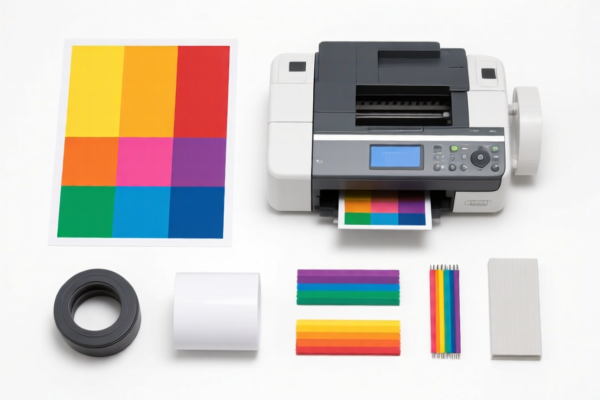
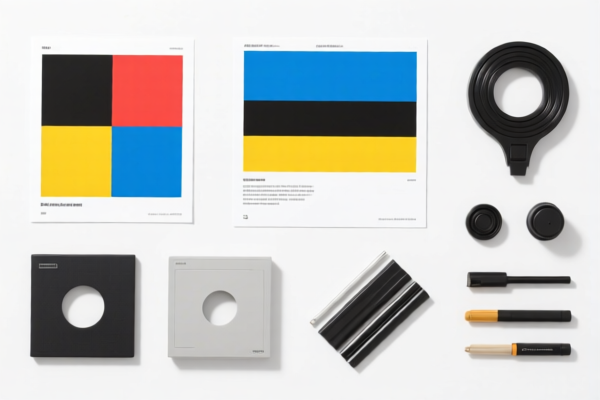
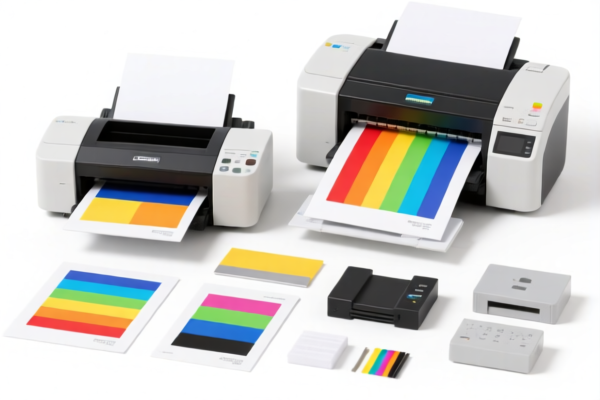
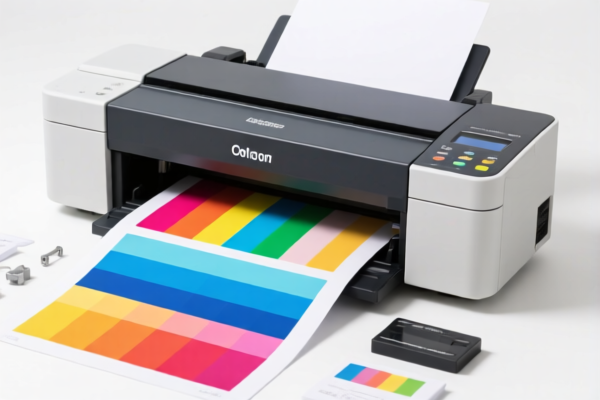
AI Analysis
📄 "Other Printed Matter" (Printed Pictures, Photographs & Lithographic Prints)
🌐 HS Code Reference & Customs Clearance Guide | 2026 Latest Tariff Analysis | Professional-Level Clearance Strategy
📌 I. Product Definition & Classification: Do You Really Understand "Other Printed Matter"?
"Other printed matter" refers to printed items that do not fall under specific categories like books, newspapers, maps, or architectural plans. This category primarily includes printed pictures, photographs, and other miscellaneous printed materials. In international trade, the distinction often hinges on the printing method and the specific content nature.
Key Distinction Criteria: * General "Other" Printed Matter: Includes various printed items not specified elsewhere (e.g., religious texts, posters, playing cards, etc., depending on specific national definitions). * Lithographic Process Prints: Specifically refers to items printed entirely or partly by a lithographic process (planographic printing). This is a critical sub-category for tariff purposes.
⚠️ Critical Classification Point:
- If the item is a generic "other printed matter" (e.g., a specialized brochure, religious pamphlet, or unclassified visual print) → 4911.99.80.00
- If the item is explicitly printed by a lithographic process → 4911.99.60.00
- Note: The method of production determines the HS code here, not just the content.
📦 II. HS Code Classification Details (2026 Latest Tariff Authority Comparison)
| HS Code | Product Description | Applicable Scenarios | Printing Method |
|---|---|---|---|
4911.99.80.00 |
Other printed matter, including printed pictures and photographs: Other: Other: Other: Other | Generic printed items, specialized visual materials, unclassified prints, religious pictures, playing cards (if not elsewhere specified) | Any method (offset, digital, etc.), but not specified as lithographic |
4911.99.60.00 |
Other printed matter, including printed pictures and photographs: Other: Other: Other: Printed on paper in whole or in part by a lithographic process | Mass-produced photographic prints, lithographic posters, high-quality art prints, commercial lithographic materials | Lithographic Process (Planographic) |
🔍 Key Reminder:
- Do not confuse with Books (4901-4906): If it has a binding and is >5 pages, it might be a book. "Other printed matter" is typically leaflets, single-page prints, or specific visual materials. - Do not confuse with Photographs (3703-3707): Unexposed photographic film/paper belongs to Chapter 37. Printed photographs on paper fall under Chapter 49. - Lithography Matters: If your supplier confirms the use of lithography (stone or plate-based planographic printing), you must use4911.99.60.00. Otherwise, use4911.99.80.00.
💰 III. 2026 Latest Tariff Rate Details (Including Surcharges)
✅ Applicable Country: United States (US)
✅ Country of Origin: China (CN)
✅ Effective Time: 2025/2026 Current Rates
🎯 1. 4911.99.80.00 — Other Printed Matter (General)
| Item | Content |
|---|---|
| Base Tariff Rate | 0.0% (Ad Valorem) |
| Section 301 Surcharge | +7.5% (List 4A / General Addition) |
| Total Tariff Rate | 7.5% |
| Tax Calculation | CIF Value × 7.5% |
| De Minimis Eligibility | ❌ No (Standard commercial shipment rules apply) |
| Legal Basis Path | HTSUS:4911.99.80 → Section 301: 7.5% |
📌 Explanation:
- The base MFN (Most Favored Nation) tariff for general other printed matter is 0%. - However, due to Section 301 trade measures against China, an additional 7.5% tariff is applied. - Total Duty = 7.5%. This is relatively low compared to electronics or machinery, but still impacts margin.
🎯 2. 4911.99.60.00 — Printed Matter (Lithographic Process)
| Item | Content |
|---|---|
| Base Tariff Rate | 0.0% (Ad Valorem) |
| Section 301 Surcharge | +7.5% (List 4A / General Addition) |
| Total Tariff Rate | 7.5% |
| Tax Calculation | CIF Value × 7.5% |
| De Minimis Eligibility | ❌ No (Standard commercial shipment rules apply) |
| Legal Basis Path | HTSUS:4911.99.60 → Section 301: 7.5% |
📌 Note:
- Although the HS codes are different, the tariff rate is identical in this context. - Whether it is lithographic or general "other," the 7.5% surcharge applies equally. - Accuracy in HS Code is still critical for customs compliance, even if the duty rate is the same. Misclassification can lead to delays or audits.
🛠️ IV. Customs Clearance Practical Advice (Real-World Pitfall Guide)
✅ 1. Required Documentation Checklist (All Are Mandatory)
| Document | Must Provide | Description |
|---|---|---|
| ✅ Commercial Invoice | ✔️ | Must clearly describe the item as "Printed Matter" or "Printed Pictures." |
| ✅ Detailed Product Description | ✔️ | Include: Size, quantity, content type (e.g., "Religious Pictures," "Commercial Posters"), and printing method (if known). |
| ✅ Packing List | ✔️ | Show weight and dimensions. Ensure no prohibited content (e.g., politically sensitive materials). |
| ✅ Proof of Printing Method | ✔️ | If claiming 4911.99.60.00, have documentation from the manufacturer confirming lithographic process. |
| ✅ Content Declaration | ✔️ | Ensure no violation of US import restrictions (e.g., obscene materials, prohibited political propaganda). |
✅ 2. Declaration Tips (Key Mantra)
🔥 "Content Clear, Method Specified, No Secrets, No Delays!"
| Scenario | Correct Declaration | Wrong Practice |
|---|---|---|
| General printed brochures/pictures | 4911.99.80.00 + "Other Printed Matter" |
Vague description "Paper goods" → Delay |
| Lithographic art prints/posters | 4911.99.60.00 + "Lithographic Prints" |
Ignoring printing method → Potential audit |
| Religious pamphlets | 4911.99.80.00 |
Failing to specify content → Customs suspicion |
| Books (Binding + Text) | Wrong Code! Use 4901-4906 | Declaring as "Printed Matter" → Misclassification |
✅ 3. Special Handling Cases
| Case | Handling Advice |
|---|---|
| Religious Materials | Ensure content complies with US laws. Do not declare as "other" if it falls under specific religious text categories. |
| Photographs (Printed) | Must declare as "Printed Photographs." Do not confuse with unexposed film (Chapter 37). |
| Custom-Printed Promotional Items | Ensure the "printed matter" description is prominent. Avoid declaring as "merchandise" without specifying print. |
| Small Samples (De Minimis) | If value < $800, may enter under Section 321 (k) without duty, but still requires proper HS Code declaration. |
🌍 V. Global Market Comparison (2026 Latest)
| Country/Region | Recommended HS Code | Tariff Rate | Notes |
|---|---|---|---|
| 🇺🇸 USA | 4911.99.80.00 / 4911.99.60.00 |
7.5% (China Origin) | Base 0% + 7.5% Sec 301 |
| 🇨🇳 China | 4911.99.80.00 / 4911.99.60.00 |
0% | Zero-rated for import into China |
| 🇪🇺 EU | 4911.99.90 (Similar) |
0% | Generally 0% for most printed matter |
| 🇬🇧 UK | 4911.99.90 |
0% | Post-Brexit tariff remains low |
| 🇦🇺 Australia | 4911.99.90 |
5% | GST applicable on top |
📌 Conclusion:
- USA is the only major market with a specific additional tariff (7.5%) for Chinese-origin printed matter. - EU and UK generally have 0% duty for these goods. - China Origin is the key factor for the 7.5% rate. If printed in Vietnam or Mexico, different rates may apply.
📌 VI. Common Mistakes & Pitfalls (Blood and Tears Lessons)
❌ Mistake 1: Declaring "Books" as "Other Printed Matter"
👉 Consequence: Customs may reclassify as Books (4901), leading to different duty rates or restrictions.
👉 Rule: Books >5 pages + binding = Book Code.
❌ Mistake 2: Ignoring the Printing Method for 4911.99.60.00
👉 Consequence: While the rate is the same, incorrect HS code can trigger a customs audit for misclassification.
👉 Rule: Be precise. If it’s lithographic, say so.
❌ Mistake 3: Vague Description "Paper Goods"
👉 Consequence: High risk of delay, inspection, or rejection.
👉 Rule: Use specific terms: "Printed Photographs," "Lithographic Posters," etc.
❌ Mistake 4: Assuming De Minimis Exemption Applies Automatically
👉 Consequence: Even if value is < $800, proper HS Code and description are still required.
👉 Rule: Always declare accurately, regardless of value.
✅ Correct Practice:
"1000 Units of Lithographic Print Posters, 24x36 inches, Art Design, Printed on Paper, Model XYZ"
HS Code:4911.99.60.00
Rate: 7.5%
🎯 VII. Conclusion: Precision in Classification, Efficiency in Clearance!
🎯 Remember the Mantra:
🔹 "General Other: 4911.99.80 | Litho Print: 4911.99.60"
🔹 "Base 0%, US Surcharge 7.5% Total 7.5%"
🔹 "Describe Content, Specify Method, Avoid Delays!"
📌 Pro Tip:
If your printed matter is high-volume or high-value, consider applying for a Binding Ruling from US Customs and Border Protection (CBP) to confirm the HS Code classification in advance. This provides legal certainty and avoids post-entry audits.
📣 Immediate Action:
📞 Consult with a licensed customs broker.
📄 Provide product samples and printing method details.
🚀 Ensure your Commercial Invoice matches the HS Code description exactly.
✨ Professional Clearance Starts with Accurate Classification!
💼 Every Percent Counts in Global Trade!
Customer Reviews
About HS Code Classification
The Harmonized System (HS) is an internationally standardized nomenclature developed by the World Customs Organization (WCO) to classify traded products. Over 200 countries use the HS system as the basis for customs tariffs, trade statistics, and import/export regulations.
Each HS code follows a hierarchical structure:
- Chapter (2 digits) — Broad category of goods (e.g., Chapter 84: Machinery and Mechanical Appliances)
- Heading (4 digits) — More specific grouping within the chapter
- Subheading (6 digits) — Internationally standardized breakdown, used by all WCO member countries
- National subdivisions (8-10 digits) — Country-specific extensions for further classification, such as US HTSUS 10-digit codes
Correct HS code classification is essential for smooth customs clearance, accurate duty payment, and compliance with trade regulations. Misclassification can lead to customs delays, overpayment of duties, or penalties.
When importing from CN to US, the applicable tariff rates may include:
- Most-Favored-Nation (MFN) rate — The standard duty rate applied to WTO members
- General rate — Applied to countries without trade agreements
- Trade remedy duties — Additional tariffs such as Section 301 (anti-dumping), Section 232 (national security), or countervailing duties
The information provided on this page is for reference purposes only. For official classification, please consult with your local customs authority or a licensed customs broker.