printed pattern fabric
CN → US| HS Code | Tariff Rate | Origin | Destination | Doc |
|---|---|---|---|---|
| 5111905000 | 42.0% | CN | US | Official Doc |
| 5007200035 | 35.0% | CN | US | Official Doc |
| 5208516060 | 46.4% | CN | US | Official Doc |
| 5208524055 | 46.4% | CN | US | Official Doc |
| 5407540020 | 32.4% | CN | US | Official Doc |
Product Images
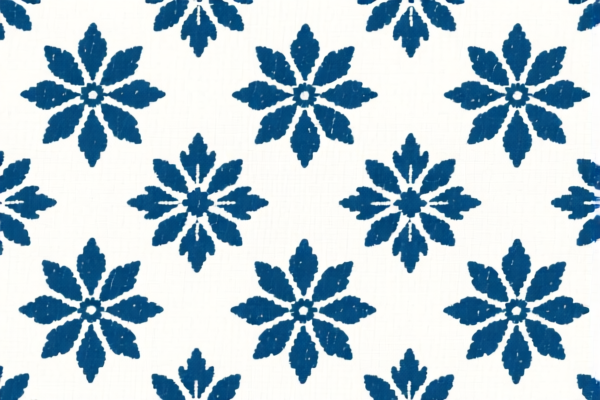
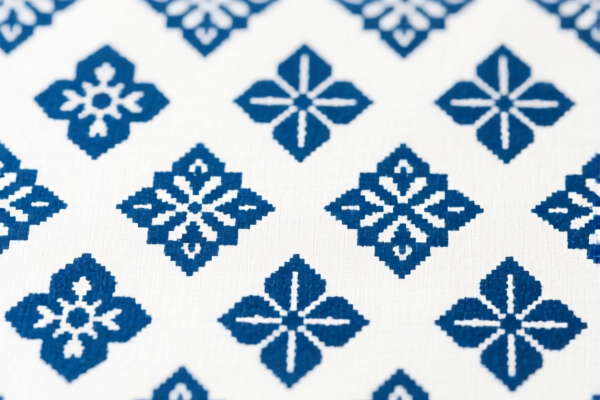
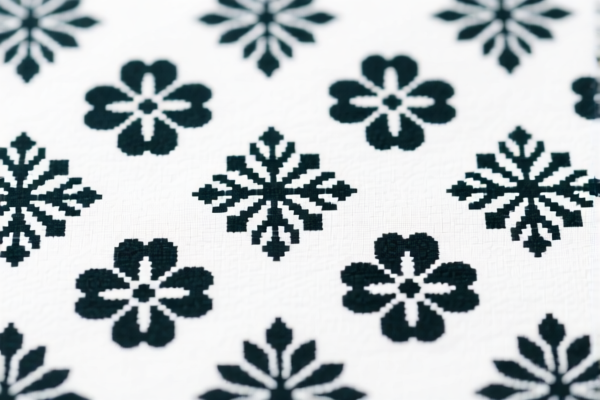
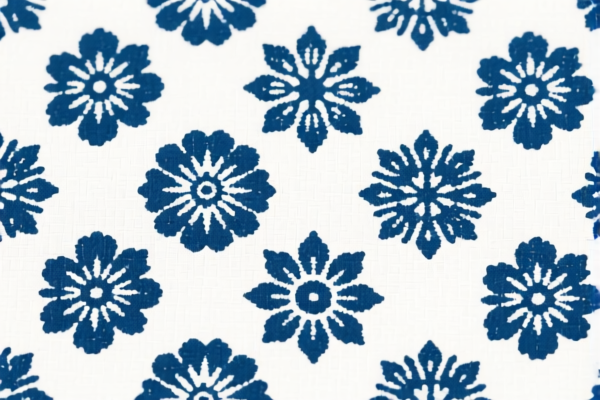
AI Analysis
🧵 Printed Pattern Fabric (Floral/Digital Prints)
🌐 HS Code Reference & Customs Clearance Guide | 2026 Latest Tariff Analysis | Professional Compliance Strategy
📌 I. Product Definition & Classification: Understanding "Printed Fabric"
Printed Pattern Fabric refers to woven textiles featuring floral or digital patterns applied via printing processes. In international trade, classification depends strictly on the fiber content (Wool, Silk, Cotton, Synthetic). Misclassification leads to significant tariff discrepancies and customs delays.
⚠️ Key Distinction:
- Natural Fibers (Wool/Silk/Cotton): Subject to higher base tariffs and heavy US Section 301/IEEPA penalties.
- Synthetic Fibers (Polyester): Lower base tariffs but still subject to significant surcharges.
- All items listed below are subject to US "122 Clauses" and Section 301 tariffs.
📦 II. HS Code Classification Details (2026 Latest Tariff Authority Match)
Based on the provided data, here are the specific HS Codes and their corresponding tax structures. Note that all listed codes apply to US imports from China.
| HS Code | Product Description (Inferred) | Material Type | Total Tax Rate | Key Tax Components |
|---|---|---|---|---|
5111.90.50.00 |
Printed Fabric, Floral Pattern | Wool / Fine Animal Hair | 42.0% | Base: 7% + Sec 301: 25% + Clause 122: 10% |
5007.20.00.35 |
Printed Fabric, Floral Pattern | Silk | 35.0% | Base: 0% + Sec 301: 25% + Clause 122: 10% |
5208.51.60.60 |
Printed Cotton Fabric | Cotton (Weight/Type A) | 46.4% | Base: 11.4% + Sec 301: 25% + Clause 122: 10% |
5208.52.40.55 |
Printed Cotton Fabric | Cotton (Weight/Type B) | 46.4% | Base: 11.4% + Sec 301: 25% + Clause 122: 10% |
5407.54.00.20 |
Printed Synthetic Fabric | Polyester / Synthetic Filament | 32.4% | Base: 14.9% + Sec 301: 7.5% + Clause 122: 10% |
🔍 Critical Insight:
- Cotton fabrics (5208.xx.xx) have the highest total tax rate (46.4%) due to the higher base duty (11.4%).
- Silk (5007.xx.xx) benefits from a 0% base duty but still faces high surcharges.
- Polyester (5407.xx.xx) has the lowest total rate (32.4%), primarily because the Section 301 surcharge is only 7.5% (vs. 25% for naturals) and base duty is 14.9%.
💰 III. 2026 Latest Tariff Rate Breakdown (Including Add-ons & Policy Surcharges)
✅ Applicable Country: United States (US)
✅ Origin: China (CN)
✅ Effective Date: 2025–2026 (Current Trade War Policies)
🎯 1. 5111.90.50.00 – Wool/Fine Animal Hair Woven Fabric, Printed
| Item | Content |
|---|---|
| Base Duty | 7.0% |
| Section 301 Surcharge | +25.0% (USITC Footnote 9903.88.01) |
| Clause 122 Surcharge | +10.0% (New/Specific Policy Add-on) |
| Total Effective Rate | 42.0% |
| Tax Calculation | CIF Value × 42.0% |
| De Minimis Exemption | ❌ Not Eligible (High tax threshold blocks $800 exemption) |
| Legal Path | Base Tariff → Section 301 → Clause 122 |
📌 Explanation:
- Wool fabrics are considered luxury/high-value materials.
- The 25% Section 301 tax is standard for textiles from China.
- Total 42% makes this highly costly for low-margin goods.
🎯 2. 5007.20.00.35 – Silk Woven Fabric, Printed
| Item | Content |
|---|---|
| Base Duty | 0.0% |
| Section 301 Surcharge | +25.0% |
| Clause 122 Surcharge | +10.0% |
| Total Effective Rate | 35.0% |
| Tax Calculation | CIF Value × 35.0% |
| De Minimis Exemption | ❌ Not Eligible |
| Legal Path | Base Tariff → Section 301 → Clause 122 |
📌 Note:
- Silk has a 0% base duty, making it cheaper than wool or cotton before surcharges.
- However, the 35% total is still prohibitive for mass-market retail.
🎯 3 & 4. 5208.51.60.60 / 5208.52.40.55 – Cotton Woven Fabric, Printed
| Item | Content |
|---|---|
| Base Duty | 11.4% |
| Section 301 Surcharge | +25.0% |
| Clause 122 Surcharge | +10.0% |
| Total Effective Rate | 46.4% |
| Tax Calculation | CIF Value × 46.4% |
| De Minimis Exemption | ❌ Not Eligible |
| Legal Path | Base Tariff → Section 301 → Clause 122 |
📌 Warning:
- Cotton is the most taxed category in this dataset.
- The 11.4% base duty is significantly higher than wool or silk.
- 46.4% Total Tax can erase all profit margins for cheap cotton prints.
🎯 5. 5407.54.00.20 – Polyester/Synthetic Filament Fabric, Printed
| Item | Content |
|---|---|
| Base Duty | 14.9% |
| Section 301 Surcharge | +7.5% (Significantly Lower!) |
| Clause 122 Surcharge | +10.0% |
| Total Effective Rate | 32.4% |
| Tax Calculation | CIF Value × 32.4% |
| De Minimis Exemption | ❌ Not Eligible |
| Legal Path | Base Tariff → Section 301 (Low Rate) → Clause 122 |
📌 Strategic Advantage:
- Polyester has the LOWEST total tax (32.4%).
- Why? The Section 301 surcharge for synthetic fibers is only 7.5% (vs. 25% for naturals).
- Recommendation: If quality allows, switch to polyester/synthetic blends to save ~14% in taxes compared to cotton.
🛠️ IV. Customs Clearance Practical Advice (Real-World Pitfall Guide)
✅ 1. Preparation Checklist (Missing Any = Delay)
| Document | Required | Notes |
|---|---|---|
| ✅ Fabric Specification Sheet | ✔️ | Must specify: Fiber Content %, Weight (gsm), Width, Weave Type. |
| ✅ Printed Sample/Photo | ✔️ | Show the "Floral/Pattern" design to confirm it's not embroidered or knitted. |
| ✅ Commercial Invoice | ✔️ | Must clearly state "Printed Woven Fabric" and HS Code. |
| ✅ Bill of Lading | ✔️ | Consistent with invoice. |
| ✅ Origin Certificate | ✔️ | If not China origin, may reduce Section 301 taxes. |
| ✅ Test Report | ✔️ | Optional but recommended for fiber content verification. |
✅ 2. Classification Tips (Key Mantra)
🔥 "Fiber Determines Base, Section 301 Determines Surcharge, Pattern is Secondary!"
| Scenario | Correct HS Code Category | Wrong Practice | Consequence |
|---|---|---|---|
| 100% Cotton Print | 5208.xx or 5209.xx (Depends on Weight) |
Misclassify as Synthetic | 46.4% vs 32.4% → Overpay ~14% |
| Wool Blend Print | 5111.xx |
Misclassify as Cotton | 42.0% vs 46.4% → Overpay ~4.4% |
| Silk Print | 5007.xx |
Misclassify as Cotton | 35.0% vs 46.4% → Overpay ~11.4% |
| Polyester Print | 5407.xx |
Misclassify as Cotton | 32.4% vs 46.4% → Save 14% |
📌 Critical Rule:
- Do NOT misdeclare "Polyester" as "Cotton" to save money; Customs labs will test and fine you.
- Do NOT under-declare fiber content (e.g., saying 50% Cotton when it's 100%).
- Polyester (5407.xx) is the most tax-efficient option due to the lower Section 301 rate (7.5%).
✅ 3. Special Cases & Solutions
| Situation | Advice |
|---|---|
| Small Samples (< $800) | Still risky. Section 301 and Clause 122 often apply even to de minimis if explicitly targeted. Check current CBP enforcement on textiles. |
| Mixed Fabric (Cotton/Poly) | Generally classified by the principal material. If >50% cotton, use 5208. If >50% poly, use 5407. |
| Knitted vs. Woven | These HS Codes are for Woven (50xx, 51xx, 52xx, 54xx). If knitted, codes change (e.g., 60xx), potentially changing tax rates. Verify weave! |
| Origin Shift | If shipped from Vietnam/Mexico, Section 301 (25% or 7.5%) may be waived. Clause 122 may still apply. |
🌍 V. Global Market Comparison (2026)
| Country/Region | Recommended HS Code | Approx. Tariff (China Origin) | Notes |
|---|---|---|---|
| 🇺🇸 USA | 5111/5007/5208/5407 |
32.4% – 46.4% | Includes Section 301 + Clause 122. High barriers. |
| 🇨🇳 China | Same HS Codes | 7% – 14.9% (Import Duty) | No Section 301. Much lower. |
| 🇪🇺 EU | Similar HS Codes | 0% – 12% | No Section 301. May require EPR/Ecodesign. |
| 🇬🇧 UK | Similar HS Codes | 0% – 12% | Post-Brexit tariffs apply. |
| 🇯🇵 Japan | Similar HS Codes | 0% – 10% | No Section 301. |
📌 Conclusion:
- The US market is the most expensive due to layered tariffs (Base + Sec 301 + Clause 122).
- Polyester (5407.xx) is the only "relatively" affordable option at 32.4%.
- Cotton (5208.xx) is the most expensive at 46.4%.
📌 VI. Common Mistakes & Pitfalls (Lessons Learned)
❌ Mistake 1: Declaring "Fabric" without specifying fiber content.
👉 Result: Customs rejects declaration or assigns worst-case rate (often highest base duty).
❌ Mistake 2: Confusing "Printed" with "Embroidered".
👉 Result: Embroidered goods have different HS codes and tax rates. If embroidered, it may not fall under these simple woven fabric codes.
❌ Mistake 3: Ignoring "Clause 122".
👉 Result: Even if you avoid Section 301 (e.g., via third-country transshipment), Clause 122 may still trigger. Always budget for ~10% additional surcharge.
❌ Mistake 4: Assuming "De Minimis" ($800) applies to all small shipments.
👉 Result: CBP has increasingly targeted textile imports under Section 301 and new clauses. Small shipments are not safe.
✅ Correct Approach:
"Printed Woven Fabric, 100% Polyester, 150 GSM, Floral Pattern, Width 150cm, Origin: China"
🎯 VII. Conclusion: Professional Declaration Saves Money
🎯 Key Takeaway:
🔹 "Choose Polyester to Save 14% vs Cotton!"
🔹 "Clause 122 is New: Budget 10% Extra!"
🔹 "Never Guess Fiber Content: Lab Test Required!"
📌 Pro Tip:
If you are importing large volumes, consider tariff engineering (shifting to synthetic blends) or origin diversification (shifting production to Southeast Asia) to mitigate the 25% Section 301 tax.
Always apply for CBP Advance Rulings for complex fabric blends.
📣 Action Plan:
📞 Consult a Customs Broker before shipping.
📄 Get Fiber Content Test Reports.
📊 Calculate Total Landed Cost including 32.4%–46.4% taxes.
🚀 Avoid Surprises: Declare Accurately!
✨ Precision in Classification is Profit in Your Pocket!
💼 Your Fabric’s True Cost Starts with the Right HS Code!
Customer Reviews
About HS Code Classification
The Harmonized System (HS) is an internationally standardized nomenclature developed by the World Customs Organization (WCO) to classify traded products. Over 200 countries use the HS system as the basis for customs tariffs, trade statistics, and import/export regulations.
Each HS code follows a hierarchical structure:
- Chapter (2 digits) — Broad category of goods (e.g., Chapter 84: Machinery and Mechanical Appliances)
- Heading (4 digits) — More specific grouping within the chapter
- Subheading (6 digits) — Internationally standardized breakdown, used by all WCO member countries
- National subdivisions (8-10 digits) — Country-specific extensions for further classification, such as US HTSUS 10-digit codes
Correct HS code classification is essential for smooth customs clearance, accurate duty payment, and compliance with trade regulations. Misclassification can lead to customs delays, overpayment of duties, or penalties.
When importing from CN to US, the applicable tariff rates may include:
- Most-Favored-Nation (MFN) rate — The standard duty rate applied to WTO members
- General rate — Applied to countries without trade agreements
- Trade remedy duties — Additional tariffs such as Section 301 (anti-dumping), Section 232 (national security), or countervailing duties
The information provided on this page is for reference purposes only. For official classification, please consult with your local customs authority or a licensed customs broker.