printed satin fabric dyed
CN → US| HS Code | Tariff Rate | Origin | Destination | Doc |
|---|---|---|---|---|
| 5407922050 | 49.9% | CN | US | Official Doc |
| 5407820040 | 49.9% | CN | US | Official Doc |
| 5407840040 | 49.9% | CN | US | Official Doc |
| 5407942050 | 49.9% | CN | US | Official Doc |
Product Images
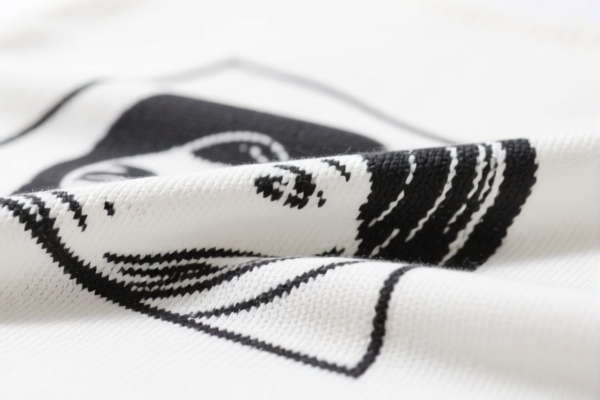
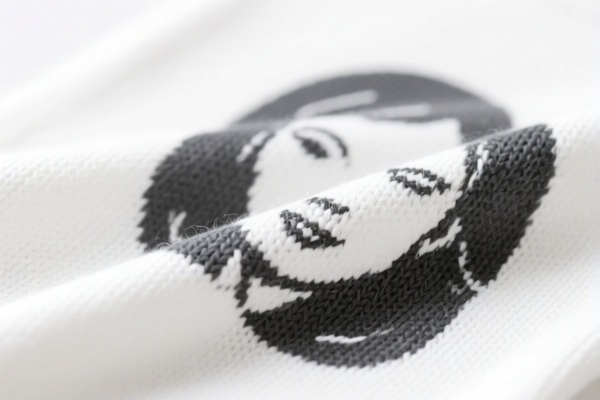
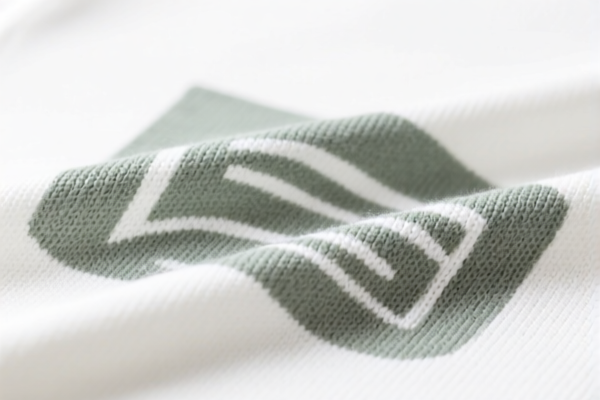

AI Analysis
🧵 Printed Satin Fabric Dyed: The "Silky" Trap | 2026 Customs Clearance Guide
🌐 HS Code Reference & Customs Strategy | 2026 Latest Tariff Analysis | High-Risk Category Alert
📌 I. Product Definition & Classification: Is it Silk or Synthetic?
"Printed satin fabric dyed" is a broad description that covers a wide range of textiles. In international trade, the key to classification is NOT the weave (satin) or the finish (printed/dyed), but the FIBER CONTENT.
Satin is a weave structure, not a fiber. Therefore, it can be made from: * Synthetic Fibers: Polyester, Nylon, Acetate, etc. (Most common for "satin") * Natural Fibers: Silk, Cotton (less common for high-gloss satin, but possible) * Blends: Polyester/Cotton, Silk/Cotton, etc.
⚠️ Critical Distinction Point:
- If made of Synthetic Fibers (e.g., Polyester) → Falls under Chapter 54 (Man-made filaments/stripes).
- If made of Natural Fibers (e.g., Silk) → Falls under Chapter 50 (Silk).
- If made of Cotton → Falls under Chapter 52 (Cotton).
Note: The Data provided below assumes a US Import Context from China, given the specific "Section 301" and "122 Clause" references in the tax details.
📦 II. HS Code Classification Details (Based on Provided Data)
| HS Code | Product Description | Material Inference | Weave/Pattern |
|---|---|---|---|
5407.92.20.50 |
Printed Dyed Satin Fabric | Synthetic Fiber (or related) | Satin Weave |
5407.82.00.40 |
Printed Dyed Satin Fabric | Synthetic Fiber + Cotton Blend | Satin Weave |
5407.84.00.40 |
Printed Satin Home Textile Fabric | Synthetic Fiber + Cotton Blend | Satin Weave |
5407.94.20.50 |
Printed Satin Home Textile Fabric | Synthetic or Natural Fiber | Satin Weave |
🔍 Key Insight:
All listed HS Codes start with 5407, which refers to "Woven fabrics of synthetic filament yarn, including woven fabrics obtained from materials of heading 5404."
This strongly suggests the primary material is Synthetic Filament Yarn (likely Polyester). The "Home Textile" designation in two codes implies end-use (bedding, curtains), while the others are generic fabrics.
💰 III. 2026 Latest Tariff Rate Breakdown (With Surcharges & Policy Add-ons)
✅ Applicable Country: United States (US)
✅ Country of Origin: China (CN)
✅ Effective Time: Current (Includes subsequent imports)
🎯 1. 5407.92.20.50 – Synthetic Satin Fabric
| Item | Content |
|---|---|
| Base Tariff | 14.9% (ad valorem) |
| Section 301 Tariff | +25.0% (USITC Footnote) |
| Section 122 Tariff | +10.0% (Specific China-related measure) |
| Total Tax Rate | 49.9% |
| Tax Calculation | CIF Value × 49.9% |
| De Minimis Eligibility | ❌ NO (High tariff rate exceeds threshold for de minimis exemption in many contexts, especially with Section 301) |
| Legal Path | USITC:5407.92.20.50 → Section 301: +25% → Section 122: +10% |
📌 Explanation:
- "Base Tariff 14.9%": The standard MFN (Most Favored Nation) rate for synthetic woven fabrics.
- "Section 301 Tariff +25%": A punitive tariff imposed on a wide range of Chinese imports under the Trade Act of 1974, Section 301.
- "Section 122 Tariff +10%": A separate statutory authority allowing the President to adjust duties for national economic interest, often applied to specific Chinese goods.
- Total 49.9%: This is an extremely high landed cost burden. It makes Chinese synthetic satin fabrics very uncompetitive in the US market unless absorbed by the supplier.
🎯 2. 5407.82.00.40 – Synthetic/Cotton Blend Satin Fabric
| Item | Content |
|---|---|
| Base Tariff | 14.9% |
| Section 301 Tariff | +25.0% |
| Section 122 Tariff | +10.0% |
| Total Tax Rate | 49.9% |
| Tax Calculation | CIF Value × 49.9% |
| De Minimis Eligibility | ❌ NO |
| Legal Path | USITC:5407.82.00.40 → Section 301: +25% → Section 122: +10% |
📌 Note:
- Blends with cotton do not reduce the tariff burden under current US-China trade policies.
- The "14.9%" base rate applies because the synthetic component dominates or determines the classification.
🎯 3. 5407.84.00.40 – Printed Satin Home Textile (Synthetic/Cotton Blend)
| Item | Content |
|---|---|
| Base Tariff | 14.9% |
| Section 301 Tariff | +25.0% |
| Section 122 Tariff | +10.0% |
| Total Tax Rate | 49.9% |
| Tax Calculation | CIF Value × 49.9% |
| De Minimis Eligibility | ❌ NO |
| Legal Path | USITC:5407.84.00.40 → Section 301: +25% → Section 122: +10% |
📌 Note:
- "Home Textile" implies end-use (e.g., sheets, pillowcases, curtains).
- Despite the specific use, the tariff structure remains identical to generic satin fabrics due to the origin and material.
🎯 4. 5407.94.20.50 – Printed Satin Home Textile (Synthetic or Natural)
| Item | Content |
|---|---|
| Base Tariff | 14.9% |
| Section 301 Tariff | +25.0% |
| Section 122 Tariff | +10.0% |
| Total Tax Rate | 49.9% |
| Tax Calculation | CIF Value × 49.9% |
| De Minimis Eligibility | ❌ NO |
| Legal Path | USITC:5407.94.20.50 → Section 301: +25% → Section 122: +10% |
📌 Note:
- Even if it contains natural fibers, if it is classified under 5407 (synthetic filament dominant), the same tariffs apply.
- If it were pure silk (Chapter 50), tariffs would be different, but the data provided does not include Chapter 50 codes.
🛠️ IV. Customs Clearance Practical Advice (Battle-Tested Pitfall Guide)
✅ 1. Documentation Checklist (Non-Negotiable)
| Document | Required | Explanation |
|---|---|---|
| ✅ Commercial Invoice | ✔️ | Must clearly state: "Printed Satin Fabric, Dyed," material composition (e.g., "100% Polyester"), and country of origin. |
| ✅ Packing List | ✔️ | Details net/gross weight, dimensions, and quantity (yards/meters). |
| ✅ Certificate of Origin (CO) | ✔️ | Crucial for proving origin. If not from China, check for FTZ benefits. |
| ✅ Material Composition Test Report | ✔️ | VITAL. Must confirm % of synthetic vs. cotton/silk. Misdeclaration leads to severe penalties. |
| ✅ Product Photos | ✔️ | Show the weave (satin), print pattern, and any labels. |
| ✅ Dyeing/Printing Process Description | ✔️ | Helps customs verify the "printed/dyed" description matches the physical goods. |
✅ 2. Declaration Tips (Critical Mantra)
🔥 "Material First, Weave Second, Origin Third, Tax Determined!"
| Scenario | Correct Declaration | Wrong Practice |
|---|---|---|
| 100% Polyester Satin | 5407.92.20.50 with "100% Synthetic" |
Declare as "Silk" → Fraud + Penalty |
| Poly/Cotton Blend | 5407.82.00.40 with "65% Poly, 35% Cotton" |
Declare as "100% Cotton" → Misclassification |
| Home Textile Use | Specify "For Bedding" in description | Omit use → May affect classification if ambiguous |
| Small Package (De Minimis) | NOT ELIGIBLE for $800 de minimis | Try to ship via courier as "samples" → High risk of seizure |
✅ 3. Special Considerations
| Situation | Advice |
|---|---|
| High Tariff Burden (49.9%) | Consider supply chain diversification: Source from Vietnam, Bangladesh, or India (tariffs may be lower). |
| Material Misdeclaration | If you declare "Silk" but it's "Polyester," you risk civil penalties and shipment rejection. Always test. |
| Section 122 Specifics | Verify if your specific HTS code is still under active Section 122 orders. Rates can change. |
| Pre-Ruling Request | If unsure, apply for a CBP Pre-Ruling to get a binding decision on classification and tariff. |
🌍 V. Global Market Comparison (2026 Update)
| Country/Region | Recommended HS Code | Approx. Tariff | Certification | Notes |
|---|---|---|---|---|
| 🇺🇸 USA | 5407.92.20.50 |
49.9% | None specific | High tariff due to Section 301 & 122 |
| 🇨🇳 China | 5407.92.20.50 |
~6-14% | CE/ISO | Lower tariff for imports into China |
| 🇪🇺 EU | 5407.92.20.50 |
~4-7% | REACH, OEKO-TEX | No Section 301 equivalent, but REACH strict on dyes |
| 🇬🇧 UK | 5407.92.20.50 |
~5-10% | UKCA | Post-Brexit rules apply |
| 🇨🇦 Canada | 5407.92.20.50 |
~0-12% | Various | CUSMA benefits may apply for North American goods |
📌 Conclusion:
- USA is the most expensive market for Chinese-printed satin due to the 49.9% total tariff.
- EU and UK are more favorable but require strict compliance with chemical safety standards (REACH).
📌 VI. Common Mistakes & Pitfalls (Lessons Learned)
❌ Mistake 1: Declaring "Silk" to avoid high tariffs
👉 Consequence: Customs testing reveals polyester → Penalty + Back Taxes
❌ Mistake 2: Ignoring Section 122 surcharge
👉 Consequence: Underpayment of 10% → Audit & Interest
❌ Mistake 3: Using "Fabric" as the only description
👉 Consequence: Customs may demand additional documentation to determine proper classification → Delay
✅ Correct Approach:
"Printed Satin Fabric, Dyed, 100% Polyester, 150 GSM, For Apparel Use, Made in China"
🎯 VII. Conclusion: Professional Declaration, Save Costs, Stay Compliant!
🎯 Remember:
🔹 "49.9% is the real cost of Chinese satin in the US."
🔹 "Material truth is your best shield against customs penalties."
📌 Pro Tip:
If your satin fabric is originating from Vietnam, India, or Bangladesh, check for preferential tariff treatments (e.g., GSP, FTAs). This can significantly reduce or eliminate the 49.9% burden.
📣 Immediate Action:
📞 Consult a licensed customs broker.
📦 Get a third-party fiber test report.
📄 Request a CBP Pre-Ruling for your specific fabric.
🚀 Ensure your supply chain is tariff-aware.
✨ Professional clearance starts with accurate classification!
💼 Every dollar saved on duty is pure profit!
Customer Reviews
About HS Code Classification
The Harmonized System (HS) is an internationally standardized nomenclature developed by the World Customs Organization (WCO) to classify traded products. Over 200 countries use the HS system as the basis for customs tariffs, trade statistics, and import/export regulations.
Each HS code follows a hierarchical structure:
- Chapter (2 digits) — Broad category of goods (e.g., Chapter 84: Machinery and Mechanical Appliances)
- Heading (4 digits) — More specific grouping within the chapter
- Subheading (6 digits) — Internationally standardized breakdown, used by all WCO member countries
- National subdivisions (8-10 digits) — Country-specific extensions for further classification, such as US HTSUS 10-digit codes
Correct HS code classification is essential for smooth customs clearance, accurate duty payment, and compliance with trade regulations. Misclassification can lead to customs delays, overpayment of duties, or penalties.
When importing from CN to US, the applicable tariff rates may include:
- Most-Favored-Nation (MFN) rate — The standard duty rate applied to WTO members
- General rate — Applied to countries without trade agreements
- Trade remedy duties — Additional tariffs such as Section 301 (anti-dumping), Section 232 (national security), or countervailing duties
The information provided on this page is for reference purposes only. For official classification, please consult with your local customs authority or a licensed customs broker.