printed satin lining fabric
CN → US| HS Code | Tariff Rate | Origin | Destination | Doc |
|---|---|---|---|---|
| 5407840040 | 49.9% | CN | US | Official Doc |
| 5407942050 | 49.9% | CN | US | Official Doc |
| 5407840040 | 49.9% | CN | US | Official Doc |
| 5407942050 | 49.9% | CN | US | Official Doc |
| 5407840040 | 49.9% | CN | US | Official Doc |
Product Images
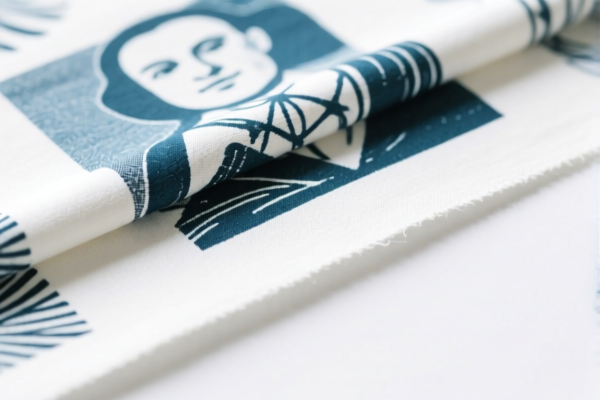
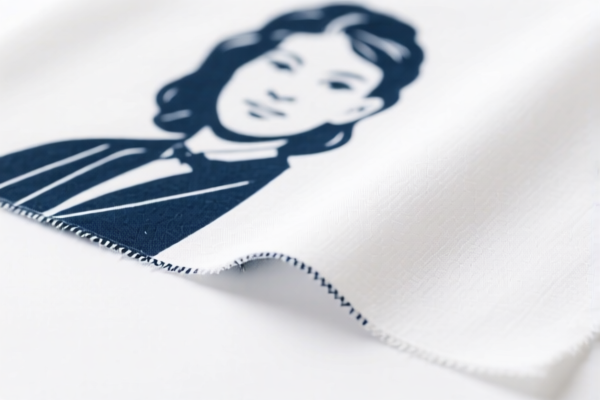
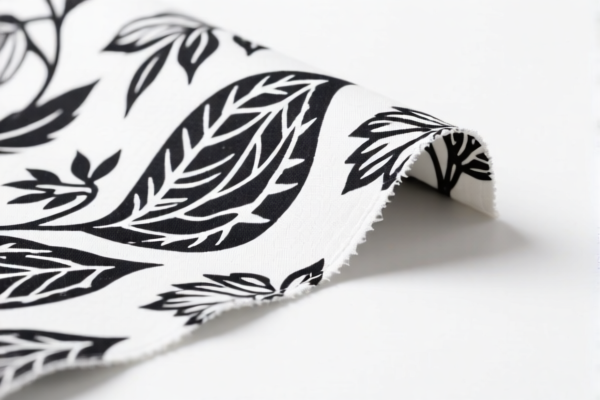
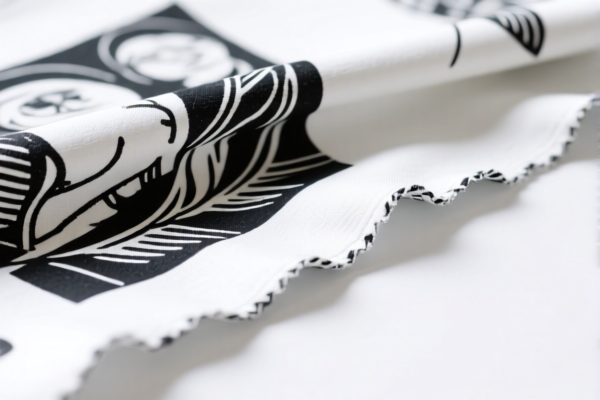
AI Analysis
🧵 Printed Satin Lining Fabric (缎面印花面料)
🌐 HS Code Reference & Clearance Guide | 2026 Latest Tariff Analysis | Professional Customs Strategy
📌 I. Product Definition & Classification: What is "Printed Satin Lining Fabric"?
Printed Satin Lining Fabric is a high-end textile material primarily used in garment linings, home textiles, and fashion accessories. Its key characteristics include:
- Weave Structure: Satin weave (smooth surface, lustrous appearance).
- Surface Treatment: Printed (using reactive dyes, digital printing, or screen printing).
- Material Composition: Blended fibers, specifically synthetic filaments (e.g., Polyester, Nylon) mixed with Cotton.
- Form: Woven fabric (not knitted).
⚠️ Key Classification Point:
- If the fabric is pure synthetic filament (100% polyester/nylon), it typically falls under 5407.84 or 5407.94.
- If it is a blend of synthetic filaments and cotton, it still falls under Chapter 54 (Synthetic Filament Yarn) but requires precise identification of the synthetic content ratio.
- Crucial Distinction: The term "Lining" indicates the use, but customs classification is based on material, weave, and manufacturing process. "Printed" and "Satin Weave" are critical descriptors.
📦 II. HS Code Classification Details (2026 Latest Tariff Authority)
Based on the provided data, all relevant HS codes for this product attract the same total tax rate of 49.9%. The specific HS codes differ slightly based on the precise fiber blend and summary description.
| HS Code | Product Summary (Chinese) | English Interpretation | Material/Structure Key |
|---|---|---|---|
| 5407.84.00.40 | 缎面印花面料底布,缎纹组织,印花机织物,合成长丝与棉混纺材质 | Satin printed fabric, satin weave, woven, blended synthetic filaments & cotton | Blend (Synthetic + Cotton) |
| 5407.94.20.50 | 缎面印花面料底布,缎纹组织,印花工艺,合成纤维或通用纤维织物 | Satin printed fabric, satin weave, printing process, synthetic fiber fabric | Synthetic (General Synthetic) |
| 5407.84.00.40 | 缎纹印花面料底布,缎纹组织结构,印花用途,机织物形态,符合印花面料类目 | Satin woven fabric, satin structure, printed use, woven form | Blend/General |
| 5407.94.20.50 | 缎纹印花面料底布,缎纹组织结构,印花工艺,织物形态,合成纤维或纤维类材质 | Satin woven fabric, satin structure, printing craft, synthetic fiber material | Synthetic |
| 5407.84.00.40 | 缎纹里料印花织物,活性染料印花,缎纹组织结构,印花织物用途,织物类特征 | Satin lining printed fabric, reactive dye printing, satin structure, printed fabric use | Blend/Reactive Dye |
🔍 Focus Reminder:
- 5407.84.00.40 is used when the fabric is explicitly described as a blend of synthetic filaments and cotton.
- 5407.94.20.50 is used when the fabric is described as synthetic fiber (often implying a higher synthetic content or general synthetic category).
- Both codes fall under Section XI (Textiles) and Chapter 54 (Man-made Filaments).
💰 III. 2026 Latest Tariff Rate Breakdown (Detailed Tax Clauses)
✅ Applicable Country: United States (US)
✅ Country of Origin: China (CN)
✅ Effective Date: Ongoing (Includes subsequent imports post-2025)
For ALL listed HS Codes (5407.84.00.40 and 5407.94.20.50), the tax structure is identical:
🎯 1. Total Tax Rate: 49.9%
| Tax Component | Rate | Description & Legal Basis |
|---|---|---|
| Base Duty (MFN) | 14.9% | Standard Most Favored Nation tariff for woven synthetic filament fabrics (Section 54). |
| Section 301 Tariff | 25.0% | Additional tariff imposed on Chinese goods under US Trade Act Section 301. This is the major cost driver. |
| Section 122 Tariff | 10.0% | Additional tariff under Section 122 (or related executive orders, often grouped with Section 301 in summaries) for specific Chinese textile imports. |
| Total Tax | 49.9% | Sum of Base + 301 + 122. |
📌 Explanation:
- The 14.9% is the standard WTO-bound tariff for synthetic woven fabrics.
- The 25.0% is the Section 301 tariff, which applies to most Chinese-origin textiles and apparel.
- The 10.0% is an additional punitive tariff (Section 122 or similar), bringing the total to nearly 50%.
- No De Minimis Exemption: These goods cannot be shipped via Section 321 (De Minimis) because they are subject to Section 301/122 tariffs. The total value is taxable.
🛠️ IV. Customs Clearance Practical Advice (Pitfall Avoidance Guide)
✅ 1. Required Documentation Checklist
| Document | Mandatory? | Notes |
|---|---|---|
| Commercial Invoice | ✅ Yes | Must clearly state "Printed Satin Fabric", HS Code, and Unit Price. |
| Packing List | ✅ Yes | Include weight, dimensions, and number of rolls. |
| Product Description | ✅ Yes | Detailed description: "Woven fabric, satin weave, printed, blend of synthetic filaments and cotton" (for 5407.84) OR "Synthetic fiber" (for 5407.94). |
| Bill of Lading/Air Waybill | ✅ Yes | Standard shipping document. |
| Certificate of Origin | ⚠️ Recommended | To prove Chinese origin (which triggers the 301/122 tariffs). If not from China, tariffs may be lower. |
| Test Report (Fiber Content) | ✅ Strongly Recommended | To prove the blend ratio (e.g., 65% Polyester, 35% Cotton) to justify 5407.84 vs. 5407.94. Incorrect fiber content leads to misclassification penalties. |
✅ 2. Classification Strategy (Key Mnemonic)
🔥 "Check the Blend: Cotton + Synthetic = 5407.84; Pure Synthetic = 5407.94. Both Pay 49.9%!"
| Scenario | Recommended HS Code | Tax Rate | Why? |
|---|---|---|---|
| Polyester + Cotton Blend | 5407.84.00.40 |
49.9% | "Synthetic filaments and cotton blended" matches the summary. |
| 100% Polyester/Nylon | 5407.94.20.50 |
49.9% | "Synthetic fiber fabric" matches the summary. |
| Misclassification | Wrong Code | 49.9% + Penalties | If you claim 5407.94 but it's a blend, CBP will reclassify and charge the same rate + penalties. |
✅ 3. Special Cases & Handling
| Situation | Handling Advice |
|---|---|
| Small Sample Shipments | Do NOT use De Minimis (Section 321). Even small shipments of Chinese-origin Section 301 goods are subject to the 49.9% tax. Pre-pay duties or use a bonded account. |
| Mixed Containers | If the container has other items, ensure the fabric is separately invoiced to avoid general merchandise rate misapplication. |
| Reactive Dye Printing | Mention "Reactive Dye" in the description if using 5407.84.00.40 as per the data, though it does not change the tax rate. It helps in customs verification. |
| Origin Shifting | If the fabric is woven in Vietnam but printed in China, origin rules apply. Dyeing and Printing (D&P) can change origin. If D&P is done in a non-China country, Section 301/122 may not apply. Consult a customs broker for origin rulings. |
🌍 V. Global Market Clearance Comparison (2026)
| Country/Region | Recommended HS Code | Base Tariff | Additional Tariffs (China Origin) | Total Approx. Rate |
|---|---|---|---|---|
| 🇺🇸 USA | 5407.84.00.40 / 5407.94.20.50 |
14.9% | +301 (25%) + 122 (10%) | 49.9% |
| 🇨🇳 China | 5407.84.00.40 / 5407.94.20.50 |
5.0% - 8.0%* | None | ~5-8% |
| 🇪🇺 EU | 5407.84.00.00 / 5407.94.00.00 |
4.0% - 6.5% | Anti-dumping (if applicable) | ~4-6% |
| 🇬🇧 UK | 5407.84.00.00 / 5407.94.00.00 |
4.0% - 6.5% | None (Post-Brexit) | ~4-6% |
📌 Conclusion:
- USA is the most expensive market for this product due to the 49.9% total tariff.
- EU and UK are significantly cheaper, but watch out for anti-dumping duties on Chinese textiles, which can vary.
- China Domestic: Low tax, no export duties on textiles.
📌 VI. Common Mistakes & Pitfalls (Blood and Tears Lessons)
❌ Mistake 1: Shipping via De Minimis (Section 321) for small samples
👉 Consequence: CBP will detain the package, assess the 49.9% tax on the entire value, plus handling fees. Small shipments are NOT exempt.
❌ Mistake 2: Misclassifying as "Knitted Fabric"
👉 Consequence: Knitted fabrics (Chapter 60) have different duty rates. If it's woven (satin weave is woven), this is misclassification. Penalties + Back Duties.
❌ Mistake 3: Ignoring Fiber Content
👉 Consequence: If you claim 5407.94 (Synthetic) but it contains 30% Cotton, CBP may reclassify to 5407.84. While the tax rate is the same (49.9%), the inconsistency raises red flags and delays customs release.
✅ Correct Practice:
"Satin Woven Fabric, Printed, Blend of 65% Polyester Filament and 35% Cotton, for Garment Lining. HS Code: 5407.84.00.40. Origin: China."
🎯 VII. Conclusion: Professional Declaration Saves Money!
🎯 Remember the Mnemonic:
🔹 "Satin + Printed + Woven = Chapter 54"
🔹 "Blend = 5407.84; Pure Syn = 5407.94"
🔹 "China Origin = 49.9% Tax (14.9 Base + 35 Add-ons)"
🔹 "No De Minimis! Pre-pay or Bond!"
📌 Pro Tip:
If you are exporting large volumes, consider:
1. Origin Planning: Can the fabric be woven in Vietnam or Bangladesh and only printed in China? (Check D&P rules).
2. Advance Ruling: Apply for a CBP Advance Ruling to confirm the HS code and tax liability before shipment.
3. Duty Drawback: If you re-export goods made with this fabric, you may claim duty drawbacks.
📣 Immediate Action:
📞 Contact a US Customs Broker to verify the exact fiber content and finalize the HS code (
5407.84.00.40vs5407.94.20.50).
🚀 Ensure your invoice explicitly states "Section 301/122 Subject" to avoid delays at US Customs.
✨ Professional Clearance, Accurate Classification, Cost Efficiency!
💼 Your profit margin depends on the HS code!
Customer Reviews
About HS Code Classification
The Harmonized System (HS) is an internationally standardized nomenclature developed by the World Customs Organization (WCO) to classify traded products. Over 200 countries use the HS system as the basis for customs tariffs, trade statistics, and import/export regulations.
Each HS code follows a hierarchical structure:
- Chapter (2 digits) — Broad category of goods (e.g., Chapter 84: Machinery and Mechanical Appliances)
- Heading (4 digits) — More specific grouping within the chapter
- Subheading (6 digits) — Internationally standardized breakdown, used by all WCO member countries
- National subdivisions (8-10 digits) — Country-specific extensions for further classification, such as US HTSUS 10-digit codes
Correct HS code classification is essential for smooth customs clearance, accurate duty payment, and compliance with trade regulations. Misclassification can lead to customs delays, overpayment of duties, or penalties.
When importing from CN to US, the applicable tariff rates may include:
- Most-Favored-Nation (MFN) rate — The standard duty rate applied to WTO members
- General rate — Applied to countries without trade agreements
- Trade remedy duties — Additional tariffs such as Section 301 (anti-dumping), Section 232 (national security), or countervailing duties
The information provided on this page is for reference purposes only. For official classification, please consult with your local customs authority or a licensed customs broker.