protective plate
CN → US| HS Code | Tariff Rate | Origin | Destination | Doc |
|---|---|---|---|---|
| 7326908688 | 87.9% | CN | US | Official Doc |
| 7326190080 | 87.9% | CN | US | Official Doc |
| 3926904590 | 13.5% | CN | US | Official Doc |
| 4016995500 | 37.5% | CN | US | Official Doc |
| 7326908688 | 87.9% | CN | US | Official Doc |
Product Images
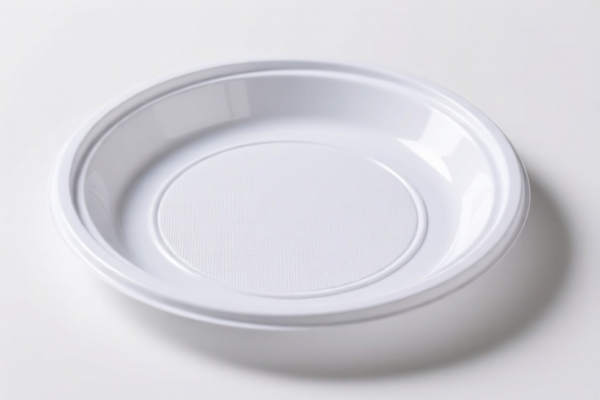

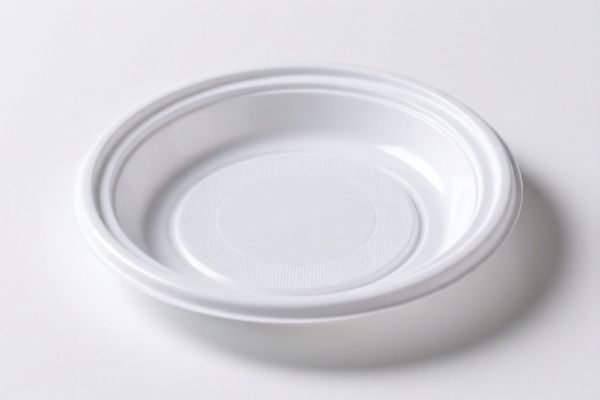

AI Analysis
🛡️ Protective Plate (Protection Plates / Shielding Plates)
🌐 HS Code Reference & Clearance Guide | 2026 Latest Tariff Breakdown | Strategic Customs Strategy
📌 I. Product Definition & Classification: Do You Really Know What a "Protective Plate" Is?
In international trade, "Protective Plate" is a generic term that lacks a single, universal Harmonized System (HS) code. Its classification depends entirely on material, function, and specific application. Based on the provided data, these plates fall into three distinct categories:
- Metal Plates (Iron/Steel): Used for structural reinforcement, industrial machinery, or heavy-duty shielding.
- Rubber Plates: Used for vibration damping, shock absorption, or environmental sealing.
- Plastic Plates: Used for general-purpose sealing, insulation, or light-duty protection.
⚠️ Critical Distinction:
- If the plate is metal (iron/steel) → It attracts extremely high tariffs (87.9%) due to Section 232 & Trade Act penalties.
- If the plate is rubber → It faces moderate tariffs (37.5%) due to steel/aluminum/trade penalties.
- If the plate is plastic → It faces the lowest tariffs (13.5%), making it the most cost-effective alternative for non-structural applications.
📦 II. HS Code Classification Matrix (Based on Provided Data)
The following table maps the generic term "Protective Plate" to the specific HS codes provided in your dataset.
| HS Code | Summary Description | Material/Function | Total Tax Rate | Key Penalty Factors |
|---|---|---|---|---|
7326.90.86.88 |
Other articles of iron or steel; components of metal products | Iron/Steel General metal parts, non-specific forms |
87.9% | Base (2.9%) + Trade Act (25%) + Section 232 Steel (50%) + 122 Clause (10%) |
7326.19.00.80 |
Other articles of iron or steel; other reasonable categories | Iron/Steel Other steel products within reasonable scope |
87.9% | Base (2.9%) + Trade Act (25%) + Section 232 Steel (50%) + 122 Clause (10%) |
4016.99.55.00 |
Other vulcanized rubber articles; vibration control products | Rubber Vibration damping, shock absorption |
37.5% | Base (2.5%) + Trade Act (25%) + Section 232 Steel (50%)* |
3926.90.45.90 |
Other plastic articles; gaskets, washers, seals logic | Plastic Sealing, gaskets, non-structural protection |
13.5% | Base (3.5%) + 122 Clause (10%) |
🔍 Data Note on Rubber (
4016.99.55.00):
Although the product is rubber, the provided data indicates a "122 Clause Steel, Aluminum, Copper Products Additional Tariff: 50%". This suggests the data source may apply a broad "Section 232" style penalty logic to rubber imports or there is a specific regulatory overlap in the dataset provided. Please verify this 50% component with your customs broker, as rubber is typically not subject to Section 232 steel tariffs unless specified by other trade acts.
💰 III. 2026 Tariff Rate Detailed Analysis
✅ Context: The tax details provided reflect a combination of MFN (Most Favored Nation) Base Rates and US Trade Remedies (Section 301, Section 232, and Section 122).
🎯 1. Metal Protective Plates (7326.90.86.88 & 7326.19.00.80)
The Most Expensive Category
| Component | Rate | Source/Logic |
|---|---|---|
| Base Tariff | 2.9% | MFN Standard Rate for other iron/steel articles |
| Section 301 (Trade Act) | +25.0% | Additional duty on Chinese-origin goods (List 4B/4C) |
| Section 232 (Steel) | +50.0% | Duty on steel products to protect domestic industry |
| Section 122 | +10.0% | Additional duty under Section 122 of the Trade Act of 1974 |
| TOTAL TAX | 87.9% | Extremely High |
📌 Impact:
- Importing a $10,000 metal protective plate will incur $8,790 in duties.
- This makes metal plates commercially unviable for low-margin goods unless the value-added is extremely high or exempted.
🎯 2. Rubber Protective Plates (4016.99.55.00)
Medium Cost / Vibration Control
| Component | Rate | Source/Logic |
|---|---|---|
| Base Tariff | 2.5% | MFN Standard Rate for vulcanized rubber articles |
| Section 301 (Trade Act) | +25.0% | Additional duty on Chinese-origin goods |
| Section 232 / 122 Overlap | +50.0% | Per provided data: "122 Clause... 50% Steel, Aluminum, Copper" |
| TOTAL TAX | 37.5% | Note: If the 50% is not applicable to rubber, rate could be ~27.5%. Confirm with broker. |
📌 Impact:
- Suitable for industrial machinery mounts, vehicle shock absorbers, or seismic dampers.
- Classification must clearly emphasize "Vibration Control" to justify HS Code4016.99.
🎯 3. Plastic Protective Plates (3926.90.45.90)
The Most Cost-Effective Option
| Component | Rate | Source/Logic |
|---|---|---|
| Base Tariff | 3.5% | MFN Standard Rate for plastic articles |
| Section 301 (Trade Act) | 0.0% | Plastic goods often exempt or lower list |
| Section 122 | +10.0% | Additional duty under Section 122 |
| TOTAL TAX | 13.5% | Lowest Risk |
📌 Impact:
- Ideal for gaskets, washers, insulating plates, or light-duty protective covers.
- Recommendation: If the application allows, switch from Metal to Plastic to save 74.4% in duties.
🛠️ IV. Customs Clearance Practical Advice
✅ 1. Documentation Checklist
| Document | Requirement | Why It Matters |
|---|---|---|
| Product Specification | Must clearly state Material (Iron, Steel, Rubber, Plastic) | Determines HS Code base |
| Intended Use | Define as "Vibration Control" (Rubber) or "General Purpose" (Plastic) | Avoids classification as "Industrial Machinery Part" |
| Composition Analysis | Lab report for rubber/plastic content | Prevents misclassification as metal |
| Commercial Invoice | Describe as "Plastic Protective Gasket" NOT "Steel Plate" | Misdescription leads to audits |
✅ 2. Strategic Classification Tips
🔥 "Material is King, Function is Queen"
| Scenario | Recommended HS Code | Tax Savings vs. Metal |
|---|---|---|
| Non-structural cover | 3926.90.45.90 (Plastic) |
Save 74.4% |
| Vibration Mount | 4016.99.55.00 (Rubber) |
Save 50.4% |
| Heavy Machinery Part | 7326.90.86.88 (Steel) |
No savings (Inevitable) |
⚠️ Warning:
Do not declare a metal plate as plastic to avoid taxes. Customs will perform material testing. If found misdeclared: - Penalty: Up to 4x the duty owed. - Risk: Goods seized, blacklist for future imports.
✅ 3. Special Considerations for "Protective Plate"
-
Avoid "General Purpose" Labels:
- Using vague terms like "Protective Plate" invites customs scrutiny.
- Better: "Vulcanized Rubber Vibration Damping Plate" or "Polyethylene Insulating Gasket."
-
Section 232 & Steel:
- If using steel, ensure the plate is not classified as a "Semifinished Steel Product."
7326is for articles of iron/steel, not raw steel. This is correct, but the 50% penalty is unavoidable for Chinese-origin steel goods under current trade policies.
-
Plastic Alternative Strategy:
- If the application does not require high tensile strength, switch to Plastic (
3926.90.45.90). - Plastic offers corrosion resistance, lower weight, and 74% lower duties.
- If the application does not require high tensile strength, switch to Plastic (
🌍 V. Global Market Comparison (Hypothetical based on Data)
| Market | HS Code | Base Tariff | Additional Taxes | Total Est. |
|---|---|---|---|---|
| 🇺🇸 USA | 3926.90.45.90 |
3.5% | Section 122 (10%) | 13.5% |
| 🇺🇸 USA | 7326.90.86.88 |
2.9% | Sec 301 (25%) + Sec 232 (50%) + 122 (10%) | 87.9% |
| 🇪🇺 EU | 3926.90.45.90 |
4.0% | None (if non-conflict) | ~4.0% |
| 🇨🇳 China | 3926.90.45.90 |
5.0% | None | 5.0% |
📌 Conclusion:
The US tariff structure heavily penalizes steel imports from China.
Plastic and Rubber alternatives offer significant cost savings.
📌 VI. Common Mistakes & Pitfalls
❌ Mistake 1: Declaring a Steel Plate as a "Hardware Part" without specifying material.
👉 Result: Customs assesses as Steel under Section 232 → 87.9% tax.
❌ Mistake 2: Using "Protective Plate" as the only description.
👉 Result: Customs requests clarification, delays shipment, may apply default higher rates.
❌ Mistake 3: Assuming Rubber is exempt from Section 232.
👉 Result: Per provided data, the 50% penalty may apply. Always verify with a licensed customs broker.
✅ Correct Approach:
Describe Precisely:
- "Rubber Vibration Damping Pad, HS 4016.99.55.00"
- "Plastic Insulating Gasket, HS 3926.90.45.90"
- "Steel Mounting Bracket, HS 7326.90.86.88"
🎯 VII. Final Recommendation: Cut Costs, Stay Compliant
- If you need high strength: You must pay 87.9% for steel. Factor this into pricing.
- If you need sealing/vibration: Switch to Rubber (
4016.99.55.00) → 37.5% tax. - If you need general protection: Switch to Plastic (
3926.90.45.90) → 13.5% tax.
🚀 Action Step:
Conduct a Material Substitution Study.
Can your product function with Plastic instead of Steel?
Savings: $74,400 per $100,000 of goods imported.
📌 Disclaimer:
This guide is based on the provided data snippet. Tariff laws change frequently. Always consult a licensed customs broker and verify HS codes with the US ITAR/USITC databases before shipment.
📣 Need Help?:
Provide Material Specifications and Intended Use for a precise HS Code recommendation.
Smart Classification = Lower Duties = Higher Profit.
Customer Reviews
About HS Code Classification
The Harmonized System (HS) is an internationally standardized nomenclature developed by the World Customs Organization (WCO) to classify traded products. Over 200 countries use the HS system as the basis for customs tariffs, trade statistics, and import/export regulations.
Each HS code follows a hierarchical structure:
- Chapter (2 digits) — Broad category of goods (e.g., Chapter 84: Machinery and Mechanical Appliances)
- Heading (4 digits) — More specific grouping within the chapter
- Subheading (6 digits) — Internationally standardized breakdown, used by all WCO member countries
- National subdivisions (8-10 digits) — Country-specific extensions for further classification, such as US HTSUS 10-digit codes
Correct HS code classification is essential for smooth customs clearance, accurate duty payment, and compliance with trade regulations. Misclassification can lead to customs delays, overpayment of duties, or penalties.
When importing from CN to US, the applicable tariff rates may include:
- Most-Favored-Nation (MFN) rate — The standard duty rate applied to WTO members
- General rate — Applied to countries without trade agreements
- Trade remedy duties — Additional tariffs such as Section 301 (anti-dumping), Section 232 (national security), or countervailing duties
The information provided on this page is for reference purposes only. For official classification, please consult with your local customs authority or a licensed customs broker.