protective strip
CN → US| HS Code | Tariff Rate | Origin | Destination | Doc |
|---|---|---|---|---|
| 4016996050 | 37.5% | CN | US | Official Doc |
| 8708295160 | 0.0% | CN | US | Official Doc |
| 8708295110 | 0.0% | CN | US | Official Doc |
| 4016996010 | 37.5% | CN | US | Official Doc |
| 3926305000 | 22.8% | CN | US | Official Doc |
Product Images
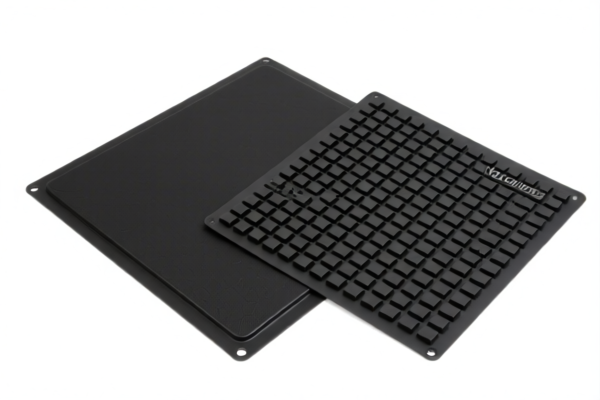
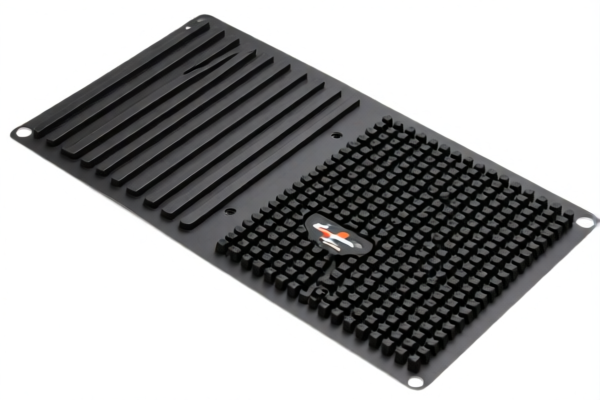
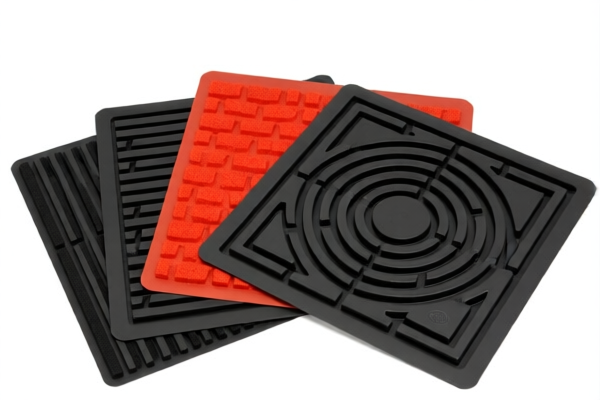
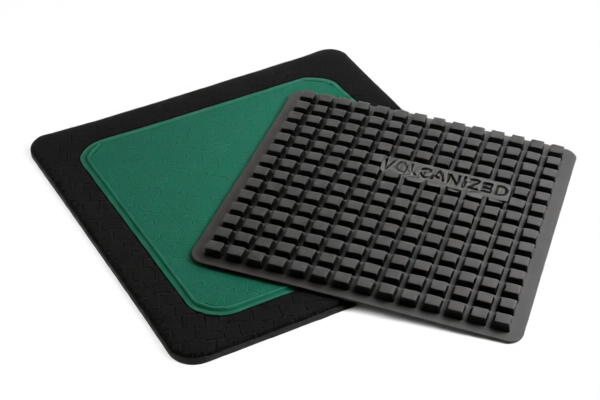
AI Analysis
🛡️ Protective Strip (Vehicle Body Parts & Rubber Goods)
🌐 HS Code Reference & Customs Clearance Guide | 2026 Latest Tariff Analysis | Professional Clearance Strategy
📌 I. Product Definition & Classification: What Exactly is a "Protective Strip"?
A Protective Strip is a versatile component used primarily in the automotive industry to protect vehicle bodies from scratches, dents, and corrosion. However, in international trade, its classification depends heavily on its material, structure, and intended use. It is generally categorized into two main types:
- Rubber/Metal/Plastic Trim: Often made of vulcanized rubber, plastic, or metal alloys, used as body attachments or chassis parts.
- General Rubber Articles: If not specifically designed for a particular vehicle model or classified as a specific mechanical part, it may fall under "other vulcanized rubber articles."
⚠️ Key Distinction Point:
- If it is a vehicle-specific body part (e.g., door edge guard, rocker panel protector) made of rubber/plastic → Likely 8708.29 or 8708.99.
- If it is a general-purpose rubber product (non-specific automotive mechanical part) → Likely 4016.99.
- If it is a plastic connector/protector → Likely 3926.30.
📦 II. HS Code Classification Details (2026 Latest Tariff Authority Comparison)
Based on the provided data, there are four primary HS Codes for "Protective Strips," each with distinct tax implications:
| HS Code | Product Description | Material Inference | Applicable Scenario | Key Classification Logic |
|---|---|---|---|---|
4016.99.60.50 |
Other vulcanized rubber articles (General) | Vulcanized Rubber | General rubber strips, not specific automotive mechanical parts | Falls under "Other vulcanized rubber articles" due to non-specific use. |
8708.29.51.60 |
Other parts and accessories for motor vehicles | Plastic or Rubber | Vehicle body attachments, chassis parts, specific body components | Classified as "Body Parts/Accessories." Note: Steel/Aluminum/Copper variants attract higher tariffs. |
8708.29.51.10 |
Other parts and accessories for motor vehicles (Body Parts) | Plastic or Rubber | Body protection strips, door guards, trim pieces | Specifically identified as "Body Parts" (附属附件), fitting the definition of body components. |
4016.99.60.10 |
Other vulcanized rubber articles (Auto Mechanical Parts) | Vulcanized Rubber | Automotive mechanical components, specific rubber parts | Classified as "Auto Mechanical Parts" under rubber goods, distinguishing it from general rubber articles. |
3926.30.50.00 |
Other articles of plastic (Plastic Connectors/Protectors) | Plastic | Plastic body connection/protection parts | Fits "Plastic articles for body/connection" if material is primarily plastic and used for connection/protection. |
🔍 Important Reminder:
- Material is Key: Rubber items (4016) and Plastic items (3926) have different base tariffs.
- Application is Key: Parts specifically for vehicles (8708) may have different surcharge rates compared to general goods.
- Metal Content: If the strip contains steel, aluminum, or copper, surcharges may jump to 50% (see below).
💰 III. 2026 Latest Tariff Rate Breakdown (Including Surcharges & Policy Add-ons)
✅ Applicable Country: United States (US)
✅ Origin: China (CN)
✅ Effective Time: 2025/2026 (Current Policy)
🎯 1. 4016.99.60.50 & 4016.99.60.10 —— Vulcanized Rubber Articles
| Item | Content |
|---|---|
| Base Tariff | 2.5% (Ad Valorem) |
| Section 301 Surcharge | +25.0% (From USITC Footnote) |
| Section 122 Tariff | +10.0% (Specific provision for certain rubber/articles) |
| Total Effective Rate | 37.5% |
| Tax Calculation | CIF Value × 37.5% |
| De Minimis Exemption | ❌ Not Applicable (High tariff goods are excluded) |
| Legal Basis | Base Tariff + Section 301 (25%) + Section 122 (10%) |
📌 Explanation:
- Whether classified as general rubber (60.50) or auto mechanical rubber parts (60.10), the total tariff is 37.5%.
- The 25% comes from the standard Section 301 trade war tariff.
- The 10% is the Section 122 tariff, applied specifically to these items.
🎯 2. 8708.29.51.10 —— Vehicle Body Parts (Standard)
| Item | Content |
|---|---|
| Base Tariff | 2.5% (Ad Valorem) |
| Section 301 Surcharge | +25.0% |
| Section 122 Tariff | +10.0% |
| Total Effective Rate | 37.5% (Note: Summary says 37.5% in text, but breakdown implies 2.5+25+10=37.5%) |
| Tax Calculation | CIF Value × 37.5% |
| De Minimis Exemption | ❌ Not Applicable |
| Legal Basis | Base Tariff + Section 301 (25%) + Section 122 (10%) |
📌 Explanation:
- Classified as a body part.
- Total Rate: 37.5%.
- This is the standard rate for non-metallic (plastic/rubber) body parts.
🎯 3. 8708.29.51.60 —— Vehicle Parts (Steel/Aluminum/Copper Variant)
| Item | Content |
|---|---|
| Base Tariff | 2.5% (Ad Valorem) |
| Section 301 Surcharge | +25.0% |
| Section 122 Tariff | +10.0% |
| Metal Surcharge | +50.0% (For Steel, Aluminum, Copper products) |
| Total Effective Rate | 85.0% |
| Tax Calculation | CIF Value × 85.0% |
| De Minimis Exemption | ❌ Not Applicable |
| Legal Basis | Base Tariff + Section 301 (25%) + Section 122 (10%) + Metal Tariff (50%) |
📌 CRITICAL WARNING:
- If your protective strip contains steel, aluminum, or copper (e.g., metal core with plastic coating, or pure metal trim), the surcharge jumps to 85%.
- Do not assume all body parts are 37.5%. Material composition is critical here.
🎯 4. 3926.30.50.00 —— Plastic Articles (Connectors/Protectors)
| Item | Content |
|---|---|
| Base Tariff | 5.3% (Ad Valorem) |
| Section 301 Surcharge | +7.5% |
| Section 122 Tariff | +10.0% |
| Total Effective Rate | 22.8% |
| Tax Calculation | CIF Value × 22.8% |
| De Minimis Exemption | ❌ Not Applicable |
| Legal Basis | Base Tariff + Section 301 (7.5%) + Section 122 (10%) |
📌 Explanation:
- If the product is plastic and classified as a connector/protective accessory rather than a primary body part, the base tariff is higher (5.3%), but the surcharge is lower (7.5% vs 25%).
- Total Rate: 22.8%. This is the lowest cost option if the product can be legitimately classified as plastic connectors/articles.
🛠️ IV. Customs Clearance Practical Advice (Real-World Pitfall Guide)
✅ 1. Preparation Checklist (Must-Haves)
| Document | Required | Description |
|---|---|---|
| ✅ Product Specifications | ✔️ | Must specify material (Rubber, Plastic, Metal), dimensions, and hardness. |
| ✅ Material Declaration | ✔️ | Explicitly state if any metal (Steel/Aluminum/Copper) is present. |
| ✅ Usage Declaration | ✔️ | Is it a "Body Part" (8708) or "General Rubber/Plastic Article" (4016/3926)? |
| ✅ Photos (Label & Structure) | ✔️ | Show the product clearly. If it has a metal backing, highlight it. |
| ✅ Commercial Invoice | ✔️ | Use precise descriptions like "Vulcanized Rubber Protective Strip for Automotive Use." |
| ✅ Packing List | ✔️ | Ensure consistency with the invoice and materials declared. |
✅ 2. Declaration Strategies (Key Mnemonics)
🔥 "Material Determines Base, Metal Determines Penalty, Use Determines Code!"
| Scenario | Correct HS Code | Tariff Rate | Risk of Misclassification |
|---|---|---|---|
| Rubber Strip, No Specific Car Model | 4016.99.60.50 |
37.5% | Low. Clear "General Rubber" category. |
| Rubber/Plastic Body Guard (Specific) | 8708.29.51.10 |
37.5% | Medium. Must prove it's a body part. |
| Metal/Aluminum Strip | 8708.29.51.60 |
85.0% | High. Avoid if possible. Ensure material is accurate. |
| Plastic Connector/Protector | 3926.30.50.00 |
22.8% | Medium. Must prove it's plastic and not a structural body part. |
✅ 3. Special Cases & Handling
| Situation | Handling Advice |
|---|---|
| Composite Material (Plastic + Metal Core) | If metal content is significant, it may be classified as metal goods (8708.29.51.60) → 85% Tariff. Consider if design can be altered to pure plastic/rubber. |
| OEM Custom Strips | Provide customer PO and design files. If it's a specific part for a car model, 8708 is more accurate. |
| General Purpose Strips (Non-Auto) | Use 4016.99.60.50 or 3926.30.50.00. Avoid 8708 if not for vehicles to avoid unnecessary complexity, though rate may be similar. |
| Plastic vs. Rubber | If the material is ambiguous, lab tests may be required. Rubber (4016) and Plastic (3926) have different base tariffs. |
🌍 V. Global Market Comparison (2026 Latest)
| Country/Region | Recommended HS Code | Tariff (China Origin) | Certification | Notes |
|---|---|---|---|---|
| 🇺🇸 USA | 4016.99.60.50 / 8708.29.51.10 |
37.5% (Rubber/Body) 85.0% (Metal) |
FCC (if electronic) | High surcharges apply. Metal is punitive. |
| 🇺🇸 USA | 3926.30.50.00 |
22.8% (Plastic) | FCC (if electronic) | Lowest cost for plastic items. |
| 🇨🇳 China | Same HS Codes | 2.5% - 10% | CCC (if applicable) | No Section 301/122 tariffs. |
| 🇪🇺 EU | Same HS Codes | 0% - 4.5% | CE Marking | No major surcharges. |
| 🇬🇧 UK | Same HS Codes | 0% - 5% | UKCA Marking | Post-Brexit tariffs may vary slightly. |
📌 Conclusion:
- USA is the most expensive market due to Section 301 and Section 122 tariffs.
- Metal content is the biggest risk in the US market, leading to 85% tariffs.
- Plastic items (3926) are the most cost-effective at 22.8% if they can be legally classified as such.
📌 VI. Common Errors & Pitfalls (Blood Lessons)
❌ Error 1: Classifying a metal-trimmed strip as plastic (3926)
👉 Consequence: Customs may reclassify to 8708.29.51.60 → Back taxes + penalties at 85%.
❌ Error 2: Declaring specific body parts as general rubber goods (4016)
👉 Consequence: While rate is same (37.5%), incorrect classification can lead to audits or delays for missing auto-part certifications.
❌ Error 3: Ignoring Section 122 Tariff
👉 Consequence: Failing to include the 10% surcharge in cost calculations → Margin erosion.
❌ Error 4: Vague Product Description ("Plastic Strip")
👉 Consequence: Customs ambiguity → Hold for inspection → Demurrage fees.
✅ Correct Practice:
"Automotive Body Protective Strip, Vulcanized Rubber, No Metal Content, Non-Specific Model, HS Code 4016.99.60.50"
🎯 VII. Conclusion: Professional Declaration, Cost Control!
🎯 Remember the Mnemonic:
🔹 "Metal Strip = 85% (Avoid!);
🔹 "Rubber/Plastic Body Part = 37.5%;
🔹 "Plastic Connector = 22.8% (Best Case)!"
📌 Tip:
If you have flexibility in design, consider all-plastic or all-rubber designs without metal cores to save 47.2% in tariffs compared to metal variants.
For high-value shipments, apply for an Advance Ruling from US CBP to confirm the HS Code and tariff rate before shipment.
📣 Immediate Action:
📞 Contact your customs broker with material composition details.
📸 Provide clear photos showing no metal parts if claiming 37.5% or 22.8%.
🚀 Optimize for 22.8% if possible, or accept 37.5% if rubber is necessary. Avoid 85% at all costs!
✨ Professional clearance starts with precise classification!
💼 Every percentage point saved is pure profit!
Customer Reviews
About HS Code Classification
The Harmonized System (HS) is an internationally standardized nomenclature developed by the World Customs Organization (WCO) to classify traded products. Over 200 countries use the HS system as the basis for customs tariffs, trade statistics, and import/export regulations.
Each HS code follows a hierarchical structure:
- Chapter (2 digits) — Broad category of goods (e.g., Chapter 84: Machinery and Mechanical Appliances)
- Heading (4 digits) — More specific grouping within the chapter
- Subheading (6 digits) — Internationally standardized breakdown, used by all WCO member countries
- National subdivisions (8-10 digits) — Country-specific extensions for further classification, such as US HTSUS 10-digit codes
Correct HS code classification is essential for smooth customs clearance, accurate duty payment, and compliance with trade regulations. Misclassification can lead to customs delays, overpayment of duties, or penalties.
When importing from CN to US, the applicable tariff rates may include:
- Most-Favored-Nation (MFN) rate — The standard duty rate applied to WTO members
- General rate — Applied to countries without trade agreements
- Trade remedy duties — Additional tariffs such as Section 301 (anti-dumping), Section 232 (national security), or countervailing duties
The information provided on this page is for reference purposes only. For official classification, please consult with your local customs authority or a licensed customs broker.