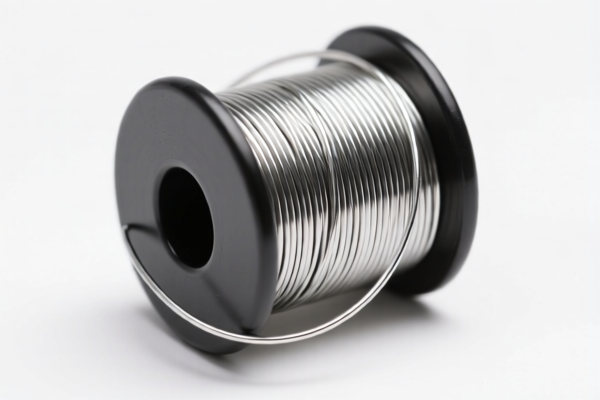
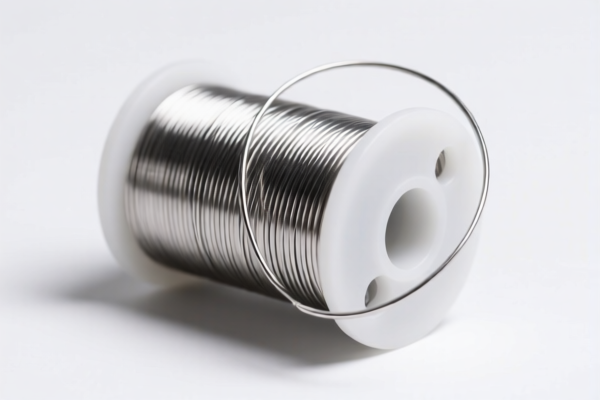
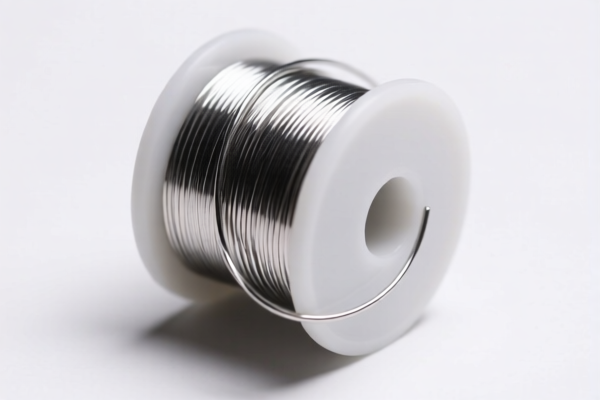
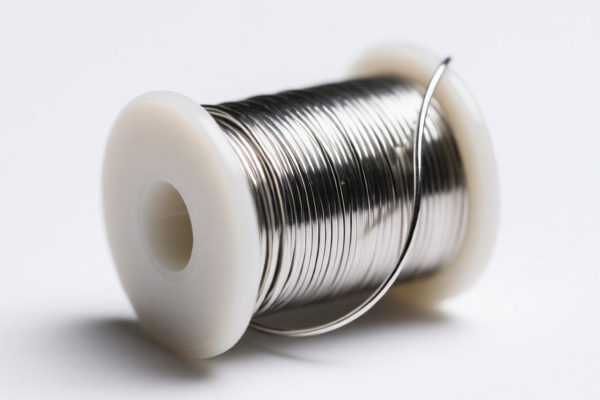
pruning machine wire spool
CN → US| HS Code | Tariff Rate | Origin | Destination | Doc |
|---|---|---|---|---|
| 7312103080 | 85.0% | CN | US | Official Doc |
| 7312103070 | 85.0% | CN | US | Official Doc |
| 8544110020 | 38.5% | CN | US | Official Doc |
| 8544110030 | 38.5% | CN | US | Official Doc |
Product Images
AI Analysis
🚜 Pruning Machine Wire Spool (High-Strength Steel Cable)
🌐 HS Code Reference & Customs Clearance Guide | 2026 Latest Tariff Analysis | Professional Entry Strategy
📌 I. Product Definition & Classification: What is a "Pruning Machine Wire Spool"?
A "Pruning Machine Wire Spool" refers to the stainless steel or galvanized steel wire cable wound around a reel, specifically designed for mechanical pruning shears, hedge trimmers, or orchard maintenance machinery. Unlike general electrical wiring, this product is non-electrical, high-tensile strength, and often features specialized coatings (galvanized or covered) for corrosion resistance and durability.
⚠️ Critical Distinction:
- If the wire is electrically insulated (e.g., enameled copper for motors) → It falls under Chapter 85 (Electrical Equipment).
- If the wire is NOT electrically insulated (purely mechanical use, steel/stainless steel) → It falls under Chapter 73 (Iron or Steel Articles).Most "Pruning Machine Wire Spools" are mechanical steel cables, thus subject to Chapter 73 tariffs, which often include significant punitive duties depending on the origin.
📦 II. HS Code Classification Details (Based on Provided Data)
Based on the provided <DATA>, here are the relevant HS Codes. Note that the data focuses on non-insulated steel stranded wires and insulated copper wires. We must distinguish between them.
| HS Code | Product Description | Application in Pruning Machines | Electrical Insulation? |
|---|---|---|---|
7312.10.30.80 |
Stranded wire, ropes, cables, of iron or steel, not electrically insulated: Other | Standard Steel Cable: Used for cutting blades in pruning shears. High tensile strength, non-electrical. | ❌ No |
7312.10.30.70 |
Stranded wire, ropes, cables, of iron or steel, not electrically insulated: Galvanized: Covered with textile or other nonmetallic material | Galvanized/Coated Cable: Used in harsh outdoor environments (orchards) to prevent rust. Still mechanical. | ❌ No |
8544.11.00.20 |
Insulated wire, cable... Of copper 33 AWG and finer | Electrical Wire: Used for the motor's internal wiring or power supply cords of electric pruning tools. | ✅ Yes (Copper) |
8544.11.00.30 |
Insulated wire, cable... Of copper 22 AWG and finer but >33 AWG | Electrical Wire: Used for thicker power connections in electric pruning tools. | ✅ Yes (Copper) |
🔍 Key Insight:
- If you are importing the cutting wire/cable itself (the metal strand that moves), it is 7312.10.30.xx.
- If you are importing the power cord or internal motor wiring, it is 8544.11.xx.
- Most common scenario for "Wire Spool" in pruning machinery context is the mechanical cable (7312), which carries a 75% tariff in the provided data.
💰 III. 2026 Latest Tariff Rate Breakdown (Detailed Tax Clause Analysis)
✅ Applicable Country: United States (US)
✅ Origin: China (CN) (Based on tariff structure in data)
✅ Effective Time: 2025/2026 Import Window
🎯 1. 7312.10.30.80 & 7312.10.30.70 —— Mechanical Steel Wire (Non-Insulated)
This is the critical category for pruning machine cutting wires. The provided data indicates a 75% total tax rate, which is extremely high.
| Item | Content |
|---|---|
| Base Tariff (MFN) | 0.0% |
| Section 301 Tariff (Additional) | +25.0% (Standard "Steel, Aluminum, Copper Products" surcharge) |
| IEEPA / Other Additional Tariff | +50.0% (Specific surcharge for Steel/Aluminum/Copper products under specific trade actions) |
| Total Tax Rate | 75.0% |
| Tax Calculation | CIF Value × 75% |
| De Minimis Exemption | ❌ Not Applicable (High-value industrial components) |
| Legal Basis Path | USITC:7312.10.30.xx → Footnote: Steel Products → Section 301: 25% → IEEPA: 50% |
📌 Explanation:
- The 75% rate is derived from the combination of a 25% Section 301 tariff and a 50% additional surcharge on steel products.
- This applies to all non-insulated steel stranded wires, regardless of whether they are galvanized (7312.10.30.70) or plain (7312.10.30.80).
- Warning: This rate is prohibitive for most commercial imports. It significantly impacts the landed cost.
🎯 2. 8544.11.00.20 & 8544.11.00.30 —— Insulated Copper Wires (Electrical)
If the "wire spool" refers to electrical wiring for the motor or power cord:
| Item | Content |
|---|---|
| Base Tariff | 0.0% |
| Additional Tariff | 0.0% |
| Total Tax Rate | 0.0% |
| De Minimis Exemption | ✅ Possible (if value <$800 and meets other criteria) |
| Legal Basis Path | USITC:8544.11.xx → No Section 301 surcharge |
📌 Explanation:
- Insulated copper wires generally do not carry the 75% steel surcharge.
- However, if declared incorrectly as steel wire to avoid the 75% tax, customs may reclassify and penalize.
🛠️ IV. Customs Clearance Practical Advice (Battle-Tested Guide)
✅ 1. Document Checklist (Non-Negotiable)
| Document | Required? | Description |
|---|---|---|
| ✅ Product Specification Sheet | ✔️ | Must specify: Material (Steel vs. Copper), Diameter (AWG or mm), Tensile Strength, Coating (Galvanized/Plain). |
| ✅ Commercial Invoice | ✔️ | Clearly state: "Stainless Steel Stranded Wire for Mechanical Pruning Shears" OR "Insulated Copper Wire for Electrical Motors". Do not just write "Wire Spool". |
| ✅ Certificate of Origin | ✔️ | Required to verify origin (China vs. Vietnam/India) for tariff eligibility. |
| ✅ Test Report | ✔️ | For steel wires: Tensile strength test, Galvanization thickness test. For copper: Insulation resistance test. |
| ✅ Import License | ✔️ | If applicable for certain steel categories (check current USITC rules). |
✅ 2. Declaration Strategy (Key Mnemonic)
🔥 "Material Defines Code, Insulation Decides Chapter!"
| Scenario | Correct HS Code | Tariff Rate | Why? |
|---|---|---|---|
| Cutting Wire (Steel, No Electricity) | 7312.10.30.xx |
75% | Non-insulated steel wire. Subject to heavy steel tariffs. |
| Power Cord/Motor Wire (Copper, Insulated) | 8544.11.xx |
0% | Electrical conductor. No steel tariff applies. |
| Mixed Shipment (Wire + Cable) | Split Declaration | 75% + 0% | Must separate steel and copper items in the same shipment. |
✅ 3. Special Handling & Pitfalls
| Situation | Handling Advice |
|---|---|
| Galvanized Steel Wire | Declare as 7312.10.30.70. Still 75% tax. Do not misdeclare as "Plastic Coated" if it's steel. |
| Stainless Steel Wire | If not explicitly "Iron or Steel" (some stainless grades are exempt), check HS 7312 vs 7320. But 7312 is standard for stranded wire. |
| Coiled vs. Spooled | If on a spool for retail sale, ensure the description includes "Retail Packaging" to avoid confusion with industrial raw materials. |
| Origin Shopping | Steel wire from Vietnam/India may have lower tariffs (0-15%). If possible, source from non-China origins to avoid the 75% rate. |
🌍 V. Global Market Comparison (2026)
| Country | Recommended HS Code | Tariff (China Origin) | Notes |
|---|---|---|---|
| 🇺🇸 USA | 7312.10.30.xx |
75% | Extremely High. Consider alternative origins. |
| 🇨🇳 China | 7312.10.30.xx |
0% (Domestic) | N/A for import. |
| 🇪🇺 EU | 7312.10.xx |
~2.5% + VAT | Much lower than US. No Section 301 equivalent. |
| 🇬🇧 UK | 7312.10.xx |
~2.5% + VAT | Similar to EU post-Brexit. |
| 🇦🇺 Australia | 7312.10.xx |
5% | Competitive. |
📌 Conclusion:
- The USA is the most expensive market for importing steel pruning wires due to the 75% combined tariff.
- For US market, consider sourcing from Vietnam, India, or Mexico (if FTAA/USMCA applies) to reduce costs.
- For non-US markets, the 2.5-5% tariff is manageable.
📌 VI. Common Errors & Pitfalls (Lessons Learned)
❌ Error 1: Declaring steel cutting wire as "Plastic-Coated Wire" under Chapter 39
👉 Consequence: Customs reclassifies to 7312, adds 75% tax + penalties for fraud.
❌ Error 2: Mixing insulated copper wire and non-insulated steel wire in one line item
👉 Consequence: If not split, customs may apply the highest tariff (75%) to the entire shipment.
❌ Error 3: Using generic "Wire" in description
👉 Consequence: Delays for classification review. Always specify Material and Insulation Status.
❌ Error 4: Assuming all "Wire" is electrical
👉 Consequence: Missing the 75% steel tariff liability in budgeting.
✅ Correct Declaration Example:
"Stainless Steel Stranded Wire, Non-Insulated, 0.5mm Diameter, Galvanized, for Mechanical Pruning Shears, HS 7312.10.30.70"
🎯 VII. Conclusion: Professional Declaration, Cost Optimization
🎯 Key Takeaway:
🔹 "Steel Wire = 75% Tax (US); Copper Wire = 0% Tax."
🔹 "Check Material First, Then Insulation."
🔹 "Consider Sourcing from Vietnam to Avoid 75% Rate."
📌 Pro Tip:
If your pruning machine wire is stainless steel, check if it qualifies for HS 7320 (Other articles of iron or steel). Some stainless steel wires may have different tariff structures. However, 7312 is the standard for stranded wire.
📣 Immediate Action:
📞 Verify Material: Is it Steel or Copper?
📞 Check Origin: Can you source from a non-China country?
📞 Consult Broker: Request a Pre-Ruling from US Customs if shipment value is high.
✨ Smart Classification Saves Money!
💼 Every percentage point of tariff counts in global trade!
Customer Reviews
About HS Code Classification
The Harmonized System (HS) is an internationally standardized nomenclature developed by the World Customs Organization (WCO) to classify traded products. Over 200 countries use the HS system as the basis for customs tariffs, trade statistics, and import/export regulations.
Each HS code follows a hierarchical structure:
- Chapter (2 digits) — Broad category of goods (e.g., Chapter 84: Machinery and Mechanical Appliances)
- Heading (4 digits) — More specific grouping within the chapter
- Subheading (6 digits) — Internationally standardized breakdown, used by all WCO member countries
- National subdivisions (8-10 digits) — Country-specific extensions for further classification, such as US HTSUS 10-digit codes
Correct HS code classification is essential for smooth customs clearance, accurate duty payment, and compliance with trade regulations. Misclassification can lead to customs delays, overpayment of duties, or penalties.
When importing from CN to US, the applicable tariff rates may include:
- Most-Favored-Nation (MFN) rate — The standard duty rate applied to WTO members
- General rate — Applied to countries without trade agreements
- Trade remedy duties — Additional tariffs such as Section 301 (anti-dumping), Section 232 (national security), or countervailing duties
The information provided on this page is for reference purposes only. For official classification, please consult with your local customs authority or a licensed customs broker.