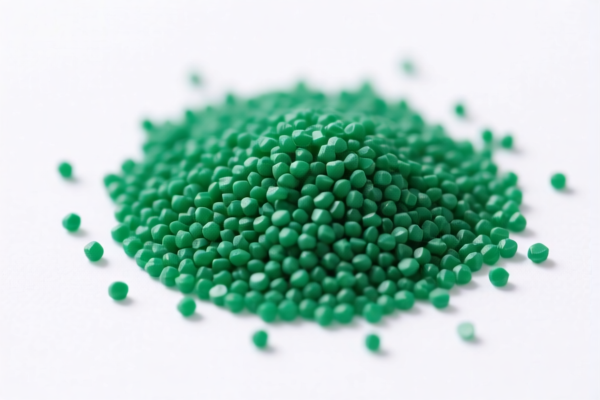
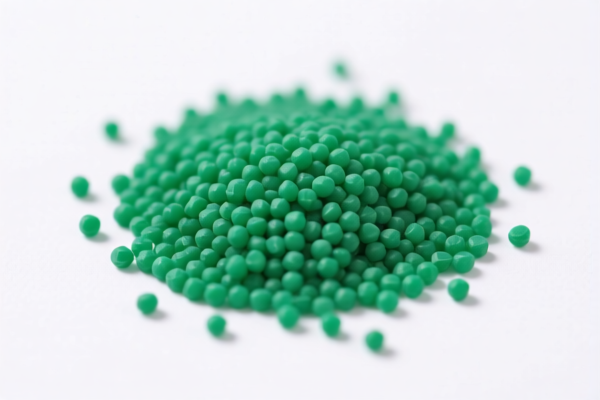
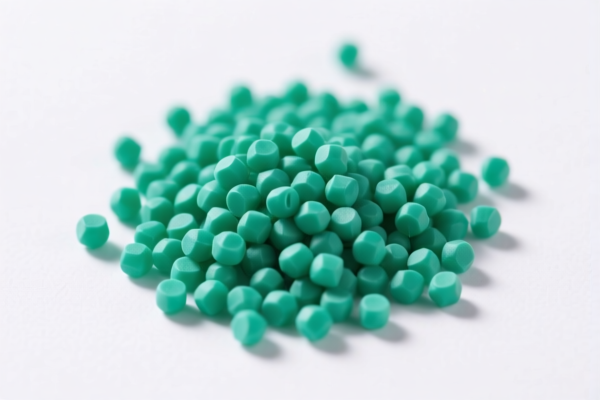
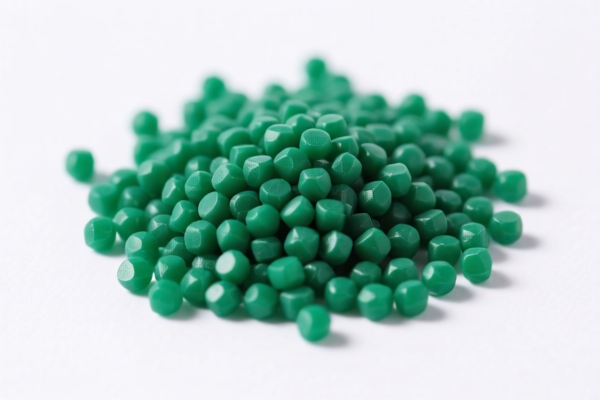
ptfe filled granules
CN → US| HS Code | Tariff Rate | Origin | Destination | Doc |
|---|---|---|---|---|
| 3914006000 | 38.9% | CN | US | Official Doc |
| 3904610010 | 40.8% | CN | US | Official Doc |
| 3926909989 | 22.8% | CN | US | Official Doc |
| 3914002000 | 35.0% | CN | US | Official Doc |
| 3904610090 | 40.8% | CN | US | Official Doc |
Product Images
AI Analysis
🏭 PTFE Filled Granules (Polytetrafluoroethylene)
🌐 HS Code Classification & Customs Clearance Guide | 2026 Tariff Analysis for US Imports from China
📌 One-Sentence Summary:
PTFE filled granules are raw polymeric materials used in molding and extrusion. Their classification hinges on whether they are classified under the specific PTFE chapter (3914) or the general Plastics chapter (3904/3926), with significant tariff implications due to US-China trade tensions (Section 301 & Section 122 tariffs).
📦 1. HS Code Classification Breakdown
Below are the valid HS Codes for PTFE Filled Granules based on the provided data. The choice depends on the specific physical form and regulatory interpretation of "filled" vs. "pure" resin.
| HS Code | Summary Description | Total Tax Rate | Tax Detail Breakdown |
|---|---|---|---|
| 3914.00.60.00 | PTFE Injection Granules: Material is PTFE, form is granules, fits primary form/raw material characteristics. | 38.9% | Base Duty: 3.9% + Section 301: 25.0% + Section 122: 10.0% |
| 3904.61.00.10 | PTFE Injection Granules: Material is PTFE, form is granules. Fully complies with "material & granular physical form" requirements. | 40.8% | Base Duty: 5.8% + Section 301: 25.0% + Section 122: 10.0% |
| 3926.90.99.89 | PTFE Injection Granules: Material is "Plastic", form is granules. Fits within the "Plastic Articles" category. | 22.8% | Base Duty: 5.3% + Section 301: 7.5% + Section 122: 10.0% |
| 3914.00.20.00 | PTFE Injection Granules: Material is Polymer, form is granules. Fits the description of "primary forms" of polymers. | 35.0% | Base Duty: 0.0% + Section 301: 25.0% + Section 122: 10.0% |
| 3904.61.00.90 | PTFE Injection Grade Granules: Material is PTFE, form is granules. Fits the "Other" category material requirements. | 40.8% | Base Duty: 5.8% + Section 301: 25.0% + Section 122: 10.0% |
⚠️ Key Observation:
- Highest Tax (40.8%): Codes starting with3904.61.00(specifically .10 and .90).
- Lowest Tax (22.8%): Code3926.90.99.89(classified as generic plastic articles).
- Middle Range:3914codes range from 35.0% to 38.9%.
💰 2. Detailed Tariff Analysis & Legal Basis
All tariffs listed assume imports from China to the United States.
🎯 A. The "Section 301" & "Section 122" Context
| Component | Rate | Legal Basis / Description |
|---|---|---|
| Base Duty | 0.0% – 5.8% | Standard Most Favored Nation (MFN) rate for plastics/polymers. |
| Section 301 Tariff | 7.5% – 25.0% | Retaliatory tariffs against China. Most PTFE products fall under the 25% bracket, but 3926.90.99.89 is listed at 7.5% in the source data. |
| Section 122 Tariff | 10.0% | Specific tariff applicable to these PTFE granules (likely referencing recent trade actions or specific administrative notes). |
| Total Effective Rate | 22.8% – 40.8% | Sum of Base + Section 301 + Section 122. |
📉 Tax Optimization Insight:
- Code
3926.90.99.89offers the lowest total duty (22.8%). - Risk: Customs may challenge this if the product is strictly "PTFE Resin" (Ch 3914) rather than a "Plastic Article" (Ch 3926). Chapter 3926 is typically for finished articles or semi-finished goods, not raw resin. Misclassification here could lead to penalties.
- Code
3914.00.20.00has 0% Base Duty, but still incurs 35% total due to 301/122 tariffs. - Code
3904.61.00.10and.90have the highest total duty (40.8%) due to a higher base duty (5.8%).
🛠️ 3. Customs Clearance Recommendations
✅ 1. Documentation Requirements
To ensure smooth clearance and avoid misclassification penalties, provide: - Material Safety Data Sheet (MSDS): Confirming PTFE composition and any "fillers" (e.g., carbon, glass, bronze). - Technical Data Sheet: Clearly stating "Granular Form" and "Primary Polymer." - Bill of Lading & Commercial Invoice: Must explicitly state "Polytetrafluoroethylene (PTFE) Granules" and not generic "Plastic Pellets." - Country of Origin Certificate: Confirming China origin to apply correct 301/122 tariffs.
✅ 2. Classification Strategy
- If PTFE is >50% by weight: Prioritize Chapter 3914 (Specific to PTFE Resins).
- Compare
3914.00.60.00(38.9%) vs.3914.00.20.00(35.0%). - If the product is heavily filled (e.g., >50% filler by weight) and considered a composite material:
- Consult a customs broker on whether
3926.90.99.89(22.8%) is defensible. Note: This is high-risk if the filler does not change the essential character from "resin" to "article." - Avoid
3904.61if possible: It carries the highest base duty (5.8%) and total duty (40.8%).
✅ 3. Warning: "Filled" Granules
- Definition: "Filled" means additives (like PTFE + Carbon or PTFE + Glass) are mixed with the resin.
- Customs Risk: If the filler is significant, the product may no longer be "PTFE Resin" (Ch 3914) but rather a "Plastic Compound" or "Article."
- Action: Provide a detailed material composition sheet showing the percentage of PTFE vs. filler. If the filler changes the essential character,
3926.90.99.89might be the correct (and cheaper) classification. If it’s just minor additives, stick to Ch 3914.
🌍 4. Global Comparison (Quick Reference)
| Market | Recommended HS Code (PTFE Resin) | Est. Total Duty (China Origin) | Notes |
|---|---|---|---|
| 🇺🇸 USA | 3914.00.60.00 or 3926.90.99.89 |
22.8% – 40.8% | Includes 301 & 122 tariffs. Highest cost market. |
| 🇨🇳 China | 3914.00 |
~5% | No Section 301/122. Low duty for import into China. |
| 🇪🇺 EU | 3914.00 |
~0% – 4% | No Section 301. Lower burden than US. |
| 🇯🇵 Japan | 3914.00 |
~0% – 3% | JETPA/JPFTA may offer zero duty if origin requirements met. |
📌 5. Common Pitfalls & Avoidance
| ❌ Mistake | ✅ Correct Approach |
|---|---|
| Calling it "Plastic Pellets" | Always use "PTFE Granules" or "Polytetrafluoroethylene Resin". Vague terms lead to manual examination and potential misclassification. |
| Ignoring "Filled" Content | If fillers >5%, declare them. Customs may reclassify if they suspect evasion of higher duties. |
Using 3904.61 for High-Cost Items |
Check if 3914 or 3926 offers a lower total rate. In this dataset, 3904.61 is the most expensive. |
| Assuming De Minimis Exemption | No de minimis exemption for Section 301/122 tariffs. All goods are fully taxed. |
🎯 Final Recommendation
- For Cost Minimization: Investigate if
3926.90.99.89(22.8%) is defensible based on filler content. If not, choose3914.00.20.00(35.0%) over3904.61.00.10(40.8%). - For Compliance: Ensure documentation clearly distinguishes between "Resin" (Ch 3914) and "Articles" (Ch 3926).
- Budgeting: Prepare for 23% – 41% total landed duty cost on top of the product price.
🚀 Pro Tip: Apply for a US Customs Ruling (Pre-Ruling) before shipping to confirm the correct HS Code and avoid surprise duties.
📌 Disclaimer: This analysis is based on the provided data. Tariff rates and HS codes are subject to change. Always consult a licensed customs broker for final classification.
Customer Reviews
About HS Code Classification
The Harmonized System (HS) is an internationally standardized nomenclature developed by the World Customs Organization (WCO) to classify traded products. Over 200 countries use the HS system as the basis for customs tariffs, trade statistics, and import/export regulations.
Each HS code follows a hierarchical structure:
- Chapter (2 digits) — Broad category of goods (e.g., Chapter 84: Machinery and Mechanical Appliances)
- Heading (4 digits) — More specific grouping within the chapter
- Subheading (6 digits) — Internationally standardized breakdown, used by all WCO member countries
- National subdivisions (8-10 digits) — Country-specific extensions for further classification, such as US HTSUS 10-digit codes
Correct HS code classification is essential for smooth customs clearance, accurate duty payment, and compliance with trade regulations. Misclassification can lead to customs delays, overpayment of duties, or penalties.
When importing from CN to US, the applicable tariff rates may include:
- Most-Favored-Nation (MFN) rate — The standard duty rate applied to WTO members
- General rate — Applied to countries without trade agreements
- Trade remedy duties — Additional tariffs such as Section 301 (anti-dumping), Section 232 (national security), or countervailing duties
The information provided on this page is for reference purposes only. For official classification, please consult with your local customs authority or a licensed customs broker.