ptfe sheet
CN → US| HS Code | Tariff Rate | Origin | Destination | Doc |
|---|---|---|---|---|
| 3904610090 | 40.8% | CN | US | Official Doc |
| 3920995000 | 40.8% | CN | US | Official Doc |
| 3920992000 | 39.2% | CN | US | Official Doc |
Product Images
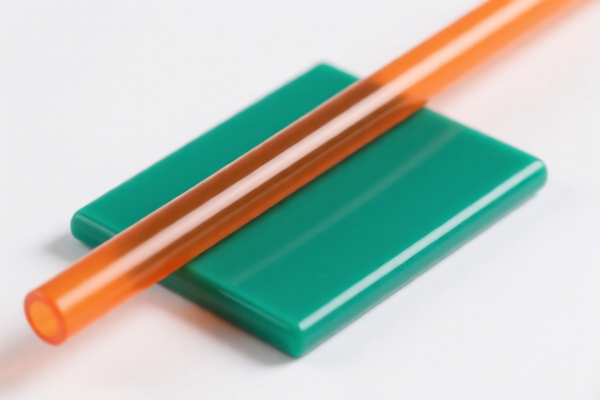
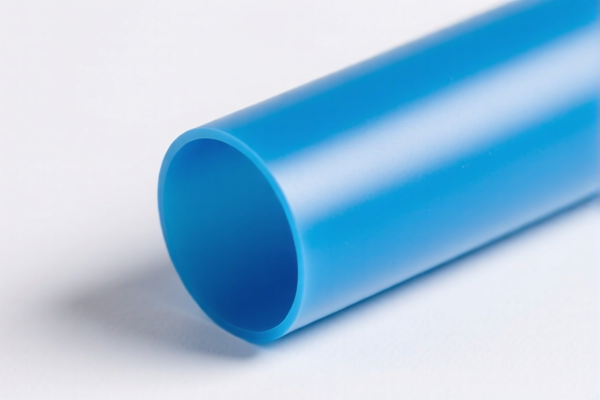
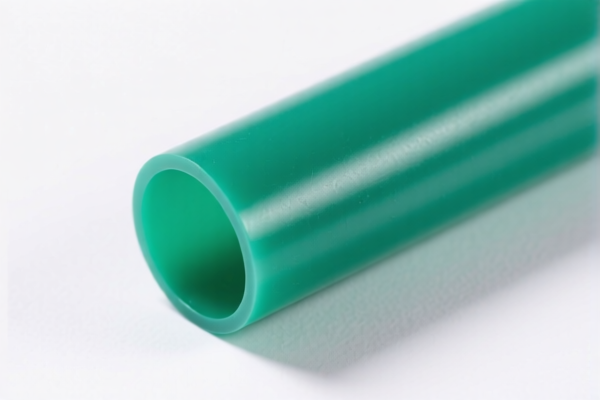
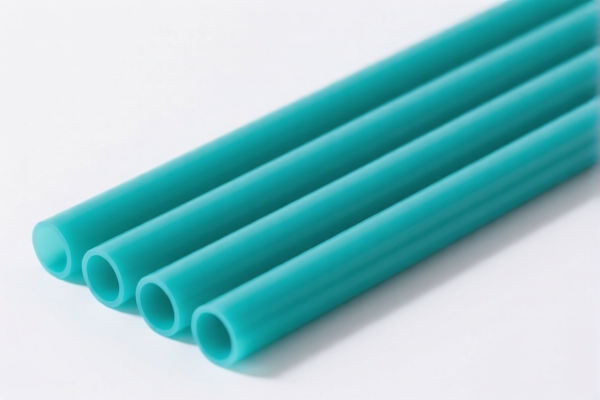
AI Analysis
🛡️ PTFE Sheet (Polytetrafluoroethylene) | The "Queen of Plastics"
🌐 HS Code Reference & Customs Clearance Guide | 2026 Latest Tariff Analysis | Professional Clearance Strategy
📌 I. Product Definition: What Exactly is a "PTFE Sheet"?
PTFE (Polytetrafluoroethylene), commonly known as Teflon®, is a high-performance fluoropolymer renowned for its exceptional chemical resistance, low friction, and wide temperature range. In international trade, raw PTFE material is classified based on its physical form and state of processing.
The term "Sheet" implies a specific format: flat, rigid or semi-rigid, with parallel surfaces. It falls under the chapter of Plastics and Articles Thereof.
⚠️ Key Distinction:
- Is it Raw Material (Primary Shape)? → Look at Chapter 3904 (Primary forms of fluoropolymers).
- Is it a Manufactured Plate/Sheet (Further processed)? → Look at Chapter 3920 (Other plates, sheets, film, foil, and strip).
- Note: The boundary between "Primary Form" and "Plate" can be tricky. The Customs authorities often look at whether the material has been shaped into a final usable plate structure versus just being polymer resin blocks.
📦 II. HS Code Classification Details (2026 Latest Tariff Authority Comparison)
Based on the provided data, here are the three most likely HS Codes for PTFE Sheets, categorized by their specific classification logic.
| HS Code | Product Description | Classification Logic | Applicable Scenario |
|---|---|---|---|
3904.61.00.90 |
Primary Form of Polytetrafluoroethylene | Matches "Polytetrafluoroethylene" material with "Sheet" form, categorized under Polymer Primary Forms. | Often used for large blocks of raw PTFE resin before final machining, or where the "sheet" is considered a semi-finished primary form. |
3920.99.50.00 |
Other Plates, Sheets, Film, Foil of Plastics | Material is Teflon Plastic, Form is Sheet, fits the Plate/Sheet/Film/Foil classification. | Standard finished PTFE sheets ready for cutting/machining into parts. |
3920.99.20.00 |
Other Plastic Plates/Sheets | Material is Teflon Plastic, Form is Sheet, fits Other Plastic Plate/Sheet category. | A specific subset of "Other Plastic Sheets," potentially implying a different thickness or specific industrial grade not covered by the general "99.50" code. |
🔍 Key Insight:
-3904.61focuses on the Material Identity (Fluoropolymer Primary Form).
-3920.99focuses on the Product Form (Plastic Sheets/Plates).
- The choice depends heavily on the exact physical state at the time of import (e.g., is it a raw molded block or a precision-cut sheet?) and how the customs broker defines "Primary Form" vs. "Manufactured Article."
💰 III. 2026 Latest Tariff Rate Breakdown (Including Surtaxes & Policy Add-ons)
✅ Applicable Country: USA (US)
✅ Origin: China (CN)
✅ Effective Date: Post-2025/2026 Trade Policies
🎯 1. HS Code 3904.61.00.90 — Polymer Primary Form (PTFE)
| Item | Detail |
|---|---|
| Base Tariff | 5.8% |
| Section 301 Surcharge | +25.0% (High Penalty) |
| Section 122 Tariff | +10.0% (Specific US Policy Add-on) |
| Total Tax Rate | 40.8% |
| Tax Calculation | CIF Value × 40.8% |
| De Minimis Eligibility | ❌ NO (Strictly prohibited for Chinese origin under these surcharges) |
| Legal Path | Base: 5.8% → 301: 25% → Sec 122: 10% |
📌 Explanation:
- This code attracts the full brunt of US trade tariffs.
- Total 40.8% is a significant cost factor.
- "Section 122" refers to specific national security or trade remedy clauses often applied to strategic materials.
🎯 2. HS Code 3920.99.50.00 — Other Plastic Sheets (PTFE)
| Item | Detail |
|---|---|
| Base Tariff | 5.8% |
| Section 301 Surcharge | +25.0% |
| Section 122 Tariff | +10.0% |
| Total Tax Rate | 40.8% |
| Tax Calculation | CIF Value × 40.8% |
| De Minimis Eligibility | ❌ NO |
| Legal Path | Base: 5.8% → 301: 25% → Sec 122: 10% |
📌 Note:
- Identical tax burden to3904.61.
- Classification as a "Sheet" does not exempt it from high tariffs.
🎯 3. HS Code 3920.99.20.00 — Other Plastic Plates/Sheets
| Item | Detail |
|---|---|
| Base Tariff | 4.2% |
| Section 301 Surcharge | +25.0% |
| Section 122 Tariff | +10.0% |
| Total Tax Rate | 39.2% |
| Tax Calculation | CIF Value × 39.2% |
| De Minimis Eligibility | ❌ NO |
| Legal Path | Base: 4.2% → 301: 25% → Sec 122: 10% |
📌 Advantage:
- This code offers a slight tax advantage (1.6% less) due to a lower base rate (4.2% vs 5.8%).
- However, this only applies if the product strictly meets the criteria for3920.99.20.00. Misclassification can lead to penalties.
🛠️ IV. Customs Clearance Practical Advice (Live Pitfall Avoidance Guide)
✅ 1. Documentation Checklist (Non-negotiable)
| Document | Required | Purpose |
|---|---|---|
| ✅ Product Specification Sheet | ✔️ | Must clearly state: Material: PTFE (100%), Form: Sheet, Thickness, Dimensions. |
| ✅ Material Safety Data Sheet (MSDS) | ✔️ | Confirms chemical composition; proves no restricted hazardous materials. |
| ✅ Commercial Invoice | ✔️ | Must describe as "PTFE Sheet, Chemical Grade, Non-Stick Coating Material". Avoid vague terms like "Plastic Part." |
| ✅ Packing List | ✔️ | Weight and volume details for duty calculation. |
| ✅ Certificate of Origin (CO) | ✔️ | To prove Country of Origin (China). |
| ✅ Proof of Processing | ✔️ | If claiming 3904 vs 3920, provide evidence of manufacturing process (extrusion vs. molding). |
✅ 2. Classification Strategy (Crucial for Tax Optimization)
🔥 "Material Matters, Form Defines, Code Chooses, Tax Follows!"
| Scenario | Recommended HS Code | Tax Rate | Why? |
|---|---|---|---|
| Raw PTFE Blocks/Slabs | 3904.61.00.90 |
40.8% | Classified as "Primary Form" of fluoropolymers. |
| Standard PTFE Sheets (General) | 3920.99.50.00 |
40.8% | Classified as "Other Plastic Sheets." |
| Specific PTFE Sheets (Optimized) | 3920.99.20.00 |
39.2% | Only if it fits the specific "Other Plastic Plate" sub-category. Verify with broker! |
📌 Critical Warning:
- Do NOT assume3920.99.20.00is always better. Customs may challenge it if the sheet is thick or raw.
- Section 122 (10%) applies to ALL three codes for Chinese origin. This is a fixed cost.
- Section 301 (25%) is unavoidable for most PTFE products from China.
✅ 3. Special Handling Tips
| Situation | Handling Advice |
|---|---|
| OEM Custom Sizes | Declare as "PTFE Sheets, Custom Cut." Ensure dimensions are listed to prove it's a sheet, not a "part." |
| Mixed Materials | If PTFE is laminated with metal/plastic, the classification changes completely! Keep PTFE pure. |
| Small Samples | No De Minimis Exemption. Even small shipments are subject to 39.2%-40.8% tax. |
| Pre-Cut Parts | If cut into gaskets/valves, it may move to Chapter 84 (Machinery Parts). Declare as Sheets if intended for further machining. |
🌍 V. Global Market Comparison (2026 Update)
| Market | Recommended HS Code | Base Tariff | Key Surtaxes | Total Est. Tax |
|---|---|---|---|---|
| 🇺🇸 USA | 3920.99.20.00 |
4.2% | 301 (25%) + Sec 122 (10%) | 39.2% |
| 🇨🇳 China | 3920.99.20.00 |
6.5% | None | 6.5% |
| 🇪🇺 EU | 3920.99.20.00 |
6.5% | None | 6.5% |
| 🇮🇳 India | 3920.99.99.00 |
~7-10% | SWS/Cess | ~12-15% |
📌 Conclusion:
- USA is the most expensive market due to dual surcharges (301 + 122).
- EU and China have stable, low tariffs.
- Strategy: If exporting to the US, consider supply chain diversification (e.g., PTFE production in Vietnam/Malaysia) to avoid Section 122 and 301 tariffs, if feasible.
📌 VI. Common Mistakes & Pitfalls (Blood Lessons)
❌ Mistake 1: Declaring as "Plastic Plate" with vague material composition.
👉 Consequence: Customs rejects, delays shipment, imposes 10% penalty + interest.
❌ Mistake 2: Using 3920.99.20.00 for raw PTFE blocks.
👉 Consequence: Audited later, deemed misclassification, back taxes + penalties.
❌ Mistake 3: Ignoring Section 122.
👉 Consequence: Underpayment by 10%. Retroactive billing by CBP.
❌ Mistake 4: Thinking small shipments avoid tax.
👉 Consequence: No de minimis for China-origin goods under current policy. Pay full tax.
✅ Correct Declaration Example:
"PTFE (Polytetrafluoroethylene) Sheets, White, 1/4" Thick, 48"x48", Chemical Resistant, Non-Stick, Made in China. HS: 3920.99.20.00"
🎯 VII. Conclusion: Precision in Classification, Savings in Cost!
🎯 Remember the Golden Rules:
🔹 "PTFE is King, but Tariffs are Heavy!"
🔹 "Check 3904 vs 3920: It’s about Raw vs. Processed."
🔹 "Sec 122 + 301 = 35% Surcharge. Budget Accordingly."
🔹 "Small Savings (1.6%) in Base Rate Matter on Large Volumes."
📌 Pro Tip:
If your PTFE sheets are exported from China, always budget for ~40% total tax.
Consider Advance Rulings from US Customs (CBP) to lock in the correct HS Code (3920.99.20.00vs3920.99.50.00) and avoid future disputes.
📣 Immediate Action Required:
📞 Contact your Customs Broker to confirm if your specific PTFE sheet qualifies for
3920.99.20.00(39.2% tax) or if it falls under3904.61/3920.99.50(40.8% tax).
📄 Prepare full specs to justify your classification.
🚀 Plan your cash flow for the high tariff impact.
✨ Customs Compliance Starts with Accurate Classification!
💼 Every percentage point saved is pure profit!
Customer Reviews
About HS Code Classification
The Harmonized System (HS) is an internationally standardized nomenclature developed by the World Customs Organization (WCO) to classify traded products. Over 200 countries use the HS system as the basis for customs tariffs, trade statistics, and import/export regulations.
Each HS code follows a hierarchical structure:
- Chapter (2 digits) — Broad category of goods (e.g., Chapter 84: Machinery and Mechanical Appliances)
- Heading (4 digits) — More specific grouping within the chapter
- Subheading (6 digits) — Internationally standardized breakdown, used by all WCO member countries
- National subdivisions (8-10 digits) — Country-specific extensions for further classification, such as US HTSUS 10-digit codes
Correct HS code classification is essential for smooth customs clearance, accurate duty payment, and compliance with trade regulations. Misclassification can lead to customs delays, overpayment of duties, or penalties.
When importing from CN to US, the applicable tariff rates may include:
- Most-Favored-Nation (MFN) rate — The standard duty rate applied to WTO members
- General rate — Applied to countries without trade agreements
- Trade remedy duties — Additional tariffs such as Section 301 (anti-dumping), Section 232 (national security), or countervailing duties
The information provided on this page is for reference purposes only. For official classification, please consult with your local customs authority or a licensed customs broker.