pu patent leather
CN → US| HS Code | Tariff Rate | Origin | Destination | Doc |
|---|---|---|---|---|
| 3921131500 | 16.5% | CN | US | Official Doc |
| 3921135000 | 39.2% | CN | US | Official Doc |
| 4114203000 | 37.3% | CN | US | Official Doc |
| 4114207000 | 36.6% | CN | US | Official Doc |
| 5903202000 | 35.0% | CN | US | Official Doc |
| 5903202500 | 42.5% | CN | US | Official Doc |
Product Images
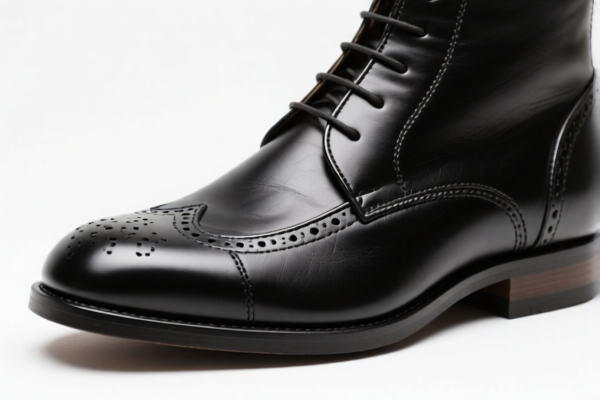
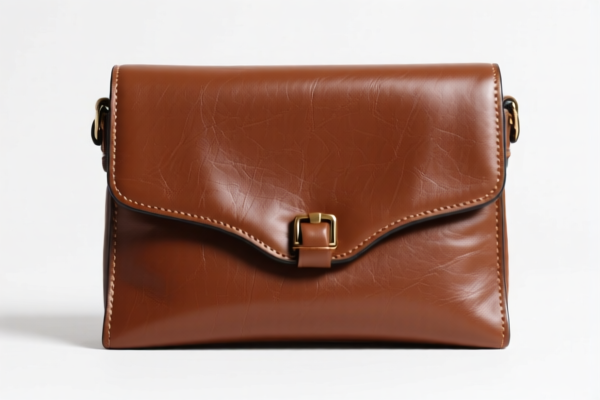
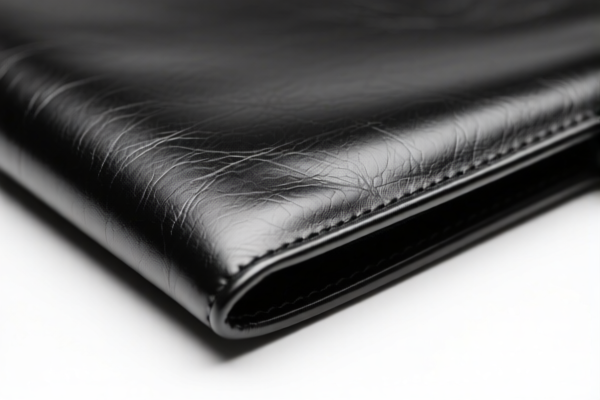
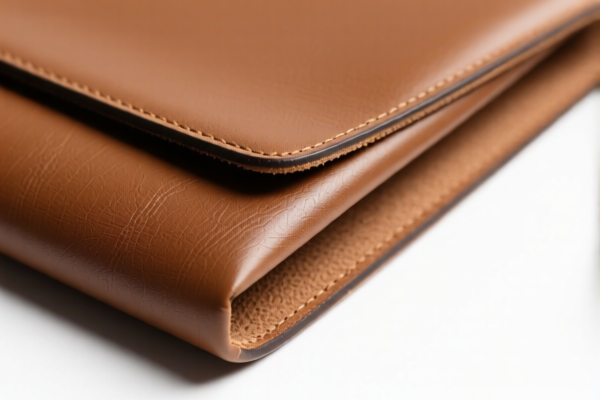
AI Analysis
💼 PU Patent Leather: The "High-Gloss" Textile Trap
🌐 HS Code Reference & Customs Clearance Guide | 2026 Latest Tariff Analysis | Professional Strategy for Plastic-Coated Textiles
📌 I. Product Definition & Classification: What is "PU Patent Leather"?
PU Patent Leather (Polyurethane Patent Leather) is NOT traditional animal leather. It is a textile fabric that has been impregnated, coated, covered, or laminated with plastics (specifically Polyurethane).
In international trade, this distinction is critical because it determines whether the goods fall under Chapter 41 (Leather) or Chapter 59 (Impregnated Textiles).
⚠️ Critical Distinction:
- True Patent Leather (Animal): Made from cured animal hides, surface-finished with a high-gloss lacquer. → Chapter 41.
- PU Patent Leather: Made from woven/non-woven synthetic fibers (Polyester, Nylon, etc.) coated with Polyurethane to mimic the look and feel of patent leather. → Chapter 59 (Textiles) or Chapter 39 (Plastics).🔍 Key Identification Point:
- If the base material is man-made fibers (e.g., Polyester) and >70% of the weight is plastic/rubber, it is classified under Heading 59.03.
- If it is a rigid/pliable sheet/film combined with textiles but not a "fabric" in the weaving sense, it might fall under Heading 39.21.
📦 II. HS Code Classification Details (2026 Latest Tariff Authority Match)
Based on the provided data, PU Patent Leather is primarily misclassified if users assume it is "Leather." It is legally a Plastic-Coated Textile. Below are the correct HS Codes from your dataset:
| HS Code | Product Description | Application Scenario | Base Material |
|---|---|---|---|
| 5903.20.20.00 | Textile fabrics impregnated/coated with plastics: With polyurethane: Of man-made fibers: Other: Over 70% by weight of rubber or plastics | Standard PU Patent Leather (Fabric base, heavy PU coating) | Man-made fibers (Polyester/Nylon) |
| 5903.20.25.00 | Textile fabrics impregnated/coated with plastics: With polyurethane: Of man-made fibers: Other: Other | Lower PU content PU leather or different coating methods | Man-made fibers |
| 3921.13.15.00 | Other plates, sheets, film... of plastics: Cellular: Of polyurethanes: Combined with textile materials: Products with man-made fibers predominate | Laminated PU Sheets (Foam layer + Textile backing) | Man-made fibers |
| 4114.20.30.00 | Chamois leather; patent leather...: Patent leather | TRUE Animal Leather with patent finish (Rare for "PU" product) | Animal Hide |
| 4114.20.70.00 | ...Patent laminated leather; metallized leather...: Other | Non-standard patent laminates | Animal Hide |
🔍 Priority Classification:
For "PU Patent Leather", the most common and accurate classification is5903.20.20.00IF the polyurethane coating exceeds 70% by weight.
If it is a cellular (foam) layer laminated to fabric, use3921.13.15.00.
Do NOT use 4114.20.xxxx unless you are importing actual animal hide with a patent finish.
💰 III. 2026 Latest Tariff Rate Breakdown (USA Import)
✅ Applicable Country: United States (US)
✅ Origin: China (CN)
✅ Effective Time: 2025–2026 (Subject to Section 301 & IEEPA)
🎯 1. 5903.20.20.00 —— PU Patent Leather (Textile Base, High PU Content)
This is the most common code for synthetic PU leather goods.
| Item | Details |
|---|---|
| Base Tariff | 0.0% (Ad Valorem) |
| Section 301 (Trump Tariff) | +25.0% |
| Total Effective Tax | 25.0% |
| De Minimis Eligibility | ❌ NO (Deny De Minimis for Section 301 goods) |
| Calculation Basis | CIF Value × 25% |
| Legal Path | USITC:5903.20.20.00 → SECTION_301:LIST_3 |
📌 Explanation:
- Although the base duty is 0%, the 25% additional tariff applies to most Chinese-origin plastics/textile hybrids.
- This code is high-risk for customs audits if the plastic content is misdeclared.
🎯 2. 3921.13.15.00 —— Cellular PU Combined with Textiles
Used for foam-based PU leather (softer, spongy feel).
| Item | Details |
|---|---|
| Base Tariff | 0.0% |
| Section 301 (Trump Tariff) | 0.0% |
| Total Effective Tax | 0.0% |
| De Minimis Eligibility | ❓ Check Specifics (Usually exempt if not on List 4A/4B) |
| Legal Path | USITC:3921.13.15.00 |
📌 Strategic Insight:
- If your product is cellular (foam) PU, it may qualify for 0% total duty under3921.13.15.00.
- Caution: You must prove it is "Cellular" and "Combined with Textile Materials" with man-made fibers predominating.
🎯 3. 5903.20.25.00 —— Other PU-Coated Textiles
Lower PU content or non-cellular.
| Item | Details |
|---|---|
| Base Tariff | 0.0% |
| Section 301 (Trump Tariff) | 0.0% |
| Total Effective Tax | 0.0% |
| De Minimis Eligibility | ❓ Check Specifics |
🛠️ IV. Customs Clearance Practical Advice (Pitfall Avoidance)
✅ 1. Documentation Checklist (Essential for Clearance)
| Document | Requirement | Why? |
|---|---|---|
| ✅ Product Specification Sheet | Must state: "Polyurethane Coated Textile Fabric" | To differentiate from Animal Leather |
| ✅ Material Composition Test | Proof of base fiber (e.g., 100% Polyester) and PU weight % | To justify 5903 vs 3921 |
| ✅ Photos (Surface & Cross-Section) | Show gloss surface AND textile weave/foam layer | Visual proof of "Fabric + Plastic" |
| ✅ Commercial Invoice | Description: "PU Leather Fabric" or "Synthetic Patent Leather" | Avoid word "Leather" without "Synthetic/PU" prefix |
| ✅ Packing List | Weight per roll/meter | To calculate weight-based classifications |
✅ 2. Declaration Strategy (Key Tips)
🔥 Golden Rule:
"Never declare as 'Patent Leather' alone. Always declare as 'PU Coated Textile' or 'Synthetic Leather'."
| Scenario | Correct Declaration | Incorrect Declaration | Risk |
|---|---|---|---|
| Standard PU Leather | "Polyurethane Coated Polyester Fabric" | "Patent Leather" | Misclassification (Ch 41 vs 59) |
| Foam PU Leather | "Cellular Polyurethane Laminated Textile" | "Foam Leather" | Duty rate ambiguity |
| Animal Patent Leather | "Cured Bovine Patent Leather" | "PU Patent Leather" | High duty (if CN origin) |
⚠️ Warning:
- If you declare4114.20.30.00(Animal Patent) for a PU product, customs will reclassify it to 5903.20.20.00.
- While both have 25% total tax (from the data), the legal violation of false declaration can lead to seizure, fines, and loss of importer security.
✅ 3. Special Cases & Exemptions
| Situation | Recommendation |
|---|---|
| De Minimis (Section 321) | ❌ Do NOT use. Section 301 goods (like 5903.20.20.00) are excluded from $800 de minimis. |
| Free Trade Agreements (FTA) | Check if product qualifies under USMCA (if Canadian/Mexican origin). PU leather often fails origin rules. |
| Pre-Ruling | ✅ Strongly Recommended. Apply for an Advance Ruling with CBP to lock in the HS Code 5903.20.20.00 vs 3921.13.15.00. |
🌍 V. Global Market Comparison (2026)
| Market | Recommended HS Code | Total Tax (China Origin) | Key Requirement |
|---|---|---|---|
| 🇺🇸 USA | 5903.20.20.00 |
25.0% | Section 301 Tariff Applies |
| 🇨🇳 China | 5903.20.20.00 |
~5-7% | Standard Import Duty |
| 🇪🇺 EU | 5903.20.00 |
~6.5% | CE Marking (if end-use) |
| 🇬🇧 UK | 5903.20.00 |
~6.5% | Post-Brexit Tariffs |
📌 Conclusion:
- USA is the most expensive market due to the 25% Section 301 tariff.
- EU/UK have standard duties but no political surcharges.
- Cost Optimization: If possible, shift sourcing to Vietnam, India, or Indonesia to avoid US Section 301 tariffs.
📌 VI. Common Mistakes & Pitfalls (Lessons Learned)
❌ Mistake 1: Using "Patent Leather" as the product name.
👉 Consequence: Customs assumes Animal Leather (Ch 41). If it's PU, they will reclassify and assess penalties for misdeclaration.
❌ Mistake 2: Declaring 3921 for a non-cellular fabric.
👉 Consequence: Goods held for inspection. If it's a woven fabric, it MUST be 5903. Fines for incorrect tariff.
❌ Mistake 3: Assuming De Minimis applies.
👉 Consequence: Package seized at border. 5903.20.20.00 is explicitly excluded from $800 exemption.
✅ Correct Action:
"Synthetic PU Leather Fabric, 100% Polyester Base, Polyurethane Coating, Gloss Finish, Roll 100m"
🎯 VII. Conclusion: Precision in Classification Saves Money
🎯 Key Takeaways:
🔹 "PU Leather" is TEXTILE, not LEATHER.
🔹 Main HS Code:5903.20.20.00(Tax: 25%).
🔹 Alternative:3921.13.15.00(Tax: 0%) IF Cellular/Foam.
🔹 Avoid "De Minimis" for US imports.
📌 Pro Tip:
If your PU leather is cellular (foam-based), aggressively pursue classification under 3921.13.15.00 to achieve 0% tariff. Provide cross-section photos to prove the cellular structure.
📣 Immediate Action Required:
📞 Contact your customs broker with:
1. Material Test Report (Fiber % & Coating Weight %)
2. Clear Photos of Texture & Cross-Section
3. Request HS Code Pre-Ruling for5903.20.20.00vs3921.13.15.00
✨ Professional Customs Clearance Starts with Accurate Classification!
💼 Don't let a "Leather" misclassification cost you 25% profit margin!
Customer Reviews
About HS Code Classification
The Harmonized System (HS) is an internationally standardized nomenclature developed by the World Customs Organization (WCO) to classify traded products. Over 200 countries use the HS system as the basis for customs tariffs, trade statistics, and import/export regulations.
Each HS code follows a hierarchical structure:
- Chapter (2 digits) — Broad category of goods (e.g., Chapter 84: Machinery and Mechanical Appliances)
- Heading (4 digits) — More specific grouping within the chapter
- Subheading (6 digits) — Internationally standardized breakdown, used by all WCO member countries
- National subdivisions (8-10 digits) — Country-specific extensions for further classification, such as US HTSUS 10-digit codes
Correct HS code classification is essential for smooth customs clearance, accurate duty payment, and compliance with trade regulations. Misclassification can lead to customs delays, overpayment of duties, or penalties.
When importing from CN to US, the applicable tariff rates may include:
- Most-Favored-Nation (MFN) rate — The standard duty rate applied to WTO members
- General rate — Applied to countries without trade agreements
- Trade remedy duties — Additional tariffs such as Section 301 (anti-dumping), Section 232 (national security), or countervailing duties
The information provided on this page is for reference purposes only. For official classification, please consult with your local customs authority or a licensed customs broker.