pulp agricultural supplies
CN → US| HS Code | Tariff Rate | Origin | Destination | Doc |
|---|---|---|---|---|
| 4701000000 | 35.0% | CN | US | Official Doc |
| 4703110000 | 35.0% | CN | US | Official Doc |
| 4703190000 | 35.0% | CN | US | Official Doc |
| 4705000000 | 35.0% | CN | US | Official Doc |
| 4706200000 | 35.0% | CN | US | Official Doc |
Product Images

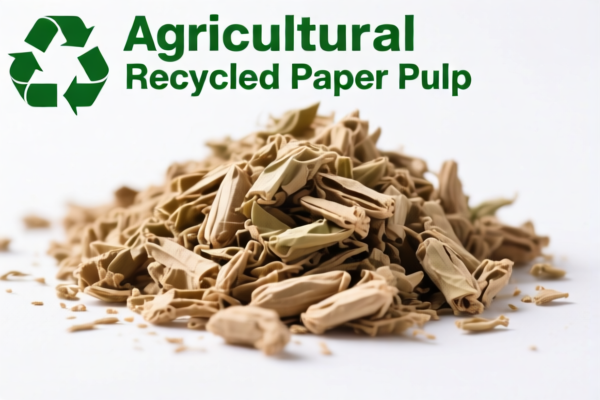


AI Analysis
🌲 Pulp Agricultural Supplies (Raw Material Classification)
🌐 HS Code Reference & Clearance Guide | 2026 Latest Tariff Analysis | Professional Customs Strategy
📌 I. Product Definition & Classification: Do You Really Understand "Pulp" for Agricultural Use?
Pulp, when classified under Chapter 47 (Wood Pulp and Other Fibrous Cellulosic Pulp), refers to the raw material derived from wood or other fibrous materials, processed via mechanical or chemical means. In international trade, specifically for agricultural supply chains (e.g., packaging, mulch, biodegradable substrates), these products are strictly categorized based on their manufacturing process and physical form.
⚠️ Critical Distinction:
- If the pulp is mechanically produced (groundwood) → It falls under 4701.00.00.00.
- If the pulp is chemically produced (dissolving or bleached) → It falls under 4703.11.00.00 or 4703.19.00.00.
- If the pulp is a mixture of mechanical and chemical methods → It falls under 4705.00.00.00.
- If it is semi-chemically or mechanical fiber pulp from other fibrous materials (e.g., straw, bagasse) → It falls under 4706.20.00.00.
📦 II. HS Code Classification Details (2026 Latest Tariff Authority Alignment)
| HS Code | Product Description | Application Scenario | Key Feature |
|---|---|---|---|
4701.00.00.00 |
Wood Pulp, Mechanical (Groundwood) | Agricultural mulch, basic packaging, low-grade paper substrates | ✅ Purely Mechanical Process |
4703.11.00.00 |
Wood Pulp, Chemical, Unbleached (Semi-bleached/Softwood) | Biodegradable agricultural covers, high-strength packaging | ✅ Chemical Process (Unbleached) |
4703.19.00.00 |
Wood Pulp, Chemical, Bleached (Hardwood/Other) | White agricultural sheets, hygiene-related agri-supplies | ✅ Chemical Process (Bleached) |
4705.00.00.00 |
Wood Pulp, Mechanical and Chemical (Sulfite/Soda) | Mixed-process agricultural substrates, specialty packaging | ✅ Mixed Process |
4706.20.00.00 |
Pulp from Other Fibrous Cellulosic Materials (Sulfite) | Bagasse pulp, straw pulp, non-wood agricultural waste conversion | ✅ Non-Wood Fiber Source |
🔍 Key Reminder:
- All these HS codes are for raw pulp materials, not finished agricultural products.
- If the product is finished (e.g., pre-formed pots, finished mulch mats), it may fall under Chapter 46 or Chapter 48, not Chapter 47.
- Strict Compliance: Misclassification leads to severe penalties due to the high tariff rates associated with these items.
💰 III. 2026 Latest Tariff Rate Breakdown (Including Surtaxes & Policy Add-ons)
✅ Applicable Country: United States (US)
✅ Origin: China (CN)
✅ Effective Date: 2025/2026 (Current Trade War Context)
🎯 1. General Tariff Structure for All Listed HS Codes
All five HS codes listed in your data share the same tariff structure due to the ongoing trade tensions.
| Item | Content |
|---|---|
| Base Rate | 0.0% (Ad Valorem) |
| Additional Tariff (Section 301) | +25.0% (USITC Footnote 9903.47.00 series) |
| Section 122 Tariff | +10.0% (Specific clause for certain pulp/fiber imports) |
| Total Tariff Rate | 35.0% |
| Tax Calculation | CIF Value × 35% |
| De Minimis Exemption | ❌ Not Applicable (High-risk category) |
| Legal Basis Path | USITC:4701/4703/4705/4706 → FOOTNOTE:9903.47.x → Section 122: 10% |
📌 Explanation:
- The 25% surcharge is the standard Section 301 tariff on Chinese wood pulp products.
- The 10% Section 122 tariff is an additional layer specifically targeting certain fibrous materials.
- Total Impact: A 35% tax significantly impacts cost margins for agricultural supplies made from these materials.
🎯 2. Detailed Breakdown by HS Code
A. 4701.00.00.00 – Mechanical Wood Pulp
| Project | Detail |
|---|---|
| Base Tariff | 0.0% |
| Section 301 Surtax | +25.0% |
| Section 122 Tariff | +10.0% |
| Total | 35.0% |
| Agri-Use Note | Often used for mulch. Ensure documentation clearly states "Mechanical Wood Pulp" to avoid confusion with chemical pulp. |
B. 4703.11.00.00 – Chemical Wood Pulp (Unbleached)
| Project | Detail |
|---|---|
| Base Tariff | 0.0% |
| Section 301 Surtax | +25.0% |
| Section 122 Tariff | +10.0% |
| Total | 35.0% |
| Agri-Use Note | Used for high-strength agricultural sheets. Verify "Unbleached" status to prevent misclassification as bleached (different sub-heading). |
C. 4703.19.00.00 – Chemical Wood Pulp (Bleached)
| Project | Detail |
|---|---|
| Base Tariff | 0.0% |
| Section 301 Surtax | +25.0% |
| Section 122 Tariff | +10.0% |
| Total | 35.0% |
| Agri-Use Note | Common for white biodegradable trays. Ensure bleach process is documented to justify HS Code 4703.19. |
D. 4705.00.00.00 – Mixed Mechanical & Chemical Pulp
| Project | Detail |
|---|---|
| Base Tariff | 0.0% |
| Section 301 Surtax | +25.0% |
| Section 122 Tariff | +10.0% |
| Total | 35.0% |
| Agri-Use Note | Rarely used in modern agri-supply chains unless for specific composite materials. |
E. 4706.20.00.00 – Pulp from Other Fibrous Materials
| Project | Detail |
|---|---|
| Base Tariff | 0.0% |
| Section 301 Surtax | +25.0% |
| Section 122 Tariff | +10.0% |
| Total | 35.0% |
| Agri-Use Note | High Relevance for Agriculture: Includes straw, bagasse, and bamboo pulp. If your "Agri Supply" is made from agricultural waste, this is the correct HS Code. |
🛠️ IV. Customs Clearance Practical Advice (Real-World Pitfall Guide)
✅ 1. Documentation Checklist (Mandatory)
| Document | Required | Description |
|---|---|---|
| ✅ Product Specification Sheet | ✔️ | Must detail: Fiber source (Wood vs. Non-Wood), Pulping Method (Mechanical/Chemical), Bleaching Status. |
| ✅ Certificate of Origin (CO) | ✔️ | To confirm CN origin and apply accurate tariffs. |
| ✅ Process Flow Diagram | ✔️ | Critical to prove whether it's Mechanical (4701), Chemical (4703), or Mixed (4705). |
| ✅ Commercial Invoice | ✔️ | Must clearly state "Wood Pulp" or "Fiber Pulp," NOT generic "Agri Supplies." |
| ✅ Packing List | ✔️ | Show net weight, gross weight, and packaging type. |
✅ 2. Classification Strategy (Key Mnemonic)
🔥 "Source Defines HS: Wood vs. Other, Chem vs. Mech, Bleached vs. Unbleached!"
| Scenario | Correct HS Code | Error Consequence |
|---|---|---|
| Wood Pulp, Mechanical | 4701.00.00.00 |
Misclassify as 4703 → Potential penalty for false declaration |
| Wood Pulp, Chemical, Unbleached | 4703.11.00.00 |
Misclassify as 4703.19 → Same tax, but audit risk |
| Straw/Bagasse Pulp | 4706.20.00.00 |
Misclassify as Wood Pulp → Incorrect Origin & Tax Basis |
| Finished Biodegradable Pots | NOT Chapter 47 | Declaring finished goods as raw pulp → Smuggling Risk |
✅ 3. Special Cases
| Situation | Handling Advice |
|---|---|
| Non-Wood Fiber Pulp (Straw, etc.) | Use 4706.20.00.00. Provide lab test reports confirming non-wood origin. |
| Mixed Pulp (Wood + Non-Wood) | If the primary component is wood, use 4705. If non-wood dominates, use 4706. |
| Pulp for Papermaking vs. Agri Use | HS Code is based on product nature, not end-use. Both use Chapter 47 if they are raw pulp. |
🌍 V. Global Market Comparison (2026 Latest)
| Country/Region | Recommended HS Code | Tariff (China Origin) | Certification Required | Notes |
|---|---|---|---|---|
| 🇺🇸 USA | 4701/4703/4705/4706 |
35.0% (0% + 25% + 10%) | None specific | High tariff barrier; consider supply chain diversification. |
| 🇨🇳 China | 4701/4703/4705/4706 |
5.0% (Standard MFN) | CCC (if applicable) | No Section 301 or 122 tariffs. |
| 🇪🇺 EU | 4701/4703/4705/4706 |
0% (Most FTA) | FSC/PEFC (Sustainability) | Low tariff, but high sustainability compliance. |
| 🇯🇵 Japan | 4701/4703/4705/4706 |
5.0% | JIS Standard | Moderate tariff, strict quality control. |
📌 Conclusion:
- USA imposes the highest barrier (35%) on Chinese pulp.
- EU and Japan offer lower tariffs but require strict sustainability certifications.
- For agricultural supplies, consider sourcing from non-US markets or using exempted suppliers if possible.
📌 VI. Common Errors & Pitfall Guide (Blood Lessons)
❌ Error 1: Declaring "Agri Supplies" without specifying Pulp Type
👉 Consequence: Customs delays, reclassification to highest tariff, fines.
❌ Error 2: Misclassifying Straw Pulp as Wood Pulp
👉 Consequence: 4706.20.00.00 vs 4701.00.00.00. While tax is same (35%), origin verification fails → Seizure Risk.
❌ Error 3: Ignoring Section 122 Tariff
👉 Consequence: Only paying 25% (Section 301) and forgetting the 10% (Section 122) → Underpayment + Penalties.
❌ Error 4: Confusing Pulp with Finished Paper Products
👉 Consequence: Pulp (Chapter 47) vs. Paper (Chapter 48). Paper products may have different tariffs and regulations.
✅ Correct Practice:
"Chemical Wood Pulp, Unbleached, Softwood, for Agricultural Packaging, HS 4703.11.00.00, Origin: China"
🎯 VII. Conclusion: Precise Classification, Cost Control, Efficient Clearance!
🎯 Remember the Mnemonic:
🔹 "Pulp Source Matters: Wood vs. Other, Chem vs. Mech!"
🔹 "35% Total Tax in USA: 0% Base + 25% 301 + 10% 122!"
🔹 "Agri Use Doesn't Change HS Code: Raw Pulp is Always Chapter 47!"
📌 Pro Tip:
If your "Agri Supplies" are biodegradable and compostable, ensure you have ** compostability certificates** (e.g., DIN CERTCO, BPI) to justify sustainability claims, even if tariffs remain high.
📣 Immediate Action:
📞 Contact a professional customs broker + Provide Process Flow Diagram + Apply for Advance Ruling if volume is high.
🚀 Optimize your supply chain to mitigate the 35% US Tariff Impact.
✨ Professional Customs Clearance Starts with Accurate Classification!
💼 Every Percent of Tax Saved is Pure Profit!
Customer Reviews
About HS Code Classification
The Harmonized System (HS) is an internationally standardized nomenclature developed by the World Customs Organization (WCO) to classify traded products. Over 200 countries use the HS system as the basis for customs tariffs, trade statistics, and import/export regulations.
Each HS code follows a hierarchical structure:
- Chapter (2 digits) — Broad category of goods (e.g., Chapter 84: Machinery and Mechanical Appliances)
- Heading (4 digits) — More specific grouping within the chapter
- Subheading (6 digits) — Internationally standardized breakdown, used by all WCO member countries
- National subdivisions (8-10 digits) — Country-specific extensions for further classification, such as US HTSUS 10-digit codes
Correct HS code classification is essential for smooth customs clearance, accurate duty payment, and compliance with trade regulations. Misclassification can lead to customs delays, overpayment of duties, or penalties.
When importing from CN to US, the applicable tariff rates may include:
- Most-Favored-Nation (MFN) rate — The standard duty rate applied to WTO members
- General rate — Applied to countries without trade agreements
- Trade remedy duties — Additional tariffs such as Section 301 (anti-dumping), Section 232 (national security), or countervailing duties
The information provided on this page is for reference purposes only. For official classification, please consult with your local customs authority or a licensed customs broker.