pulp special shape packaging
CN → US| HS Code | Tariff Rate | Origin | Destination | Doc |
|---|---|---|---|---|
| 3923900080 | 38.0% | CN | US | Official Doc |
| 3923109000 | 38.0% | CN | US | Official Doc |
| 4819504020 | 35.0% | CN | US | Official Doc |
| 4819100040 | 35.0% | CN | US | Official Doc |
Product Images
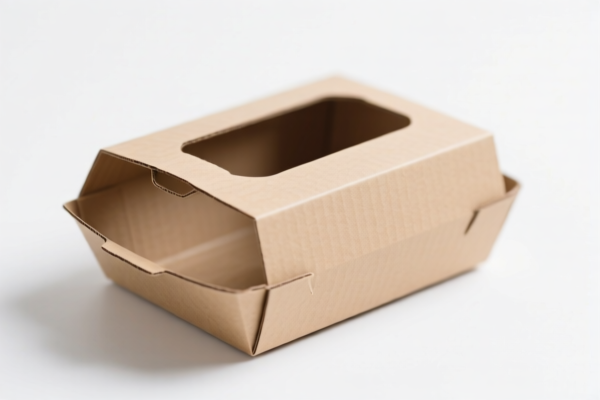
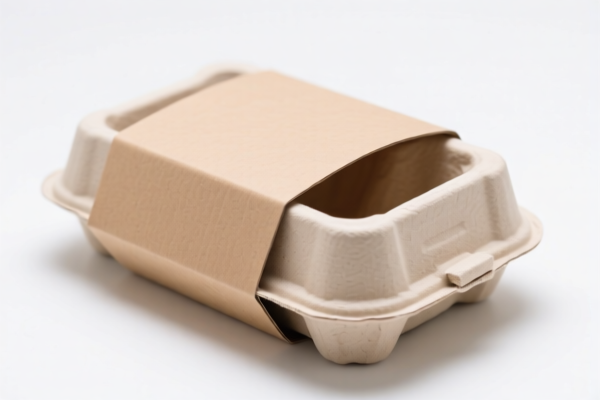
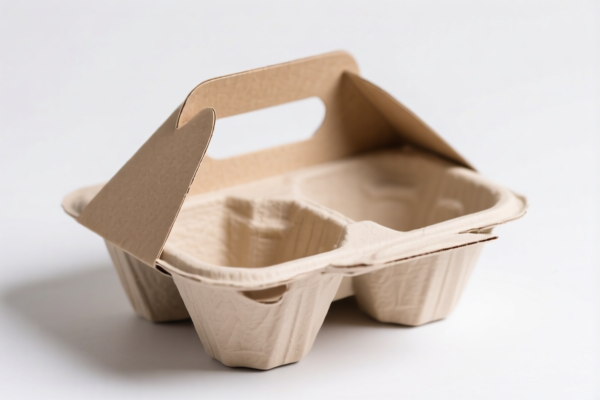
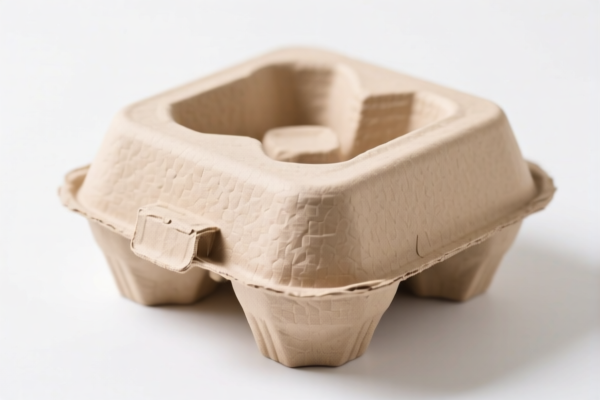
AI Analysis
📦 Pulp Special Shape Packaging (Molded Fiber Containers)
🌐 HS Code Reference & Customs Clearance Guide | 2026 Latest Tariff Analysis | Professional Strategy
📌 I. Product Definition: What Exactly is "Pulp Special Shape Packaging"?
Pulp Special Shape Packaging, commonly known as Molded Fiber or Egg Carton-style Packaging, refers to containers manufactured from recycled paper pulp or virgin wood pulp. Unlike flat cardboard sheets, these are three-dimensional, structural forms created through a molding process (often involving molds and heat/pressure).
In international trade, they fall under Chapter 48 (Paper and Paperboard). The key distinction for customs is: 1. Material: Must be primarily paper pulp/fiber (not plastic-coated heavily enough to change essential character, or if coated, the coating is secondary). 2. Form: "Special Shape" implies molded, rigid, or semi-rigid containers (boxes, trays, inserts), not just flat blanks or simple bags. 3. Usage: Industrial packaging, protective cushioning, or direct product containment.
⚠️ Critical Distinction:
- If the item is 100% plastic (even if shaped), it falls under Chapter 39.
- If it is flat paper sheets without molded structure, it may fall under 4804/4805 or 4819.20 (Cartons).
- Molded pulp specifically targets 4819.10 (Sacks/Bags) or 4819.50 (Other Containers).
📦 II. HS Code Classification Details (2026 Authorized Options from Data)
Based on the provided <DATA>, here are the exact HS Codes applicable to "Pulp Special Shape Packaging" and the rationale for each.
| HS Code | Product Description & Rationale | Tax Rate |
|---|---|---|
| 4819.10.00.40 | Paper Pulp Containers: Specifically designated for "Packaging containers made of paper or paperboard." This is the most precise fit for molded pulp boxes/trays. | 35.0% |
| 4819.50.40.20 | Other Paper Containers: For "Fiber-based packaging containers" that are industrial transport packaging. Used if the specific pulp structure doesn't fit the strict "sack/bag" definition of 4819.10 but is still a rigid container. | 35.0% |
| 3923.10.90.00 | Plastic Containers: ⚠️ Conditional: Only if the "pulp" is heavily coated with plastic or is a composite where plastic is the essential character. The data notes: "Applicable for industrial packaging, form is packaging container, no obvious conflict with plastic material." | 38.0% |
| 3923.90.00.80 | Other Plastic Packaging Materials: ⚠️ Conditional: A "fallback" category if the item is a composite (plastic + pulp) and doesn't fit the specific plastic container codes. Data notes: "Suitable for industrial packaging, material may be plastic or composite." | 38.0% |
🔍 Key Analysis:
- Primary Classification:4819.10.00.40or4819.50.40.20(Paper/Pulp). These are the correct classifications for true pulp packaging.
- Secondary/Composite Classification:3923.x0.x0.x0(Plastic). Use only if the product is plastic-dominated or a plastic-coated composite.
- Tax Impact: Paper-based (35%) is slightly cheaper than Plastic-based (38%) due to lower base tariffs.
💰 III. 2026 Tariff Rate Breakdown (Detailed Tax Clauses)
✅ Applicable Country: United States (US)
✅ Origin: China (CN)
✅ Effective Date: 2025/2026 (Current Trade War Context)
🎯 1. 4819.10.00.40 & 4819.50.40.20 — Paper/Pulp Containers
| Item | Content |
|---|---|
| Base Tariff (MFN) | 0.0% (For most paper containers, base tariff is often 0% or very low) |
| Section 301 / "122 Clause" Surcharge | +25.0% (USITC Footnote 9903.88.01 or equivalent for Chinese goods) |
| IEEPA Surcharge | +10.0% (Additional tariffs on Chinese products, effective from late 2025) |
| Total Tariff Rate | 35.0% |
| Tax Calculation | CIF Value × 35% |
| De Minimis Exemption? | ❌ NO (Deny De Minimis). These goods are subject to full duty. |
| Legal Path | USITC:4819.10.00.40 → FOOTNOTE:301 → IEEPA:9903.01.24 |
📌 Explanation:
- The Base Tariff is low (0%), but the Trade War Surcharges dominate the cost.
- 25% comes from the Section 301 list (List 4B typically includes paper products).
- 10% is the new IEEPA layer, raising the total to 35%.
🎯 2. 3923.10.90.00 & 3923.90.00.80 — Plastic/Composite Containers
| Item | Content |
|---|---|
| Base Tariff (MFN) | 3.0% (Plastic packaging usually has a small base duty) |
| Section 301 / "122 Clause" Surcharge | +25.0% |
| IEEPA Surcharge | +10.0% |
| Total Tariff Rate | 38.0% |
| Tax Calculation | CIF Value × 38% |
| De Minimis Exemption? | ❌ NO |
| Legal Path | USITC:3923.10.90.00 → FOOTNOTE:301 → IEEPA:9903.01.24 |
📌 Explanation:
- Even though the base tariff is low (3%), the surcharges are identical (25% + 10%).
- Total 38% is 3% higher than paper-based options.
- Risk: If customs inspectors determine your "pulp" packaging has significant plastic coating, they may reclassify it to Chapter 39, increasing your cost.
🛠️ IV. Customs Clearance Practical Advice
✅ 1. Documentation Checklist (Essential for Pulp Packaging)
| Document | Required? | Why? |
|---|---|---|
| Product Spec Sheet | ✔️ | Must clearly state: "100% Recycled Paper Pulp" or "Molded Fiber". Avoid vague terms like "Eco-friendly material." |
| Composition Analysis | ✔️ | If there is any plastic coating (e.g., for moisture resistance), disclose the % of plastic. >30% plastic may trigger Chapter 39. |
| Product Photos | ✔️ | Show the molded shape, texture, and any branding. Proves it's not flat cardboard. |
| Commercial Invoice | ✔️ | Describe as "Molded Pulp Packaging Container" or "Egg Carton Style Trays". Do NOT use "Plastic Wrap." |
| Origin Certificate | ✔️ | Mandatory to prove Chinese origin for accurate tariff application (and potential exemption searches). |
✅ 2. Classification Strategy (Do's and Don'ts)
| Scenario | Correct HS Code | Wrong HS Code | Consequence of Error |
|---|---|---|---|
| Pure Molded Pulp (Uncoated or light water-based coating) | 4819.10.00.40 |
3923.10.90.00 |
Overpaying 3% (38% vs 35%). Minor but unnecessary cost. |
| Heavy Plastic Coated (Waterproof, rigid plastic shell) | 3923.10.90.00 |
4819.10.00.40 |
Underpayment. Customs will assess back-tariffs + penalties. |
| Composite (Pulp core + thin plastic film) | Consult Specialist | Auto-assign 3923 |
Risk of reclassification. If plastic is secondary, stick to 4819. |
| Flat Paper Blanks (Not molded) | 4819.20 (Not in Data) |
4819.50 |
Misclassification. 4819.50 is for containers. Blanks are different. |
🔥 Pro Tip:
"Pulp is Paper, Not Plastic!"
Even if molded, if the raw material is paper pulp, fight for Chapter 48. The tax burden is lighter, and it aligns with "Eco-friendly" marketing claims.
✅ 3. Special Customs Alerts
- Moisture Resistance Coatings: If you use PE (Polyethylene) lining, customs may argue it's a "Plastic Bag" (
3923.30). Solution: Provide lab reports showing the paper component constitutes the essential character (>50% by weight/value). - "Special Shape" Ambiguity: If the shape is unique (e.g., custom electronic inserts), ensure it's not considered a "Part of a Machine" (
8473.30). Solution: Explicitly label as "Packaging Material" not "Device Part." - Section 301 Exemptions: Check if your specific HS Code currently has an exclusion from the 25% tariff. Some paper packaging items have been exempted in recent years. If not, the 35% is fixed.
🌍 V. Global Market Comparison (2026)
| Region | Recommended HS Code | Est. Tariff (China Origin) | Notes |
|---|---|---|---|
| 🇺🇸 USA | 4819.10.00.40 |
35.0% | High due to 301 + IEEPA. No de minimis. |
| 🇪🇺 EU | 4819.10 |
~6-12% | Lower base duties, no "122 clause" equivalent. |
| 🇨🇳 China | 4819.10 |
0-5% | Low import duty for pulp packaging. |
| 🇬🇧 UK | 4819.10 |
~6-12% | Post-Brexit tariff schedule similar to EU. |
📌 Conclusion:
The US market is the most expensive for pulp packaging due to layered tariffs.
For US exports, optimize packaging design to minimize volume (to reduce CIF value) and ensure strict adherence to Chapter 48 to avoid plastic classification.
📌 VI. Common Mistakes & Pitfalls
❌ Mistake 1: Calling it "Plastic Container" to avoid paper classification.
👉 Result: Customs rejects it if material is actually pulp. Leads to delays.
❌ Mistake 2: Ignoring the "122 Clause" and IEEPA.
👉 Result: Budgeting only for base duty (0-3%) and being shocked by 35-38% total.
❌ Mistake 3: Using vague descriptions like "Container."
👉 Result: Customs assigns random codes, possibly to higher-tax categories.
✅ Correct Approach:
"Molded Pulp Food Container, 100% Recycled Fiber, No Plastic Lining, Industrial Packaging"
→ Classify under 4819.10.00.40 → Pay 35% confidently.
🎯 VII. Final Recommendation
🎯 Key Takeaway:
🔹 True Pulp = Chapter 48 (35%)
🔹 Plastic/Composite = Chapter 39 (38%)
🔹 Total Cost = CIF × 35% (Minimum)
📞 Action Item:
1. Verify your product's material composition (Weight % of Paper vs. Plastic).
2. If >50% Paper, declare as 4819.10.00.40.
3. Include "Section 301 Surcharge" in your landed cost calculations.
4. Apply for Pre-Ruling if the product has unusual coatings or composites.
✨ Professional Customs Clearance Starts with Accurate Classification!
💼 Save 3% by Classifying Correctly!
Customer Reviews
About HS Code Classification
The Harmonized System (HS) is an internationally standardized nomenclature developed by the World Customs Organization (WCO) to classify traded products. Over 200 countries use the HS system as the basis for customs tariffs, trade statistics, and import/export regulations.
Each HS code follows a hierarchical structure:
- Chapter (2 digits) — Broad category of goods (e.g., Chapter 84: Machinery and Mechanical Appliances)
- Heading (4 digits) — More specific grouping within the chapter
- Subheading (6 digits) — Internationally standardized breakdown, used by all WCO member countries
- National subdivisions (8-10 digits) — Country-specific extensions for further classification, such as US HTSUS 10-digit codes
Correct HS code classification is essential for smooth customs clearance, accurate duty payment, and compliance with trade regulations. Misclassification can lead to customs delays, overpayment of duties, or penalties.
When importing from CN to US, the applicable tariff rates may include:
- Most-Favored-Nation (MFN) rate — The standard duty rate applied to WTO members
- General rate — Applied to countries without trade agreements
- Trade remedy duties — Additional tariffs such as Section 301 (anti-dumping), Section 232 (national security), or countervailing duties
The information provided on this page is for reference purposes only. For official classification, please consult with your local customs authority or a licensed customs broker.