purse hook
CN → US| HS Code | Tariff Rate | Origin | Destination | Doc |
|---|---|---|---|---|
| 8302419080 | 38.5% | CN | US | Official Doc |
| 8302500000 | 85.0% | CN | US | Official Doc |
| 7326908630 | 87.9% | CN | US | Official Doc |
| 7326200020 | 88.9% | CN | US | Official Doc |
Product Images
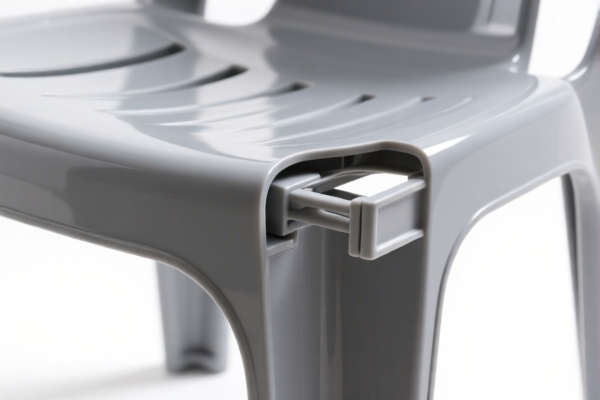
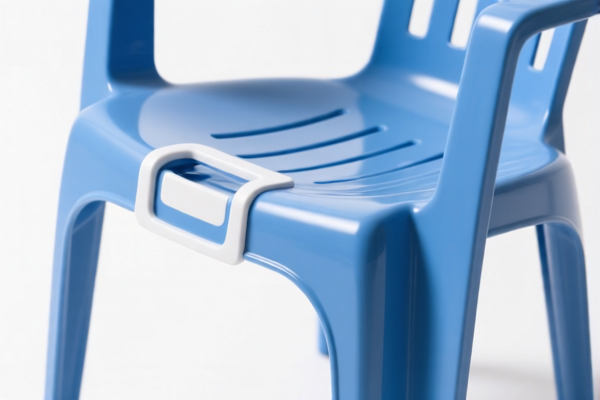
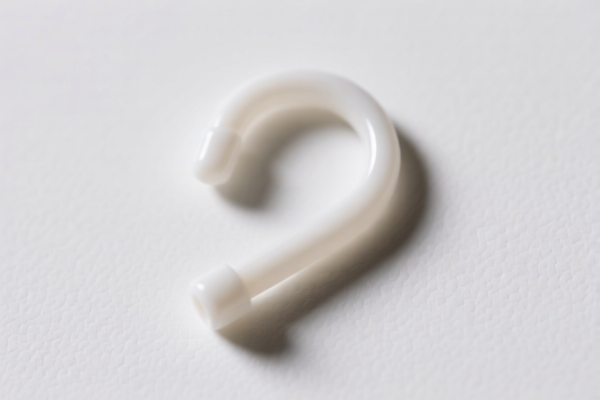

AI Analysis
👜 Purse Hook (Handbag Hook / Coat Hook)
🌐 HS Code Reference & Customs Clearance Guide | 2026 Latest Tariff Analysis | Professional Logistics Strategy
📌 I. Product Definition & Classification: Do You Really Understand the "Purse Hook"?
A Purse Hook (also known as a coat hook, purse holder, or handbag hook) is a small accessory used to hang handbags, purses, coats, or scarves on furniture, walls, or vehicles. In international trade, its classification depends heavily on material (ferrous vs. non-ferrous metals), shape, and intended use (furniture accessory vs. general metal fitting).
⚠️ Critical Classification Distinction:
- Furniture/Fixtures (e.g., wall-mounted, table-top): Often fall under 8302.41 or 8302.50.
- General Metal Fittings (e.g., industrial, non-specific): Fall under 7326 (other articles of iron/steel).
- Material Matters: "Base metal" vs. "Iron/Steel" can drastically change tax rates due to "Section 232" or "Section 301" (US) tariffs.
📦 II. HS Code Classification Details (2026 Latest Tariff Authority)
Based on the provided data, here are the four most likely HS Code classifications for Purse Hooks with their specific tax implications:
| HS Code | Product Description | Match Basis & Inference | Tax Rate (Total) |
|---|---|---|---|
| 8302.41.90.80 | Metal Fittings for Furniture/Buildings | Category: Metal Fittings. Inference: Classified as "Other metal fittings for buildings." Material: Assumed Metal. |
38.5% |
| 8302.50.00.00 | Base Metal Hat/Clothing Hooks | Category: Hat/Clothing Hooks. Inference: "Purse Hook" falls under the "Hat Hook" scope. Material: Base Metal (Vulcanized Iron/Steel). |
85.0% |
| 7326.90.86.30 | Other Articles of Iron/Steel | Category: Metal Products (Iron/Steel). Inference: Classified as "Pipes & similar supports" or general fittings. Material: Iron/Steel. |
87.9% |
| 7326.20.00.20 | Other Iron/Steel Articles | Category: Catch-All Category. Inference: High functional consistency with "hangers" or "clothes hangers." Material: Iron/Steel. |
88.9% |
🔍 Key Takeaway:
The difference between a "38.5%" tax rate and an "88.9%" tax rate is massive. The classification 8302.41.90.80 is the most favorable (lowest tax) if the hook can be proven as a building/furniture fitting. However, if classified specifically as a "Hat/Clothing Hook" (8302.50), the US adds heavy Section 301 and 122 duties, pushing the rate to 85.0%.
💰 III. 2026 Tariff Rate Breakdown (Detailed Tax Clauses)
✅ Applicable Market: USA (US)
✅ Origin: China (CN)
✅ Effective: 2025/2026 Periods
🔥 Note: All rates include Base Duty, Section 301 (Additional), and Section 122 (10%) tariffs.
🎯 1. 8302.41.90.80 (The "Best Case" Scenario)
Category: Metal Fittings for Buildings / Furniture
| Tax Component | Rate | Explanation |
|---|---|---|
| Base Duty | 3.5% | Standard Most-Favored-Nation (MFN) rate. |
| Section 301 (Add-on) | 25.0% | "Special 301" tariff on Chinese goods. |
| Section 122 (Add-on) | 10.0% | Specific tariff on steel/aluminum/copper products (if applicable). |
| Steel/Al/Cu Add-on | 0% | Not explicitly listed for this code in the source data, implying standard 122 applies. |
| TOTAL TAX | 38.5% | Lowest possible rate for this product. |
📌 Strategy: This is the Golden HS Code. You must argue that the hook is a "fitting for buildings" or "furniture hardware," not a "clothing accessory."
🎯 2. 8302.50.00.00 (The "Hat Hook" Trap)
Category: Base Metal Hat Hooks
| Tax Component | Rate | Explanation |
|---|---|---|
| Base Duty | 0.0% | No base duty for this specific sub-category. |
| Section 301 (Add-on) | 25.0% | Section 301 tariff applies. |
| Section 122 (Add-on) | 10.0% | Section 122 tariff applies. |
| Steel/Al/Cu Add-on | 50.0% | CRITICAL: Source data notes "Steel, Aluminum, Copper products" attract an extra 50%. |
| TOTAL TAX | 85.0% | Extremely High. The 50% "Steel/Al/Cu" add-on is the killer here. |
📌 Warning: If Customs determines your "Purse Hook" is a "Hat Hook" made of steel, the 50% specific add-on will nearly double the tax compared to 8302.41.
🎯 3. 7326.90.86.30 (The "Other Steel" Category)
Category: Other Articles of Iron/Steel (Pipes/Supports)
| Tax Component | Rate | Explanation |
|---|---|---|
| Base Duty | 2.9% | Low base rate. |
| Section 301 (Add-on) | 25.0% | Standard 301 tariff. |
| Section 122 (Add-on) | 10.0% | Standard 122 tariff. |
| Steel/Al/Cu Add-on | 50.0% | CRITICAL: Same high add-on as 8302.50. |
| TOTAL TAX | 87.9% | Very High. |
📌 Logic: Classified as "Iron/Steel products" (pipe/supports). The high tax comes from the 50% Steel Add-on.
🎯 4. 7326.20.00.20 (The "Catch-All" Hanger)
Category: Other Iron/Steel Articles (Deterrence)
| Tax Component | Rate | Explanation |
|---|---|---|
| Base Duty | 3.9% | Low base rate. |
| Section 301 (Add-on) | 25.0% | Standard 301 tariff. |
| Section 122 (Add-on) | 10.0% | Standard 122 tariff. |
| Steel/Al/Cu Add-on | 50.0% | CRITICAL: High steel add-on. |
| TOTAL TAX | 88.9% | Highest Rate. |
📌 Logic: Used when no other specific code fits. It treats the hook as a generic "hanger" made of iron/steel, triggering the maximum 50% steel surcharge.
🛠️ IV. Customs Clearance Practical Advice (Avoiding the 88% Tax Pitfall)
✅ 1. Strategic Classification Argument
Goal: Push the product into 8302.41.90.80 (38.5%) and avoid 8302.50 or 7326 (85%+).
- Argument: "This is a furniture fitting or building accessory (e.g., for vanities, restaurant tables, hotel hallways), NOT a personal 'hat hook' or generic 'hanger'."
- Evidence Required:
- Marketing Photos: Show the hook mounted on a table, chair, or wall, not just on a coat rack.
- Packaging: Label it as "Furniture Hardware" or "Wall Mount Hook," not "Clothing Hanger."
- Functionality: Emphasize the structural support aspect (anchoring to a surface) rather than just hanging items.
✅ 2. Material Documentation
- Avoid "Steel" Labels: If possible, use brass, aluminum, or stainless steel (check if specific exemptions apply) to avoid the 50% "Steel/Al/Cu" add-on.
- Certification: Provide a Mill Certificate proving the exact alloy composition. If the material is not "plain iron/steel," you might negotiate a lower Section 122 rate (though the data suggests 50% applies broadly to these codes).
✅ 3. Declaration Tips
- Product Name: Do NOT use "Clothes Hanger" or "Coat Hook" in the description if you want 8302.41. Use "Furniture Accessory - Purse Hook" or "Metal Fitting for Building Fixtures."
- HS Code Priority:
- 8302.41.90.80 (38.5%) → Priority #1
- 8302.50.00.00 (85.0%) → Avoid (Unless it's strictly a small personal hook).
- 7326 Series (87-88%) → Avoid (Generic fallback).
✅ 4. Special Case Handling
- Set vs. Individual: If selling a set (Hook + Screw + Base), declare the whole set as the primary product (Fitting). Do not separate the screw (which might have different tax rules).
- Origin: If the product is assembled in Vietnam or Mexico, you might qualify for Section 301/122 exemptions, but you must prove significant transformation.
🌍 V. Global Market Comparison (2026 Estimate)
| Region | Recommended HS Code | Est. Tariff (US China Origin) | Risk Level |
|---|---|---|---|
| 🇺🇸 USA | 8302.41.90.80 |
38.5% (vs 88.9% if wrong) | 🔴 High Risk (Aggressive audit) |
| 🇪🇺 EU | 8302.41 |
~0-2% (General Metal) | 🟢 Low |
| 🇨🇳 China | 8302.41 |
5-10% | 🟢 Low |
📌 Conclusion: The US market is the most critical for this product. A misclassification can cost you 50% more in taxes (e.g., 38.5% vs 88.9%).
📌 VI. Common Mistakes & Pitfalls (Blood Tears)
❌ Mistake 1: Calling it "Coat Hanger" or "Hat Hook" in the invoice.
👉 Result: Customs automatically assigns 8302.50.00.00 (85.0%) or 7326 (88.9%).
✅ Fix: Use "Furniture Fitting" or "Metal Fixture."
❌ Mistake 2: Failing to declare the material as "Steel" when it is.
👉 Result: Seized shipment for false declaration.
✅ Fix: Provide Mill Certificates.
❌ Mistake 3: Ignoring the "Section 122" 50% add-on for steel products.
👉 Result: Unexpected bill for 50% extra tax on top of the 25% Section 301.
✅ Fix: Check if the alloy is exempt from the 50% add-on.
🎯 VII. Final Verdict & Action Plan
🎯 Remember the Golden Rule:
🔹 "It's a Fitting, not a Hanger!"
🔹 "Call it Furniture, not Clothing!"
🔹 "38.5% is the Goal, 88.9% is the Nightmare!"
Action Steps: 1. Re-label your product as "Furniture Hardware" or "Building Fixture." 2. Submit a Binding Ruling Request to US Customs (CBP) to confirm 8302.41.90.80. 3. Avoid "Coat Hook" or "Hat Hook" in all English marketing materials sent to Customs. 4. Calculate costs using 38.5% as your baseline, not 88.9%.
📣 Immediate Action:
📞 Contact your Customs Broker TODAY with photos showing the hook installed on furniture or walls.
🚀 Secure the 38.5% rate, save 50% in taxes, and keep your profit margin intact!
✨ Professional Clearance Starts with Precise Classification!
💼 Every 1% of tax matters in international trade!
Customer Reviews
About HS Code Classification
The Harmonized System (HS) is an internationally standardized nomenclature developed by the World Customs Organization (WCO) to classify traded products. Over 200 countries use the HS system as the basis for customs tariffs, trade statistics, and import/export regulations.
Each HS code follows a hierarchical structure:
- Chapter (2 digits) — Broad category of goods (e.g., Chapter 84: Machinery and Mechanical Appliances)
- Heading (4 digits) — More specific grouping within the chapter
- Subheading (6 digits) — Internationally standardized breakdown, used by all WCO member countries
- National subdivisions (8-10 digits) — Country-specific extensions for further classification, such as US HTSUS 10-digit codes
Correct HS code classification is essential for smooth customs clearance, accurate duty payment, and compliance with trade regulations. Misclassification can lead to customs delays, overpayment of duties, or penalties.
When importing from CN to US, the applicable tariff rates may include:
- Most-Favored-Nation (MFN) rate — The standard duty rate applied to WTO members
- General rate — Applied to countries without trade agreements
- Trade remedy duties — Additional tariffs such as Section 301 (anti-dumping), Section 232 (national security), or countervailing duties
The information provided on this page is for reference purposes only. For official classification, please consult with your local customs authority or a licensed customs broker.