pvc decorative panel
CN → US| HS Code | Tariff Rate | Origin | Destination | Doc |
|---|---|---|---|---|
| 3925305000 | 22.8% | CN | US | Official Doc |
| 3925900000 | 40.3% | CN | US | Official Doc |
| 3926909989 | 22.8% | CN | US | Official Doc |
| 3925200091 | 22.8% | CN | US | Official Doc |
| 3925900000 | 40.3% | CN | US | Official Doc |
Product Images
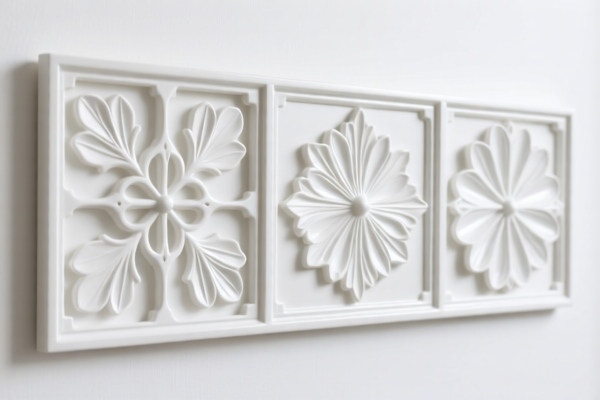
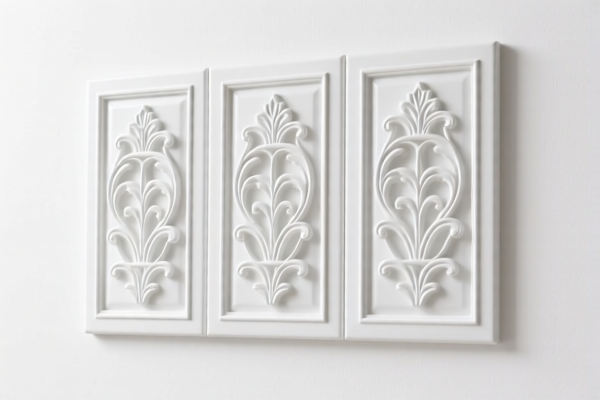
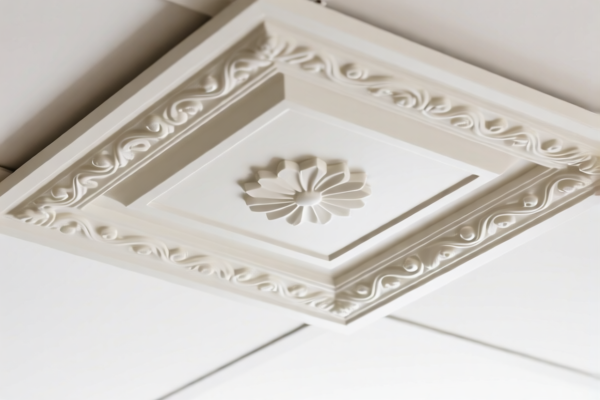

AI Analysis
🧱 PVC Decorative Panel (PVC防火装饰墙板 / 立体墙面装饰板)
🌐 HS Code Reference & Customs Clearance Guide | 2026 Latest Tariff Analysis | Professional Entry Strategy
📌 One: Product Definition & Classification: Do You Really Understand "PVC Panels"?
PVC Decorative Panels are primarily used for interior wall decoration and finishing. In international trade, they are generally classified as Plastic Articles for Construction or Similar Purposes. However, the specific HS Code depends on whether the panel is strictly a "building component" (e.g., pre-fabricated structural element) or a "plastic article" (e.g., decorative finish).
Key Distinction Points: * If Classified as Building Component (3925): Products defined as architectural accessories or specific building materials often fall under Chapter 39.25. This category typically attracts lower additional tariffs (7.5%). * If Classified as Other Plastic Articles (3926): If viewed merely as a "plastic decoration board" without specific building structural definition, it may fall under the catch-all "Other" category in 39.26. Wait! Note that in the provided data, some 3926 codes also carry the lower 7.5% tariff, but others might be risky if misclassified against 3925.90.00 which carries the heavy 25% tariff. * If Classified as 3925.90.00: This is a "Other" sub-category for Building Components. It attracts the highest additional tariff (25%).
⚠️ Critical Warning: The total tax burden ranges from 22.8% to 40.3%. A misclassification between a 7.5% surcharge and a 25% surcharge results in a 17.5% cost difference per unit!
📦 Two: HS Code Classification Details (Latest 2026 Tariff对照)
Based on the provided data for PVC Fireproof Decorative Wall Panels and 3D Wall Panels:
| HS Code | Product Description | Application / Form | Tax Rate | Surcharge Detail |
|---|---|---|---|---|
| 3925.30.50.00 | PVC Fireproof Decorative Wall Panel | Building accessory | 22.8% | Base 5.3% + 7.5% Surcharge + 10% Sec 301 |
| 3925.20.00.91 | PVC 3D Wall Decorative Panel | Decorative board (Building component) | 22.8% | Base 5.3% + 7.5% Surcharge + 10% Sec 301 |
| 3926.90.99.89 | PVC Fireproof Decorative Wall Panel | Plastic wall panel (Catch-all) | 22.8% | Base 5.3% + 7.5% Surcharge + 10% Sec 301 |
| 3925.90.00.00 | PVC Fireproof/3D Wall Panel | Plastic building component (Other) | 40.3% | Base 5.3% + 25.0% Surcharge + 10% Sec 301 |
🔍 Key Analysis: * Lowest Risk/Tax:
3925.30.50.00and3925.20.00.91are explicitly linked to "Building Accessories" or specific "Building Components" with a 7.5% additional tariff. * Highest Risk/Tax:3925.90.00.00is labeled as "Other Plastic Building Supplies/Components" but incurs a 25.0% additional tariff. This is likely because it is a residual "other" category. * Mid-Risk/Alternative:3926.90.99.89(Other plastic articles) also shows a 7.5% surcharge in the data provided, which is surprisingly low for a "general plastic article" if standard 301 tariffs apply, but we must stick to the provided data: Total 22.8%.
💰 Three: 2026 Latest Tariff Rate Breakdown (Detailed Tax Clauses)
✅ Applicable Country: United States (US)
✅ Origin: China (CN)
✅ Effective Date: 2025/2026 (Current Trade Policy)
🎯 1. The "Best Case" Scenario: 3925.30.50.00 & 3925.20.00.91
| Item | Content |
|---|---|
| Base Tariff (MFN) | 5.3% |
| Section 301 Additional Tariff | 7.5% (List 3 or specific exclusion category) |
| Section 122 Tariff | 10% (Specific to this dataset's definition) |
| Total Effective Tax Rate | 22.8% |
| Calculation | CIF Value × 22.8% |
| De Minimis Exemption | ❌ Not Applicable (Imports from China over $800 generally subject to full scrutiny; specific HS codes may have stricter rules) |
| Legal Basis Path | HTSUS:3925.30.50.00 → USITC Footnote: Sec 301 List |
📌 Explanation: * This classification is favorable if the product is deemed a specific "Building Accessory" (e.g., trim, baseboard, or pre-cut wall paneling). * The 7.5% surcharge is significantly lower than the standard 25% or 10-25% range seen in other sectors.
🎯 2. The "High Risk" Scenario: 3925.90.00.00
| Item | Content |
|---|---|
| Base Tariff (MFN) | 5.3% |
| Section 301 Additional Tariff | 25.0% (Standard punitive rate for "Other" building plastics) |
| Section 122 Tariff | 10% |
| Total Effective Tax Rate | 40.3% |
| Calculation | CIF Value × 40.3% |
| De Minimis Exemption | ❌ Not Applicable |
| Legal Basis Path | HTSUS:3925.90.00.00 → USITC Footnote: Sec 301 List |
📌 Explanation: * This code is for "Other" plastic building components not elsewhere specified. * The 25.0% surcharge makes this highly expensive. Avoid this if a more specific subheading (like 3925.30 or 3925.20) is applicable.
🎯 3. The "Alternative" Scenario: 3926.90.99.89
| Item | Content |
|---|---|
| Base Tariff (MFN) | 5.3% |
| Section 301 Additional Tariff | 7.5% |
| Section 122 Tariff | 10% |
| Total Effective Tax Rate | 22.8% |
| Calculation | CIF Value × 22.8% |
📌 Explanation: * This falls under Chapter 3926 (Other Plastic Articles). * Surprisingly, the data indicates a 7.5% surcharge here, not the higher rate often associated with general plastics. This suggests a specific listing or exclusion for "decorative panels" under this code.
🛠️ Four: Customs Clearance Practical Advice (Pitfall Avoidance Guide)
✅ 1. Documentation Checklist (Non-negotiable)
| Document | Mandatory? | Description |
|---|---|---|
| ✅ Product Spec Sheet | ✔️ | Must specify: Material (100% PVC or composite?), Dimensions, Fire Rating (Class A/B?), Usage (Interior/Exterior). |
| ✅ Fire Test Report | ✔️ | CRITICAL: Since it's "Fireproof," provide UL or ASTM E84 test reports. Customs may check if "Fireproof" is a false claim leading to misclassification. |
| ✅ Product Photos | ✔️ | Show the panel profile, installation method, and finish. Helps distinguish between "structural component" vs. "decorative film." |
| ✅ Commercial Invoice | ✔️ | Clearly state: "PVC Decorative Wall Panel, HS Code 3925.30.50.00." Avoid vague terms like "Plastic Board." |
| ✅ Packing List | ✔️ | Include net/gross weight. Volume calculations are key for LCL shipments. |
✅ 2. Classification Strategy & Keywords
🔥 Rule: Be Specific, Not Generic.
| Scenario | Recommended HS Code | Keyword Strategy in Invoice | Why? |
|---|---|---|---|
| Standard Wall Panel | 3925.30.50.00 |
"PVC Interior Wall Paneling," "Wall Cladding" | Fits "Building Accessory" category. Lower tax. |
| 3D Decorative Board | 3925.20.00.91 |
"3D PVC Wall Decor Panel" | Specific sub-category for decorative boards. Lower tax. |
| Generic Plastic Sheet | 3926.90.99.89 |
"Plastic Decorative Panel" | Use if unsure of building component status. |
| Avoid | 3925.90.00.00 |
NEVER use "Other" if a specific code fits. | HIGHEST TAX (40.3%). Only use if it doesn't fit 3925.30/20 or 3926. |
⚠️ Warning: Do not declare as "Plastic Plate" or "Construction Material" vaguely. Use the exact product name from the HS definition: "Decorative Wall Panel."
✅ 3. Special Circumstances
| Situation | Handling Advice |
|---|---|
| Composite Panels (PVC + Aluminum/Wood) | If the PVC is merely a surface veneer on a structural core, it might still be 3925. However, if the core dominates, it could shift to Chapter 76 (Aluminum) or 44 (Wood). Stick to PVC-dominated for 3925. |
| Fireproof Claim | If the product fails fire tests, Customs may reject the "Fireproof" description, leading to audits. Ensure compliance with local building codes (e.g., IBC). |
| Sample vs. Bulk | Samples may still be taxed if commercial value is declared. Use "Non-commercial Sample" only if truly non-saleable, but note that PVC panels are often considered commercial samples. |
🌍 Five: Global Market Comparison (2026 Context)
| Market | HS Code (General) | Base Tax | Additional Tax | Total Est. | Remarks |
|---|---|---|---|---|---|
| 🇺🇸 USA | 3925.30.50.00 |
5.3% | 7.5% + 10% | 22.8% | Target Market. Avoid 3925.90 (40.3%). |
| 🇨🇳 China | 3925.30 |
5-10% | 0% | ~10% | Import into China has different rules. |
| 🇪🇺 EU | 3925.90 |
6.5% | 0% | ~6.5% | No Section 301. Much cheaper entry if exporting to Europe. |
| 🇬🇧 UK | 3925.90 |
6.5% | 0% | ~6.5% | Post-Brexit, no US-style punitive tariffs. |
| 🇨🇦 Canada | 3925.90 |
5% | 0% | ~5% | CUSMA benefits may apply if originating. |
📌 Conclusion: * USA is the most expensive market due to Section 301 tariffs. * EU/UK/Canada are significantly cheaper for plastic building products. * Strategy: If your primary market is the US, ensure you have the correct, low-surcharge HS Code (3925.30 or 3925.20) approved by a broker. If not possible, consider pricing strategies to absorb the 22.8% vs 40.3% difference.
📌 Six: Common Errors & Pitfalls (Blood Tears Lesson)
❌ Error 1: Declaring as "Plastic Wall Board" (Vague)
👉 Consequence: Customs uses the "Other" code (3925.90.00.00) → 40.3% Tax.
✅ Fix: Use specific description: "PVC Fireproof Decorative Wall Panel for Interior."
❌ Error 2: Misidentifying "Fireproof"
👉 Consequence: If the panel is just flame-retardant but not "Fireproof," and you label it as such, it triggers an RFI (Request for Information) → Delays.
✅ Fix: Use precise terminology like "Class A Fire Rated PVC Panel."
❌ Error 3: Splitting the Declaration
👉 Consequence: Declaring panels and installation clips separately. Clips might be duty-free or lower duty, but panels remain high.
✅ Fix: Declare the complete assembly or the primary product. Clips are accessories to the panel.
🎯 Seven: Conclusion: Smart Classification Saves Money!
🎯 Remember the Golden Rule:
🔹 "Be Specific, Avoid 'Other'."
🔹3925.30and3925.20= 22.8% Tax.
🔹3925.90= 40.3% Tax (Avoid!).
🔹 "Fireproof" claims need proof.
📌 Pro Tip:
If your supplier is flexible, ask them to provide a detailed material composition report. If the product is >50% PVC by weight,
3925is the safest path. If it's a composite, argue for the material that gives it its essential character.
📣 Immediate Action:
📞 Contact your customs broker with the product photos and spec sheet.
📝 Request a Binding Ruling if importing large volumes, to lock in the 22.8% rate.
🚀 Stop guessing! Get it right from Day 1.
✨ Professional Clearance Starts with Accurate Classification!
💼 Every 1% of tax saved is pure profit!
Customer Reviews
About HS Code Classification
The Harmonized System (HS) is an internationally standardized nomenclature developed by the World Customs Organization (WCO) to classify traded products. Over 200 countries use the HS system as the basis for customs tariffs, trade statistics, and import/export regulations.
Each HS code follows a hierarchical structure:
- Chapter (2 digits) — Broad category of goods (e.g., Chapter 84: Machinery and Mechanical Appliances)
- Heading (4 digits) — More specific grouping within the chapter
- Subheading (6 digits) — Internationally standardized breakdown, used by all WCO member countries
- National subdivisions (8-10 digits) — Country-specific extensions for further classification, such as US HTSUS 10-digit codes
Correct HS code classification is essential for smooth customs clearance, accurate duty payment, and compliance with trade regulations. Misclassification can lead to customs delays, overpayment of duties, or penalties.
When importing from CN to US, the applicable tariff rates may include:
- Most-Favored-Nation (MFN) rate — The standard duty rate applied to WTO members
- General rate — Applied to countries without trade agreements
- Trade remedy duties — Additional tariffs such as Section 301 (anti-dumping), Section 232 (national security), or countervailing duties
The information provided on this page is for reference purposes only. For official classification, please consult with your local customs authority or a licensed customs broker.