pvc wall stickers synthetic fiber backing
CN → US| HS Code | Tariff Rate | Origin | Destination | Doc |
|---|---|---|---|---|
| 3918103250 | 41.5% | CN | US | Official Doc |
| 5903102090 | 35.0% | CN | US | Official Doc |
| 5903102500 | 42.5% | CN | US | Official Doc |
| 3918103150 | 39.2% | CN | US | Official Doc |
Product Images
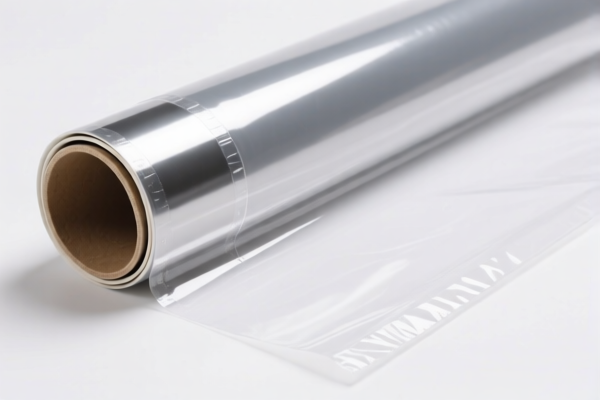
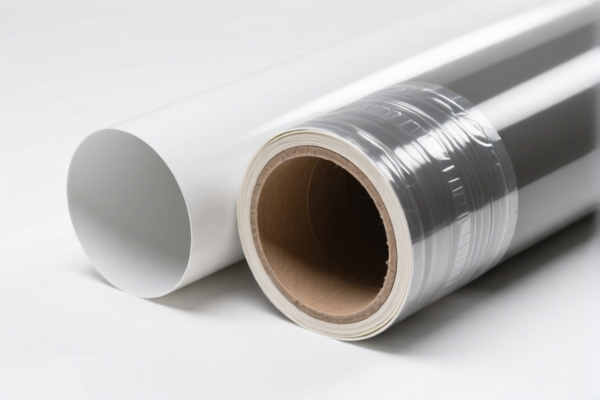
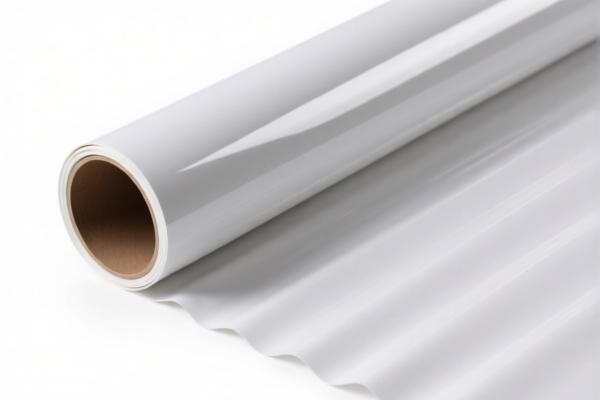
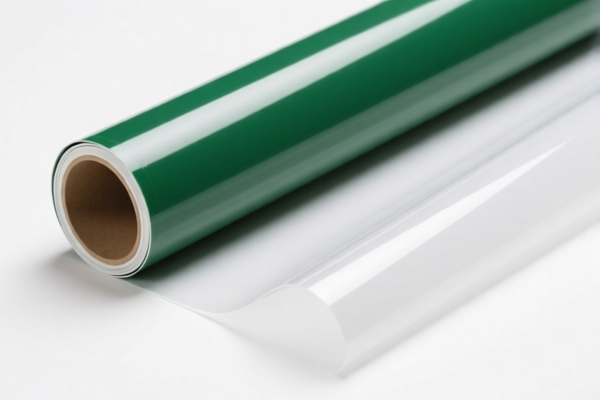
AI Analysis
🎨 PVC Wall Stickers with Synthetic Fiber Backing (Decorative Films)
🌐 HS Code Reference & Customs Clearance Guide | 2026 Latest Tariff Analysis | Professional Clearance Strategy
📌 Part 1: Product Definition & Classification: Do You Really Understand "PVC Wall Stickers"?
PVC wall stickers (or decorative wall films) are versatile interior decoration materials. In international trade, they are primarily classified based on their material composition, structure, and application method. The key characteristic here is the synthetic fiber backing, which creates ambiguity between Chapter 39 (Plastics) and Chapter 59 (Impregnated/Covered Textile Fabrics).
Key Distinction Logic: * Plastic-First Classification (Ch. 39): If the PVC is the dominant material and the fiber backing is merely a minor reinforcement for self-adhesive properties, it is often classified as "Plastic flooring or wall coverings." * Textile-First Classification (Ch. 59): If the product is essentially a textile fabric impregnated/coated with PVC and the fiber backing defines its structural integrity, it falls under "Textile fabrics, impregnated, coated, covered or stratified with plastics."
⚠️ Critical Differentiator:
- If the product is perceived as a "Wall Covering" (like wallpaper) made of plastic → HS 3918
- If the product is perceived as a "Coated Textile Fabric" → HS 5903
📦 Part 2: HS Code Classification Details (2026 Latest Tariff Authority Comparison)
| HS Code | Product Description | Application Scenario | Key Classification Basis |
|---|---|---|---|
3918.10.32.50 |
Wear-resistant PVC wall film with synthetic fiber backing; PVC material; has synthetic fiber backing; fits description of "having a backing of artificial fibers." | Interior decoration, wall covering, self-adhesive decorative films | Plastic Primary: Classified under plastic wall coverings due to PVC dominance. |
5903.10.20.90 |
Wear-resistant PVC wall film with synthetic fiber backing; PVC corresponds to polyvinyl chloride; wall film belongs to impregnated/coated/covered/laminated forms; synthetic fiber backing corresponds to artificial fibers. | Textile-based decorative films, PVC-coated synthetic fabrics | Textile Primary: Classified as textile fabric impregnated with PVC. |
5903.10.25.00 |
Wear-resistant PVC wall film with synthetic fiber backing; includes PVC material and film/fabric form; fits characteristics of polyvinyl chloride impregnated/coated textile fabrics, belongs to "other" categories. | Other PVC-coated textile fabrics not specifically listed elsewhere | Textile Secondary: General category for PVC-coated textiles. |
3918.10.31.50 |
Wear-resistant PVC wall film with synthetic fiber backing; PVC material; wall film form; contains synthetic fiber backing; fits plastic composition and backing description; belongs to non-woven category decorative films. | Non-woven plastic wall coverings, decorative plastic films | Plastic Non-Woven: Classified under non-woven plastic wall coverings. |
🔍 Key Reminder:
- Customs officers often scrutinize the percentage of PVC vs. Fiber and the primary function.
- If the fiber is just a thin layer for adhesion, HS 3918 is more common.
- If the fabric structure is thick and the PVC is a surface coating, HS 5903 may apply.
- Misclassification risk: Declaring a textile-based product as plastic (or vice versa) can lead to significant duty differences and potential penalties.
💰 Part 3: 2026 Latest Tariff Rate Details (Including Additional Taxes, Policy Add-ons)
✅ Applicable Country: United States (US)
✅ Origin: China (CN)
✅ Effective Date: November 10, 2025 onwards (including subsequent imports)
🎯 1. 3918.10.32.50 – PVC Wall Coverings (Plastic Primary)
| Item | Content |
|---|---|
| Base Tariff Rate | 6.5% (ad valorem) |
| Section 301 Additional Duty | +25.0% (from USITC Footnote 9903.88.01) |
| Section 122 Duty | +10.0% (Specific additional duty for certain Chinese goods) |
| Total Tariff Rate | 41.5% |
| Tax Calculation | CIF Value × 41.5% |
| De Minimis Exemption Eligibility | ❌ Not Eligible (deny_de_minimis) |
| Legal Basis Path | USITC:3918.10.32.50 → FOOTNOTE:9903.88.01 → Section 122 |
📌 Explanation:
- The 6.5% base rate applies to plastic wall coverings.
- The 25% Section 301 tariff is a standard retaliatory tariff on Chinese goods.
- The 10% Section 122 tariff is a specific additional levy targeting certain Chinese imports.
- Total 41.5% is a high tariff burden. Must be factored into cost calculations!
🎯 2. 5903.10.20.90 – Impregnated/Coated Textile Fabrics (Textile Primary)
| Item | Content |
|---|---|
| Base Tariff Rate | 0.0% |
| Section 301 Additional Duty | +25.0% |
| Section 122 Duty | +10.0% |
| Total Tariff Rate | 35.0% |
| Tax Calculation | CIF Value × 35.0% |
| De Minimis Exemption Eligibility | ❌ Not Eligible (deny_de_minimis) |
| Legal Basis Path | USITC:5903.10.20.90 → FOOTNOTE:9903.88.01 → Section 122 |
📌 Note:
- Although the base rate is 0%, the total duty is still 35.0% due to additional tariffs.
- This is 6.5% lower than the3918.10.32.50classification, making it potentially more cost-effective if customs accepts the textile classification.
- However, proving it is "textile-primary" requires strong documentation.
🎯 3. 5903.10.25.00 – Other PVC-Impregnated Textile Fabrics
| Item | Content |
|---|---|
| Base Tariff Rate | 7.5% |
| Section 301 Additional Duty | +25.0% |
| Section 122 Duty | +10.0% |
| Total Tariff Rate | 42.5% |
| Tax Calculation | CIF Value × 42.5% |
| De Minimis Exemption Eligibility | ❌ Not Eligible (deny_de_minimis) |
| Legal Basis Path | USITC:5903.10.25.00 → FOOTNOTE:9903.88.01 → Section 122 |
📌 Analysis:
- This classification has the highest total tariff (42.5%).
- It is generally used for PVC-coated textiles that do not fit other specific subheadings.
- Avoid this classification if other options are viable, as it offers no cost advantage.
🎯 4. 3918.10.31.50 – Non-Woven Plastic Wall Coverings
| Item | Content |
|---|---|
| Base Tariff Rate | 4.2% |
| Section 301 Additional Duty | +25.0% |
| Section 122 Duty | +10.0% |
| Total Tariff Rate | 39.2% |
| Tax Calculation | CIF Value × 39.2% |
| De Minimis Exemption Eligibility | ❌ Not Eligible (deny_de_minimis) |
| Legal Basis Path | USITC:3918.10.31.50 → FOOTNOTE:9903.88.01 → Section 122 |
📌 Analysis:
- This is a plastic-based classification with a lower base rate (4.2%).
- Total duty is 39.2%, which is lower than the primary plastic classification (41.5%) but higher than the optimal textile classification (35.0%).
- Applicable if the product is specifically a non-woven plastic film with backing.
🛠️ Part 4: Customs Clearance Practical Advice (Avoiding Pitfalls)
✅ 1. Required Documentation Checklist (Mandatory)
| Document | Must Provide | Description |
|---|---|---|
| ✅ Product Specification Sheet | ✔️ | Includes dimensions, PVC thickness, fiber type, adhesive type, weight per sq meter |
| ✅ Material Composition Ratio | ✔️ | Crucial for HS code determination (e.g., PVC % vs. Fiber %) |
| ✅ Product Photos (Including Cross-Section) | ✔️ | Must clearly show the PVC layer and the synthetic fiber backing structure |
| ✅ Third-Party Test Report | ✔️ | Flammability, VOC emissions, RoHS (if applicable) |
| ✅ Commercial Invoice | ✔️ | Must state "PVC Wall Film with Synthetic Fiber Backing" accurately |
| ✅ Packing List | ✔️ | Detail roll dimensions and weight |
✅ 2. Declaration Tips (Key Mantras)
🔥 “Structure Defines Code, Composition Dictates Rate, Name Must Be Precise!”
| Scenario | Correct Declaration | Incorrect Practice |
|---|---|---|
| PVC-heavy, thin backing | 3918.10.32.50 (Plastic Wall Covering) |
Misdeclare as textile → Risk of reclassification & penalty |
| Textile-heavy, PVC-coated | 5903.10.20.90 (Coated Textile) |
Misdeclare as plastic → Pay 41.5% instead of 35.0% |
| Non-woven plastic film | 3918.10.31.50 (Non-woven Plastic) |
Use general term "Wallpaper" → Ambiguity |
| General PVC-coated fabric | 5903.10.25.00 (Other Coated Textile) |
Avoid if possible due to higher tax (42.5%) |
✅ 3. Special Case Handling
| Situation | Handling Advice |
|---|---|
| OEM Custom Designs | Provide customer orders + design drawings to prove specific application |
| Self-Adhesive vs. Non-Adhesive | If adhesive is present, ensure it doesn’t change the primary material classification |
| Mixed Shipments | Do not mix different HS codes in one shipment without clear separation; risk of overall reclassification |
| Proving "Synthetic Fiber" | Provide supplier certificates specifying the fiber type (e.g., Polyester, Nylon) to justify textile classification |
🌍 Part 5: Global Market Clearance Comparison (2026 Latest)
| Country/Region | Recommended HS Code | Tariff Rate (China Origin) | Certification Requirements | Notes |
|---|---|---|---|---|
| 🇺🇸 USA | 5903.10.20.90 |
35.0% (Optimal) | No specific certification | 41.5% if classified under Ch. 39 |
| 🇨🇳 China | 5903.10.20.90 |
7.5% | No extra duties | Import duty differs by HS code |
| 🇪🇺 EU | 5903.10.20.90 |
6.5% | REACH Compliance | No Section 301/122 equivalents |
| 🇬🇧 UK | 5903.10.20.90 |
6.5% | UKCA Marking | Post-Brexit rules apply |
📌 Conclusion:
- USA is the highest cost market due to Section 301 and Section 122 tariffs.
- Classification as Textile (5903) is cheaper than Plastic (3918) in the US (35% vs 41.5%).
- EU and UK have standard tariffs without additional punitive duties, making them easier to clear.
📌 Part 6: Common Mistakes & Pitfall Avoidance (Lessons Learned)
❌ Mistake 1: Declaring as "Wallpaper" without specifying material
👉 Consequence: Customs may classify under the highest duty rate or demand reclassification → Delays & Penalties
❌ Mistake 2: Ignoring the fiber backing in documentation
👉 Consequence: If customs discovers the fiber backing, they may reclassify from Plastic to Textile (or vice versa) → Audit Risk
❌ Mistake 3: Using vague terms like "Decorative Film"
👉 Consequence: Lack of specificity leads to subjective classification → Uncertainty in Tariff Rate
❌ Mistake 4: Assuming all PVC films are under HS 3918
👉 Consequence: Missing out on the 35.0% tax rate under HS 5903 → Overpaying 6.5%
✅ Correct Approach:
"PVC Wall Film, 0.5mm thick, Polyester Synthetic Fiber Backing, Self-Adhesive, Decorative Use, Model XYZ, RoHS Compliant"
🎯 Part 7: Conclusion: Professional Declaration, Time & Cost Savings!
🎯 Remember the Mantra:
🔹 "Plastic or Textile? Check the Base Rate! 35% vs 41.5% – Save 6.5%! "
🔹 "HS Code Determines Destiny, Tariff Difference is Real, Declaration Accuracy Saves Thousands!"
📌 Pro Tip:
If your product qualifies as Textile (HS 5903), ensure you have material test reports proving the synthetic fiber content. This supports the lower 35.0% tariff.
Recommend Apply for Advance Ruling to secure the correct HS code before shipping.
📣 Immediate Action:
📞 Contact Professional Customs Broker + Provide Product Structure Diagram + Apply for HS Code Advance Ruling
🚀 Ensure Smooth Customs Clearance, Efficient Export, and Profit Maximization!
✨ Professional Clearance Starts with Accurate Classification!
💼 Every Cent of Your Cost Deserves Precise Calculation!
Customer Reviews
About HS Code Classification
The Harmonized System (HS) is an internationally standardized nomenclature developed by the World Customs Organization (WCO) to classify traded products. Over 200 countries use the HS system as the basis for customs tariffs, trade statistics, and import/export regulations.
Each HS code follows a hierarchical structure:
- Chapter (2 digits) — Broad category of goods (e.g., Chapter 84: Machinery and Mechanical Appliances)
- Heading (4 digits) — More specific grouping within the chapter
- Subheading (6 digits) — Internationally standardized breakdown, used by all WCO member countries
- National subdivisions (8-10 digits) — Country-specific extensions for further classification, such as US HTSUS 10-digit codes
Correct HS code classification is essential for smooth customs clearance, accurate duty payment, and compliance with trade regulations. Misclassification can lead to customs delays, overpayment of duties, or penalties.
When importing from CN to US, the applicable tariff rates may include:
- Most-Favored-Nation (MFN) rate — The standard duty rate applied to WTO members
- General rate — Applied to countries without trade agreements
- Trade remedy duties — Additional tariffs such as Section 301 (anti-dumping), Section 232 (national security), or countervailing duties
The information provided on this page is for reference purposes only. For official classification, please consult with your local customs authority or a licensed customs broker.