pvc wall tile
CN → US| HS Code | Tariff Rate | Origin | Destination | Doc |
|---|---|---|---|---|
| 3921121950 | 40.3% | CN | US | Official Doc |
| 3919905060 | 40.8% | CN | US | Official Doc |
| 3919905040 | 40.8% | CN | US | Official Doc |
| 3920490000 | 40.8% | CN | US | Official Doc |
| 3921125000 | 41.5% | CN | US | Official Doc |
Product Images
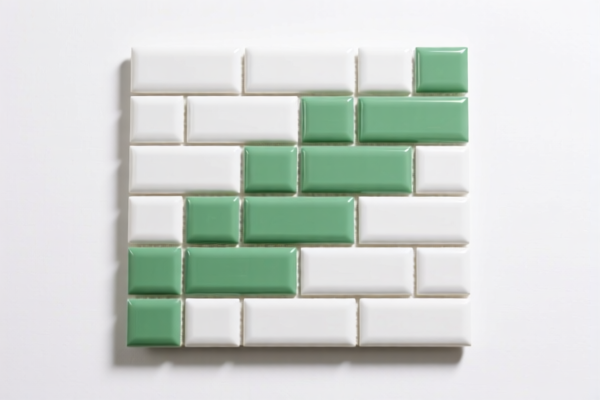
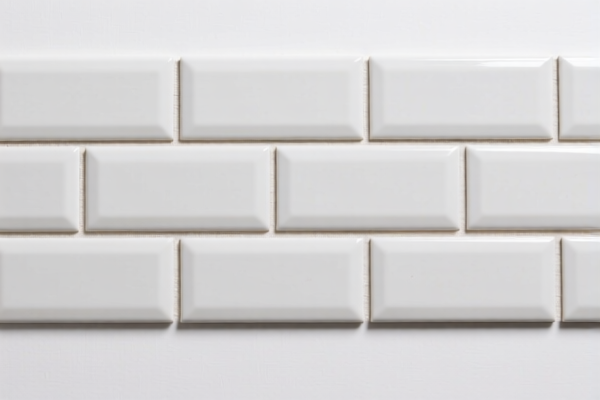
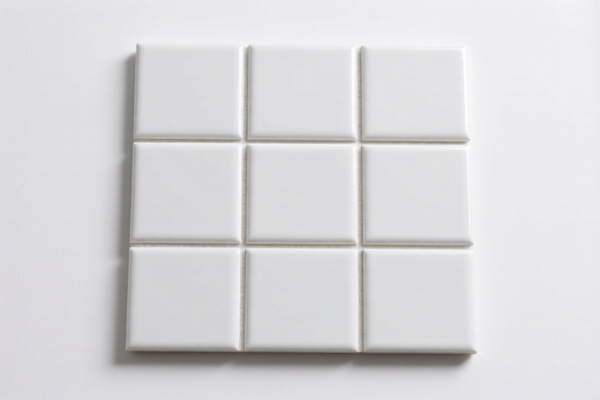
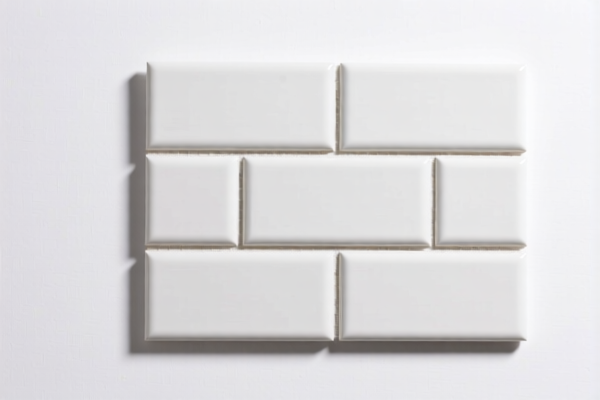
AI Analysis
🏗️ PVC Wall Tile (Decorative PVC Films/Sheets)
🌐 HS Code Reference & Customs Clearance Guide | 2026 Latest Tariff Analysis | Professional-Level Clearance Strategy
📌 I. Product Definition & Classification: Do You Really Understand "PVC Wall Tile"?
PVC Wall Tiles, often referred to as PVC wall films, decorative sheets, or vinyl wall coverings, are versatile interior design materials. In international trade, they are not a single unified category but are classified based on their physical form, adhesive properties, and chemical composition.
The core ambiguity lies in distinguishing between: 1. Rigid/Flexible Sheets (Non-self-adhesive): Classified under Chapter 39 (Plastics and Articles Thereof) as sheets/films. 2. Self-Adhesive Films: Classified as plastic tape or sticky products. 3. Specific Polymer Types: Depending on whether the base polymer is explicitly identified as PVC, Vinyl Chloride, or other ethylene/vinyl copolymers.
⚠️ Key Distinction Point:
- If the product is a self-adhesive roll or sheet (like tape) → It likely falls under 3919 (Self-adhesive plates/shapes).
- If the product is a plain sheet/film (requiring glue for installation) → It falls under 3920 or 3921 (Unwound plastic plates/sheets/film/strip, not self-adhesive).
- The chemical composition (PVC vs. Vinyl Chloride vs. other) determines the specific subheading (e.g., 3920.49 vs. 3921.12).
📦 II. HS Code Classification Details (2026 Latest Tariff Authoritative Comparison)
Based on the provided data, here are the specific HS Codes for PVC Wall Tiles, their summaries, and applicable tax rates.
| HS Code | Product Summary | Applicable Scenario | Total Tax Rate |
|---|---|---|---|
3921.12.19.50 |
PVC wall tile classified as a film-like product made of PVC polymer | Standard PVC decorative films/sheets, non-adhesive | 40.3% |
3919.90.50.60 |
PVC wall tile classified as a plastic self-adhesive or flat-shaped film product | Self-adhesive PVC wall panels/films | 40.8% |
3919.90.50.40 |
PVC wall tile classified as a plastic product conforming to transparent tape material and form characteristics | Clear or translucent adhesive PVC films/tapes | 40.8% |
3920.49.00.00 |
PVC wall tile classified as a film-like product made of vinyl polymer | Vinyl-based decorative sheets (often used interchangeably with PVC in broad terms) | 40.8% |
3921.12.50.00 |
PVC wall tile classified as a film-like product made of vinyl chloride polymer | Specific Vinyl Chloride polymer sheets (higher base duty) | 41.5% |
3920.43.50.00 |
PVC wall tile classified as a plastic product conforming to sheets/film/strip morphology | General PVC sheets/films/strip not fitting other specific vinyl categories | 39.2% |
🔍 Key Reminder:
- Self-adhesive vs. Non-adhesive: This is the most critical classification factor. Self-adhesive products (3919) often have slightly different duty structures compared to plain sheets (3920/3921).
- "PVC" vs. "Vinyl Chloride": While commonly used interchangeably, precise chemical naming in the customs declaration can shift the HS code from3921.12.19.50(40.3%) to3921.12.50.00(41.5%). Always check the Material Safety Data Sheet (MSDS).
- Lowest Tax Option:3920.43.50.00offers the lowest total tax rate at 39.2%. If your product fits the description of "sheets/film/strip" under this code, it is the most cost-effective classification.
💰 III. 2026 Latest Tariff Rate Details (Including Surtaxes & Policy Add-ons)
✅ Applicable Country: United States (US)
✅ Origin: China (CN)
✅ Effective Date: Ongoing (includes subsequent imports)
All HS codes listed above are subject to a composite tariff structure consisting of the Base Duty, Section 301 Additional Duty, and Section 122 Duty.
🎯 1. 3921.12.19.50 – PVC Polymer Film Product
| Item | Details |
|---|---|
| Base Duty | 5.3% |
| Section 301 Surtax | +25.0% |
| Section 122 Duty | +10.0% |
| Total Effective Tax Rate | 40.3% |
| Tax Calculation | CIF Value × 40.3% |
| De Minimis Eligibility | ❌ No (High tariff rates usually exclude small parcels from de minimis benefits, or they are explicitly denied). |
| Legal Basis Path | Base Tariff → USITC Footnote 301 (25%) → IEEPA Section 122 (10%) |
📌 Explanation:
- Section 301 (25%): Imposed under the Trade Act of 1974, Section 301, targeting specific Chinese goods.
- Section 122 (10%): A newer/trade remedy duty specifically targeting certain plastic products or general surcharges depending on current trade agreements.
- Total: The combination results in a high effective tax rate, making cost planning essential.
🎯 2. 3919.90.50.60 & 3919.90.50.40 – Self-Adhesive Plastic Products
| Item | Details |
|---|---|
| Base Duty | 5.8% |
| Section 301 Surtax | +25.0% |
| Section 122 Duty | +10.0% |
| Total Effective Tax Rate | 40.8% |
| Tax Calculation | CIF Value × 40.8% |
| De Minimis Eligibility | ❌ No |
📌 Note:
- Self-adhesive products have a slightly higher base duty (5.8% vs. 5.3%) due to the additional processing involved in applying the adhesive.
- The Section 301 and Section 122 rates remain constant at 25% and 10% respectively.
🎯 3. 3921.12.50.00 – Vinyl Chloride Polymer Film
| Item | Details |
|---|---|
| Base Duty | 6.5% |
| Section 301 Surtax | +25.0% |
| Section 122 Duty | +10.0% |
| Total Effective Tax Rate | 41.5% |
| Tax Calculation | CIF Value × 41.5% |
| De Minimis Eligibility | ❌ No |
📌 Warning:
- This code has the highest base duty (6.5%) among the options.
- It results in the highest total tax rate (41.5%).
- Avoid this classification unless the product strictly and exclusively fits the "Vinyl Chloride Polymer" definition and no other more favorable code applies.
🎯 4. 3920.49.00.00 – Vinyl Polymer Film
| Item | Details |
|---|---|
| Base Duty | 5.8% |
| Section 301 Surtax | +25.0% |
| Section 122 Duty | +10.0% |
| Total Effective Tax Rate | 40.8% |
| Tax Calculation | CIF Value × 40.8% |
| De Minimis Eligibility | ❌ No |
📌 Note:
- "Vinyl Polymer" is a broader term. If your PVC is a copolymer or modified PVC, this might be a safe classification, but ensure it doesn't fall under the more specific3921.12categories which have different base duties.
🎯 5. 3920.43.50.00 – Sheets/Film/Strip Morphology
| Item | Details |
|---|---|
| Base Duty | 4.2% |
| Section 301 Surtax | +25.0% |
| Section 122 Duty | +10.0% |
| Total Effective Tax Rate | 39.2% |
| Tax Calculation | CIF Value × 39.2% |
| De Minimis Eligibility | ❌ No |
📌 Optimization Tip:
- This code offers the lowest total tax rate (39.2%).
- If your PVC wall tile is a standard sheet or film that can be described as conforming to "sheets/film/strip" morphology without specific adhesive features or unique polymer designations, prioritize this HS code to save 1.1% - 2.3% in total taxes compared to other options.
🛠️ IV. Customs Clearance Practical Advice (Real-World Pitfall Guide)
✅ 1. Documentation Checklist (None of the following can be omitted)
| Document | Required? | Notes |
|---|---|---|
| ✅ Product Specification Sheet | ✔️ | Must detail material (PVC/Winyl), thickness, width, length, and whether it is self-adhesive. |
| ✅ Material Safety Data Sheet (MSDS) | ✔️ | Crucial for confirming the exact polymer type (PVC vs. Vinyl Chloride) to avoid misclassification. |
| ✅ Product Photos (Clear & Detailed) | ✔️ | Show the surface texture, backing (if adhesive), and packaging. Must show if it is a roll, sheet, or tile. |
| ✅ Commercial Invoice | ✔️ | Clearly state "PVC Wall Tile/Film/Sheet". Avoid vague terms like "Decorative Item". |
| ✅ Packing List | ✔️ | Specify net/gross weight and dimensions. |
| ✅ Certificate of Origin (CO) | ✔️ | Required for determining origin-based surtaxes. |
| ✅ Adhesive Declaration | ✔️ | Explicitly state if the product is self-adhesive. This determines 3919 vs. 3920/3921. |
✅ 2. Declaration Tips (Key Mantra)
🔥 “Adhesive? Go 3919. No Adhesive? Check 3920/3921. Base Duty Drives the Rate!”
| Scenario | Correct Declaration | Common Mistake |
|---|---|---|
| Self-Adhesive Roll | 3919.90.50.60 or 3919.90.50.40 |
Misdeclaring as 3920 (Plain Sheet) → Penalty for misclassification. |
| Plain PVC Sheet | 3920.43.50.00 (Best Rate) |
Declaring as 3921.12.50.00 → Higher tax (41.5% vs 39.2%). |
| Specific PVC Polymer | 3921.12.19.50 |
Using generic "Plastic Sheet" → Customs may downgrade or reclassify. |
| Vinyl Copolymer | 3920.49.00.00 |
Confusing with pure PVC → Potential duty discrepancy. |
✅ 3. Special Case Handling
| Situation | Handling Advice |
|---|---|
| OEM Custom Designs | Provide design specs to prove it’s a finished decorative product, not raw material. |
| Mixed Packaging (Adhesive + Non-Adhesive) | Do not mix in one shipment if possible. Different HS codes require separate line items and may have different regulatory requirements. |
| High-Volume Bulk Import | Consider applying for a Section 301 Exclusion if available for your specific product type and HTS number. Check the USTR exclusion list periodically. |
| De Minimis (Section 321) | Not Applicable. Due to the high total tax rate (>25%), small parcels under $800 are not eligible for de minimis entry. Full formal entry is required. |
🌍 V. Global Market Clearance Comparison (2026 Latest)
| Country/Region | Recommended HS Code | Tariff (Base) | Section 301/122 | Total Est. Tax | Remarks |
|---|---|---|---|---|---|
| 🇺🇸 United States | 3920.43.50.00 |
4.2% | +25% +10% | 39.2% | Most cost-effective for standard sheets. |
| 🇺🇸 United States | 3919.90.50.60 |
5.8% | +25% +10% | 40.8% | For self-adhesive products. |
| 🇨🇳 China | 3920.43.50.00 |
~9% - 10% | None | ~10% | No Section 301/122 for imports into China. |
| 🇪🇺 European Union | 3920.43.50.00 |
~6.5% | None | ~6.5% | No Section 301/122. CE/REACH compliance required. |
| 🇬🇧 United Kingdom | 3920.43.50.00 |
~6.5% | None | ~6.5% | Post-Brexit rules apply. UKCA marking may be needed. |
📌 Conclusion:
- The US market is significantly more expensive due to Section 301 and Section 122 tariffs.
- Strategic Recommendation: For US exports, optimize the HS Code to3920.43.50.00if the product allows, saving up to 2.3% in total tax.
- Alternative Supply Chain: Consider sourcing or assembling in countries not subject to Section 301 tariffs (e.g., Vietnam, Malaysia) if volume justifies the shift.
📌 VI. Common Errors & Pitfall Guide (Lessons Learned)
❌ Error 1: Declaring "PVC Wall Tile" as "Building Material" or "Wallpaper"
👉 Consequence: Misclassification. If it’s PVC plastic, it falls under Chapter 39, not Chapter 48 (Paper) or 49. Penalties and delays ensue.
❌ Error 2: Ignoring the "Self-Adhesive" feature
👉 Consequence: If it’s self-adhesive but declared as 3920 (non-adhesive), Customs will reclassify it to 3919, potentially leading to underpayment of base duty (5.8% vs 4.2% or 5.3%).
❌ Error 3: Using vague descriptions like "Plastic Film"
👉 Consequence: Customs may choose the highest duty code or request extensive clarification, causing cargo detention.
❌ Error 4: Assuming De Minimis applies
👉 Consequence: Packages shipped under $800 will be rejected or taxed because plastic products from China are excluded from Section 321 benefits for de minimis entry in many cases, especially with high tariffs.
✅ Correct Practice:
"PVC Wall Tile, Self-Adhesive, Roll, 10m x 1m, Vinyl Chloride Polymer, Decorative Finish"
OR
"PVC Decorative Sheet, Non-Adhesive, 10mm Thick, Polyvinyl Chloride, Matte Finish"
🎯 VII. Conclusion: Professional Declaration, Cost Savings, Efficiency!
🎯 Remember the Mantra:
🔹 "Self-Adhesive = 3919 (40.8%) | Plain Sheet = 3920/3921 (39.2%-41.5%) | Check Base Duty!"
🔹 "Total Tax = Base + 25% (301) + 10% (122). Don't guess the Polymer!"
📌 Pro Tip:
If your PVC wall tile is not originally from China (e.g., produced in Thailand, Mexico, or Vietnam), you may be eligible for Section 301 Exemptions or lower tariffs.
Recommendation: Apply for a Binding Ruling (Advance Ruling) from CBP before shipment to lock in the HS Code and duty rate, avoiding post-clearance audits and penalties.
📣 Immediate Action:
📞 Contact a licensed Customs Broker + Provide MSDS + Request HS Code Pre-Ruling
🚀 Ensure your PVC Wall Tiles clear customs smoothly, minimize tax liabilities, and maximize profits!
✨ Professional Clearance Starts with Accurate Classification!
💼 Every cent of your tax burden deserves precise calculation!
Customer Reviews
About HS Code Classification
The Harmonized System (HS) is an internationally standardized nomenclature developed by the World Customs Organization (WCO) to classify traded products. Over 200 countries use the HS system as the basis for customs tariffs, trade statistics, and import/export regulations.
Each HS code follows a hierarchical structure:
- Chapter (2 digits) — Broad category of goods (e.g., Chapter 84: Machinery and Mechanical Appliances)
- Heading (4 digits) — More specific grouping within the chapter
- Subheading (6 digits) — Internationally standardized breakdown, used by all WCO member countries
- National subdivisions (8-10 digits) — Country-specific extensions for further classification, such as US HTSUS 10-digit codes
Correct HS code classification is essential for smooth customs clearance, accurate duty payment, and compliance with trade regulations. Misclassification can lead to customs delays, overpayment of duties, or penalties.
When importing from CN to US, the applicable tariff rates may include:
- Most-Favored-Nation (MFN) rate — The standard duty rate applied to WTO members
- General rate — Applied to countries without trade agreements
- Trade remedy duties — Additional tariffs such as Section 301 (anti-dumping), Section 232 (national security), or countervailing duties
The information provided on this page is for reference purposes only. For official classification, please consult with your local customs authority or a licensed customs broker.