pvc wallpaper textile backing
CN → US| HS Code | Tariff Rate | Origin | Destination | Doc |
|---|---|---|---|---|
| 3919905060 | 40.8% | CN | US | Official Doc |
| 4811516000 | 35.0% | CN | US | Official Doc |
| 3919905040 | 40.8% | CN | US | Official Doc |
| 4811596000 | 35.0% | CN | US | Official Doc |
| 5903102010 | 35.0% | CN | US | Official Doc |
Product Images


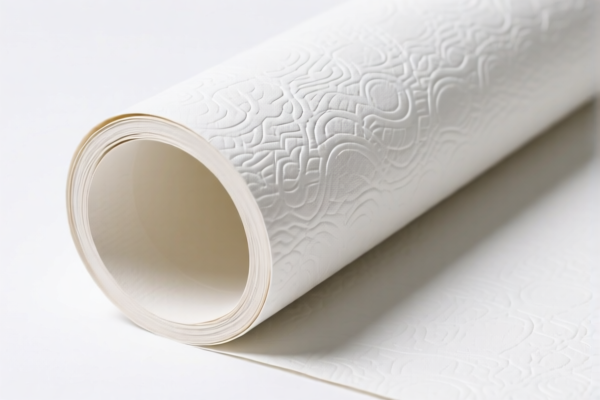
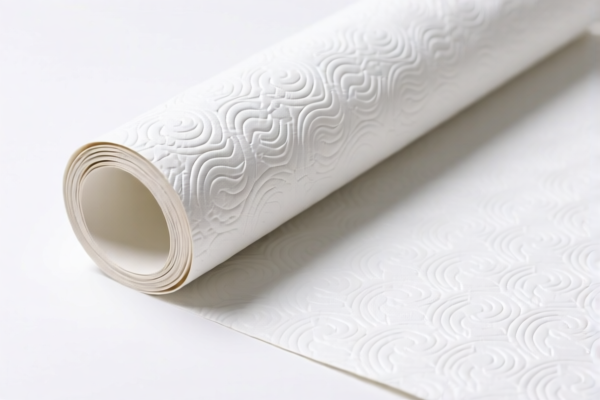
AI Analysis
🧱 PVC Wallpaper (Textile Backing)
🌐 HS Code Reference & Customs Clearance Guide | 2026 Latest Tariff Analysis | Professional Level Compliance Strategy
📌 I. Product Definition & Classification: Do You Really Understand "PVC Wallpaper"?
PVC Wallpaper with Textile Backing is a composite building material widely used in interior decoration. In international trade, its classification depends heavily on the material composition, structure (laminated/impregnated), and physical form (roll/film).
Because it combines Plastics (PVC) and Textiles/Fabrics, it sits in a complex gray area between Chapter 39 (Plastics) and Chapter 59 (Impregnated Textiles). The correct HS Code determines whether you pay a 5.8% base duty or 0% base duty, but both face significant additional tariffs due to US-China trade policies.
⚠️ Key Classification Points:
- If the PVC layer dominates and the product acts as a self-adhesive plastic film → Chapter 39 (3919).
- If the product is viewed as a plastic-coated textile/film composite with <70% plastic by weight or specific coating properties → Chapter 59 (5903) or Chapter 48 (4811).
- Self-Adhesive? Most modern PVC wallpapers are self-adhesive, pushing them toward 3919.
📦 II. HS Code Classification Details (2026 Latest Tariff Authority Comparison)
Based on the provided data, here are the valid HS Codes for PVC Wallpaper (Textile Backing) and why they apply:
| HS Code | Product Description & Logic | Base Duty | Key Classification Criterion |
|---|---|---|---|
3919.90.50.60 |
Self-Adhesive PVC Film/Sheet | 5.8% | Defined as "Self-adhesive plastic plates, sheets, film, foil, tape, strips." The PVC material is primary, and the form is a membrane/film. |
3919.90.50.40 |
Self-Adhesive PVC Film/Sheet | 5.8% | Same as above. Fits the characteristics of self-adhesive plastic sheets/films. Often used when the specific sub-code for "other" plastic films applies. |
4811.51.60.00 |
Plastic-Coated Paper/Film | 0.0% | Defined as "Coated with plastic." If the product is technically classified as a paper-based substrate with a PVC overlay (rather than pure plastic), it falls here. |
4811.59.60.00 |
Plastic-Coated Film/Product | 0.0% | Similar to above. "Sheets/Rolls of plastic-coated thin materials." Applies if the base material is not primarily PVC but a coated composite. |
5903.10.20.10 |
Impregnated/Covered Textile | 0.0% | Crucial for "Textile Backing". Defined as "Textile products impregnated, coated, or covered with plastic, where plastic weight > 70%." If the textile backing is significant and the PVC is a coating/impregnation, this is the correct classification. |
🔍 Critical Distinction:
- 3919 Series: Best if the product is essentially a plastic film (even with backing) that is self-adhesive.
- 4811 Series: Best if classified as a paper/film product coated with plastic.
- 5903 Series: Best if classified as a textile product coated/impregnated with plastic. Given the user specified "Textile Backing,"5903.10.20.10is a strong candidate if the plastic weight is >70%. However, if it's a PVC film with a textile backing (laminated),3919is often preferred by customs if it acts as a plastic sheet.
💰 III. 2026 Latest Tariff Rate Breakdown (Including Surcharges & Policy Add-ons)
✅ Applicable Country: United States (US)
✅ Origin: China (CN)
✅ Effective Time: Post-2025 (Current Policy)
🎯 1. 3919.90.50.60 & 3919.90.50.40 —— Self-Adhesive Plastic Sheets/Films
| Item | Content |
|---|---|
| Base Tariff | 5.8% |
| Section 301 Surcharge (25%) | +25.0% (From USITC Footnote for Chinese imports) |
| Section 122 Surcharge (10%) | +10.0% (Specific tariff provision mentioned in data) |
| Total Effective Duty Rate | 40.8% |
| Tax Calculation | CIF Value × 40.8% |
| De Minimis Exemption | ❌ Not Eligible (High duty rate prevents de minimis clearance for B2B) |
| Legal Basis Path | USITC:3919.90.50.60 → Section 301: 25% → Section 122: 10% |
📌 Explanation:
- Base 5.8%: Standard MFN rate for plastic films.
- 25% Section 301: Universal surcharge on Chinese plastic products.
- 10% Section 122: Additional surcharge specified in the data (likely related to specific trade remedies or administrative fees).
- Total 40.8%: This is a high-cost entry. Must be factored into pricing.
🎯 2. 4811.51.60.00 & 4811.59.60.00 —— Plastic-Coated Paper/Film
| Item | Content |
|---|---|
| Base Tariff | 0.0% |
| Section 301 Surcharge (25%) | +25.0% |
| Section 122 Surcharge (10%) | +10.0% |
| Total Effective Duty Rate | 35.0% |
| Tax Calculation | CIF Value × 35.0% |
| De Minimis Exemption | ❌ Not Eligible |
| Legal Basis Path | USITC:4811.5x.x0.00 → Section 301: 25% → Section 122: 10% |
📌 Explanation:
- Base 0.0%: Plastic-coated paper/film often has zero base duty.
- Total 35.0%: Still high due to surcharges, but 5.8% lower than the 3919 classification.
- Strategy: If customs allows reclassifying from 3919 to 4811, you save 5.8% on the base duty.
🎯 3. 5903.10.20.10 —— Impregnated/Coated Textile (Plastic Weight >70%)
| Item | Content |
|---|---|
| Base Tariff | 0.0% |
| Section 301 Surcharge (25%) | +25.0% |
| Section 122 Surcharge (10%) | +10.0% |
| Total Effective Duty Rate | 35.0% |
| Tax Calculation | CIF Value × 35.0% |
| De Minimis Exemption | ❌ Not Eligible |
| Legal Basis Path | USITC:5903.10.20.10 → Section 301: 25% → Section 122: 10% |
📌 Explanation:
- Base 0.0%: Textiles coated with plastic often have zero base duty.
- Total 35.0%: Same as 4811.
- Why this code? Since the product has a Textile Backing, if the PVC is considered a coating/impregnation and constitutes >70% of the weight, this is the most technically accurate code for "Textile + Plastic" composites.
- Risk: Customs may challenge this if the PVC is clearly a thick film laminate rather than a coating.
🛠️ IV. Customs Clearance Practical Advice (Real-World Pitfall Guide)
✅ 1. Document Preparation Checklist (Missing = Delays)
| Document | Mandatory? | Explanation |
|---|---|---|
| ✅ Product Specification Sheet | ✔️ | Must detail: PVC layer thickness, Textile backing material (e.g., polyester, non-woven), Total weight, Self-adhesive nature. |
| ✅ Composition Analysis Report | ✔️ | Critical. Must prove if Plastic Weight > 70% (for 5903) or if it's a plastic film with backing (3919). |
| ✅ Product Photos (Clear) | ✔️ | Show cross-section (layers), adhesive side, and roll ends. |
| ✅ Commercial Invoice | ✔️ | Must clearly state: "PVC Wallpaper with Textile Backing, Self-Adhesive, Model XYZ." |
| ✅ Packaging List | ✔️ | Include net/gross weight accurately for duty calculation. |
✅ 2. Declaration Tips (Key Mantras)
🔥 “Composition Dictates Code, Backing Matters, Adhesive Defines Chapter!”
| Scenario | Recommended HS Code | Reason |
|---|---|---|
| Thick PVC Film with Textile Backing, Self-Adhesive | 3919.90.50.60 / 3919.90.50.40 |
Treated as a plastic sheet. Adhesive pushes to Ch. 39. |
| Light PVC Coating on Textile (Weight >70%) | 5903.10.20.10 |
Treated as an impregnated textile. |
| PVC Coated on Paper/Cardboard Backing | 4811.51.60.00 / 4811.59.60.00 |
Treated as coated paper/film. |
| Non-Adhesive, Thick PVC Roll | 3920.62.x0 (Not in data) |
Not self-adhesive, falls under plastic plates. |
⚠️ Warning:
- Do NOT simply declare as "Wallpaper" without material details.
- If you declare3919but customs determines it's a textile coating, they may reclassify to5903(lower base duty) or penalize for misdeclaration.
- Pro Tip: If the textile backing is significant, argue for5903.10.20.10to achieve the 35.0% total rate instead of 40.8%.
✅ 3. Special Cases
| Case | Handling Advice |
|---|---|
| OEM Custom Wallpaper | Provide design files and material composition sheet. Avoid vague terms like "Decorative Film." |
| Mixed Materials (e.g., Foil + PVC + Textile) | Declare the principal material. If PVC is dominant, 3919 or 5903 applies. |
| Samples vs. Bulk | Samples may still be subject to duties if over $800 (de minimis limit for most non-eligible goods). |
🌍 V. Global Market Comparison (2026 Latest)
| Country/Region | Recommended HS Code | Total Duty Rate (China Origin) | Remarks |
|---|---|---|---|
| 🇺🇸 USA | 3919.90.50.60 or 5903.10.20.10 |
35.0% - 40.8% | High surcharges (30-35.8% total). |
| 🇨🇳 China | 3919.90.50.60 |
~5.8% (Import) | Low base duty, no surcharges. |
| 🇪🇺 EU | 5903.10.90 |
~6.5% | No Section 301/122 equivalents. |
| 🇬🇧 UK | 5903.10.90 |
~6.5% | Post-Brexit tariff structure. |
📌 Conclusion:
- The US market is the most expensive for PVC wallpapers due to Section 301 and Section 122 tariffs.
- Strategy: Consider diversifying supply chains (e.g., Vietnam, Thailand) to avoid Chinese origin surcharges, or optimize HS Code selection to aim for the 35.0% tier (4811or5903) instead of 40.8% (3919).
📌 VI. Common Errors & Pitfalls (Lessons Learned)
❌ Error 1: Declaring as "Paper Wallpaper" (4814)
👉 Consequence: Customs reclassifies to 3919 or 5903 due to PVC content. Penalty + Back Taxes.
❌ Error 2: Ignoring the "Self-Adhesive" feature
👉 Consequence: If self-adhesive, it must be 3919. Misdeclaration leads to audits.
❌ Error 3: Not providing Composition Report
👉 Consequence: Customs cannot determine if Plastic Weight >70% (for 5903). Default to highest duty or hold cargo.
❌ Error 4: Confusing "Base Duty" with "Total Duty"
👉 Consequence: Expecting 5.8% or 0%, but paying 40.8% or 35%. Cash Flow Crisis.
✅ Correct Approach:
"PVC Wallpaper, Self-Adhesive, PVC Layer + Textile Backing, Plastic Weight >70%, Model XYZ, US Compliant"
🎯 VII. Conclusion: Precision Classification Saves Money!
🎯 Remember the Mantra:
🔹 "Adhesive = 3919 (5.8% base), Coated Textile = 5903 (0% base). Both have 35-40% total."
🔹 "Total Duty = Base + 25% (301) + 10% (122). Plan for 40%!"
🔹 "Textile Backing? Argue for 5903 to save 5.8% base duty!"
📌 Pro Tip:
If your PVC wallpaper is non-Chinese origin (e.g., Made in Vietnam), you MAY be eligible for 0% Section 301/122 tariffs.
✅ Recommendation:
📞 Consult a licensed US Customs Broker.
📄 Request a Binding Ruling (IOR) for the specific product structure to lock in the lowest valid HS Code.
🚀 Smart Classification = Lower Costs = Higher Margins!
✨ Professional Clearance Starts with Accurate Classification!
💼 Every percentage point saved is pure profit!
Customer Reviews
About HS Code Classification
The Harmonized System (HS) is an internationally standardized nomenclature developed by the World Customs Organization (WCO) to classify traded products. Over 200 countries use the HS system as the basis for customs tariffs, trade statistics, and import/export regulations.
Each HS code follows a hierarchical structure:
- Chapter (2 digits) — Broad category of goods (e.g., Chapter 84: Machinery and Mechanical Appliances)
- Heading (4 digits) — More specific grouping within the chapter
- Subheading (6 digits) — Internationally standardized breakdown, used by all WCO member countries
- National subdivisions (8-10 digits) — Country-specific extensions for further classification, such as US HTSUS 10-digit codes
Correct HS code classification is essential for smooth customs clearance, accurate duty payment, and compliance with trade regulations. Misclassification can lead to customs delays, overpayment of duties, or penalties.
When importing from CN to US, the applicable tariff rates may include:
- Most-Favored-Nation (MFN) rate — The standard duty rate applied to WTO members
- General rate — Applied to countries without trade agreements
- Trade remedy duties — Additional tariffs such as Section 301 (anti-dumping), Section 232 (national security), or countervailing duties
The information provided on this page is for reference purposes only. For official classification, please consult with your local customs authority or a licensed customs broker.