pyjamas set
CN → US| HS Code | Tariff Rate | Origin | Destination | Doc |
|---|---|---|---|---|
| 6107220015 | 33.5% | CN | US | Official Doc |
| 6111305020 | 33.5% | CN | US | Official Doc |
| 6107210020 | 26.4% | CN | US | Official Doc |
| 6107220025 | 33.5% | CN | US | Official Doc |
| 6107210020 | 26.4% | CN | US | Official Doc |
Product Images
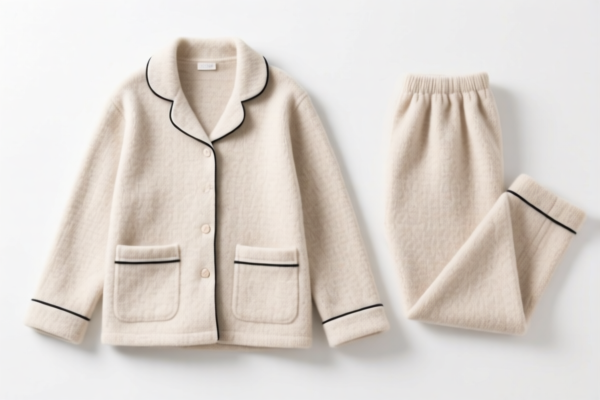
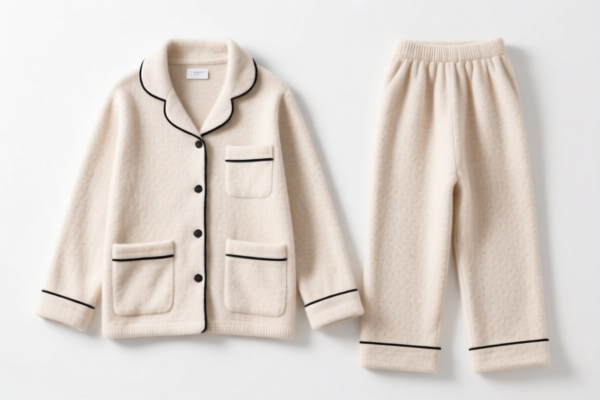
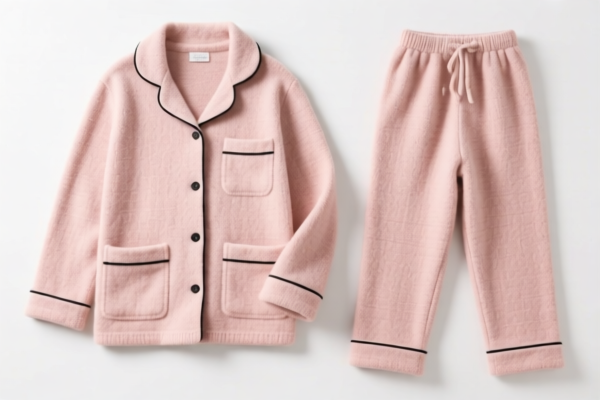
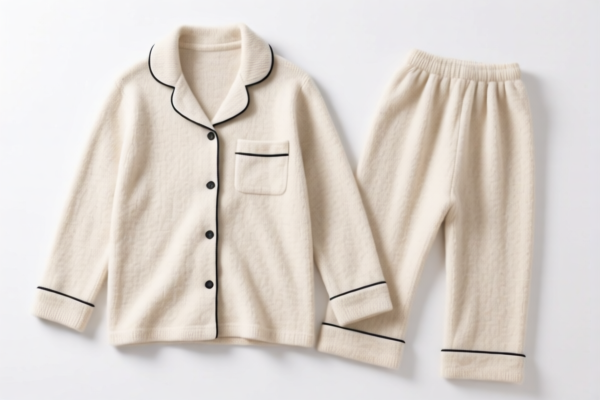
AI Analysis
🛌 Men's Boys' Pajama Sets (Knitted/Crocheted Sleepwear)
🌐 HS Code Reference & Customs Clearance Guide | 2026 Latest Tariff Analysis | Strategic Entry Strategy
📌 1. Product Definition and Classification: Do You Truly Understand "Pajama Sets"?
A "Pajama Set" in international trade refers to a matching set of clothing designed for sleeping, typically consisting of a top and bottom. For Boys' Men's Pajamas, the classification hinges on two critical factors: 1. Knitting vs. Woven: In Chapter 61, knitted or crocheted garments are classified differently from woven ones. The data provided indicates these are Knitted/Crocheted items (Chapter 61). 2. Material Composition: The tariff burden varies significantly based on whether the fabric is Cotton, Synthetic Fibers (e.g., Polyester), or Man-Made Fibers (e.g., Viscose/Rayon).
⚠️ Key Classification Distinction:
- Cotton Knit: Generally enjoys a lower base tariff (8.9%) but is still subject to heavy trade war duties.
- Non-Cotton (Synthetic/Man-Made): Subject to a higher base tariff (16.0%) before additional duties are applied.
- "Set" Logic: As long as the top and bottom are matched and packaged together for sale, they are classified as a "Set" under specific subheadings (e.g., 6107.21 or 6107.22), not as individual shirts or pants.
📦 2. HS Code Classification Details (2026 Authoritative Tariff Alignment)
The following table maps the specific HS Codes provided in the data to their material composition and tax implications. Note that duplicate HS codes in the source data represent consistent classifications for different specific material variations or sub-descriptions.
| HS Code | Product Description | Material Composition | Key Feature |
|---|---|---|---|
6107.21.00.20 |
Boys' Pajama Sets, Knitted/Crocheted | Cotton | Lowest Base Rate (8.9%). Most common for comfort wear. |
6107.22.00.25 |
Boys' Pajama Sets, Knitted/Crocheted | Man-Made Fibers (e.g., Viscose/Rayon) | High Base Rate (16.0%). Often used for silky-feel fabrics. |
6107.22.00.15 |
Boys' Pajama Sets, Knitted/Crocheted | Unspecified/General | High Base Rate (16.0%). Default for non-cotton synthetic blends unless specified otherwise. |
6111.30.50.20 |
Boys' Pajama Sets, Knitted/Crocheted | Synthetic or Natural | High Base Rate (16.0%). Broad category for synthetic-heavy blends. |
🔍 Critical Note on Duplicates:
- The HS Code6107.21.00.20appears twice in the data. This confirms that for Cotton boys' pajamas, the classification is stable at 26.4% total tax.
- The HS Codes6107.22.00.15,6107.22.00.25, and6111.30.50.20all fall under the 33.5% total tax bracket. This indicates that Non-Cotton knitted pajamas face a significantly higher tariff burden.
💰 3. 2026 Latest Tariff Rate Breakdown (Including Surtaxes & Policy Add-ons)
✅ Applicable Country: United States (US)
✅ Country of Origin: China (CN)
✅ Effective Date: Current trade war provisions remain active.
🎯 1. 6107.21.00.20 — Cotton Boys' Pajama Sets (Knitted)
The most cost-effective option for import, but still heavily taxed.
| Item | Content |
|---|---|
| Base Tariff | 8.9% (Ad Valorem) |
| Section 301 Surtax | +7.5% (Trade War Surcharge) |
| Section 122 Tariff | +10.0% (122 Provision Tariff) |
| Total Tax Rate | 26.4% |
| Tax Calculation | CIF Value × 26.4% |
| De Minimis Eligibility | ❌ No (Section 301 & 122 duties apply to low-value shipments if not exempted) |
| Legal Basis Path | HTSUS:6107.21.00.20 → Section 301:7.5% → Section 122:10% |
📌 Explanation:
- The 8.9% is the standard MFN (Most Favored Nation) rate for cotton knit sleepwear.
- The 7.5% is the additional duty imposed under Section 301 of the Trade Act of 1974 against Chinese goods.
- The 10% is the "Section 122" tariff, often applied to specific categories to protect domestic industries or address trade imbalances.
- Total Impact: For a $1,000 shipment, you pay $264 in duties.
🎯 2. 6107.22.00.15, 6107.22.00.25, 6111.30.50.20 — Non-Cotton Pajama Sets (Knitted)
Higher base rate due to synthetic/man-made fiber classification.
| Item | Content |
|---|---|
| Base Tariff | 16.0% (Ad Valorem) |
| Section 301 Surtax | +7.5% (Trade War Surcharge) |
| Section 122 Tariff | +10.0% (122 Provision Tariff) |
| Total Tax Rate | 33.5% |
| Tax Calculation | CIF Value × 33.5% |
| De Minimis Eligibility | ❌ No |
| Legal Basis Path | HTSUS:6107.22.00.xx / 6111.30.50.20 → Section 301:7.5% → Section 122:10% |
📌 Explanation:
- The 16.0% base rate reflects the higher standard tariff for man-made or synthetic fiber garments.
- The 7.5% and 10% surcharges are identical to the cotton category, compounding the cost.
- Total Impact: For a $1,000 shipment, you pay $335 in duties.
- Cost Delta: Importing synthetic pajamas costs $71 more per $1,000 than cotton ones due to the base rate difference.
🛠️ 4. Customs Clearance Operational Advice (Practical Pitfall Guide)
✅ 1. Documentation Checklist (Mandatory)
| Document | Required | Explanation |
|---|---|---|
| ✅ Commercial Invoice | ✔️ | Must clearly state "Men's Boys' Pajama Set, Knitted" and specify Material Composition (e.g., "100% Cotton" or "100% Polyester"). |
| ✅ Packing List | ✔️ | Show matching top/bottom counts. Mismatched sets may be classified as separate shirts/pants, leading to audit flags. |
| ✅ Material Composition Label | ✔️ | Photos of the care label inside the garment are crucial for CBP (Customs and Border Protection) to verify HS Code. |
| ✅ Country of Origin Certificate | ✔️ | Essential for determining eligibility for any potential exemptions (though unlikely for CN origin under current rules). |
| ✅ Product Photos | ✔️ | Clear images showing the "Set" nature (top + bottom together). |
✅ 2. Declaration Tips (Crucial Keywords)
🔥 "Be Specific, Be Accurate: Material Determines Tariff!"
| Scenario | Correct Declaration | Incorrect Declaration | Consequence |
|---|---|---|---|
| Cotton Pajamas | "Boys' Knitted Cotton Pajama Set" | "Clothing" or "Pajamas" (vague) | Risk of misclassification → 16% Base Rate applied instead of 8.9% |
| Synthetic Pajamas | "Boys' Knitted Polyester Pajama Set" | "Knitted Sleepwear" (without material) | CBP may assume worst-case scenario → 16% Base Rate |
| Mixed Material | Specify % of each fiber | "Cotton Blend" (if >50% synthetic) | Classification based on chief weight. If synthetic >50%, 16% Rate applies. |
| Woven vs. Knit | "Knitted or Crocheted" | "Woven" (if it's actually knit) | Wrong Chapter (62 vs 61) → Higher Tariff & Penalties |
✅ 3. Special Handling Cases
| Situation | Handling Advice |
|---|---|
| OEM/Private Label | Ensure the brand and origin are clearly marked. CBP checks for "Made in China" to apply Section 301/122 duties. |
| Small Sample Shipments | Even small shipments are subject to the 7.5% and 10% surcharges. Do not rely on de minimis exemptions without legal counsel. |
| Fabric Content Dispute | If the invoice says "Cotton" but the label says "Polyester", CBP will reclassify to the higher tariff (16%) and may issue a penalty. Always match documents to physical goods. |
🌍 5. Global Market Comparison (2026 Latest)
| Country/Region | Recommended HS Code | Base Tariff | Additional Duties (China Origin) | Total Effective Rate | Remarks |
|---|---|---|---|---|---|
| 🇺🇸 USA | 6107.21.00.20 (Cotton) |
8.9% | +17.5% (301+122) | 26.4% | High barrier. |
| 🇺🇸 USA | 6107.22.00.25 (Non-Cotton) |
16.0% | +17.5% (301+122) | 33.5% | Very high barrier. |
| 🇨🇳 China | 6107.21.00.00 |
~5-10% | None | ~5-10% | Domestic consumption low duty. |
| 🇪🇺 EU | 6107.21.00.00 |
~12-16% | None (mostly) | ~12-16% | No Section 301/122 equivalents, but high base VAT/Duty. |
| 🇬🇧 UK | 6107.21.00.00 |
~12% | None | ~12% | Post-Brexit standard rate. |
📌 Conclusion:
- The US market is the most expensive due to the combination of base tariffs and specific Section 301/122 surcharges.
- Cotton is the preferred material for cost-efficiency in US imports due to the lower base rate.
- For other markets, the "Section 122" and "Section 301" surcharges do not apply, potentially lowering the total landed cost.
📌 6. Common Errors & Pitfalls (Lessons Learned)
❌ Error 1: Declaring "Pajamas" without specifying "Knitted"
👉 Consequence: CBP may classify as Woven (Chapter 62), which has different rates and restrictions, leading to delays.
❌ Error 2: Misidentifying Material (e.g., calling Polyester "Cotton")
👉 Consequence: Reclassification to the 16% base rate + back taxes + penalties. Financial Loss: ~7.5% extra tax + fines.
❌ Error 3: Assuming De Minimis (Section 321) exempts Section 301/122 duties
👉 Consequence: Incorrect. Recent regulations have removed or limited de minimis exemptions for Section 301 goods from China. Even small packages are taxed.
❌ Error 4: Splitting a "Set" into "Top" and "Bottom" for shipment
👉 Consequence: If intended as a set, splitting them may trigger a "Set" classification rule requiring them to be declared together, or lead to disputes over whether they are actually sold as sets.
✅ Best Practice:
"Boys' Knitted Cotton Pajama Set, 100% Cotton, CN Origin, HS Code 6107.21.00.20"
🎯 7. Conclusion: Professional Declaration, Cost Control!
🎯 Remember the Golden Rule:
🔹 "Cotton is Cheaper: 26.4% vs 33.5%. Material Matters!"
🔹 "Section 301 + Section 122 = +17.5% on Top of Base Rate."
🔹 "Never Guess the Material: Always Label Correctly!"
📌 Pro Tip:
If you are exporting to the US, consider supply chain diversification. Products manufactured in Vietnam, Bangladesh, or Turkey may be exempt from Section 301/122 duties, potentially lowering the total tax rate to the base rate only (~8.9% for cotton). This could save significant margins.
📣 Immediate Action:
📞 Consult a Customs Broker: Verify the exact material composition.
🚀 Apply for Advance Ruling: If possible, get a pre-classification ruling from CBP to secure the 26.4% rate for cotton items.
💼 Your Bottom Line Depends on Accurate Classification!
✨ Professional Clearance, Start with Accurate Classification!
💼 Every Percent of Tax is Real Cost Saved!
Customer Reviews
About HS Code Classification
The Harmonized System (HS) is an internationally standardized nomenclature developed by the World Customs Organization (WCO) to classify traded products. Over 200 countries use the HS system as the basis for customs tariffs, trade statistics, and import/export regulations.
Each HS code follows a hierarchical structure:
- Chapter (2 digits) — Broad category of goods (e.g., Chapter 84: Machinery and Mechanical Appliances)
- Heading (4 digits) — More specific grouping within the chapter
- Subheading (6 digits) — Internationally standardized breakdown, used by all WCO member countries
- National subdivisions (8-10 digits) — Country-specific extensions for further classification, such as US HTSUS 10-digit codes
Correct HS code classification is essential for smooth customs clearance, accurate duty payment, and compliance with trade regulations. Misclassification can lead to customs delays, overpayment of duties, or penalties.
When importing from CN to US, the applicable tariff rates may include:
- Most-Favored-Nation (MFN) rate — The standard duty rate applied to WTO members
- General rate — Applied to countries without trade agreements
- Trade remedy duties — Additional tariffs such as Section 301 (anti-dumping), Section 232 (national security), or countervailing duties
The information provided on this page is for reference purposes only. For official classification, please consult with your local customs authority or a licensed customs broker.