rangefinders
CN → US| HS Code | Tariff Rate | Origin | Destination | Doc |
|---|---|---|---|---|
| 9015104000 | 35.0% | CN | US | Official Doc |
| 9015108000 | 35.0% | CN | US | Official Doc |
| 9013105000 | 22.8% | CN | US | Official Doc |
| 9013809100 | 22.0% | CN | US | Official Doc |
| 9031499000 | 35.0% | CN | US | Official Doc |
| 9031808085 | 10.0% | CN | US | Official Doc |
Product Images
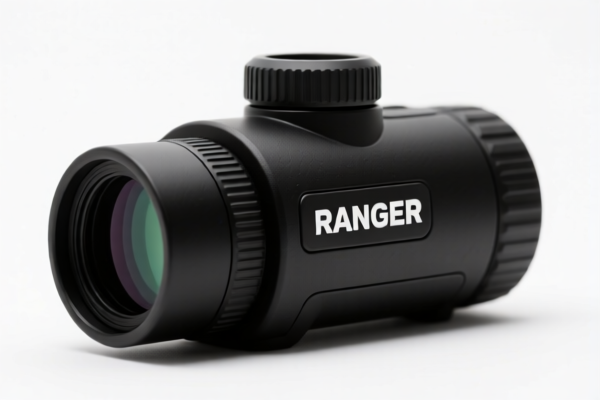
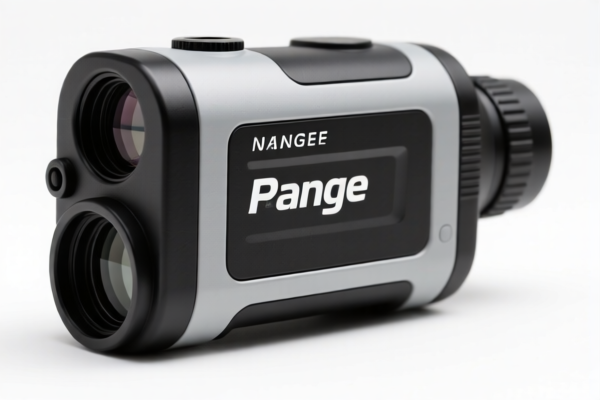
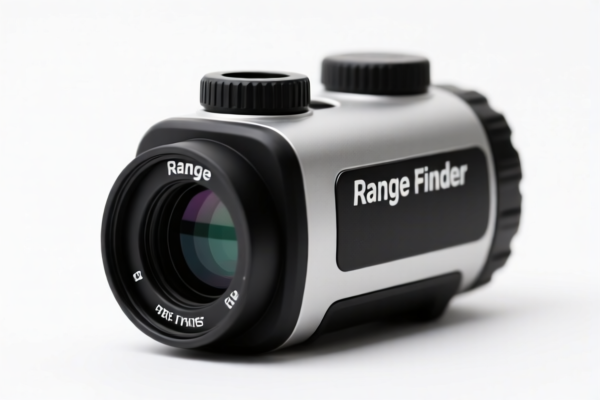
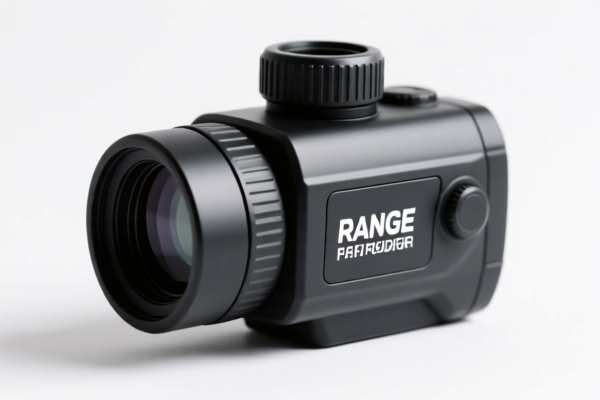
AI Analysis
📏 Rangefinders (Optical & Electrical Distance Measurement Instruments)
🌐 HS Code Reference & Customs Clearance Guide | 2026 Latest Tariff Analysis | Professional Strategy
📌 I. Product Definition & Classification: Do You Know Your Rangefinder?
Rangefinders are precision instruments used to determine the distance to an object. In international trade, they are primarily categorized based on their technology (Optical vs. Electrical) and application (Military/Land Surveying vs. General Industrial).
Key Distinction: * Optical Rangefinders: Use light beams or stereo vision (e.g., laser rangefinders used in golf or construction). * Electrical Rangefinders: Use radar, lidar, or other electronic sensing methods (e.g., LiDAR for autonomous vehicles, radar guns, industrial sensors).
⚠️ Critical Classification Point:
- If the device is a surveying instrument (used for land mapping, construction, or geophysical surveys) and is electrical → It falls under 9015.10.40.00.
- If it is a general-purpose electrical rangefinder not specifically for surveying → It may fall under 9031.80.80.85 (Other measuring instruments).
- Note: Purely optical rangefinders (non-laser) are often grouped under 9013 (Optical appliances) or 9015 depending on specific design, but modern "laser rangefinders" are almost always classified under 9015.10 if they are surveying devices, or 9013.10/9013.80 if they are general optical instruments. However, per the provided data, we focus on the specific HS codes listed for Rangefinders in Chapter 9015 and 9031.
📦 II. HS Code Classification Details (2026 Latest Tariff Reference)
Based on the provided data, here are the specific classifications for Rangefinders and related optical/measuring instruments:
| HS Code | Product Description | Application Context | Tax Rate (China to US) |
|---|---|---|---|
9015.10.40.00 |
Surveying Rangefinders: Electrical | LiDAR, Radar-based land survey tools, Industrial distance sensors | 25.0% (Base 0% + Add. 25%) |
9015.10.80.00 |
Surveying Rangefinders: Other | Optical rangefinders used in surveying, Non-electrical survey tools | 25.0% (Base 0% + Add. 25%) |
9013.10.50.00 |
Telescopic Sights / Periscopes | Optical sights for arms, Military optics | 12.8% (Base 5.3% + Add. 7.5%) |
9013.80.91.00 |
Other Optical Appliances | General optical devices not specified elsewhere | 12.0% (Base 4.5% + Add. 7.5%) |
9031.49.90.00 |
Other Optical Measuring Instruments | Profile projectors, Optical checkers | 25.0% (Base 0% + Add. 25%) |
9031.80.80.85 |
Other Measuring Instruments | Non-optical precision measuring devices, Industrial sensors | 25.0% (Base 0% + Add. 25%) |
🔍 Key Insight:
- Electrical Rangefinders used in surveying (9015.10.40.00) incur a 25% total tax.
- Non-electrical (Optical) Rangefinders used in surveying (9015.10.80.00) also incur a 25% total tax.
- General Optical Devices like telescopic sights (9013.10.50.00) have a lower rate (12.8%).
- Industrial Measuring Instruments (9031.80.80.85) also face 25% tax.
💰 III. 2026 Tariff Rate Breakdown (Detailed Tax Clauses)
✅ Applicable Country: United States (US)
✅ Country of Origin: China (CN)
✅ Effective Date: 2025/2026 Tariff Schedule
🎯 1. 9015.10.40.00 & 9015.10.80.00 — Rangefinders (Surveying)
| Item | Detail |
|---|---|
| Base Tariff | 0.0% |
| Section 301 Additional Tariff | +25.0% |
| Total Tax Rate | 25.0% |
| Tax Calculation | CIF Value × 25% |
| De Minimis Exemption | ❌ Not Applicable (Section 301 goods are excluded from de minimis) |
| Legal Basis | USITC:9015.10.40.00 / 9015.10.80.00 → SECTION 301 FOOTNOTE: 9903.88.01 |
📌 Explanation:
- These codes fall under Chapter 90 (Optical, Photographic, Cinematographic, Measuring Instruments).
- The 25% additional tariff is applied due to the Section 301 trade action against Chinese goods.
- No base tariff is applied, making the entire 25% an added cost.
- Warning: This applies to both electrical and non-electrical rangefinders used for surveying.
🎯 2. 9013.10.50.00 — Telescopic Sights for Arms
| Item | Detail |
|---|---|
| Base Tariff | 5.3% |
| Section 301 Additional Tariff | +7.5% |
| Total Tax Rate | 12.8% |
| Tax Calculation | CIF Value × 12.8% |
| Legal Basis | USITC:9013.10.50.00 → SECTION 301 FOOTNOTE |
📌 Note: If the rangefinder is marketed as a telescopic sight for firearms, it may fall under this lower rate. However, this is not a general-purpose rangefinder.
🎯 3. 9013.80.91.00 — Other Optical Appliances
| Item | Detail |
|---|---|
| Base Tariff | 4.5% |
| Section 301 Additional Tariff | +7.5% |
| Total Tax Rate | 12.0% |
| Tax Calculation | CIF Value × 12.0% |
| Legal Basis | USITC:9013.80.91.00 → SECTION 301 FOOTNOTE |
📌 Note: This code applies to general optical devices that are not specifically classified as surveying instruments. If your rangefinder is not for surveying (e.g., a simple optical range finder for hunting or sports), it might be classified here.
🎯 4. 9031.80.80.85 — Other Measuring Instruments
| Item | Detail |
|---|---|
| Base Tariff | 0.0% |
| Section 301 Additional Tariff | +25.0% |
| Total Tax Rate | 25.0% |
| Tax Calculation | CIF Value × 25% |
| Legal Basis | USITC:9031.80.80.85 → SECTION 301 FOOTNOTE |
📌 Note: This applies to non-optical measuring instruments. If your rangefinder uses radar or lidar but is not classified as a "surveying instrument" under Chapter 9015, it may fall here.
🛠️ IV. Customs Clearance Practical Advice
✅ 1. Required Documentation
| Document | Mandatory | Notes |
|---|---|---|
| Product Specification Sheet | ✔️ | Must clearly state: Type (Electrical/Optical), Application (Surveying/General), Technology (Laser/Radar/Optical) |
| Technical Diagrams | ✔️ | To prove whether it is a "Surveying Instrument" (Ch 9015) or "General Optical Appliance" (Ch 9013) |
| Product Photos | ✔️ | Include labels showing model, brand, and input/output specs |
| Commercial Invoice | ✔️ | Clearly describe the product (e.g., "Electronic Laser Rangefinder for Land Surveying") |
| Packing List | ✔️ | Detail contents to avoid misclassification of accessories |
✅ 2. Classification Strategy
🔥 "Surveying vs. General Use: Know Your Purpose!"
| Scenario | Recommended HS Code | Tax Rate | Risk Level |
|---|---|---|---|
| LiDAR/Radar for Land Surveying | 9015.10.40.00 |
25% | 🟢 Low (Clear definition) |
| Optical Rangefinder for Construction | 9015.10.80.00 |
25% | 🟢 Low |
| Telescopic Sight for Firearms | 9013.10.50.00 |
12.8% | 🟡 Medium (Must prove military/arms use) |
| General Optical Rangefinder (Not Surveying) | 9013.80.91.00 |
12.0% | 🟡 Medium (Must prove non-surveying use) |
| Industrial Sensor (Non-Optical) | 9031.80.80.85 |
25% | 🟢 Low |
✅ 3. Common Mistakes & Pitfalls
❌ Mistake 1: Classifying a surveying rangefinder as a general optical appliance (9013.80.91.00) to get a lower rate.
👉 Consequence: Customs may reclassify it to 9015.10.40.00 or 9015.10.80.00, resulting in a 13% tax increase (from 12% to 25%) + penalties.
❌ Mistake 2: Using "Rangefinder" as the only description on the invoice.
👉 Consequence: Customs will query the purpose. If it’s for surveying, it goes to Ch 9015 (25%). If it’s for hunting, it might go to Ch 9013 (12-12.8%). Be specific!
❌ Mistake 3: Ignoring the Section 301 additional tariff.
👉 Consequence: Unexpected high taxes at customs. Always factor in the 25% additional tax for Ch 9015 and Ch 9031 goods from China.
✅ 4. Pro Tips for Lowering Costs
- Check for HTS Exclusions: Verify if your specific product model is excluded from Section 301 tariffs (rare for electronic/optical instruments, but always check the latest USITC exclusion lists).
- Accurate Description: Use precise language. For example:
> "Electronic LiDAR Rangefinder for Topographic Surveying, Model XYZ, Made in China"
> vs.
> "Optical Telescope Sight for Rifle, Model ABC, Made in China"
These different descriptions lead to different HS Codes and tax rates. - Pre-Ruling Application: If unsure, apply for a Binding Ruling from US Customs and Border Protection (CBP) to confirm the correct HS Code and tax rate.
🌍 V. Global Comparison (2026)
| Country | HS Code (Example) | Tax Rate (China Origin) | Notes |
|---|---|---|---|
| 🇺🇸 USA | 9015.10.40.00 |
25.0% | High Section 301 tariff |
| 🇪🇺 EU | 9015.10.40 |
~2.7% | Lower base tariff, no Section 301 |
| 🇨🇳 China | 9015.10.40 |
0% | Domestic sale, no import tax |
| 🇯🇵 Japan | 9015.10.40 |
~3.5% | Moderate tariff |
📌 Conclusion:
- The US market is the most expensive for rangefinders due to the 25% additional tariff.
- For surveying instruments, the rate is 25% regardless of whether it’s electrical or optical.
- For general optical devices, the rate is 12-12.8%, which is significantly lower.
- Strategy: If possible, classify products as non-surveying general optical instruments (9013.80.91.00) to reduce tax burden, but ensure this is legally justifiable.
🎯 VI. Final Checklist for Clearance
- [ ] Confirm Product Type: Is it Electrical or Optical?
- [ ] Confirm Application: Is it for Surveying or General Use?
- [ ] Select HS Code:
- Surveying + Electrical →
9015.10.40.00(25%) - Surveying + Optical →
9015.10.80.00(25%) - General Optical →
9013.80.91.00(12%) - Telescopic Sight →
9013.10.50.00(12.8%) - [ ] Prepare Documentation: Specs, Diagrams, Invoice, Packing List.
- [ ] Calculate Total Cost: CIF Value × (1 + Tax Rate) + Duties + Fees.
📣 Immediate Action Required:
📞 Contact a Customs Broker: To verify the correct HS Code for your specific product.
📄 Provide Detailed Specs: To avoid misclassification and unexpected 25% tax hikes.
🚀 Plan for 25% Tax: If your product is a surveying rangefinder, budget for the 25% additional tariff.
✨ Professional Customs Clearance Starts with Accurate Classification!
💼 Every percentage point matters – optimize your tariff strategy today!
Customer Reviews
About HS Code Classification
The Harmonized System (HS) is an internationally standardized nomenclature developed by the World Customs Organization (WCO) to classify traded products. Over 200 countries use the HS system as the basis for customs tariffs, trade statistics, and import/export regulations.
Each HS code follows a hierarchical structure:
- Chapter (2 digits) — Broad category of goods (e.g., Chapter 84: Machinery and Mechanical Appliances)
- Heading (4 digits) — More specific grouping within the chapter
- Subheading (6 digits) — Internationally standardized breakdown, used by all WCO member countries
- National subdivisions (8-10 digits) — Country-specific extensions for further classification, such as US HTSUS 10-digit codes
Correct HS code classification is essential for smooth customs clearance, accurate duty payment, and compliance with trade regulations. Misclassification can lead to customs delays, overpayment of duties, or penalties.
When importing from CN to US, the applicable tariff rates may include:
- Most-Favored-Nation (MFN) rate — The standard duty rate applied to WTO members
- General rate — Applied to countries without trade agreements
- Trade remedy duties — Additional tariffs such as Section 301 (anti-dumping), Section 232 (national security), or countervailing duties
The information provided on this page is for reference purposes only. For official classification, please consult with your local customs authority or a licensed customs broker.