rattan plaits finished articles
CN → US| HS Code | Tariff Rate | Origin | Destination | Doc |
|---|---|---|---|---|
| 4602121600 | 40.0% | CN | US | Official Doc |
| 5705002090 | 38.3% | CN | US | Official Doc |
| 4602124500 | 41.6% | CN | US | Official Doc |
| 4602123500 | 10.0% | CN | US | Official Doc |
| 4601228000 | 35.0% | CN | US | Official Doc |
Product Images
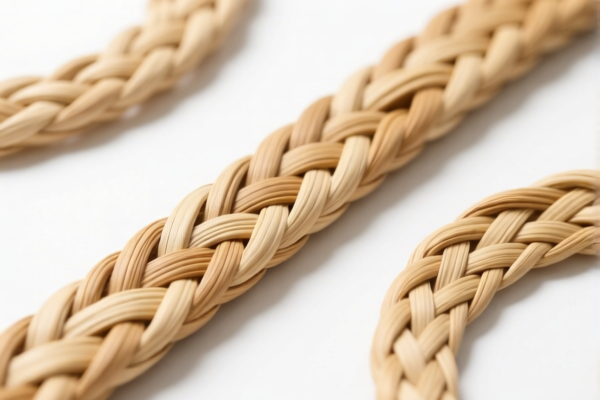
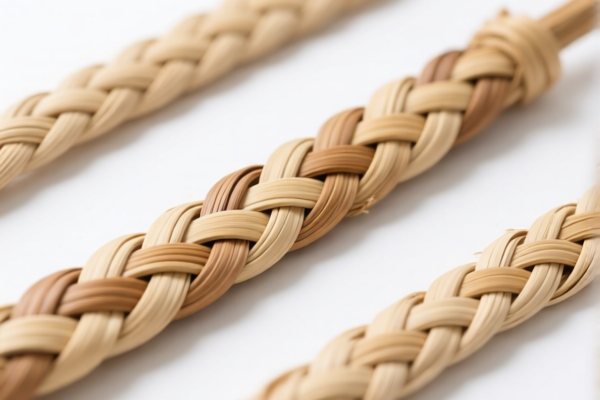
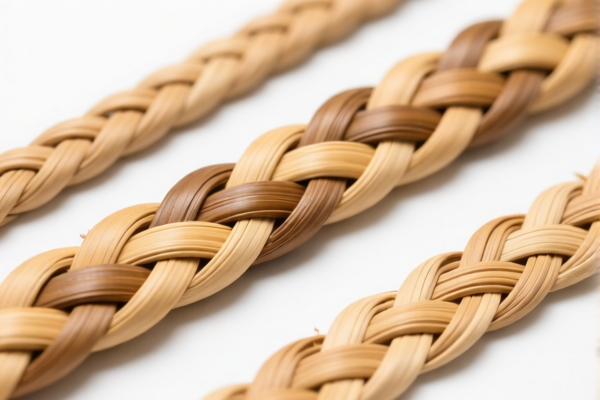
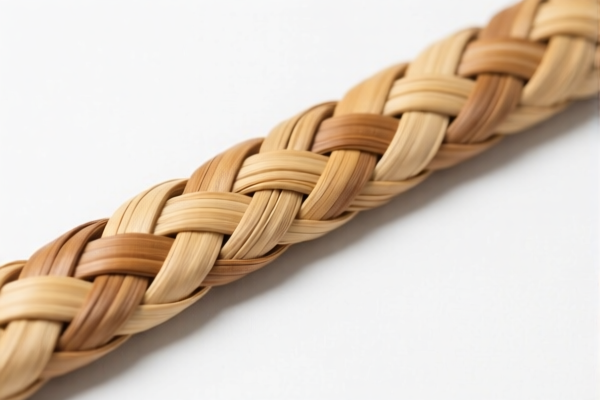
AI Analysis
🌿 Rattan Plaits Finished Articles (Woven Rattan Goods)
🌐 HS Code Reference & Customs Clearance Guide | 2026 Latest Tariff Analysis | Professional-Level Clearance Strategy 📌 I. Product Definition & Classification: Do You Really Understand "Rattan Articles"?
Rattan Plaits Finished Articles refer to manufactured goods made from plaited, woven, or braided rattan strips. In international trade, these items are primarily classified under Chapter 46 (Products of straw, of vegetable plaiting materials) or Chapter 57 (Carpets and other textile floor coverings), depending heavily on the product form, specific material composition, and intended use.
The key distinction lies in whether the item is: * A Basket/Container (Household/Storage item) → Typically Chapter 46. * A Floor Covering/Carpets (Textile-like application) → Can be Chapter 46 or Chapter 57, depending on the specific subheading and national classification rules.
⚠️ Key Distinction Point:
- If the item is a basket, box, or container made of woven rattan →归入 4602 (Basketware).
- If the item is a carpet, mat, or rug → Classification varies between 5705 (Textile floor coverings) and 4601/4602 (Vegetable plaiting materials/basketware), leading to significant tariff differences.
📦 II. HS Code Classification Details (2026 Latest Tariff Authority Reference)
Based on the provided data <DATA>, here are the specific HS Codes applicable to "Rattan Plaits Finished Articles," along with their summaries and total tax rates.
| HS Code | Product Summary | Application Scenario | Total Tax Rate | Tax Detail Breakdown |
|---|---|---|---|---|
4602.12.16.00 |
Rattan Baskets | Fits the classification of rattan basket articles | 40.0% | Base: 5.0%, Additional: 25.0%, Section 301: 10% |
5705.00.20.90 |
Rattan Carpets | Classified as other textile floor coverings | 38.3% | Base: 3.3%, Additional: 25.0%, Section 301: 10% |
4602.12.45.00 |
Rattan Carpets | Meets requirements for woven materials & plant materials | 41.6% | Base: 6.6%, Additional: 25.0%, Section 301: 10% |
4602.12.35.00 |
Rattan Carpets | Classified as rattan woven articles | 10.0% | Base: 0.0%, Additional: 0.0%, Section 301: 10% |
4601.22.80.00 |
Rattan Carpets | Fits rattan articles & floor covering material classification | 35.0% | Base: 0.0%, Additional: 25.0%, Section 301: 10% |
🔍 Crucial Observation:
- Basket vs. Carpet: A simple basket (4602.12.16.00) incurs a 40% rate.
- Carpet Variance: The tariff for rattan carpets fluctuates wildly between 10% and 41.6% depending on the precise subheading (4602.12.35.00vs4602.12.45.00vs5705.00.20.90).
- The "Low Rate" Trap: Only4602.12.35.00offers a 10% total rate, but it requires strict compliance with being classified as a "rattan woven article" rather than a general textile or other plant material. Misclassification here can lead to significant back taxes.
💰 III. 2026 Latest Tariff Rate Details (Including Surcharges & Policy Add-ons)
✅ Applicable Country: United States (US)
✅ Origin: China (CN) (Implied by "Section 301" and "122 Clauses" in data)
✅ Effective Date: Current as of 2026 Tariff Schedule
🎯 1. 4602.12.16.00 —— Rattan Baskets
| Item | Content |
|---|---|
| Base Tariff | 5.0% (Ad Valorem) |
| USITC Additional Tariff | +25% (Section 301) |
| Section 301 / 122 Clause | +10% |
| Total Effective Rate | 40.0% |
| Tax Calculation | CIF Value × 40% |
| De Minimis Exemption | ❌ Not Eligible (High rate exceeds threshold) |
| Legal Basis | HTSUS 4602.12.16.00 → USITC Footnote → Section 301 Tariff |
📌 Explanation:
- This is the standard rate for rattan baskets.
- The 25% Section 301 tariff is applied to most Chapter 46 basketware from China.
- Total cost impact is significant; price competitiveness must be factored in.
🎯 2. 5705.00.20.90 —— Other Textile Floor Coverings (Rattan Carpets)
| Item | Content |
|---|---|
| Base Tariff | 3.3% |
| USITC Additional Tariff | +25% |
| Section 301 / 122 Clause | +10% |
| Total Effective Rate | 38.3% |
| Tax Calculation | CIF Value × 38.3% |
| De Minimis Exemption | ❌ Not Eligible |
📌 Explanation:
- If Customs classifies your rattan mat as a "textile floor covering" (even if made of plant fibers), it falls under Chapter 57.
- The base rate is lower (3.3%), but the 35% surcharges remain, resulting in 38.3%.
🎯 3. 4602.12.45.00 —— Rattan Carpets (Woven Plant Material)
| Item | Content |
|---|---|
| Base Tariff | 6.6% |
| USITC Additional Tariff | +25% |
| Section 301 / 122 Clause | +10% |
| Total Effective Rate | 41.6% |
| Tax Calculation | CIF Value × 41.6% |
| De Minimis Exemption | ❌ Not Eligible |
📌 Explanation:
- This is the highest tax bracket in the dataset.
- It applies to rattan carpets that are specifically classified under this detailed subheading for "woven materials and plant materials."
- Avoid this classification if possible unless no other option exists.
🎯 4. 4602.12.35.00 —— Rattan Carpets (Rattan Woven Articles)
| Item | Content |
|---|---|
| Base Tariff | 0.0% |
| USITC Additional Tariff | 0.0% |
| Section 301 / 122 Clause | +10% |
| Total Effective Rate | 10.0% |
| Tax Calculation | CIF Value × 10% |
| De Minimis Exemption | ❌ Not Eligible (but low overall rate) |
📌 Explanation:
- This is the optimal classification for rattan carpets if eligible.
- It benefits from 0% Base and 0% Section 301 surcharge, paying only the 10% specific clause tariff.
- Prerequisite: Must strictly meet the definition of "Rattan Woven Articles" under this specific subheading.
🎯 5. 4601.22.80.00 —— Rattan Carpets (Floor Covering Material)
| Item | Content |
|---|---|
| Base Tariff | 0.0% |
| USITC Additional Tariff | +25% |
| Section 301 / 122 Clause | +10% |
| Total Effective Rate | 35.0% |
| Tax Calculation | CIF Value × 35.0% |
| De Minimis Exemption | ❌ Not Eligible |
📌 Explanation:
- Falls under Chapter 46 (Plaiting materials) rather than Chapter 57.
- Base is 0%, but the 35% surcharge applies.
- Lower than5705and4602.12.45, but higher than4602.12.35.
🛠️ IV. Customs Clearance Practical Advice (Battle-Tested Pitfall Avoidance Guide)
✅ 1. Documentation Checklist (缺一不可)
| Document | Required | Notes |
|---|---|---|
| ✅ Product Specification Sheet | ✔️ | Must specify material (100% Rattan?), weaving technique, dimensions, and use (Basket vs. Carpet). |
| ✅ Photos (Clear & Detailed) | ✔️ | Show texture, weave pattern, and edges. Helps Customs distinguish between "Basket" and "Carpet." |
| ✅ Commercial Invoice | ✔️ | Description must be precise: e.g., "Rattan Woven Basket, Model A" vs. "Rattan Floor Mat, Model B." |
| ✅ Packing List | ✔️ | Ensure quantity matches invoice. |
| ✅ Certificate of Origin | ✔️ | Essential for proving origin (China) to apply correct Section 301 rates. |
✅ 2. Declaration Tips (Key Mantras)
🔥 “Form Dictates Code, Use Defines Tax! Don’t Guess, Clarify!”
| Scenario | Correct Declaration | Wrong Approach | Consequence |
|---|---|---|---|
| Rattan Basket | 4602.12.16.00 |
Declare as "Rattan Mat" | Misclassification, potential penalty. |
| Rattan Carpet | 4602.12.35.00 (if eligible) |
Declare as 5705.00.20.90 |
Pay 38.3% instead of 10%! Loss of 28.3% profit. |
| Rattan Carpet | 4601.22.80.00 |
Declare as 4602.12.35.00 without proof |
Audit risk, back taxes + interest. |
| Mixed Goods | Split line items | Combined description "Rattan Goods" | Customs will pick the highest rate or hold for review. |
✅ 3. Special Case Handling
| Situation | Handling Advice |
|---|---|
| Is it a Basket or a Carpet? | If it’s used for storage/storage items → 4602. If it’s used for flooring/covering → 4601/4602/5705. Provide usage photos! |
| Rattan Mixed with Other Materials | If >50% rattan by weight, may still qualify for Chapter 46. If mixed with synthetic fibers, it might fall to Chapter 57 or 4603. Check fiber composition. |
| OEM Custom Mats | Provide design sketches showing it’s a "woven article" not a "printed textile" to justify 4602.12.35.00 (10% rate). |
| High-Value Artistic Pieces | Consider if they qualify as "Art" (Chapter 97) – though rare for functional rattan, it’s worth checking for unique handcrafted items. |
🌍 V. Global Market Comparison (2026 Latest)
| Country/Region | Recommended HS Code | Tariff Rate (China Origin) | Certification Requirements | Notes |
|---|---|---|---|---|
| 🇺🇸 USA | 4602.12.35.00 |
10% | None specific | Best rate! Ensure correct subheading. |
| 🇺🇸 USA | 4602.12.16.00 |
40% | None specific | Standard for baskets. |
| 🇪🇺 EU | 4602.12.16.00 |
0% (MFN) | CE (if applicable) | No Section 301 equivalent. |
| 🇨🇳 China | 4602.12.16.00 |
0% (Import) | N/A | Domestic trade. |
| 🇬🇧 UK | 4602.12.16.00 |
0% (MFN) | UKCA | Post-Brexit alignment with EU. |
📌 Conclusion:
- The US market is the most complex due to Section 301 and specific clause tariffs.
- Classification strategy is critical: A 30%+ tariff difference exists between4602.12.16.00(40%) and4602.12.35.00(10%).
- EU/UK/China offer much more stable and lower rates for these goods.
📌 VI. Common Mistakes & Pitfall Guide (Lessons Learned)
❌ Mistake 1: Declaring all rattan items as "Baskets" (4602.12.16.00) regardless of use.
👉 Consequence: If it’s a floor mat, you might be under-declaring or over-taxing. If it’s a carpet, you should aim for 4602.12.35.00 (10%) instead of 4602.12.16.00 (40%). Overpayment is common.
❌ Mistake 2: Declaring rattan carpets as 5705.00.20.90 without justification.
👉 Consequence: You pay 38.3%. If it qualifies as a woven rattan article (4602.12.35.00), you only pay 10%. 300% tax increase!
❌ Mistake 3: Ignoring the "Section 301" and "122 Clause" details.
👉 Consequence: Assuming 25% total tax. The actual rate includes an additional 10% clause in some cases, or 0% in others. Misjudging the total leads to cash flow errors.
✅ Correct Approach:
“Rattan Woven Floor Mat, Handmade, 100% Natural Rattan, 5ft x 7ft, For Indoor Use, Model RM-001”
🎯 VII. Conclusion: Precision Classification Saves Millions!
🎯 Remember the Mantra:
🔹 “Baskets are 40%, Carpets vary: 10%, 35%, or 41%. Choose wisely!”
🔹 “Chapter 46 is king for Rattan, but subheadings determine the price!”
📌 Pro Tip:
If your rattan article is strictly a woven mat/carpet and meets the criteria for
4602.12.35.00, fight for this classification. It saves you 30-31% in duties compared to other classifications.
Request a Pre-Ruling from CBP if the classification is ambiguous.
📣 Immediate Action:
📞 Contact your customs broker with high-res photos and usage descriptions.
🚀 Optimize your HS Code today, and boost your profit margin tomorrow!
✨ Professional clearance starts with precise classification!
💼 Every percentage point counts!
Customer Reviews
About HS Code Classification
The Harmonized System (HS) is an internationally standardized nomenclature developed by the World Customs Organization (WCO) to classify traded products. Over 200 countries use the HS system as the basis for customs tariffs, trade statistics, and import/export regulations.
Each HS code follows a hierarchical structure:
- Chapter (2 digits) — Broad category of goods (e.g., Chapter 84: Machinery and Mechanical Appliances)
- Heading (4 digits) — More specific grouping within the chapter
- Subheading (6 digits) — Internationally standardized breakdown, used by all WCO member countries
- National subdivisions (8-10 digits) — Country-specific extensions for further classification, such as US HTSUS 10-digit codes
Correct HS code classification is essential for smooth customs clearance, accurate duty payment, and compliance with trade regulations. Misclassification can lead to customs delays, overpayment of duties, or penalties.
When importing from CN to US, the applicable tariff rates may include:
- Most-Favored-Nation (MFN) rate — The standard duty rate applied to WTO members
- General rate — Applied to countries without trade agreements
- Trade remedy duties — Additional tariffs such as Section 301 (anti-dumping), Section 232 (national security), or countervailing duties
The information provided on this page is for reference purposes only. For official classification, please consult with your local customs authority or a licensed customs broker.