raw equine bend leather
CN → US| HS Code | Tariff Rate | Origin | Destination | Doc |
|---|---|---|---|---|
| 4107127050 | 15.0% | CN | US | Official Doc |
| 4107117050 | 15.0% | CN | US | Official Doc |
| 4201006000 | 37.8% | CN | US | Official Doc |
| 4205008000 | 35.0% | CN | US | Official Doc |
| 4205001000 | 35.0% | CN | US | Official Doc |
Product Images
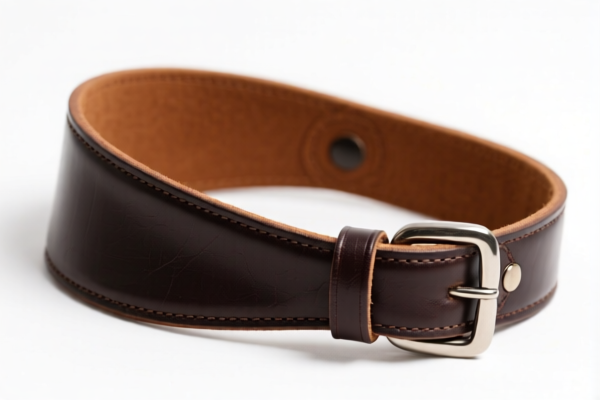
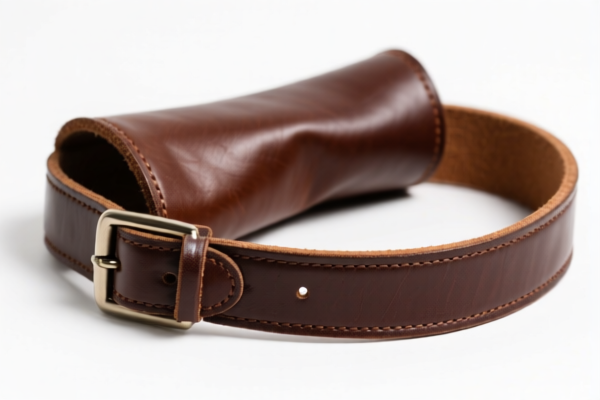
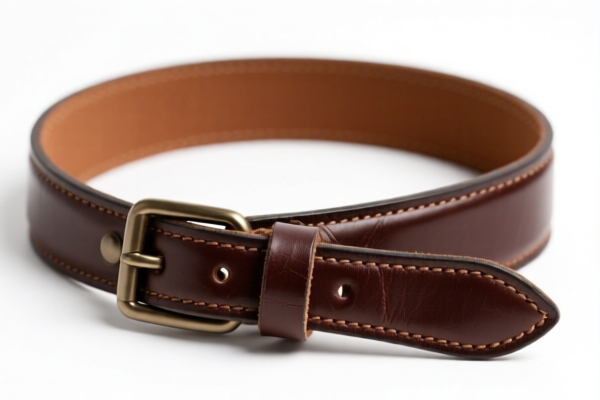
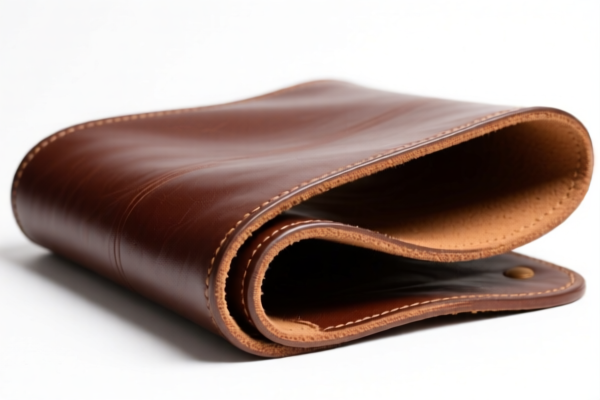
AI Analysis
🐴 Raw Equine Bend Leather (Tanned Cattle/Equine Skin)
🌐 HS Code Reference & Customs Clearance Guide | 2026 Latest Tariff Analysis | Professional通关 Strategy
📌 Part 1: Product Definition & Classification – Do You Truly Understand "Raw Equine Bend Leather"?
Raw Equine Bend Leather refers to tanned or crusted leather derived from equine hides (horse, donkey, mule, etc.), specifically processed to achieve a "bend" finish (the smooth, grain-side surface). In international trade, this material is often a precursor for high-end goods. Its classification depends heavily on finishing level, use, and material composition.
In the context of U.S. imports (as indicated by the provided tax data), this product is generally categorized under Chapter 41 (Leather) or Chapter 42 (Articles of Leather) depending on its state of processing and specific application.
⚠️ Key Distinction:
- If the leather is finished, pliable, and ready for use in saddlery or belts → It may fall under Chapter 41 (if just leather) or Chapter 42 (if made into articles).
- If it is processed specifically for saddles/equestrian equipment → It often triggers 122-Clause tariffs due to its end-use.
- "Bend" implies a specific tanning and finishing process, distinguishing it from raw hides (Chapter 41, Heading 4101-4103) or fully manufactured goods like saddles (Chapter 42, Heading 4201).
📦 Part 2: HS Code Classification Details (Based on Provided Data)
| HS Code | Product Description | Applicable Scenario | Key Classification Logic |
|--------|--------------------------|--------------------------|
| 4107.12.70.50 | Leather for Saddlery/Harness | Non-patterned bags, belts, collars | Based on material (leather) AND use (saddlery/harness parts). Fits non-patterned luggage/belts/collars category. |
| 4107.11.70.50 | Full-Grain Leather for Accessories | Leather goods accessories | Based on full-grain material AND accessory use. Fits specific instrumental logic. |
| 4201.00.60.00 | Saddlery/Harness of Any Material | Saddles, bridles, reins (leather or mixed) | Based on end-use (saddlery/equestrian gear). Leather material fits "any material" description. High Tariff Risk. |
| 4205.00.80.00 | Other Leather Articles | General leather goods (catch-all) | Based on leather material AND general "other" category. Fits catch-all principle with no form conflict. |
| 4205.00.10.00 | Other Leather Articles (Specific) | Other leather products | Based on leather material AND "other" category. No material conflict. |
🔍 Critical Note:
- HS Codes4107.*refer to Leather, further prepared (tanned, crusted, etc.).
- HS Codes4201.*and4205.*refer to Articles of Leather (manufactured goods).
- If "Raw Equine Bend Leather" is shipped as loose sheets (not yet cut into a specific article), it should technically fall under Chapter 41 (4107). If it is already cut/sewn into a strap, collar, or saddle part, it may fall under Chapter 42 (4201or4205).
- ⚠️ Warning: The provided data shows significantly higher tariffs for Chapter 42 codes (4201.00.60.00at 37.8%,4205at 35.0%) due to Section 301/122 tariffs.
💰 Part 3: 2026 Latest Tariff Rate Breakdown (Including Surcharges)
✅ Applicable Country: United States (US)
✅ Origin: China (CN) (Implied by 122-Clause and 301 tariffs in data)
✅ Effective Time: Post-2025 (Includes 122-Clause and Section 301 additions)
🎯 1. 4107.12.70.50 & 4107.11.70.50 – Prepared Leather (Saddlery/Accessories)
| Item | Content |
|---|---|
| Base Duty | 5.0% (Ad valorem) |
| Section 301 Surcharge | 0.0% |
| 122-Clause Surcharge | 10.0% (Under IEEPA authority for certain Chinese goods) |
| Total Tariff Rate | 15.0% |
| Calculation | CIF Value × 15% |
| De Minimis Exemption | ❌ Not Eligible (High tariff + 122-Clause blocks de minimis) |
| Legal Basis | 122-Clause: 10% + Base: 5% |
📌 Explanation:
- These codes are under Chapter 41, so they avoid the high 25% Section 301 tariff applied to many finished leather goods.
- However, they are still subject to the 10% 122-Clause tariff (often linked to national security or strategic trade controls).
- Total: 15% is relatively moderate compared to Chapter 42.
🎯 2. 4201.00.60.00 – Saddlery & Harness (Any Material)
| Item | Content |
|---|---|
| Base Duty | 2.8% |
| Section 301 Surcharge | 25.0% |
| 122-Clause Surcharge | 10.0% |
| Total Tariff Rate | 37.8% |
| Calculation | CIF Value × 37.8% |
| De Minimis Exemption | ❌ Not Eligible |
| Legal Basis | IEEPA:10% + Section 301: 25% + Base: 2.8% |
📌 Warning:
- This is a finished article code. Even if made of leather, if it’s classified as "saddlery," it attracts the full 25% Section 301 tariff.
- Total: 37.8% is extremely high. Misclassification from4107to4201can cost ~23% more in duties.
🎯 3. 4205.00.80.00 & 4205.00.10.00 – Other Leather Articles
| Item | Content |
|---|---|
| Base Duty | 0.0% |
| Section 301 Surcharge | 25.0% |
| 122-Clause Surcharge | 10.0% |
| Total Tariff Rate | 35.0% |
| Calculation | CIF Value × 35.0% |
| De Minimis Exemption | ❌ Not Eligible |
| Legal Basis | IEEPA:10% + Section 301: 25% |
📌 Note:
- Even though the base duty is 0%, the 25% Section 301 + 10% 122-Clause makes it 35% total.
- This is a "catch-all" for leather goods not specified elsewhere. Use cautiously.
🛠️ Part 4: Customs Clearance Practical Advice (Pitfall Avoidance Guide)
✅ 1. Documentation Checklist (Mandatory)
| Document | Required | Purpose |
|---|---|---|
| ✅ Product Specification Sheet | ✔️ | Detail tanning process, thickness, finish ("Bend"), and intended use (e.g., "for belt production" vs. "for saddle assembly"). |
| ✅ Commercial Invoice | ✔️ | Clearly state "Raw Equine Bend Leather" or "Tanned Horsehide Sheets." Avoid vague terms like "Animal Skin." |
| ✅ Packing List | ✔️ | Specify if goods are bundled, rolled, or flat-packed. |
| ✅ Material Test Report | ✔️ | Confirm species (equine) and tanning method (chrome/tan) to support 4107 vs. 4104. |
| ✅ End-Use Declaration | ✔️ | If shipping as unfinished leather, declare "For further manufacturing into belts/bags." This supports 4107 classification. |
| ✅ Photo of Goods | ✔️ | Show grain surface ("bend") to confirm it’s not raw hide (4101). |
✅ 2. Classification Strategy (Key Mnemonic)
🔥 "Leather Sheets = Ch.41 (15%); Finished Articles = Ch.42 (35-38%)!"
| Scenario | Correct HS Code | Tariff Risk |
|---|---|---|
| Loose tanned leather sheets (not cut to shape) | 4107.12.70.50 or 4107.11.70.50 |
✅ Low (15%) |
| Pre-cut leather straps for belts | 4205.00.80.00 or 4107 |
⚠️ Medium (If deemed "articles," 35%) |
| Saddle parts (already shaped/sewn) | 4201.00.60.00 |
❌ High (37.8%) |
| Raw, un-tanned horsehide | 4101.21.00.00 (Not in data, but typical) |
❓ Check base rate (usually higher base, but no 301?) |
📌 Critical Tip:
- Do NOT classify tanned leather sheets as4201or4205unless they are finished articles.
- If the leather is still in sheet form (even if dyed/tanned), it belongs in Chapter 41 (4107). This saves ~20-22% in tariffs.
- Evidence: Provide photos showing large sheets, not pre-cut straps or saddles.
✅ 3. Special Cases
| Situation | Handling Advice |
|---|---|
| Mixed Materials (Leather + Webbing) | If >50% leather by value, may still fall under 4201 if it’s a harness. |
| OEM for US Brands | Clearly mark as "For further manufacturing" to support 4107. |
| Small Samples | Even small samples are subject to tariffs if classified under Chapter 42. |
| 122-Clause Impact | All listed codes in data have 10% 122-Clause tariff. No exemption for de minimis. |
🌍 Part 5: Global Market Comparison (2026)
| Market | Recommended HS Code | Total Tariff (CN Origin) | Notes |
|---|---|---|---|
| 🇺🇸 USA | 4107.12.70.50 |
15% | Avoid 4201 (37.8%) unless necessary. |
| 🇨🇳 China | 4107.12.70.50 |
~5-10% | Lower base rate, no 301/122. |
| 🇪🇺 EU | 4107.12 |
~10% | No Section 301. Check CBAM/EC regulations. |
| 🇬🇧 UK | 4107.12 |
~10% | Post-Brexit tariffs similar to EU. |
| 🇦🇺 Australia | 4107.12 |
~5% | Low tariff, free trade agreement possible. |
📌 Conclusion:
- USA is the highest-risk market due to Section 301 (25%) + 122-Clause (10%).
- Maximize savings by keeping classification in Chapter 41 (4107) as long as the product is not a finished article.
📌 Part 6: Common Errors & Pitfalls (Lessons Learned)
❌ Error 1: Classifying tanned leather sheets as "Leather Articles" (4205).
👉 Consequence: 35% tariff instead of 15%. Lose $20 per $100.
❌ Error 2: Declaring "Horse Skin" without specifying "Tanned/Prepared."
👉 Consequence: Customs may classify as raw hide (4101) or reject for incomplete description.
❌ Error 3: Ignoring 122-Clause.
👉 Consequence: 10% extra duty applies regardless of base rate. All codes in data are affected.
❌ Error 4: Shipping pre-cut straps but calling them "Raw Leather."
👉 Consequence: Customs will reclassify to 4205 or 4201 based on form/function, leading to back taxes + penalties.
✅ Correct Practice:
"Tanned Horsehide Bend Leather Sheets, For Belt Manufacturing, Unfinished, 2.0mm Thick, Chrome Tanned, Model XYZ, Cert. No. 123"
🎯 Part 7: Conclusion – Professional Classification Saves Money!
🎯 Remember the Mnemonic:
🔹 "Sheets = Ch.41 (15%); Straps/Saddles = Ch.42 (35-38%)!"
🔹 "122-Clause hits ALL Chinese leather goods (10% extra)!"
🔹 "Don't upgrade to Chapter 42 unless it's a finished article!"
📌 Pro Tip:
- If you are shipping large volumes of equine leather, consider Advance Ruling (Ruling Letter) from US CBP to confirm 4107 classification for your specific product form.
- Document the "unfinished" state with photos and specs to defend against reclassification to 4201.
📣 Immediate Action:
📞 Contact a licensed customs broker.
📄 Provide detailed product photos (showing sheets, not cut pieces).
📝 Declare Intended Use as "For further manufacturing" to support4107classification.
🚀 Save 20%+ in duties by proper classification!
✨ Professional Customs Clearance Starts with Accurate Classification!
💼 Every 1% of duty saved is pure profit!
Customer Reviews
About HS Code Classification
The Harmonized System (HS) is an internationally standardized nomenclature developed by the World Customs Organization (WCO) to classify traded products. Over 200 countries use the HS system as the basis for customs tariffs, trade statistics, and import/export regulations.
Each HS code follows a hierarchical structure:
- Chapter (2 digits) — Broad category of goods (e.g., Chapter 84: Machinery and Mechanical Appliances)
- Heading (4 digits) — More specific grouping within the chapter
- Subheading (6 digits) — Internationally standardized breakdown, used by all WCO member countries
- National subdivisions (8-10 digits) — Country-specific extensions for further classification, such as US HTSUS 10-digit codes
Correct HS code classification is essential for smooth customs clearance, accurate duty payment, and compliance with trade regulations. Misclassification can lead to customs delays, overpayment of duties, or penalties.
When importing from CN to US, the applicable tariff rates may include:
- Most-Favored-Nation (MFN) rate — The standard duty rate applied to WTO members
- General rate — Applied to countries without trade agreements
- Trade remedy duties — Additional tariffs such as Section 301 (anti-dumping), Section 232 (national security), or countervailing duties
The information provided on this page is for reference purposes only. For official classification, please consult with your local customs authority or a licensed customs broker.