raw leather hs 4101503000
CN → US| HS Code | Tariff Rate | Origin | Destination | Doc |
|---|---|---|---|---|
| 4101503000 | 19.9% | CN | US | Official Doc |
| 4101503000 | 19.9% | CN | US | Official Doc |
| 4101503500 | 19.9% | CN | US | Official Doc |
| 4102101000 | 17.5% | CN | US | Official Doc |
| 4102291090 | 17.5% | CN | US | Official Doc |
Product Images
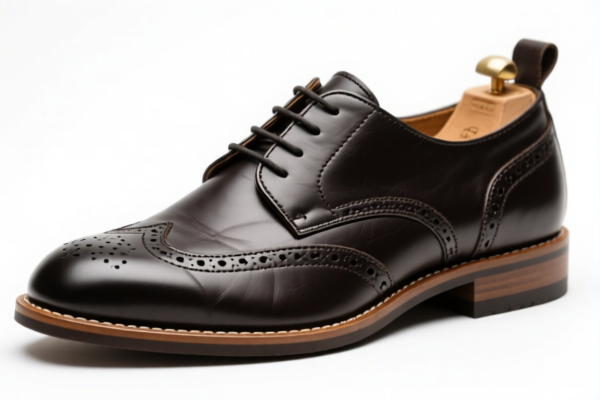
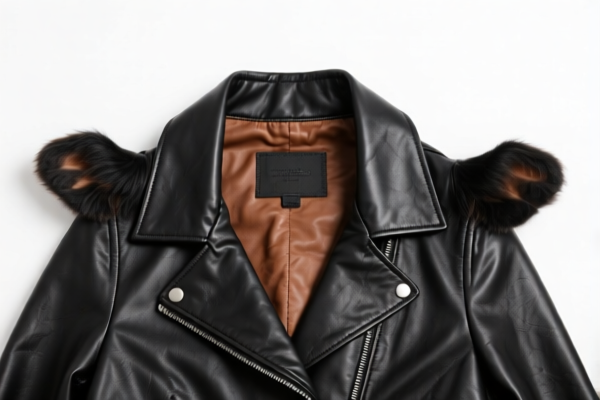
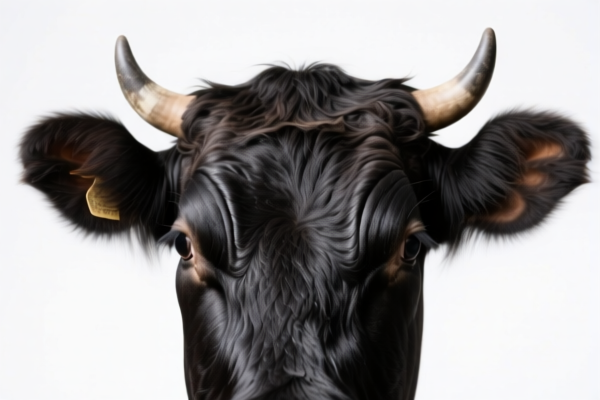
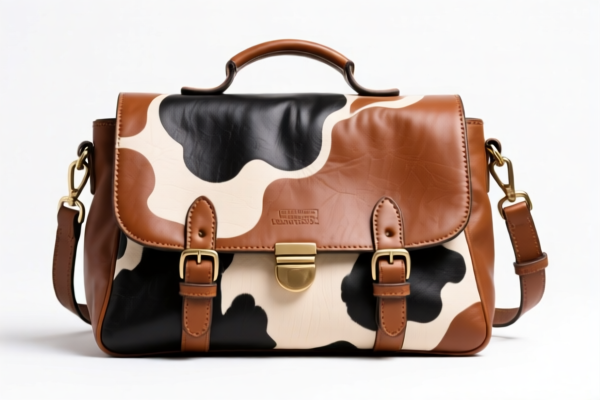
AI Analysis
🐄 Raw Leather: HS Code 4101.50.30.00 & 4102.10.10.00 Clearance Guide
🌐 HS Code Reference & Customs Clearance Guide | 2026 Latest Tariff Analysis | Professional Strategy for Raw Hides
📌 1. Product Definition & Classification: What is "Raw Leather"?
Raw Leather (also referred to as "Raw Hides" or "Greasy Hides") refers to animal skins that have been removed from the carcass but have not undergone any tanning, curing, or preservation processes beyond basic salting or chilling. In international trade, these are classified under Chapter 41: Raw Hides and Skins.
The classification depends heavily on the species of the animal and the weight/condition of the hide. For the specific HS codes mentioned in your data, we are looking at two main scenarios: 1. Cattle/Horse Hides (HS 4101): Typically larger, heavier hides. 2. Other Species (HS 4102): Smaller hides (e.g., sheep, goat, pig), where "Raw Leather" is a broad term for untreated hides.
⚠️ Key Distinction:
- If the product is Cattle/Horse origin → HS 4101.50.30.00
- If the product is Other Animal origin (or unspecified but non-tanned) → HS 4102.10.10.00 / 4102.29.10.90
- Crucial Point: "Raw" means NOT TANNED. Any pre-tanning or curing changes the classification entirely.
📦 2. HS Code Classification Details (2026 Authoritative Reference)
Based on the provided data, here are the valid HS Codes for "Raw Leather" and their specific attributes:
| HS Code | Product Description | Key Attributes | Matching Logic |
|---|---|---|---|
4101.50.30.00 |
Raw hides of Bovines (cattle) or Equines (horses), other than semi-dried | Species: Cattle/Horse State: Raw (Untanned) Form: Whole, not split |
✅ Match: Explicitly matches "Raw Leather" as unprocessed bovine/equine skin. |
4102.10.10.00 |
Raw hides of sheep or lambs (other than semi-dried) | Species: Sheep/Lamb State: Raw (Untanned) Form: Whole |
✅ Match: "Raw Leather" matches the untreated state; species assumed sheep/lamb if not bovine. |
4102.29.10.90 |
Other raw hides and skins (e.g., goat, pig, etc.) | Species: Other State: Raw (Untanned) Form: Other |
✅ Match: Fallback category for "Raw Leather" if not bovine/equine/sheep. No material conflict in "other" category. |
🔍 Important Note:
-4101.50.35.00is also a valid match for Cattle Raw Hides (as per summary: "fits raw state and bovine category").
-4102.29.10.90is a valid match for Non-Specific Raw Hides (fallback "other" category).
💰 3. 2026 Tariff Rate Breakdown (Including Additional Duties)
✅ Applicable Country: United States (US)
✅ Country of Origin: China (CN)
✅ Effective Date: November 10, 2025 (and subsequent imports)
🎯 A. HS Code 4101.50.30.00 / 4101.50.35.00 (Cattle/Horse Raw Hides)
| Item | Detail |
|---|---|
| Base Tariff | 2.4% (Ad Valorem) |
| Section 301 Tariff | 7.5% (Additional duty on Chinese goods) |
| Section 122 Tariff | 10% (Additional duty under Section 122 provisions) |
| Total Tariff Rate | 19.9% |
| Calculation | CIF Value × 19.9% |
| De Minimis Exemption | ❌ Not Applicable |
| Legal Basis | Base: 4101.50.30.00 + Sec301: 7.5% + Sec122: 10% |
📌 Explanation:
- Base Duty: The standard MFN rate for raw bovine hides is low (2.4%).
- Section 301 (7.5%): Part of the ongoing trade war tariffs on Chinese products.
- Section 122 (10%): A specific additional duty applicable to certain raw materials, including leather.
- Total Cost: High. Even though the base duty is low, the additional tariffs make it expensive.
🎯 B. HS Code 4102.10.10.00 / 4102.29.10.90 (Sheep/Other Raw Hides)
| Item | Detail |
|---|---|
| Base Tariff | 0.0% (Ad Valorem) |
| Section 301 Tariff | 7.5% (Additional duty on Chinese goods) |
| Section 122 Tariff | 10% (Additional duty under Section 122 provisions) |
| Total Tariff Rate | 17.5% |
| Calculation | CIF Value × 17.5% |
| De Minimis Exemption | ❌ Not Applicable |
| Legal Basis | Base: 4102.10.10.00 or 4102.29.10.90 + Sec301: 7.5% + Sec122: 10% |
📌 Explanation:
- Base Duty: 0% for raw sheep/other hides.
- Section 301 & 122: Same additional duties apply as for bovine hides.
- Savings: 2.4% lower total tariff compared to cattle hides due to the 0% base rate.
🛠️ 4. Customs Clearance Practical Advice (Pitfall Avoidance Guide)
✅ 1. Documentation Checklist (Mandatory)
| Document | Required | Notes |
|---|---|---|
| ✅ Commercial Invoice | ✔️ | Must explicitly state "Raw Leather", "Untanned", and "Species" (e.g., Cattle, Sheep). |
| ✅ Packing List | ✔️ | Detail weight, dimensions, and number of hides. |
| ✅ Certificate of Origin (CO) | ✔️ | Critical for verifying Country of Origin (China) to apply Section 301/122 tariffs. |
| ✅ Phytosanitary Certificate | ✔️ | Mandatory for raw animal products. Proves no diseases/pests. |
| ✅ Veterinary Health Certificate | ✔️ | Required by USDA APHIS for entry. |
| ✅ Product Photos | ✔️ | Show texture, salt/cure method, and any brand/label marks. |
⚠️ Critical Warning:
- Raw leather is subject to strict biosecurity controls. Failure to provide a valid Phytosanitary Certificate will result in rejection or destruction of the shipment.
- Do NOT label as "Leather" without specifying "Raw" or "Untanned". If the customs officer suspects it is tanned, it may be classified under Chapter 41 (Tanned Leather) or Chapter 42 (Articles of Leather), which have different tariffs and regulations.
✅ 2. Declaration Tips (Key Mantras)
🔥 "State the Species, Declare the Rawness, Prove the Cleanliness!"
| Scenario | Correct Declaration | Incorrect Practice |
|---|---|---|
| Cattle Hides | HS 4101.50.30.00 - "Raw Bovine Hides, Salted" |
Vague: "Leather Material" → Risk of reclassification |
| Sheep Hides | HS 4102.10.10.00 - "Raw Sheep Hides, Dry" |
Vague: "Animal Skin" → Delay in clearance |
| Mixed Species | Break down by species | Mixed declaration → Potential audit/penalty |
| Curing Method | Specify: "Salted", "Chilled", or "Dry-Cured" | Omit curing method → Biosecurity risk |
✅ 3. Special Considerations
| Situation | Handling Advice |
|---|---|
| OEM/Custom Orders | Provide end-user specifications. Ensure "Raw" state is clear to avoid Chapter 42 (Finished Leather) classification. |
| Small Samples (De Minimis) | ❌ No Exemption: Raw leather shipments do not qualify for $800 de minimis exemption if they require Phytosanitary certs. |
| Re-export | If re-exporting, ensure the original import documentation is intact to avoid double taxation. |
| Environmental Compliance | Raw hides may contain salts or preservatives. Ensure compliance with EPA/USDA regulations on chemical residues. |
🌍 5. Global Market Comparison (2026 Update)
| Country/Region | Recommended HS Code | Tariff (China Origin) | Certification Required | Notes |
|---|---|---|---|---|
| 🇺🇸 USA | 4101.50.30.00 |
19.9% (Cattle) 17.5% (Other) |
USDA + Phytosanitary | High duties due to Sec 301 & 122. |
| 🇨🇳 China | 4101.03.00 |
2% - 5% | CIQ (Inspection) | Lower base duty, no Section 301. |
| 🇪🇺 EU | 4101.21 |
0% - 2% | REACH + Vet Cert | No Section 301 equivalent, but strict chemical rules. |
| 🇬🇧 UK | 4101.21 |
0% - 2% | UKCA + Vet Cert | Post-Brexit rules apply. |
📌 Conclusion:
- USA is the most expensive market for raw leather due to additional tariffs.
- Biosecurity is the biggest hurdle, not just tariffs.
- Species identification is critical for correct HS code and tariff calculation.
📌 6. Common Errors & Pitfalls (Lessons Learned)
❌ Error 1: Declaring "Leather" without specifying "Raw" or "Tanned".
👉 Consequence: Customs may classify as Tanned Leather (Chapter 41) or Finished Leather (Chapter 42), leading to different tariffs and additional testing.
❌ Error 2: Failing to provide a Phytosanitary Certificate.
👉 Consequence: Shipment rejected or destroyed at port. No financial compensation.
❌ Error 3: Misidentifying Species (e.g., calling Sheep hides "Cattle").
👉 Consequence: Tariff miscalculation (19.9% vs 17.5%) and potential penalties for misdeclaration.
❌ Error 4: Assuming De Minimis exemption applies.
👉 Consequence: Full duties + fees applied, as raw animal products are excluded from de minimis.
✅ Correct Practice:
"Raw Bovine Hides, Salted, Untanned, HS 4101.50.30.00, Origin: China, USDA Approved"
🎯 7. Conclusion: Professional Clearance for Raw Leather
🎯 Remember Mantra:
🔹 "Raw means Untanned; Species defines the Code; Phytosanitary is Mandatory."
🔹 "Sec 301 + Sec 122 = 17.5%~19.9%; Plan your logistics accordingly."
📌 Pro Tip:
- If your leather is not from China, you may avoid Section 301 (7.5%) and Section 122 (10%) tariffs, reducing the total tariff to just the Base Rate (2.4% or 0%).
- Pre-clearance: Engage a customs broker to apply for a Pre-Ruling on HS Code classification to avoid disputes.
📣 Immediate Action:
📞 Contact a licensed customs broker + Provide Product Specs + Obtain Phytosanitary Certificate
🚀 Ensure Raw Leather shipments clear US customs smoothly and cost-effectively!
✨ Professional clearance starts with accurate classification!
💼 Every percentage point matters in raw material imports!
Customer Reviews
About HS Code Classification
The Harmonized System (HS) is an internationally standardized nomenclature developed by the World Customs Organization (WCO) to classify traded products. Over 200 countries use the HS system as the basis for customs tariffs, trade statistics, and import/export regulations.
Each HS code follows a hierarchical structure:
- Chapter (2 digits) — Broad category of goods (e.g., Chapter 84: Machinery and Mechanical Appliances)
- Heading (4 digits) — More specific grouping within the chapter
- Subheading (6 digits) — Internationally standardized breakdown, used by all WCO member countries
- National subdivisions (8-10 digits) — Country-specific extensions for further classification, such as US HTSUS 10-digit codes
Correct HS code classification is essential for smooth customs clearance, accurate duty payment, and compliance with trade regulations. Misclassification can lead to customs delays, overpayment of duties, or penalties.
When importing from CN to US, the applicable tariff rates may include:
- Most-Favored-Nation (MFN) rate — The standard duty rate applied to WTO members
- General rate — Applied to countries without trade agreements
- Trade remedy duties — Additional tariffs such as Section 301 (anti-dumping), Section 232 (national security), or countervailing duties
The information provided on this page is for reference purposes only. For official classification, please consult with your local customs authority or a licensed customs broker.