raw leather hs 4106920000
CN → USProduct Images
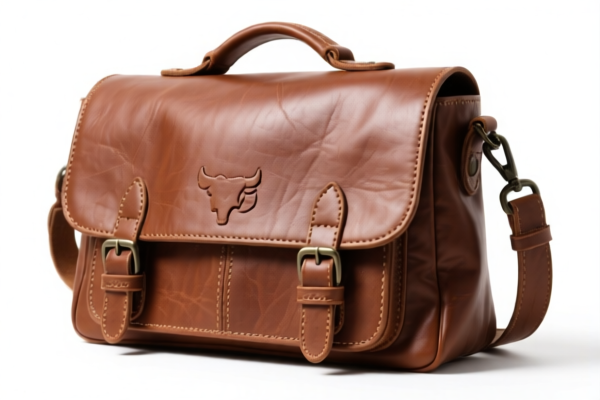
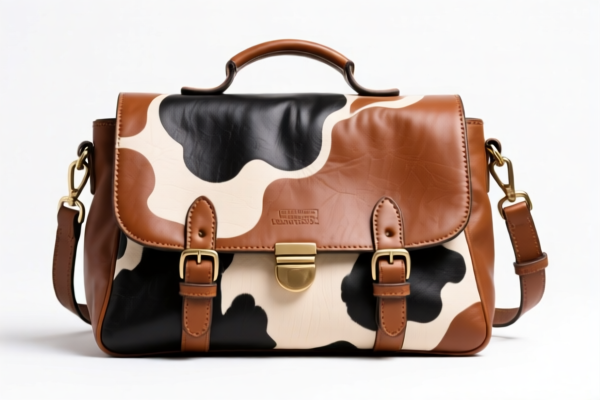
AI Analysis
🐂 Raw Leather (HS Code 4106920000) & Similar Classifications
🌐 HS Code Reference & Clearance Guide | 2026 Latest Tariff Analysis | Professional Customs Strategy
📌 I. Product Definition: What is "Raw Leather"?
Raw leather, in the context of international trade, refers to animal skins or hides that have not undergone tanning, leather dressing, or crusting processes. They are essentially the raw material for the leather industry. However, not all raw hides fall under the same HS Code. The classification depends heavily on the material type (bovine, sheep, etc.), state of preservation (fresh, salted, dried), and whether they are whole pieces.
In your data, the primary code provided is 4106920000. While this is a valid "fallback" code for other raw hides, it often attracts higher tariffs than species-specific codes like bovine or sheep. Understanding the nuances of 4106920000 versus other potential codes is critical for cost control.
⚠️ Key Distinction:
- Whole Hides/Skins vs. Pieces/Slices: Whole hides generally have lower base duties.
- Species Specificity: Bovine (4101) and Sheep (4102) codes are preferred if applicable.
- "Other" Category:4106920000is a "catch-all" for raw hides of other animals (e.g., goat, pig, exotic) or those not specified elsewhere, which carries a higher tax burden.
📦 II. HS Code Classification Details (2026 Latest Tariff Alignment)
Based on your provided data, here is the detailed breakdown of the relevant HS Codes, why they are referenced, and their tax implications.
| HS Code | Product Description | Applicability & Reason for Reference | Tax Category |
|---|---|---|---|
4101.50.30.00 |
Bovine Raw Hides, Whole Pieces, Un-tanned | Matches "whole piece" attribute. If the product is bovine (cow/calf), this is the preferred classification due to lower base duty. | 19.9% Total |
4102.10.10.00 |
Sheep/Lamb Hides, Pre-tanning State | Matches "raw leather material, pre-tanning state". If the product is sheep/lamb, this is the preferred classification. | 17.5% Total |
4102.29.10.90 |
Other Sheep/Lamb Hides, Un-tanned | A "fallback" for sheep/lamb hides that don't fit the specific 4102.10 subheading. Still generally better than 4106. |
17.5% Total |
4301.80.02.01 |
Raw Furskin (Reference) | Referenced as "raw hide-related classification" in some contexts, but typically for fur. Likely a mismatch or broad reference. | 17.5% Total |
4106.92.00.00 |
Raw Hides & Skins of Other Animals | Your Input Code. This is the "Other" category for raw hides/skins not specified in 4101 (bovine) or 4102 (sheep). It attracts a high "25% Additional Tariff" (Section 301) + 10% (Section 122). | 38.3% Total |
🔍 Critical Insight:
-4106920000is the most expensive option in your list (38.3%).
-4101503000(Bovine) and4102101000(Sheep) are significantly cheaper (19.9% and 17.5% respectively).
- Do not use4106920000if your product is bovine or sheep! Misclassification leads to massive overpayment.
💰 III. 2026 Latest Tariff Rate Breakdown (Including Additional Taxes)
✅ Applicable Country: China (CN)
✅ Destination: United States (US)
✅ Effective Date: Post-November 2025 (Includes Section 301 & Section 122 tariffs)
🎯 1. 4106.92.00.00 – Raw Hides & Skins of Other Animals (Your Input)
| Item | Content |
|---|---|
| Base Duty (MFN) | 3.3% |
| Section 301 Additional Tariff | +25.0% (USITC Footnote) |
| Section 122 Additional Tariff | +10.0% (China-specific) |
| Total Effective Duty | 38.3% |
| Calculation | CIF Value × 38.3% |
| De Minimis Exemption | ❌ Denied (High-value raw materials rarely qualify) |
| Legal Basis | USITC:4106.92.00.00 → Section 301: +25% → Section 122: +10% |
📌 Explanation:
- This code is often used when the animal species is not clearly bovine or sheep, or if the product is processed in a way that moves it out of the specific 4101/4102 categories.
- Cost Impact: The 25% + 10% surcharge makes this a high-cost entry point.
🎯 2. 4101.50.30.00 – Bovine Raw Hides (Whole Pieces)
| Item | Content |
|---|---|
| Base Duty (MFN) | 2.4% |
| Section 301 Additional Tariff | +7.5% |
| Section 122 Additional Tariff | +10.0% |
| Total Effective Duty | 19.9% |
| Calculation | CIF Value × 19.9% |
| De Minimis Exemption | ❌ Denied |
| Legal Basis | USITC:4101.50.30.00 → Section 301: +7.5% → Section 122: +10% |
📌 Explanation:
- Savings: 18.4% lower than4106920000.
- Condition: Must be Bovine (cow/calf) and Whole Pieces (not split/sliced).
🎯 3. 4102.10.10.00 – Sheep/Lamb Hides (Pre-tanning)
| Item | Content |
|---|---|
| Base Duty (MFN) | 0.0% |
| Section 301 Additional Tariff | +7.5% |
| Section 122 Additional Tariff | +10.0% |
| Total Effective Duty | 17.5% |
| Calculation | CIF Value × 17.5% |
| De Minimis Exemption | ❌ Denied |
| Legal Basis | USITC:4102.10.10.00 → Section 301: +7.5% → Section 122: +10% |
📌 Explanation:
- Savings: 20.8% lower than4106920000.
- Condition: Must be Sheep or Lamb.
🛠️ IV. Practical Clearance Advice (Pitfall Avoidance Guide)
✅ 1. Document Checklist (Non-Negotiable)
| Document | Required? | Notes |
|---|---|---|
| ✅ Commercial Invoice | ✔️ | Must clearly state "Raw Leather" and Animal Species (e.g., Bovine, Sheep). |
| ✅ Packing List | ✔️ | Detail dimensions, weight, and number of hides/pieces. |
| ✅ Product Photos | ✔️ | Show the texture, edge, and any markings (e.g., brand, inspector stamp). |
| ✅ Species Declaration | ✔️ | Explicitly state the animal species. Misidentifying bovine as "other" costs you 20% more. |
| ✅ Certificate of Origin | ✔️ | Confirm China origin to apply correct Section 301/122 rates. |
| ✅ Health/Veterinary Cert | ✔️ | Often required for raw animal products to prevent disease spread. |
✅ 2. Declaration Strategy (Key Principles)
🔥 “Species First, State Second, Whole Pieces Win!”
| Scenario | Correct HS Code | Why? |
|---|---|---|
| Bovine Hides, Whole | 4101.50.30.00 |
Lowest tax for bovine (19.9%). |
| Sheep Hides, Whole/Pre-tanned | 4102.10.10.00 |
Lowest tax overall (17.5%). |
| Goat/Pig/Exotic Hides | 4106.92.00.00 |
No specific code → falls to "Other" (38.3%). |
| Sliced/Split Hides | Check 4102.29 or 4106 |
Slicing may move it out of "Whole Piece" categories. |
| Salted/Dried Hides | Same as above | Preservation method doesn’t change HS, only state. |
📌 Warning:
- Never declare "Raw Leather" without specifying species. Customs will likely default to4106920000or audit you.
- "Whole Pieces" means the hide is intact. If it’s cut into panels, it may lose eligibility for the lower "whole piece" rates in4101.
✅ 3. Special Cases
| Case | Handling Advice |
|---|---|
| Mixed Species in One Shipment | Declare separately if possible. Mixing bovine (19.9%) with other (38.3%) complicates clearance. |
| Preserved Hides (Salted/Dried) | Still raw leather. Ensure documents state "Salted Raw Hides" to avoid being classified as "processed." |
| Sample Shipments | High taxes still apply. De Minimis does not apply to raw leather from China. |
| OEM for US Brands | Provide brand authorization if required, but tax is based on HS, not brand. |
🌍 V. Global Market Comparison (2026)
| Country/Region | Recommended HS | Duty (CN Origin) | Notes |
|---|---|---|---|
| 🇺🇸 USA | 4106.92.00.00 |
38.3% | Highest due to 25% + 10% surcharges. |
| 🇺🇸 USA | 4101.50.30.00 (Bovine) |
19.9% | Save 18.4% if bovine. |
| 🇺🇸 USA | 4102.10.10.00 (Sheep) |
17.5% | Save 20.8% if sheep. |
| 🇪🇺 EU | 4106.92.00.00 |
Varies (Often ~4%) | No Section 301/122. Lower burden. |
| 🇨🇳 China | 4106.92.00.00 |
~3-5% | Domestic trade benefits. |
📌 Conclusion:
- USA is the most expensive market for raw leather due to Section 301 and 122 tariffs.
- Species matters: Bovine and Sheep codes offer significant savings over the "Other" category.
- Do not ignore classification: A 20% duty difference on a $100,000 shipment is $20,000.
📌 VI. Common Errors & Pitfalls (Lessons Learned)
❌ Error 1: Using 4106920000 for Bovine Hides
👉 Consequence: You pay 38.3% instead of 19.9%. Overpayment of 18.4%.
👉 Fix: Verify species. If bovine, use 4101.
❌ Error 2: Declaring "Leather" without "Raw"
👉 Consequence: Misclassification as processed leather (Chapter 41 or 43), which has different duties and regulatory requirements.
👉 Fix: Clearly state "Raw, Un-tanned, Un-dressed."
❌ Error 3: Ignoring Section 122 Tariff
👉 Consequence: Unexpected 10% charge at customs.
👉 Fix: Always include "China Origin" and anticipate 10% surcharge.
❌ Error 4: Split Hides vs. Whole Hides
👉 Consequence: If you send sliced hides but declare "Whole," customs may reject and reclassify, causing delays and fines.
👉 Fix: Accurately describe physical form.
🎯 VII. Conclusion: Professional Classification Saves Money!
🎯 Key Takeaway:
🔹 "Bovine & Sheep First, 'Other' Last."
🔹 "38.3% vs 19.9%: A Simple Species Check Saves You Thousands."
🔹 "Always declare species and state (raw/salted) clearly."
📌 Pro Tip:
If you are importing Bovine or Sheep hides, absolutely avoid 4106920000. Use 4101.50.30.00 or 4102.10.10.00 respectively. The savings are substantial and legally sound.
📣 Immediate Action:
📞 Consult a customs broker to verify the animal species of your shipment.
📄 Update your invoices to reflect the correct species-specific HS Code.
🚀 Reduce your tariff burden by up to 20% overnight!
✨ Precision in Classification, Profit in Clearance!
💼 Every percentage point counts!
Customer Reviews
About HS Code Classification
The Harmonized System (HS) is an internationally standardized nomenclature developed by the World Customs Organization (WCO) to classify traded products. Over 200 countries use the HS system as the basis for customs tariffs, trade statistics, and import/export regulations.
Each HS code follows a hierarchical structure:
- Chapter (2 digits) — Broad category of goods (e.g., Chapter 84: Machinery and Mechanical Appliances)
- Heading (4 digits) — More specific grouping within the chapter
- Subheading (6 digits) — Internationally standardized breakdown, used by all WCO member countries
- National subdivisions (8-10 digits) — Country-specific extensions for further classification, such as US HTSUS 10-digit codes
Correct HS code classification is essential for smooth customs clearance, accurate duty payment, and compliance with trade regulations. Misclassification can lead to customs delays, overpayment of duties, or penalties.
When importing from CN to US, the applicable tariff rates may include:
- Most-Favored-Nation (MFN) rate — The standard duty rate applied to WTO members
- General rate — Applied to countries without trade agreements
- Trade remedy duties — Additional tariffs such as Section 301 (anti-dumping), Section 232 (national security), or countervailing duties
The information provided on this page is for reference purposes only. For official classification, please consult with your local customs authority or a licensed customs broker.