raw leather hs code 4101901020
CN → US| HS Code | Tariff Rate | Origin | Destination | Doc |
|---|---|---|---|---|
| 4101202000 | 17.5% | CN | US | Official Doc |
| 4101203000 | 19.9% | CN | US | Official Doc |
| 4101205000 | 20.8% | CN | US | Official Doc |
| 4102291090 | 17.5% | CN | US | Official Doc |
| 4102101000 | 17.5% | CN | US | Official Doc |
| 4101503000 | 19.9% | CN | US | Official Doc |
Product Images
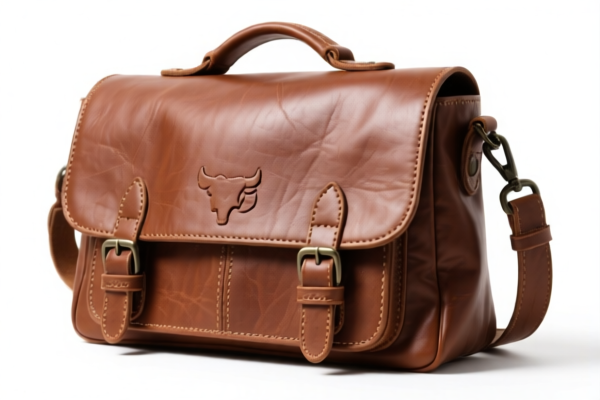
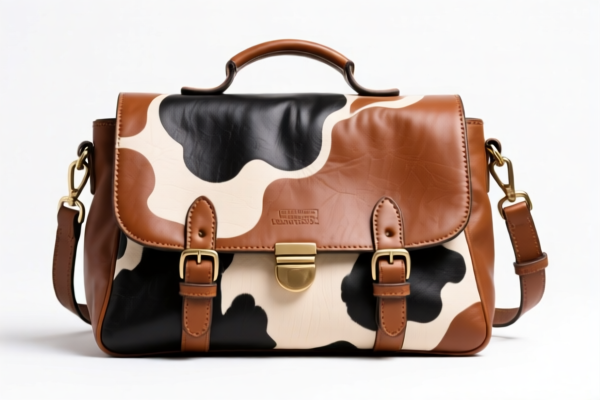
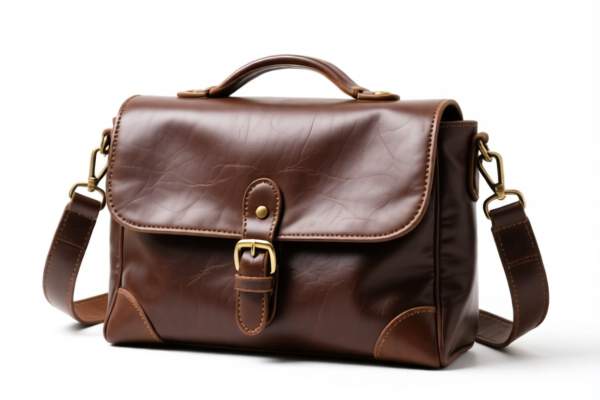
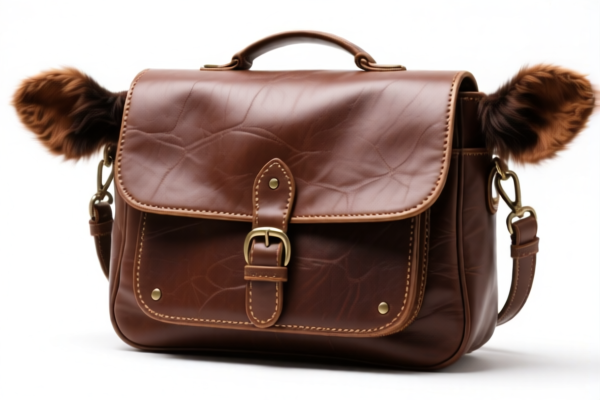
AI Analysis
🐂 Raw Leather (HS Code 4101.90.10.20)
🌐 HS Code Reference & Customs Clearance Guide | 2026 Latest Tariff Analysis | Professional Clearance Strategy
📌 I. Product Definition: What is "Raw Leather" under 4101.90.10.20?
Raw leather refers to the hides or skins of animals (such as cattle, horses, sheep, goats, etc.) that have not been tanned, preserved, or processed beyond the stage of immediate preparation for tanning (e.g., salting, drying, liming).
⚠️ Key Distinction:
- Raw Leather (Chapter 41): Unprocessed, salted/dried hides/skins.
- Tanned Leather (Chapter 41/42): Processed, flexible, ready for use in bags/shoes.
- Feathers/Plumes (0505): Not leather.
- Fur Skins (4301): Fur with hair intact, not raw hide in the leather sense.
For HS Code 4101.90.10.20, this typically falls under "Other" raw hides and skins not specified in the primary categories (like fresh cattle hides in 4101.20), often including specific types like sheep/goat skins or other exotic raw hides depending on the exact national tariff schedule interpretation (e.g., China/US specific subheadings).
📦 II. HS Code Classification Details (2026 Latest Tariff Reference)
| HS Code | Product Description | Applicable Scenario | Material Type |
|---|---|---|---|
4101.90.10.20 |
Other Raw Hides and Skins (e.g., Sheep/Goat, Exotic, or Non-Cattle) | Unprocessed skins, often smaller than cattle hides, or specific animal types not covered in 4101.20 | ✅ Raw (Untanned) |
4101.20.20.00 |
Raw Cattle Hides, Fresh or Salted | Large cattle hides, standard beef industry by-product | ✅ Raw |
4101.20.30.00 |
Raw Cattle Hides, Dried | Dried cattle hides, often for export | ✅ Raw |
4102.29.10.90 |
Other Raw Skins, Other (e.g., Sheep/Goat not specified) | Sheep/goat skins, often salted or dried | ✅ Raw |
🔍 Focus on
4101.90.10.20:
- This code is often used for non-cattle raw hides/skins (e.g., sheep, goat, pig, exotic) or specific processed-but-not-tanned states depending on national definitions.
- Critical: Verify if your product is sheep/goat or exotic, as misclassification can lead to severe penalties.
💰 III. 2026 Latest Tariff Rate Breakdown (Including Surtaxes)
✅ Applicable Country: United States (US)
✅ Country of Origin: China (CN)
✅ Effective Date: November 10, 2025 (and onwards)
🎯 1. 4101.90.10.20 —— Other Raw Hides and Skins
| Item | Details |
|---|---|
| Base Tariff Rate | 0.0% (ad valorem) |
| Section 301 Surtax (USITC) | +7.5% (General 301 Tariff) |
| Section 122 Tariff (IEEPA) | +10.0% (Targeted Chinese Goods) |
| Total Tariff Rate | 17.5% |
| Tax Calculation | CIF Value × 17.5% |
| De Minimis Exemption | ❌ Not Eligible (Deny De Minimis for Section 122/301) |
| Legal Basis Path | IEEPA:9903.01.24 → USITC:4101.90.10.20 → FOOTNOTE:9903.88.01 |
📌 Explanation:
- Base 0%: Raw hides/skins often have low base tariffs to encourage processing domestically.
- +7.5% (301): Standard Section 301 tariff on many Chinese goods.
- +10% (122): Additional tariff under the International Emergency Economic Powers Act (IEEPA) targeting specific Chinese imports.
- Total 17.5%: Significant cost factor. Must be factored into landed cost.⚠️ Note: Some raw hides may fall under
4102(sheep/goat), which may have similar tax structures (e.g.,4102.29.10.90also at 17.5% with 0% base + 7.5% 301 + 10% 122). Always verify the exact material type.
🛠️ IV. Customs Clearance Practical Advice (Pitfall Avoidance Guide)
✅ 1. Required Documentation Checklist
| Document | Mandatory? | Notes |
|---|---|---|
| ✅ Commercial Invoice | ✔️ | Must specify "Raw Leather," animal type, weight, and processing state (e.g., "Salted Sheep Skins") |
| ✅ Packing List | ✔️ | Detail net/gross weight, number of skins, and packaging type |
| ✅ Certificate of Origin | ✔️ | Essential for verifying Chinese origin and applying correct surtaxes |
| ✅ Product Description | ✔️ | Must clearly state: "Raw, Untanned, [Animal Type] Skins" |
| ✅ Pre-Treatment Declaration | ✔️ | Confirm if skins are salted, dried, or fresh |
| ✅ Animal Health Certificate | ✔️ | Some countries require veterinary certification for animal products |
✅ 2. Declaration Tips (Key Mantra)
🔥 "Raw vs. Tanned! Specify Animal! Weight is King!"
| Scenario | Correct Declaration | Wrong Practice |
|---|---|---|
| Sheep Skins | 4101.90.10.20 or 4102.29.10.90 |
Declare as "Cattle Hides" → Misclassification |
| Salted Skins | Specify "Salted" in description | Just "Raw Leather" → Ambiguity |
| Weight Mismatch | Net weight must match invoice/packing list | Discrepancy → Customs Audit/Seizure |
| Tanned Leather | Correct HS Code for tanned leather (e.g., 4104/4105) |
Declare as "Raw" to avoid tax → Fraud Risk |
✅ 3. Special Considerations
| Situation | Handling Advice |
|---|---|
| Mixed Animal Types | Separate shipments or clearly list each type with its own HS Code |
| High Value/Exotic Leathers | Provide import permits if required (e.g., CITES for endangered species) |
| Damp/Rotten Skins | May be rejected for health reasons; ensure proper preservation (salting/drying) |
| OEM/Custom Orders | Provide design specs if skins are pre-cut, but still declare as raw hides |
🌍 V. Global Market Comparison (2026 Latest)
| Country/Region | Recommended HS Code | Tariff (China Origin) | Certification | Notes |
|---|---|---|---|---|
| 🇺🇸 USA | 4101.90.10.20 |
17.5% (0% base + 7.5% 301 + 10% 122) | None | High surtaxes apply |
| 🇨🇳 China | 4101.90.10.20 |
0% (Import Duty) | None | Often zero base duty |
| 🇪🇺 EU | 4101.90.10 |
0% | None | Generally free for raw hides |
| 🇬🇧 UK | 4101.90.10 |
0% | None | Post-Brexit, often 0% |
| 🇦🇺 Australia | 4101.90.10 |
0% | None | Free trade benefits |
📌 Conclusion:
- USA is the only major market with significant additional tariffs (17.5%) due to 301 and 122 clauses.
- EU/UK/Australia generally impose 0% duty on raw hides, making them more cost-effective for export.
- Supplier Strategy: Consider sourcing from non-Chinese origins if exporting to the US to avoid surtaxes.
📌 VI. Common Errors & Pitfalls (Blood-Learned Lessons)
❌ Error 1: Declaring Tanned Leather as Raw Leather
👉 Consequence: Wrong HS Code → Underpayment of duties → Back taxes + fines + seizure.
❌ Error 2: Ignoring Animal Type
👉 Consequence: Sheep skins declared as cattle hides → Misclassification penalty.
❌ Error 3: Missing Weight Details
👉 Consequence: Customs cannot verify value → Delay or rejection.
❌ Error 4: Not specifying Preservation Method (Salted/Dried)
👉 Consequence: Health risk concerns → Quarantine or destruction.
✅ Correct Practice:
"Raw Sheep Skins, Salted, Untanned, Net Weight 500kg, HS Code 4101.90.10.20, Origin China"
🎯 VII. Conclusion: Precise Classification Saves Money!
🎯 Remember the Mantra:
🔹 "Raw is Raw, Tanned is Tanned. Specify Animal. Declare Weight. Avoid 17.5% Trap!"
🔹 "HS Code 4101.90.10.20 carries 17.5% US Tariff. Plan accordingly!"
📌 Pro Tip:
- If exporting to the USA, consider supply chain diversification (e.g., Turkey, Brazil) to avoid 17.5% surtax.
- For EU/UK, raw hides are generally 0% duty, so focus on quality and health certifications instead.
- Always apply for an Advance Ruling if unsure about the exact HS Code classification.
📣 Act Now:
📞 Contact a licensed customs broker + Provide product photos + Verify HS Code via official tariff database
🚀 Ensure smooth clearance, avoid penalties, and maximize profit margins!
✨ Professional Clearance Starts with Accurate Classification!
💼 Every cent counts in global trade!
Customer Reviews
About HS Code Classification
The Harmonized System (HS) is an internationally standardized nomenclature developed by the World Customs Organization (WCO) to classify traded products. Over 200 countries use the HS system as the basis for customs tariffs, trade statistics, and import/export regulations.
Each HS code follows a hierarchical structure:
- Chapter (2 digits) — Broad category of goods (e.g., Chapter 84: Machinery and Mechanical Appliances)
- Heading (4 digits) — More specific grouping within the chapter
- Subheading (6 digits) — Internationally standardized breakdown, used by all WCO member countries
- National subdivisions (8-10 digits) — Country-specific extensions for further classification, such as US HTSUS 10-digit codes
Correct HS code classification is essential for smooth customs clearance, accurate duty payment, and compliance with trade regulations. Misclassification can lead to customs delays, overpayment of duties, or penalties.
When importing from CN to US, the applicable tariff rates may include:
- Most-Favored-Nation (MFN) rate — The standard duty rate applied to WTO members
- General rate — Applied to countries without trade agreements
- Trade remedy duties — Additional tariffs such as Section 301 (anti-dumping), Section 232 (national security), or countervailing duties
The information provided on this page is for reference purposes only. For official classification, please consult with your local customs authority or a licensed customs broker.