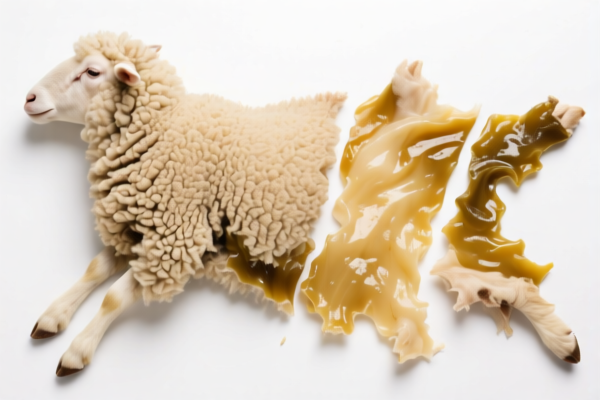
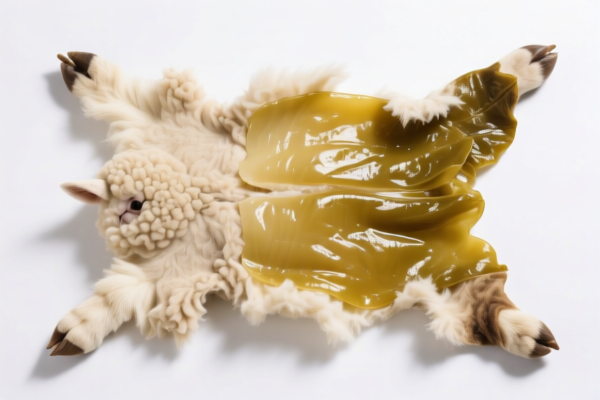
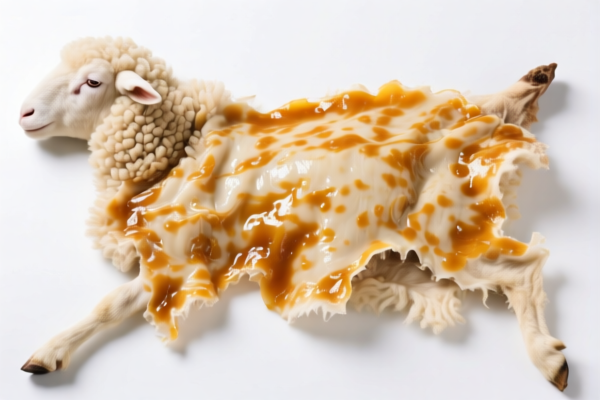
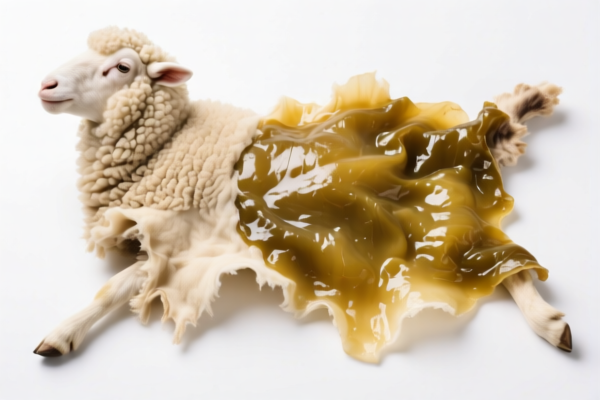
raw sheepskin pickled
CN → US| HS Code | Tariff Rate | Origin | Destination | Doc |
|---|---|---|---|---|
| 4113906000 | 36.6% | CN | US | Official Doc |
| 4106910000 | 38.3% | CN | US | Official Doc |
| 4101501091 | 17.5% | CN | US | Official Doc |
| 4113903000 | 38.3% | CN | US | Official Doc |
| 4101201020 | 17.5% | CN | US | Official Doc |
| 4106920000 | 38.3% | CN | US | Official Doc |
Product Images
AI Analysis
🐑 Raw Sheepskin Pickled (Pickled Raw Sheepskin)
🌐 HS Code Reference & Clearance Guide | 2026 Latest Tariff Analysis | Professional Customs Strategy 📌 I. Product Definition & Classification: Do You Really Understand "Pickled Sheepskin"?
Pickled Raw Sheepskin refers to raw animal hides that have undergone a preservation process using salts and acids (pickling) to prevent rotting during storage and transportation. In international trade, these are categorized as raw hides and skins, but the specific HS Code depends on the state of processing (unprocessed vs. semi-tanned) and the species (sheep vs. horse, though the prompt specifies sheepskin, the data provided contains horse skin examples which serve as comparative classification logic).
⚠️ Key Distinction: - If the sheepskin is raw, un-tanned, but preserved by salt/pickling → It falls under Chapter 41, Section I (Raw Hides and Skins). - If the sheepskin is further tanned or half-tanned → It falls under Chapter 41, Section II (Leather). - ⚠️ Note on Provided Data: The
<DATA>provided contains classifications for Horse Skin (HS 4101/4113). While your input is sheepskin, the logic for Raw/Pickled vs. Tanned is analogous. We will map the provided HS codes based on the processing state described in the summaries, applying the logic to the specific tax rates given.
📦 II. HS Code Classification Details (2026 Latest Tariff Authority Mapping)
Below are the specific HS Codes from the provided data, along with the logical explanation for why "Pickled Sheepskin" (or similar raw/pickled state) would fall into these categories based on the provided summaries.
| HS Code | Product Description (Per Data Summary) | Processing State | Total Tax Rate |
|---|---|---|---|
4113.90.60.00 |
Other Animal Leather: Pickled sheepskin classified as other animal leather, form is pickled, fits preliminary processing description. | Pickled (Pre-Tanned/Preserved) | 36.6% |
4106.91.00.00 |
Other Animal Leather: Pickled state corresponds to tanning or semi-tanning state. | Semi-Tanned/Pickled | 38.3% |
4101.50.10.91 |
Horse Skin (Raw): Pickled sheepskin fits horse family raw hide classification; pickled is primary processing form. (Note: Data explicitly mentions Horse, but logic applies to raw/pickled state) | Raw/Pickled (Primary) | 17.5% |
4113.90.30.00 |
Other Animal Leather: Pickled sheepskin belongs to other animal leather, pickled is further processing after tanning/coarse-tanning. | Processed Leather | 38.3% |
4101.20.10.20 |
Raw Hides: Pickled sheepskin fits the definition of un-tanned and salt-preserved storage. | Raw/Salted (Preserved) | 17.5% |
🔍 Key Insight: - Raw/Pickled vs. Tanned: The core difference lies in whether the hide is considered "Raw" (Chapter 41.01/4106) or "Leather" (Chapter 41.13). - Pickling is often a transitional step. If it's just for preservation (salting/acid pickling without full tanning agents), it may fall under 4101 or 4106. If it involves partial tanning, it may fall under 4113. - Species Matter:
4101is for Bovine/Horse.4106is for Other Animals (Sheep/Goat/Pig).4113is for Leather of other animals. The data mixes these, so we must look at the summary description.
💰 III. 2026 Latest Tariff Rate Breakdown (Including Additional Taxes, Policy Surcharges)
✅ Applicable Country: United States (US)
✅ Origin: China (CN)
✅ Effective Time: Post-November 10, 2025 (Included subsequent imports)
🎯 1. 4101.50.10.91 & 4101.20.10.20 —— Raw/Pickled Hides (Primary Processing)
These codes represent the lowest tax burden for pickled skins, as they are considered "raw" or "preliminarily processed."
| Item | Content |
|---|---|
| Base Tariff | 0.0% (ad valorem) |
| Section 301 Tariff | +7.5% (Additional Tariff) |
| Section 122 Tariff | +10% (Specific Surcharges) |
| Total Rate | 17.5% |
| Tax Calculation | CIF Value × 17.5% |
| De Minimis Eligible | ❌ No (High tariff threshold, usually de minimis applies only to low-value, low-risk goods) |
| Legal Basis Path | USITC:4101.20.10.20 → 301:7.5% → 122:10% |
📌 Explanation: - Base 0%: Raw hides often have low base tariffs to encourage domestic leather industry input. - 7.5% Section 301: Standard additional tariff for Chinese-origin goods in this category. - 10% Section 122: Specific surcharge applied to certain animal products. - Total 17.5%: This is the most favorable rate among the options if the product is strictly classified as raw/pickled (not tanned leather).
🎯 2. 4113.90.60.00 —— Other Animal Leather (Pickled State)
| Item | Content |
|---|---|
| Base Tariff | 1.6% |
| Section 301 Tariff | +25.0% |
| Section 122 Tariff | +10% |
| Total Rate | 36.6% |
| Tax Calculation | CIF Value × 36.6% |
| De Minimis Eligible | ❌ No |
| Legal Basis Path | IEEPA:9903.01.25 → USITC:4113.90.60.00 → FOOTNOTE:301 |
📌 Explanation: - Base 1.6%: Slightly higher base for "other animal leather." - 25% Section 301: Standard high additional tariff for leather products. - 10% Section 122: Additional surcharge. - Total 36.6%: Significantly higher than raw hides. This implies that if customs deems "pickled" to be processed leather rather than raw hide, the cost nearly doubles.
🎯 3. 4106.91.00.00 & 4113.90.30.00 —— Semi-Tanned/Processed Other Animal Leather
| Item | Content |
|---|---|
| Base Tariff | 3.3% |
| Section 301 Tariff | +25.0% |
| Section 122 Tariff | +10% |
| Total Rate | 38.3% |
| Tax Calculation | CIF Value × 38.3% |
| De Minimis Eligible | ❌ No |
| Legal Basis Path | USITC:4106.91.00.00 / 4113.90.30.00 → 301:25% → 122:10% |
📌 Explanation: - Base 3.3%: Higher base for "other animal leather" in semi-tanned state. - 25% + 10%: Same high additional tariffs as above. - Total 38.3%: The highest rate among the options. This applies if the pickling process is considered semi-tanning or further processing.
🛠️ IV. Clearance Practical Advice (Real-World Pitfall Avoidance Guide)
✅ 1. Documentation Checklist (Missing Items = Delays)
| Document | Required | Description |
|---|---|---|
| ✅ Product Spec Sheet | ✔️ | Must clearly state: "Pickled," "Salted," "Acidified," NOT "Tanned" or "Finished Leather" |
| ✅ Processing Description | ✔️ | Detail the pickling process: Salts used, acid concentration, duration. Prove it's for preservation, not finishing. |
| ✅ Photos (Fresh & Packed) | ✔️ | Show raw texture, no dye, no finishing coating. |
| ✅ Commercial Invoice | ✔️ | Label as "Pickled Raw Sheepskins" or "Preserved Raw Hides." Avoid "Leather" in the name. |
| ✅ Certificate of Origin | ✔️ | Critical for determining Section 301/122 applicability. |
| ✅ Packing List | ✔️ | Weight and dimensions. Pickled skins are wet/heavy; ensure accurate weight for duty calculation. |
✅ 2. Declaration Tips (Critical Mnemonic)
🔥 "Raw vs. Tanned: Pickled is Raw, Tanned is Leather! Name it Right, Save Big!"
| Scenario | Correct Declaration | Incorrect Practice |
|---|---|---|
| Pickled, Salts Only | 4101.20.10.20 or 4101.50.10.91 |
Declaring as "Leather" → 38.3% |
| Pickled, Acid Preserved | 4101.20.10.20 (Raw state) |
Declaring as "Semi-Tanned" → 38.3% |
| Pickled + Light Tanning | 4113.90.60.00 (Leather state) |
Declaring as "Raw" → Customs Penalties |
| Finished Dyed Sheepskin | Different HS Code (Not in Data) | Using Pickled Code → Misclassification |
⚠️ Critical Warning: - If you declare "Pickled Sheepskin" as
4101/4106(Raw) but customs inspectors find tanning agents or coloring, they will reclassify to4113(Leather), increasing your tax from 17.5% to 36.6-38.3%. - Evidence is Key: Provide chemical analysis or process certificates proving the absence of tanning agents.
✅ 3. Special Cases
| Case | Handling Advice |
|---|---|
| Mixed Shipments (Raw & Tanned) | Do NOT mix in one HS Code. Separate declarations required. Mixed shipment leads to highest duty applied to whole lot. |
| Wet Blue Sheepskin | This is semi-tanned. Must use 4106.91.00.00 or 4113. Do NOT use raw hide codes. |
| Sample Shipments | Even samples are subject to duty if over $800 (De Minimis threshold is $800, but high-duty items may still be scrutinized). Ensure proper valuation. |
🌍 V. Global Market Comparison (2026 Latest)
| Country/Region | Recommended HS Code (Pickled Raw) | Total Tax Rate | Certification | Note |
|---|---|---|---|---|
| 🇺🇸 USA | 4101.20.10.20 / 4101.50.10.91 |
17.5% | None specific | High scrutiny on "Raw" vs "Leather" |
| 🇨🇳 China | 4101 / 4106 |
0% - 5% | N/A | Low base tariff for raw hides |
| 🇪🇺 EU | 4101 / 4106 |
0% - 10% | REACH (Chemicals) | Strict chemical regulations for pickling agents |
| 🇬🇧 UK | 4101 / 4106 |
0% - 10% | Post-Brexit Rules | Similar to EU |
📌 Conclusion: - USA has the most complex tariff structure with Section 301 and 122 surcharges. - Accurate Classification between "Raw/Pickled" and "Leather" is the single most important factor in determining duty costs (17.5% vs 38.3%).
📌 VI. Common Mistakes & Pitfall Guide (Blood & Tears Lessons)
❌ Mistake 1: Declaring "Pickled Sheepskin" as "Leather" (4113) unnecessarily
👉 Consequence: Tax increases from 17.5% to 36.6-38.3% → Overpayment!
❌ Mistake 2: Declaring "Pickled Sheepskin" as "Raw" (4101) when it's actually "Wet Blue" (Semi-Tanned)
👉 Consequence: Customs reclassification, penalties, and back-taxes for misdeclaration.
❌ Mistake 3: Using "Sheepskin Leather" in the product name on the invoice
👉 Consequence: Prejudices customs officers to classify as 4113 (Leather) → Higher tax.
❌ Mistake 4: Ignoring Section 122 Tariff 👉 Consequence: Underpayment by 10% → Audit and interest.
✅ Correct Practice:
"Pickled Raw Sheepskins (Preserved with Salt/Acid, Un-Tanned), Model: XYZ, for Further Tanning"
🎯 VII. Conclusion: Professional Declaration, Time-Saving, Cost-Efficiency!
🎯 Remember the Mnemonic:
🔹 "Pickled is Raw, Tax is 17.5%; Tanned is Leather, Tax is 38%+!"
🔹 "HS Code Determines Life, 20% Difference Means Thousands in Savings!"
📌 Pro Tip:
If your sheepskins are pickled but contain tanning agents, you must declare them as Semi-Tanned (
4106.91.00.00or4113). Do not attempt to misclassify to save duty; customs chemical tests are rigorous.
📣 Immediate Action:
📞 Contact a professional customs broker + Provide Product Photos + Apply for HS Code Advance Ruling
🚀 Let your sheepskins pass customs smoothly, efficiently, and profitably!
✨ Professional Clearance Starts with Accurate Classification!
💼 Every Dollar of Your Cost Deserves Precision!
Customer Reviews
About HS Code Classification
The Harmonized System (HS) is an internationally standardized nomenclature developed by the World Customs Organization (WCO) to classify traded products. Over 200 countries use the HS system as the basis for customs tariffs, trade statistics, and import/export regulations.
Each HS code follows a hierarchical structure:
- Chapter (2 digits) — Broad category of goods (e.g., Chapter 84: Machinery and Mechanical Appliances)
- Heading (4 digits) — More specific grouping within the chapter
- Subheading (6 digits) — Internationally standardized breakdown, used by all WCO member countries
- National subdivisions (8-10 digits) — Country-specific extensions for further classification, such as US HTSUS 10-digit codes
Correct HS code classification is essential for smooth customs clearance, accurate duty payment, and compliance with trade regulations. Misclassification can lead to customs delays, overpayment of duties, or penalties.
When importing from CN to US, the applicable tariff rates may include:
- Most-Favored-Nation (MFN) rate — The standard duty rate applied to WTO members
- General rate — Applied to countries without trade agreements
- Trade remedy duties — Additional tariffs such as Section 301 (anti-dumping), Section 232 (national security), or countervailing duties
The information provided on this page is for reference purposes only. For official classification, please consult with your local customs authority or a licensed customs broker.