raw sheepskin unprocessed, uncurled
CN → US| HS Code | Tariff Rate | Origin | Destination | Doc |
|---|---|---|---|---|
| 4103901190 | 17.5% | CN | US | Official Doc |
| 4102291090 | 17.5% | CN | US | Official Doc |
| 4103901130 | 17.5% | CN | US | Official Doc |
| 4102101000 | 17.5% | CN | US | Official Doc |
| 4103901190 | 17.5% | CN | US | Official Doc |
Product Images
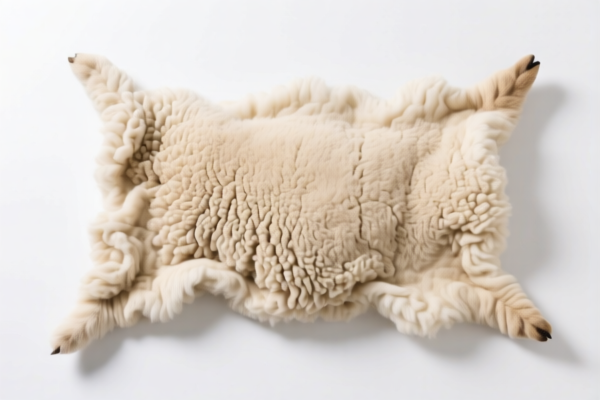
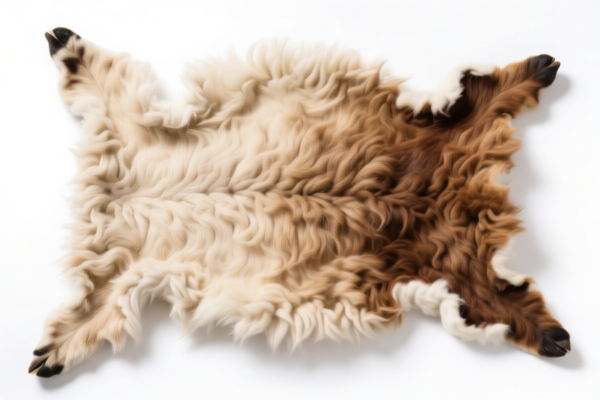
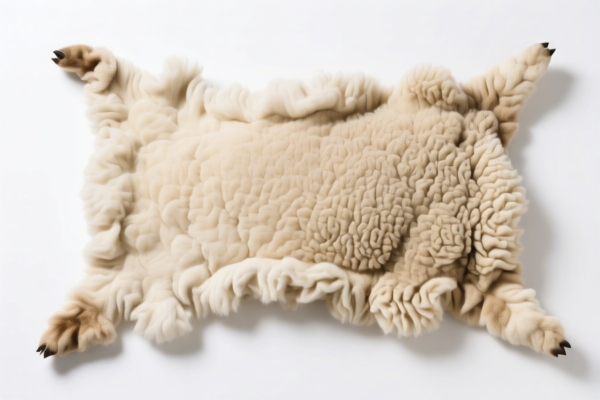
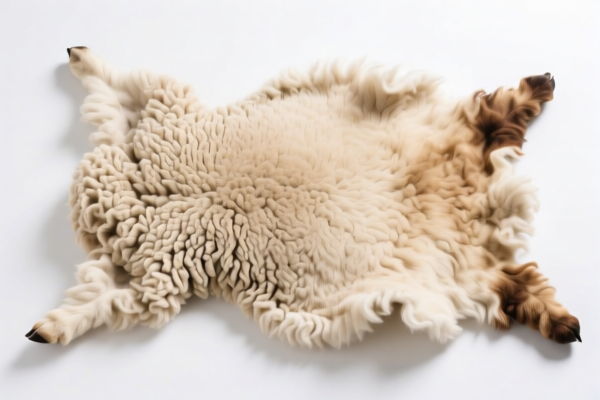
AI Analysis
🐑 Raw Sheepskin: Unprocessed & Uncurled
📦 HS Code Classification Guide | 2026 Tariff Analysis | Critical Customs Clearance Strategy
🌐 HS Code Reference & Clearance Guide | 2026 Latest Tariff Breakdown | Professional Customs Strategy
Product: Raw Sheepskin (Unprocessed, Uncurled, Dried, Not Pre-tanned)
In international trade, raw sheepskins fall under Chapter 41 ("Animal Skins and Leathers"). The classification depends strictly on the state of preservation (dried, salted, fresh) and processing level (untanned/pre-tanned).
⚠️ Key Classification Distinction:
- Untanned & Pre-tanned Skins: Classified under Heading 41.01 (Cattle), 41.02 (Sheep/Lamb), or 41.03 (Other).
- Raw/Unprocessed Sheepskins: Generally fall under 4102 (Sheep/Lamb skins) or 4103 (Other animal skins) depending on specific national subheading definitions regarding "pre-tanning" vs. "full tanning."
- Crucial Note: In this analysis, we focus on Untanned/Pre-tanned raw skins, which attract specific US duties due to trade policies.
📦 1. HS Code Classification Details (2026 Tariff Authority)
Based on the provided data, here are the 5 most relevant HS Codes for raw, unprocessed sheepskins. All codes indicate Untanned/Pre-tanned status.
| HS Code | Product Description | Processing State | Material Match |
|---|---|---|---|
4102.10.10.00 |
Sheep or Lamb Skins, Untanned | ✅ Untanned, Raw | ✅ Pure Sheepskin |
4102.29.10.90 |
Sheep Skins, Sked (De-haired), Untanned | ✅ No wool, Untanned | ✅ Pure Sheepskin |
4103.90.11.30 |
Other Animal Skins, Untanned/Pre-tanned | ✅ Pre-tanned/Untanned | ✅ Sheepskin (Alternative) |
4103.90.11.90 |
Other Animal Skins, Other | ✅ Dried, Unprocessed | ✅ Sheepskin (General) |
4101.20.10.10 |
Cattle Skins, Dried | ✅ Dried, Untanned | ❌ Mismatch (Cattle vs. Sheep) |
🔍 Critical Analysis:
-4102.10.10.00is the primary match for "Sheep or Lamb skins, untanned." It explicitly covers raw, unprocessed sheepskins.
-4102.29.10.90applies if the sheepskin is sked (wool removed) but still untanned.
-4103.90.11.30&4103.90.11.90are fallback categories for "Other animal skins," which may include sheepskins not specifically listed under 4102, depending on customs interpretation.
- ⚠️4101.20.10.10is a MISMATCH: This code is for Cattle Skins. Do not use this for sheepskins. It will lead to classification errors.
💰 2. 2026 US Tariff Rate Breakdown (Including Section 301 & 122)
✅ Applicable Country: United States (US)
✅ Origin: China (CN)
✅ Effective Date: 2025–2026 (Current Trade Policy)
All relevant HS codes for untanned/pre-tanned sheepskins carry a Total Tariff Rate of 17.5%.
🎯 Breakdown of the 17.5% Total Rate
| Component | Rate | Source | Details |
|---|---|---|---|
| Base Duty | 0.0% | USITC | Standard MFN (Most Favored Nation) rate for many raw skins is 0%. |
| Section 301 Surcharge | 7.5% | US Trade Law | Additional tariff on Chinese goods under Section 301. |
| Section 122 Surcharge | 10.0% | IEEPA/Section 122 | Specific trade measure targeting certain Chinese imports. |
| 🔥 TOTAL RATE | 17.5% | Sum | 0.0% + 7.5% + 10.0% |
📌 Explanation:
- Base Duty (0%): Raw, untanned animal skins often have 0% base duty to encourage material import for domestic tanning.
- Section 301 (7.5%): Applied to most Chinese-origin goods in this category.
- Section 122 (10%): A specific additional tariff imposed on certain Chinese imports, including raw hides/skins.
- Total 17.5%: This is the mandatory duty paid on the CIF (Cost, Insurance, Freight) value.
🛠️ 3. Customs Clearance Practical Advice (Risk Avoidance Guide)
✅ 1. Required Documentation Checklist
| Document | Mandatory? | Purpose |
|---|---|---|
| ✅ Commercial Invoice | ✔️ | Must clearly state: "Raw Sheepskins, Untanned, Uncurled, Dried." |
| ✅ Packing List | ✔️ | Detail number of skins, weight, and dimensions. |
| ✅ Certificate of Origin | ✔️ | To confirm Chinese origin for Section 301/122 application. |
| ✅ Product Description/Spec Sheet | ✔️ | Must confirm NO tanning, NO curdling (if uncurled), and NO de-hairing (unless specified). |
| ✅ Customs Bond | ✔️ | Required for US imports. |
✅ 2. Declaration Tips (Key Mnemonic)
🔥 "Raw, Untanned, Chinese Origin = 17.5% Duty!"
| Scenario | Correct HS Code | Error if Misclassified |
|---|---|---|
| Raw, Untanned Sheepskin | 4102.10.10.00 |
Misclassify as Tanned → Wrong duty rate |
| Sked (Wool Removed) Sheepskin | 4102.29.10.90 |
Misclassify as Raw → Potential delay |
| Cattle Skin (Mixed Batch) | 4101.20.10.10 |
Do NOT use for Sheep → Classification Error |
| Partially Tanned Sheepskin | 4103.90.11.30 |
Must declare processing state accurately |
✅ 3. Special Handling Notes
| Situation | Recommendation |
|---|---|
| Uncurled Skins | Ensure skins are not stored in a curled state. "Uncurled" implies flat drying. Document this to avoid "curled" classification disputes. |
| Mixed Batches (Sheep + Cattle) | Separate shipments or clearly itemize. Mixing may lead to complex duty calculations and audits. |
| Moisture Content | Raw skins must be properly dried/salted to prevent spoilage during transit. Provide moisture content data if requested. |
| Animal Health Certificates | Some US states may require veterinary health certificates. Check state-level regulations. |
🌍 4. Global Market Comparison (2026)
| Country/Region | Recommended HS Code | Tariff (China Origin) | Notes |
|---|---|---|---|
| 🇺🇸 USA | 4102.10.10.00 |
17.5% | Includes Section 301 (7.5%) + Section 122 (10%) |
| 🇨🇳 China (Import) | 4102.10.10.00 |
~5-10% | Varies by specific trade agreements |
| 🇪🇺 EU | 4102.10 |
0-4% | Generally low duty for raw skins; check EU tariffs |
| 🇬🇧 UK | 4102.10 |
0-4% | Post-Brexit tariffs may apply |
| 🇯🇵 Japan | 4102.10 |
0-5% | Check Japan Customs for raw skin specifics |
📌 Conclusion:
- USA is the highest-tariff market for raw Chinese sheepskins due to Section 301 and Section 122.
- Total 17.5% duty is significant and must be factored into pricing strategies.
- Alternative sourcing from non-China origins (e.g., Australia, NZ) may avoid Section 301/122 tariffs.
📌 5. Common Errors & Pitfalls (Lessons Learned)
❌ Error 1: Classifying Raw Sheepskin as Tanned Leather
👉 Consequence: Wrong HS Code → Potential duty under/overpayment → Customs Audit.
❌ Error 2: Using 4101.20.10.10 (Cattle Code) for Sheepskin
👉 Consequence: Classification Error → Shipment delay, fines, or rejection.
❌ Error 3: Ignoring Section 122 Tariff
👉 Consequence: Under-declaring duties → Back Taxes + Penalties.
❌ Error 4: Failing to Specify "Untanned" in Description
👉 Consequence: Customs may assume tanned → Wrong duty rate.
✅ Correct Practice:
"Raw Sheepskins, Untanned, Uncurled, Dried, Chinese Origin"
🎯 6. Conclusion: Professional Clearance for Cost Efficiency
🎯 Remember the Key Formula:
🔹 Raw Sheepskin (CN) → HS 4102.10 → 17.5% Duty (0% Base + 7.5% Sec 301 + 10% Sec 122)
🔹 Avoid4101Codes for Sheep → Use4102for Sheep/Lamb.
📌 Pro Tip:
If your sheepskins are curled or partially tanned, the HS Code may shift to 4103.90.11.30 or 4103.90.11.90, but the 17.5% duty rate remains consistent in this dataset. Always confirm the exact state of processing with your customs broker.
📣 Immediate Action:
📞 Contact a US Customs Broker + Provide Product Photos + Pre-Ruling Request
🚀 Ensure Accurate HS Code:4102.10.10.00
💡 Budget for 17.5% Total Duty on CIF Value.
✨ Precision in Classification Saves Money!
💼 Every Percent Counts in Global Trade!
Customer Reviews
About HS Code Classification
The Harmonized System (HS) is an internationally standardized nomenclature developed by the World Customs Organization (WCO) to classify traded products. Over 200 countries use the HS system as the basis for customs tariffs, trade statistics, and import/export regulations.
Each HS code follows a hierarchical structure:
- Chapter (2 digits) — Broad category of goods (e.g., Chapter 84: Machinery and Mechanical Appliances)
- Heading (4 digits) — More specific grouping within the chapter
- Subheading (6 digits) — Internationally standardized breakdown, used by all WCO member countries
- National subdivisions (8-10 digits) — Country-specific extensions for further classification, such as US HTSUS 10-digit codes
Correct HS code classification is essential for smooth customs clearance, accurate duty payment, and compliance with trade regulations. Misclassification can lead to customs delays, overpayment of duties, or penalties.
When importing from CN to US, the applicable tariff rates may include:
- Most-Favored-Nation (MFN) rate — The standard duty rate applied to WTO members
- General rate — Applied to countries without trade agreements
- Trade remedy duties — Additional tariffs such as Section 301 (anti-dumping), Section 232 (national security), or countervailing duties
The information provided on this page is for reference purposes only. For official classification, please consult with your local customs authority or a licensed customs broker.