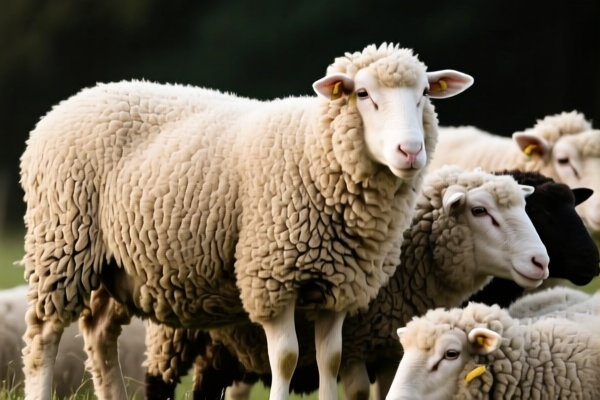
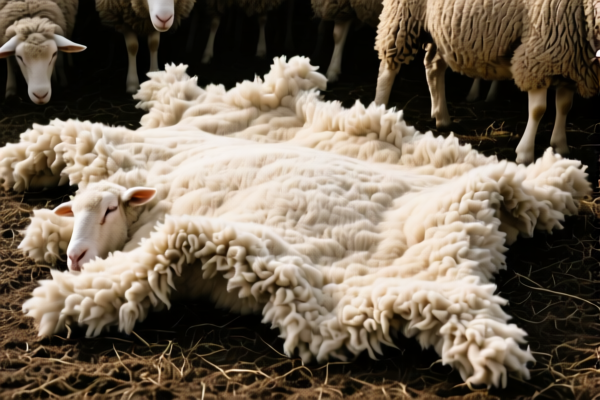
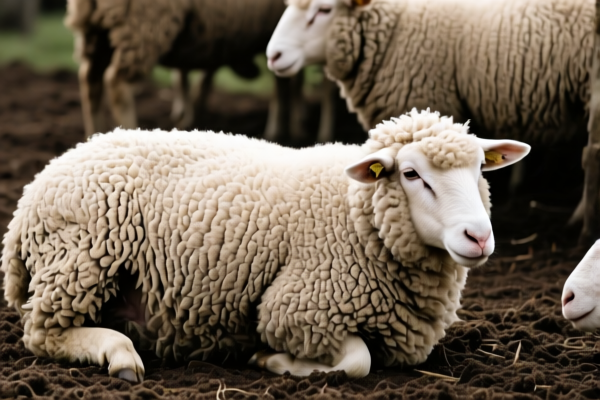
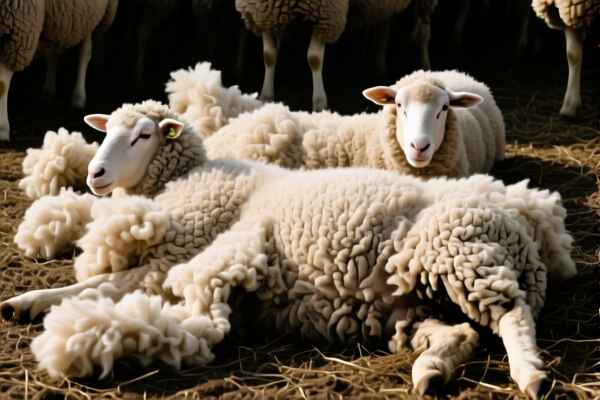
raw sheepskins with wool
CN → US| HS Code | Tariff Rate | Origin | Destination | Doc |
|---|---|---|---|---|
| 4103901140 | 17.5% | CN | US | Official Doc |
| 4102103000 | 12.0% | CN | US | Official Doc |
| 4102293000 | 19.5% | CN | US | Official Doc |
| 4301300000 | 10.0% | CN | US | Official Doc |
| 4301900000 | 10.0% | CN | US | Official Doc |
Product Images
AI Analysis
🐑 Raw Sheepskins with Wool (带毛干羊皮)
🌐 HS Code Reference & Customs Clearance Guide | 2026 Latest Tariff Analysis | Professional-Level Entry Strategy
📌 I. Product Definition & Classification: Do You Truly Understand “Raw Sheepskins with Wool”?
Raw Sheepskins with Wool refer to sheep hides that have been removed from the animal but have not yet undergone any tanning, preservation, or chemical processing. They are in their raw, un-tanned state, retaining the natural wool/fleece. In international trade, these are classified under Chapter 41 (Leather, fur skins and other leather goods) or Chapter 43 (Fur skins and artificial fur). The key distinction lies in the primary use and physical state specified in the tariff schedule.
⚠️ Key Distinction Points:
- If the skin is dry, un-tanned, and retains wool, it is primarily a raw hide/skin for leather production → Often falls under 4103 or 4102.
- If classified primarily as raw fur skins for furrier use (high-value wool/fur context), it may fall under 4301.
- Crucial Note: The presence of "wool" and the "dry" state significantly impact the HS code selection between Chapter 41 (Leather) and Chapter 43 (Fur).
📦 II. HS Code Classification Details (2026 Latest Tariff Authority Reference)
Based on the provided data, here are the precise HS Code mappings for Raw Sheepskins with Wool, categorized by their specific physical and commercial definitions:
| HS Code | Product Description | Application Scenario | Key Characteristics |
|---|---|---|---|
4103.90.11.40 |
Sheepskins with Wool, Un-tanned, Dried | Raw material for leather manufacturing; specifically "dry skins with wool" | ✅ Dry, ✅ With Wool, ❌ Un-tanned |
4102.10.30.00 |
Sheepskins (Ovis aries), Un-tanned, Raw | Raw sheep/lamb skins in their natural, un-processed state | ✅ Raw/Ovis aries, ❌ No specific wool mention in summary, ✅ Un-tanned |
4102.29.30.00 |
Sheepskins (Ovis aries), Un-tanned, Further Un-processed | Raw sheep/lamb skins not yet subjected to preservation or tanning | ✅ Raw, ✅ Un-processed, ✅ Un-tanned |
4301.30.00.00 |
Sheep/Lamb Fur Skins (Raw) | Primary raw material for furriers; classified under "Fur Skins" | ✅ Fur Skin Category, ✅ Raw, ✅ Lamb/Sheep |
4301.90.00.00 |
Other Raw Fur Skins | Raw fur skins for commercial fur trade, including sheep/lamb | ✅ Fur Trade Category, ✅ Raw, ✅ General Fur |
🔍 Critical Reminder:
- If the skin is primarily valued for its wool/fur texture in the fur industry, 4301 series is preferred.
- If the skin is primarily valued for the leather yield after wool removal, 4102/4103 series is appropriate.
- Misclassification Risk: Declaring fur skins (4301) as leather hides (4102) may lead to lower duty scrutiny but potential reclassification penalties if the wool content/value dominates.
💰 III. 2026 Latest Tariff Rate Breakdown (Including Additional Taxes, Policy Surcharges)
✅ Applicable Country: United States (US)
✅ Country of Origin: China (CN)
✅ Effective Date: From November 10, 2025 onwards (including subsequent imports)
🎯 1. 4103.90.11.40 —— Sheepskins with Wool, Un-tanned, Dried
| Item | Content |
|---|---|
| Base Tariff Rate | 0.0% (ad valorem) |
| Section 301 / Supplementary Tariff | +7.5% |
| Section 122 Tariff | +10% |
| Total Tax Rate | 17.5% |
| Tax Calculation | CIF Value × 17.5% |
| De Minimis Exemption Eligible? | ❌ No (deny_de_minimis) |
| Legal Basis Path | Base: 0% → Sec 301: 7.5% → Sec 122: 10% → Total: 17.5% |
📌 Explanation:
- This code is for specific dried sheepskins with wool.
- The 17.5% total rate is relatively moderate compared to other categories.
- Section 122 Tariff (+10%) is a significant addition for certain agricultural/leather raw materials.
🎯 2. 4102.10.30.00 —— Sheepskins (Ovis aries), Un-tanned, Raw
| Item | Content |
|---|---|
| Base Tariff Rate | 2.0% (ad valorem) |
| Section 301 / Supplementary Tariff | 0.0% |
| Section 122 Tariff | +10% |
| Total Tax Rate | 12.0% |
| Tax Calculation | CIF Value × 12.0% |
| De Minimis Exemption Eligible? | ❌ No (deny_de_minimis) |
| Legal Basis Path | Base: 2.0% → Sec 301: 0.0% → Sec 122: 10% → Total: 12.0% |
📌 Note:
- This is a cost-effective option for raw sheepskins if they fit the "Ovis aries" un-tanned description.
- No Section 301 tariff makes it significantly cheaper than4103.90.11.40.
- Suitable for standard raw sheepskins intended for leather processing.
🎯 3. 4102.29.30.00 —— Sheepskins (Ovis aries), Un-tanned, Further Un-processed
| Item | Content |
|---|---|
| Base Tariff Rate | 2.0% (ad valorem) |
| Section 301 / Supplementary Tariff | +7.5% |
| Section 122 Tariff | +10% |
| Total Tax Rate | 19.5% |
| Tax Calculation | CIF Value × 19.5% |
| De Minimis Exemption Eligible? | ❌ No (deny_de_minimis) |
| Legal Basis Path | Base: 2.0% → Sec 301: 7.5% → Sec 122: 10% → Total: 19.5% |
📌 Warning:
- This is the highest tax rate among the leather-based codes (19.5%).
- The Section 301 (+7.5%) and Section 122 (+10%) combine to create a heavy burden.
- Use this only if the product strictly matches the "further un-processed" definition and no better code applies.
🎯 4. 4301.30.00.00 —— Sheep/Lamb Fur Skins (Raw)
| Item | Content |
|---|---|
| Base Tariff Rate | 0.0% (ad valorem) |
| Section 301 / Supplementary Tariff | 0.0% |
| Section 122 Tariff | +10% |
| Total Tax Rate | 10.0% |
| Tax Calculation | CIF Value × 10.0% |
| De Minimis Exemption Eligible? | ❌ No (deny_de_minimis) |
| Legal Basis Path | Base: 0.0% → Sec 301: 0.0% → Sec 122: 10% → Total: 10.0% |
📌 Advantage:
- This is the lowest tax rate (10.0%) for raw sheepskins with wool.
- Zero Base and Zero Section 301 tariffs make it highly favorable.
- Best for: Imports where the product is commercially recognized as raw fur skins (e.g., for rug making, high-end fur garments).
🎯 5. 4301.90.00.00 —— Other Raw Fur Skins
| Item | Content |
|---|---|
| Base Tariff Rate | 0.0% (ad valorem) |
| Section 301 / Supplementary Tariff | 0.0% |
| Section 122 Tariff | +10% |
| Total Tax Rate | 10.0% |
| Tax Calculation | CIF Value × 10.0% |
| De Minimis Exemption Eligible? | ❌ No (deny_de_minimis) |
| Legal Basis Path | Base: 0.0% → Sec 301: 0.0% → Sec 122: 10% → Total: 10.0% |
📌 Note:
- Same tax rate as4301.30.00.00.
- Used for general raw fur skins not specifically listed as sheep/lamb but still falling under the fur category.
- Strategic Use: If4301.30.00.00is too specific, this broader category offers the same 10% low rate.
🛠️ IV. Customs Clearance Practical Advice (Battle-Tested Pitfall Avoidance Guide)
✅ 1. Required Documentation Checklist (None Can Be Omitted)
| Document | Mandatory | Description |
|---|---|---|
| ✅ Product Specification Sheet | ✔️ | Must detail: Animal species (Sheep/Lamb), Wool presence, Drying method, Tanning status (Un-tanned) |
| ✅ Photos (Raw & Packaged) | ✔️ | Clear images of the hide, wool texture, and packaging labels |
| ✅ Commercial Invoice | ✔️ | Must clearly state: "Raw Sheepskins with Wool, Un-tanned, Dried" |
| ✅ Packing List | ✔️ | Weight, number of skins, packaging type |
| ✅ Origin Certificate | ✔️ | To prove Country of Origin (CN) for tariff assessment |
| ✅ Import License (if required) | ✔️ | Check if specific agricultural/leather import licenses are needed |
✅ 2. Declaration Tips (Key Mantras)
🔥 "Define State, Specify Wool, Choose Chapter Wisely!"
| Scenario | Correct Declaration | Incorrect Practice |
|---|---|---|
| Raw, Dried, with Wool | 4103.90.11.40 or 4301.30.00.00 |
Misdeclare as "Leather" (Tanned) → Higher tax or rejection |
| Raw, Un-dried (Fresh) | 4102.10.30.00 or 4102.29.30.00 |
Misdeclare as "Dried" → Potential penalty |
| Fur Trade Use | 4301.30.00.00 or 4301.90.00.00 |
Misdeclare as "Leather Raw" → 17.5%-19.5% vs. 10% |
| Tanned Sheepskins | Not covered in this data | Declaring un-tanned as tanned → Major error |
✅ 3. Special Case Handling
| Situation | Handling Advice |
|---|---|
| Mixed Bundles (Tanned + Un-tanned) | Separate Declaration! Do not combine. Un-tanned goes to 4102/4103/4301; Tanned goes to different Chapter (4104/4105). |
| Wool Content Dispute | If wool is sparse, customs may argue it's not "with wool" → Stick to 4102 series. If wool is thick, use 4301 series. |
| Salting vs. Drying | Specify if skins are salted or air-dried. 4103 often implies dried. Fresh/salted may have different sub-codes not listed here. |
| Pre-Treatment | If skins are limed or pickled, they are no longer "raw" → May fall under different chapters (e.g., 4104). |
🌍 V. Global Market Customs Comparison (2026 Latest)
| Country/Region | Recommended HS Code | Tariff Rate | Certification Requirements | Notes |
|---|---|---|---|---|
| 🇺🇸 USA | 4301.30.00.00 or 4102.10.30.00 |
10% or 12% | USDA/APHIS (if animal product) | Lowest rate via 4301 series |
| 🇨🇳 China | 4103.90.11.40 or 4301.30.00.00 |
0% (MFN) | N/A | No additional surcharges |
| 🇪🇺 EU | 4103.90 or 4301.30 |
0% (MFN) | REACH, Animal By-Products Regulation | Strict bio-security rules |
| 🇬🇧 UK | 4103.90 or 4301.30 |
0% (MFN) | GB Animal Health Rules | Post-Brexit rules apply |
| 🇯🇵 Japan | 4103.90 or 4301.30 |
0% (MFN) | FMD-Free Certification | Must prove disease-free origin |
📌 Conclusion:
- USA is the most complex due to Section 122 and Section 301 tariffs.
- Choosing4301.30.00.00(10%) is the optimal strategy for US imports to minimize costs.
- EU/UK/JP generally have 0% MFN rates, making classification less financially critical but still legally important.
📌 VI. Common Errors & Pitfall Avoidance (Lessons Learned)
❌ Error 1: Declaring "Sheepskins" without specifying "Raw/Un-tanned"
👉 Consequence: Customs may assume tanned leather → Higher tax or audit.
❌ Error 2: Using 4102 for high-wool content skins
👉 Consequence: Risk of reclassification to 4301 with potential penalties if wool value dominates.
❌ Error 3: Ignoring Section 122 Tariff (+10%)
👉 Consequence: Unexpected tax bill at customs → Delayed clearance.
❌ Error 4: Combining Raw and Tanned skins in one shipment
👉 Consequence: Declaration rejection, need to repack and resubmit.
✅ Correct Approach:
"Raw Sheepskins with Wool, Un-tanned, Air-Dried, Ovis aries, for Fur Industry Use, HS Code 4301.30.00.00"
🎯 VII. Conclusion: Precise Classification Saves Money!
🎯 Remember the Mantra:
🔹 "Raw + Wool = Fur Chapter (4301) for Low Tax!"
🔹 "Leather Chapter (4102/4103) = Higher Tax (12%-19.5%)"
🔹 "Section 122 Hits Hard, Avoid if Possible!"
📌 Pro Tip:
If your sheepskins are primarily for fur goods (rugs, coats), always choose 4301.30.00.00 or 4301.90.00.00. The 10% total tax rate is significantly lower than the 17.5%–19.5% rates in Chapter 41.
Request an Advance Ruling from US Customs if unsure about the "Primary Use" classification.
📣 Immediate Action:
📞 Consult a Customs Broker + Provide Product Photos + Apply for Advance Ruling
🚀 Maximize Profit by Minimizing Tariff Burden!
✨ Professional Clearance Starts with Accurate Classification!
💼 Your Every Dollar is Worth Saving!
Customer Reviews
About HS Code Classification
The Harmonized System (HS) is an internationally standardized nomenclature developed by the World Customs Organization (WCO) to classify traded products. Over 200 countries use the HS system as the basis for customs tariffs, trade statistics, and import/export regulations.
Each HS code follows a hierarchical structure:
- Chapter (2 digits) — Broad category of goods (e.g., Chapter 84: Machinery and Mechanical Appliances)
- Heading (4 digits) — More specific grouping within the chapter
- Subheading (6 digits) — Internationally standardized breakdown, used by all WCO member countries
- National subdivisions (8-10 digits) — Country-specific extensions for further classification, such as US HTSUS 10-digit codes
Correct HS code classification is essential for smooth customs clearance, accurate duty payment, and compliance with trade regulations. Misclassification can lead to customs delays, overpayment of duties, or penalties.
When importing from CN to US, the applicable tariff rates may include:
- Most-Favored-Nation (MFN) rate — The standard duty rate applied to WTO members
- General rate — Applied to countries without trade agreements
- Trade remedy duties — Additional tariffs such as Section 301 (anti-dumping), Section 232 (national security), or countervailing duties
The information provided on this page is for reference purposes only. For official classification, please consult with your local customs authority or a licensed customs broker.