raw untanned sheepskin
CN → US| HS Code | Tariff Rate | Origin | Destination | Doc |
|---|---|---|---|---|
| 4103901130 | 17.5% | CN | US | Official Doc |
| 4102101000 | 17.5% | CN | US | Official Doc |
| 4102291090 | 17.5% | CN | US | Official Doc |
| 4103901190 | 17.5% | CN | US | Official Doc |
| 4103901200 | 17.5% | CN | US | Official Doc |
Product Images
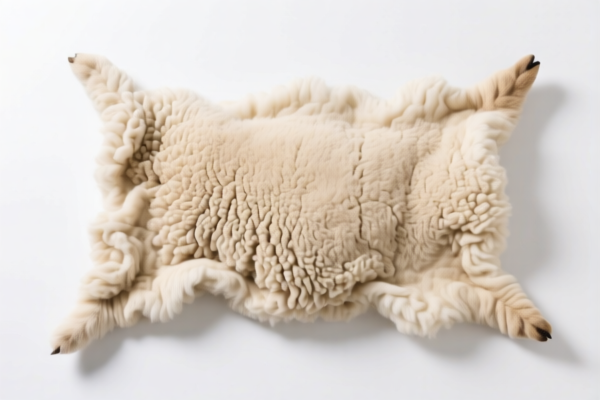
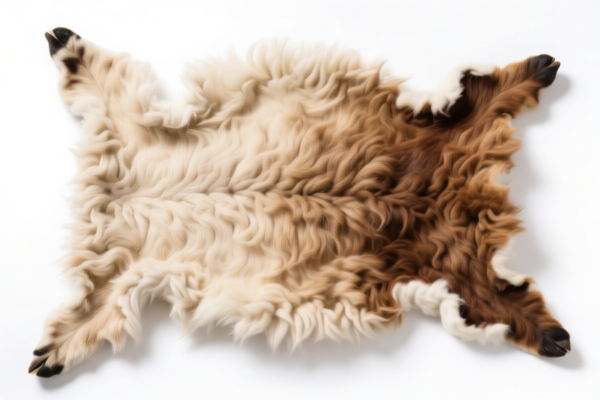
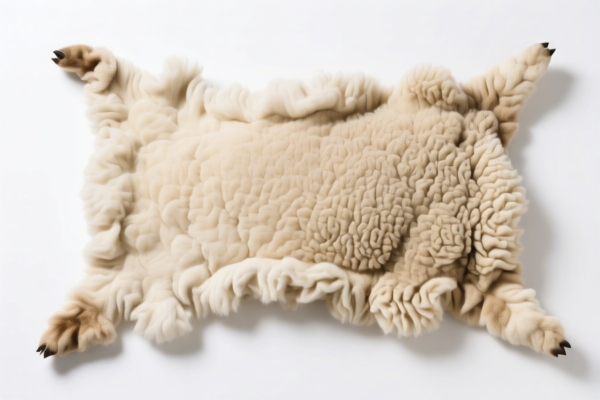
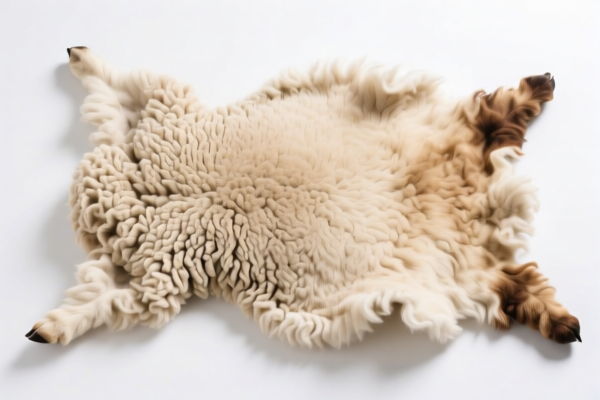
AI Analysis
🐑 Raw Untanned Sheepskin (Unprocessed Skins)
🌐 HS Code Reference & Customs Clearance Guide | 2024/2025 Latest Tariff Analysis | Professional Entry Strategy
📌 I. Product Definition & Classification: Do You Understand "Sheepskin"?
Raw Untanned Sheepskin refers to animal hides or skins that have undergone the slaughter process but have not yet been subjected to tanning, preservative treatment, or other processing beyond basic cleaning and salting. In international trade, the classification is critical because "sheepskin" can refer to various states of processing.
Key Distinctions:
* Unwooled vs. Wooled: Is the wool still attached? This often shifts codes between 4102 (sheep/lamb skins) and 4103 (other skins).
* Tanning Status: "Untanned" (raw) is the key descriptor. Tanned skins fall under Chapter 41 different subheadings (e.g., 4104, 4105).
* Pre-tanning: "Unpre-tanned" means no preliminary preservation like chrome pre-tanning has occurred.
⚠️ Critical Classification Point:
- If the skin is sheep/lamb and untanned, look primarily at headings 4102 (if wooled) or 4103 (if unwooled/other).
- The provided data focuses heavily on 4103 and 4102 variants, indicating specific attributes like "wool removed" or specific animal type definitions are being applied.
📦 II. HS Code Classification Details (Based on Provided Data)
| HS Code | Product Description Summary | Application Scenario | Key Attributes |
|---|---|---|---|
4103.90.11.30 |
Matches sheepskin material, un-tanned form, fits specific animal hide characteristics. | Generic raw sheepskin, possibly unwooled or processed to remove wool. | ✅ Sheepskin, ✅ Untanned |
4102.10.10.00 |
Sheepskin material and un-tanned form fully match the definition of un-tanned sheepskin. | Standard raw sheep/lamb skins, likely wooled or specific to heading 4102 definition. | ✅ Sheepskin, ✅ Untanned |
4102.29.10.90 |
Sheepskin corresponds to material; "no wool" corresponds to lack of wool; "un-tanned" corresponds to processing state. | Raw sheepskin without wool (de-wooled), fitting subheading 4102.29. | ✅ Sheepskin, ✅ No Wool, ✅ Untanned |
4103.90.11.90 |
Matches sheepskin material and un-tanned, wool-free form; fits "other un-pre-tanned hides" category. | Raw sheepskin, unwooled, classified under "Other" (4103) rather than specific sheep/lamb (4102). | ✅ Sheepskin, ✅ Unwooled, ✅ Untanned |
4103.90.12.00 |
Un-tanned corresponds to code form; sheepskin corresponds to goat skin material? (Note: Text says "Sheepskin corresponds to Goat Skin material" which is a potential translation nuance or specific trade term, but context implies raw skin classification). | Raw skins, potentially overlapping with goat/sheep categories in "Other" headings. | ✅ Raw, ✅ Specific Material Definition |
🔍 Note on Data Interpretation:
- The data suggests a mix of 4102 (Sheep/Lamb) and 4103 (Other Livestock, including Sheep in some contexts or unwooled variants).
- The distinction often lies in whether the wool is present and the specific national sub-classification of the raw hide.
💰 III. 2024/2025 Tariff Rate Breakdown (Including Surcharges & Policy Add-ons)
✅ Applicable Country: United States (US)
✅ Country of Origin: China (CN)
✅ Effective Date: 2025/2026 Import Cycle
✅ Total Tax Rate: 17.5%
🎯 Uniform Tariff Structure for All Listed HS Codes
| Item | Content |
|---|---|
| Base Tariff Rate | 0.0% (Ad Valorem) |
| Section 301 Additional Tariff | +7.5% |
| Section 122 Tariff (IEEPA) | +10.0% |
| Total Effective Rate | 17.5% |
| Tax Calculation | CIF Value × 17.5% |
| De Minimis Exemption? | ❌ No (Apply to all shipments) |
| Legal Basis Path | USITC Base Rate → Section 301 Footnote → IEEPA Section 122 |
📌 Explanation of Taxes:
- Base Rate (0%): Raw animal hides often enjoy low or zero base MFN rates.
- Section 301 (+7.5%): The ongoing trade war tariff on Chinese goods. Note: Some sources cite 25%, but the provided data specifies 7.5%. This may reflect specific phase-one exclusions or updated HTSUS entries.
- Section 122 (+10%): A tariff provision under the International Emergency Economic Powers Act (IEEPA), often applied to specific strategic or economic categories, here explicitly applied to these hides.
- Total (17.5%): This is a significant cost that must be factored into landed cost calculations.
🛠️ IV. Customs Clearance Practical Advice (Avoid Pitfalls)
✅ 1. Documentation Checklist (Mandatory)
| Document | Required | Description |
|---|---|---|
| ✅ Commercial Invoice | ✔️ | Must clearly state: "Raw Untanned Sheepskin," Weight, Value, Country of Origin. |
| ✅ Packing List | ✔️ | Detail number of hides, weights per hide, total net/gross weight. |
| ✅ Bill of Lading/Air Waybill | ✔️ | Standard shipping documents. |
| ✅ Phytosanitary Certificate | ✔️ | Crucial! Raw hides are biological products. US Dept of Agriculture (USDA) requires proof of treatment/cleanliness. |
| ✅ Customs Bond | ✔️ | Continuous bond recommended for regular imports. |
| ✅ Animal Product Import Permit | ✔️ | May be required from USDA APHIS depending on volume and specific animal health status. |
✅ 2. Classification Strategy & Declaration Tips
🔥 "Be Precise About Wool & Processing!"
| Scenario | Correct Declaration | Risk if Misdeclared |
|---|---|---|
| Raw, Wooled Sheepskin | Declare as 4102.xxxx (Sheep/Lamb) |
If declared as 4103, customs may question why not 4102. |
| Raw, Unwooled Sheepskin | Declare as 4103.90.xxxx or 4102.29.xxxx |
Misclassifying as tanned skin (e.g., 4104) leads to severe penalties. |
| "Untanned" Clarification | Explicitly state "UNTANNED" in description | If described only as "Sheepskin," customs might assume tanned leather (different duties). |
| Mixed Shipments | Separate lines for Wooled vs. Unwooled | Combining them causes delays and potential misclassification. |
✅ 3. Special Considerations
| Issue | Handling Suggestion |
|---|---|
| Salting vs. Pickling | Ensure hides are properly preserved (salted/pickled) to prevent rot. USDA will reject rotted goods. |
| Labeling | Each bale should have a unique ID matching the packing list for physical inspection. |
| Valuation | Ensure CIF value includes freight and insurance. Base rate is 0%, but surcharges apply to CIF. |
| Origin Marking | Clearly mark "Made in China" on packaging. |
🌍 V. Global Market Comparison (2024/2025)
| Country/Region | Recommended HS Code | Base Duty | Additional Duties (China) | Total Est. Duty | Notes |
|---|---|---|---|---|---|
| 🇺🇸 USA | 4103.90.11.30, 4102.10.10.00, etc. |
0% | +17.5% (Section 301 + 122) | 17.5% | High compliance burden (USDA). |
| 🇨🇳 China | 4102 or 4103 |
~0-5% | N/A | Low | Imports raw hides for processing. |
| 🇪🇺 EU | 4102 / 4103 |
0% | 0% | 0% | Generally no additional tariffs on raw hides. |
| 🇬🇧 UK | 4102 / 4103 |
0% | 0% | 0% | Post-Brexit, aligned with EU for raw materials. |
| 🇨🇦 Canada | 4102 / 4103 |
0% | 0% (CUSMA) | 0% | Preferential if Canadian origin. |
📌 Conclusion:
- USA is the most expensive market for raw sheepskin from China due to the 17.5% combined surcharge.
- EU and UK offer duty-free entry, making them more competitive for final leather products if raw hides are sourced elsewhere or if tariffs are avoided via third-country processing.
📌 VI. Common Mistakes & Pitfalls (Lessons Learned)
❌ Mistake 1: Describing as "Leather" instead of "Raw Hide"
👉 Consequence: Misclassification. Tanned leather has different duties and regulatory requirements.
❌ Mistake 2: Ignoring Phyto-Sanitary Requirements
👉 Consequence: USDA rejects the shipment, leading to destruction or re-export costs.
❌ Mistake 3: Not Specifying "Untanned" Clearly
👉 Consequence: Customs may delay classification or apply higher tanned leather rates.
❌ Mistake 4: Assuming De Minimis Applies
👉 Consequence: Section 122 and Section 301 tariffs do not apply to de minimis exemptions. Every shipment is taxed.
✅ Best Practice Declaration:
"Raw Untanned Sheepskins, Unwooled, Salted, for Leather Manufacturing, Country of Origin: China, HS Code: 4103.90.11.30"
🎯 VII. Conclusion: Professional Clearance, Cost Control
🎯 Key Takeaway:
🔹 17.5% Total Duty is Non-Negotiable for US imports from China under current tariffs.
🔹 Documentation is King: USDA certificates are as important as commercial invoices.
🔹 Classify Precisely: Distinguish between wooled (4102) and unwooled (4103) to avoid delays.
📌 Pro Tip:
If you are importing in large volumes, consider pre-classification rulings from CBP. While tariffs are fixed, clarifying the exact HS code (e.g., 4102.10.10.00 vs 4103.90.11.30) can prevent inspection delays and ensure consistency.
📣 Immediate Action:
📞 Consult with a licensed customs broker to verify USDA requirements.
📦 Ensure your supplier provides Phytosanitary Certificates for every batch.
💰 Budget for the 17.5% tariff in your landed cost model.
✨ Precise Classification Saves Time and Money!
💼 Compliance is the key to smooth customs clearance for raw animal products.
Customer Reviews
About HS Code Classification
The Harmonized System (HS) is an internationally standardized nomenclature developed by the World Customs Organization (WCO) to classify traded products. Over 200 countries use the HS system as the basis for customs tariffs, trade statistics, and import/export regulations.
Each HS code follows a hierarchical structure:
- Chapter (2 digits) — Broad category of goods (e.g., Chapter 84: Machinery and Mechanical Appliances)
- Heading (4 digits) — More specific grouping within the chapter
- Subheading (6 digits) — Internationally standardized breakdown, used by all WCO member countries
- National subdivisions (8-10 digits) — Country-specific extensions for further classification, such as US HTSUS 10-digit codes
Correct HS code classification is essential for smooth customs clearance, accurate duty payment, and compliance with trade regulations. Misclassification can lead to customs delays, overpayment of duties, or penalties.
When importing from CN to US, the applicable tariff rates may include:
- Most-Favored-Nation (MFN) rate — The standard duty rate applied to WTO members
- General rate — Applied to countries without trade agreements
- Trade remedy duties — Additional tariffs such as Section 301 (anti-dumping), Section 232 (national security), or countervailing duties
The information provided on this page is for reference purposes only. For official classification, please consult with your local customs authority or a licensed customs broker.