raw wood other
CN → US| HS Code | Tariff Rate | Origin | Destination | Doc |
|---|---|---|---|---|
| 4403260165 | 35.0% | CN | US | Official Doc |
| 4403490200 | 35.0% | CN | US | Official Doc |
| 4419909100 | 20.7% | CN | US | Official Doc |
| 4419199000 | 13.2% | CN | US | Official Doc |
| 4421999880 | 38.3% | CN | US | Official Doc |
Product Images
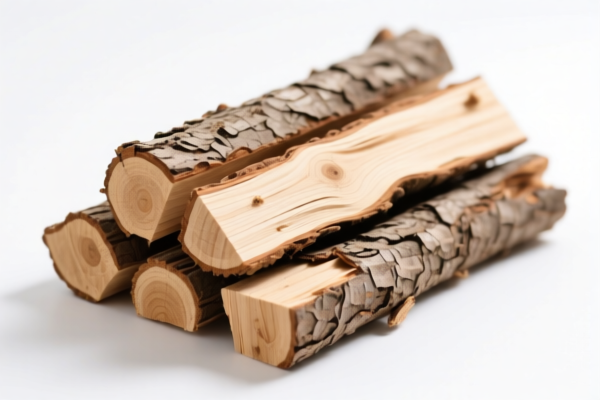
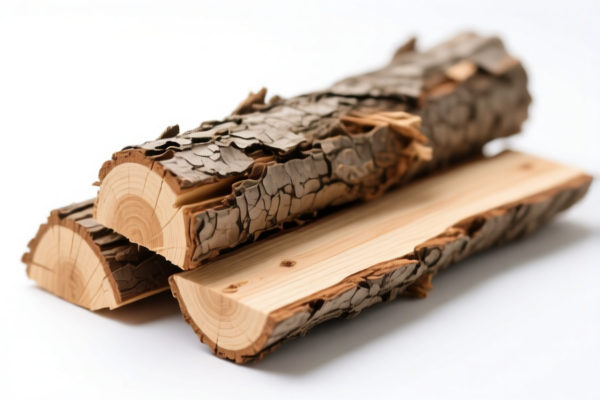
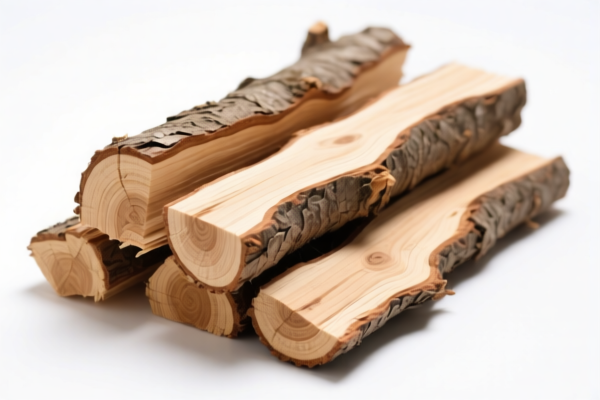
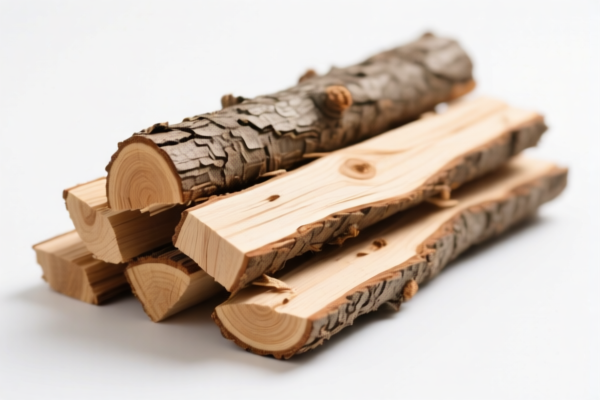
AI Analysis
🌲 Raw Wood "Other" (Unprocessed Timber)
🌐 HS Code Reference & Customs Clearance Guide | 2026 Tariff Analysis | Professional Strategy for "Other" Raw Wood
📌 I. Product Definition: What is "Raw Wood Other"?
In international trade, "Raw Wood Other" (often referred to as Sawn timber or semi-sawn timber, other) typically refers to wood that has been roughly shaped (sawn, halved, or split) but has not undergone significant processing (like planing, tonguing, or veneer slicing). It is the fundamental raw material for furniture, construction, and paper industries.
⚠️ Key Distinction:
- "Other" usually implies a catch-all category for wood types that do not fit specific sub-categories like softwood (coniferous) or hardwood (non-coniferous) detailed elsewhere, OR it refers to specific hardwoods not listed individually in earlier subheadings (e.g., Chapter 44, Heading 44.03 or 44.07). - "Raw/Unprocessed": Must be in its rough state. If peeled, planed, or treated with chemicals, the classification changes drastically (e.g., to veneers or treated wood).
📦 II. HS Code Classification Details (Based on Provided Data)
The following HS Codes are derived from the provided dataset, covering various interpretations of "Raw Wood Other" (including coniferous, non-coniferous, and finished wood products that might be confused with raw wood).
| HS Code | Product Description | Source Summary | Tax Category Match |
|---|---|---|---|
| 4403.26.01.65 | Raw Wood (Other) - Coniferous/Other | Classified as 4403.26.01.65; matches wood material and rough state; corresponds to "other coniferous wood" and "other fallback categories". | High Tariff |
| 4403.49.02.00 | Raw Wood (Other) - Non-Coniferous/Other | Classified as 4403.49.02.00; matches rough wood material form and "other" categories. | High Tariff |
| 4419.90.91.00 | Other Wood Articles (Misc.) | Classified as 4419.90.91.00; matches wood material and "other" semantics. | Medium Tariff |
| 4419.19.90.00 | Other Wood Articles (Kitchen/Tableware) | Classified as 4419.19.90.00; matches wood material and "other" categories. | Lower Tariff |
| 4421.99.98.80 | Other Wood Articles (Miscellaneous) | Classified as 4421.99.98.80; fully matches "other wood articles" material and category definition. | Very High Tariff |
🔍 Critical Note:
- 4403.xxxx codes refer to Wood in the Rough (Logs, Rounds, Roughly Squared). This is the core "Raw Wood" category. - 4419 & 4421 codes refer to Finished or Semi-Finished Wood Articles (Tableware, Household Items, Other).
- ⚠️ Do NOT misclassify processed wood items (like chopsticks or furniture parts) as "Raw Wood" (4403). Doing so will lead to severe penalties due to tariff discrepancies.
💰 III. 2026 Latest Tariff Rate Breakdown (Detailed Tax Clauses)
✅ Applicable Country: United States (US)
✅ Origin: China (CN) (Implied by "122 Clause" and "Add-on Tariff" structure typical of US-China trade)
✅ Effective Date: 2025–2026 Trade Policy Period
🎯 1. 4403.26.01.65 & 4403.49.02.00 —— Raw Wood (Other)
These codes represent the core "Raw Wood" classification. The tax burden is exceptionally high due to trade restrictions.
| Item | Details |
|---|---|
| Base Tariff | 0.0% (Most Favored Nation Rate for raw timber) |
| Section 301 Add-on Tariff | +25.0% (Under USITC Footnote / Section 301 List) |
| Section 122 Tariff | +10.0% (Specific trade remedy clause) |
| Total Effective Rate | 35.0% |
| Calculation Basis | CIF Value (Cost, Insurance, Freight) × 35% |
| De Minimis Exemption | ❌ NOT Eligible (Deny De Minimis) |
| Legal Path | USITC:4403.xxxx → SECTION301:Footnote9903.xxxx → SECTION122:9903.xx |
📌 Explanation:
- 0% Base: The US generally imposes no duty on raw logs/timber to support domestic manufacturing.
- 25% Add-on: Part of the Trump/Biden era trade war tariffs on Chinese wood products.
- 10% Section 122: Often applied to strategic materials or specific trade imbalances.
- Total 35%: This is a very high barrier. Importers must factor this into landed cost calculations.
🎯 2. 4419.90.91.00 —— Other Wood Articles (Non-Kitchen)
| Item | Details |
|---|---|
| Base Tariff | 3.2% |
| Section 301 Add-on Tariff | +7.5% |
| Section 122 Tariff | +10.0% |
| Total Effective Rate | 20.7% |
| Calculation Basis | CIF Value × 20.7% |
| De Minimis Exemption | ❌ NOT Eligible |
| Legal Path | USITC:4419.90.91.00 → SECTION301:7.5% → SECTION122:10% |
📌 Explanation:
- Slightly lower than raw wood because these are considered "manufactured goods" rather than raw resources.
- Still heavily taxed due to "Other" classification in Section 301.
🎯 3. 4419.19.90.00 —— Wood Tableware/Kitchenware
| Item | Details |
|---|---|
| Base Tariff | 3.2% |
| Section 301 Add-on Tariff | 0.0% |
| Section 122 Tariff | +10.0% |
| Total Effective Rate | 13.2% |
| Calculation Basis | CIF Value × 13.2% |
| De Minimis Exemption | ❌ NOT Eligible |
| Legal Path | USITC:4419.19.90.00 → SECTION122:10% |
📌 Explanation:
- Lowest Risk Option: No Section 301 tariff!
- If your "raw wood" is actually finished tableware (e.g., bamboo cutting boards, wooden spoons), this is the optimal HS Code.
🎯 4. 4421.99.98.80 —— Other Wood Articles (Miscellaneous)
| Item | Details |
|---|---|
| Base Tariff | 3.3% |
| Section 301 Add-on Tariff | +25.0% |
| Section 122 Tariff | +10.0% |
| Total Effective Rate | 38.3% |
| Calculation Basis | CIF Value × 38.3% |
| De Minimis Exemption | ❌ NOT Eligible |
| Legal Path | USITC:4421.99.98.80 → SECTION301:25% → SECTION122:10% |
📌 Explanation:
- Highest Cost: This is the most expensive classification. Avoid unless necessary.
🛠️ IV. Customs Clearance Practical Advice (Real-World Pitfall Guide)
✅ 1. Preparation Checklist (Essential Documents)
| Document | Required? | Purpose |
|---|---|---|
| ✅ Species Declaration | ✔️ Must | Must specify botanical name (e.g., Pinus sylvestris, Quercus robur). "Raw wood" is too vague. |
| ✅ Fumigation Certificate | ✔️ Must | ISPM 15 compliant fumigation for all wood packaging and raw wood imports. |
| ✅ Packing List | ✔️ Must | Detailed weight, dimensions, and number of pieces. |
| ✅ Commercial Invoice | ✔️ Must | Clearly state "Roughly Sawn Timber" or "Wood Article" based on actual product. |
| ✅ Phytosanitary Certificate | ✔️ Must | From country of origin, certifying no pests. |
| ✅ Bill of Lading (B/L) | ✔️ Must | Ensure description matches invoice exactly. |
✅ 2. Declaration Strategy (Key Rules)
🔥 "Be Precise or Pay Double!"
| Scenario | Correct Declaration | Wrong Declaration | Consequence |
|---|---|---|---|
| Unprocessed Logs/Rough Sawn Timber | 4403.26.01.65 or 4403.49.02.00 |
"Wood Products" | 🚫 Rejection or Misclassification Penalty |
| Bamboo Cutting Boards | 4419.19.90.00 |
"Raw Wood" | 💸 Overpaid Tax (35% vs 13.2%) |
| Furniture Parts | 4421.99.98.80 |
"Raw Wood" | 💸 Overpaid Tax (38.3% vs 35%) |
| Treated Wood (Chemical) | Different Code (e.g., 44.03.20) | "Raw Wood" | 🚫 Severe Penalty (Wrong HS Code) |
✅ 3. Special Handling Tips
| Situation | Advice |
|---|---|
| Mixed Containers | If a container has both raw wood and finished wood articles, declare separately. Do not lump them into one HS Code. |
| Fumigation Failure | If ISPM 15 stamp is missing, goods may be re-exported or destroyed. Ensure treatment provider is accredited. |
| "Other" Ambiguity | If the wood type is not a standard softwood/hardwood, provide a detailed technical description to CBP (Customs and Border Protection) for a Pre-Ruling. |
| Section 122 Impact | Check if the specific wood product is on the latest Section 122 list. Rates change frequently. |
🌍 V. Global Market Comparison (2026 Overview)
| Region | Recommended HS Code | Est. Tariff | Notes |
|---|---|---|---|
| 🇺🇸 USA | 4403.26.01.65 / 4403.49.02.00 |
35.0% | High barrier. Requires strict phytosanitary checks. |
| 🇨🇳 China | 44.03 |
5–10% | Low import duty for raw wood. |
| 🇪🇺 EU | 44.03 |
0% (with EUTR) | EUTR (EU Timber Regulation) compliance is critical. Illegal logging risk = High. |
| 🇯🇵 Japan | 44.03 |
2–5% | Strict Fumigation requirements. |
📌 Conclusion:
- The US market is the most expensive for "Raw Wood Other" due to the 35% total tariff.
- Value-added products (like tableware4419.19.90.00) have significantly lower tariffs (13.2%).
- Consider reshaping or processing wood domestically in a third country (e.g., Vietnam, Mexico) to avoid Section 301/122 tariffs, if legal origin rules allow.
📌 VI. Common Mistakes & Pitfalls (Lessons Learned)
❌ Mistake 1: Declaring "Wood" without specifying species or processing level.
👉 Result: CBP asks for clarification → Delays of 2–4 weeks.
❌ Mistake 2: Using "Other" (4403/4421) for clearly defined items (e.g., standard pine planks).
👉 Result: Audit risk. CBP may reassess based on more specific codes with different duty rates.
❌ Mistake 3: Ignoring Section 122.
👉 Result: Underpayment of tax. Section 122 tariffs are applied on top of Section 301. Failure to pay = Penalties.
❌ Mistake 4: Assuming "Raw Wood" gets 0% duty.
👉 Result: Surprising 35% bill at customs. Base duty is 0%, but add-ons are 35%.
✅ Correct Approach:
"Be Specific: Botanical Name + Process Level + Exact HS Code. Always Verify Section 301 & 122 Applicability."
🎯 VII. Final Strategy: Optimize Your Landed Cost
🎯 Key Takeaway:
🔹 Raw Wood (4403): High Tax (35%). Hard to avoid if importing directly.
🔹 Finished Wood Articles (4419): Lower Tax (13.2%). Better margin if feasible.
🔹 De Minimis?: NO. Small shipments are NOT exempt.
📣 Immediate Action Plan:
1. Confirm HS Code: Match your exact product to 4403, 4419, or 4421.
2. Calculate Landed Cost: Include 35% (for raw) or 13.2% (for tableware) + Freight + Insurance.
3. Secure Fumigation: Get ISPM 15 certificate from origin.
4. Apply for Pre-Ruling: If unsure about "Other" classification, request a CBP Pre-Ruling.
✨ Professional Clearance Starts with Accurate Classification!
💼 Every percent of tariff matters. Don't leave money on the table!
Customer Reviews
About HS Code Classification
The Harmonized System (HS) is an internationally standardized nomenclature developed by the World Customs Organization (WCO) to classify traded products. Over 200 countries use the HS system as the basis for customs tariffs, trade statistics, and import/export regulations.
Each HS code follows a hierarchical structure:
- Chapter (2 digits) — Broad category of goods (e.g., Chapter 84: Machinery and Mechanical Appliances)
- Heading (4 digits) — More specific grouping within the chapter
- Subheading (6 digits) — Internationally standardized breakdown, used by all WCO member countries
- National subdivisions (8-10 digits) — Country-specific extensions for further classification, such as US HTSUS 10-digit codes
Correct HS code classification is essential for smooth customs clearance, accurate duty payment, and compliance with trade regulations. Misclassification can lead to customs delays, overpayment of duties, or penalties.
When importing from CN to US, the applicable tariff rates may include:
- Most-Favored-Nation (MFN) rate — The standard duty rate applied to WTO members
- General rate — Applied to countries without trade agreements
- Trade remedy duties — Additional tariffs such as Section 301 (anti-dumping), Section 232 (national security), or countervailing duties
The information provided on this page is for reference purposes only. For official classification, please consult with your local customs authority or a licensed customs broker.