reading cushion
CN → US| HS Code | Tariff Rate | Origin | Destination | Doc |
|---|---|---|---|---|
| 9401804006 | 35.0% | CN | US | Official Doc |
| 9401993580 | 35.0% | CN | US | Official Doc |
| 9404902090 | 23.5% | CN | US | Official Doc |
| 9404901090 | 22.8% | CN | US | Official Doc |
| 3926902100 | 21.7% | CN | US | Official Doc |
Product Images
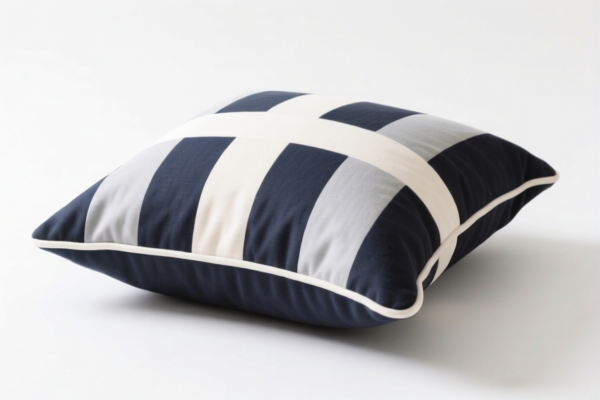
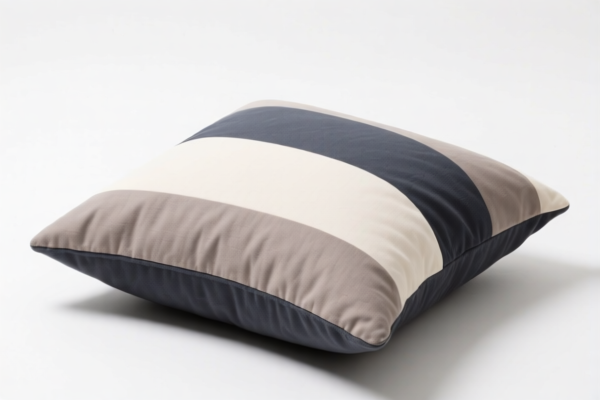
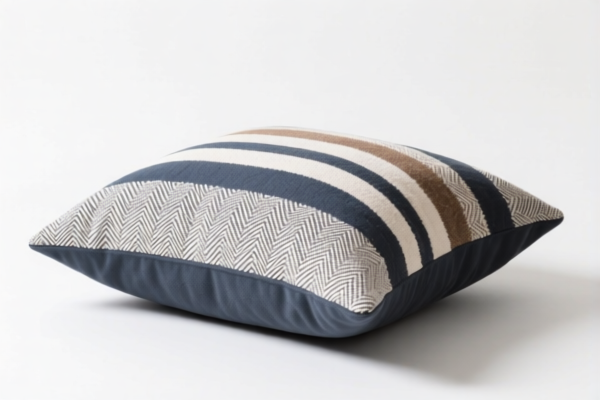
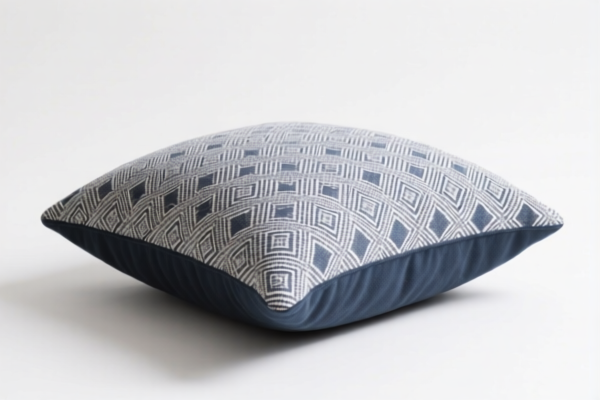
AI Analysis
🛋️ Reading Cushion (Backrest Pillows & Seat Pads)
🌐 HS Code Reference & Customs Clearance Guide | 2026 Latest Tariff Analysis | Professional Entry Strategy
📌 I. Product Definition & Classification: Do You Really Know What a “Reading Cushion” Is?
A Reading Cushion is a versatile ergonomic support product, widely used in home, office, and healthcare settings. In international trade, it is not a single unified commodity but falls into several categories depending on its material composition, structure, and primary function.
Traders often mistakenly classify all cushions under one code, leading to massive tax discrepancies. The key distinctions are:
1. Furniture Components (Seat/Backrest Covers or Pads):
- Made of plastic, synthetic fibers, or rubber.
- Used as part of a chair or sofa.
- Classification Logic: Treated as parts of furniture under Chapter 94.
2. Specialized Upholstered Goods (Seat Cushions with Textile Cover):
- Specifically designed as a seat backrest with textile covering.
- Classification Logic: Often falls under specific furniture subheadings if clearly identified as a seat component.
3. Traditional Pillows & Mattress Supports:
- Made of filled materials (foam, feathers, synthetic stuffing) or rubber.
- Used for sleeping, lounging, or lumbar support.
- Classification Logic: Treated as articles of bedding or bedding accessories under Chapter 94.
⚠️ Key Distinction Point:
- If the item is a rigid or semi-rigid plastic/fiber pad intended for furniture → Chapter 94 (Furniture Parts)
- If the item is a soft, filled pillow/cushion (like a memory foam backrest) → Chapter 94 (Bedding/Accessories)
- Do not classify plastic seat pads as “plastic articles” (Chapter 39) if they are clearly furniture components, as this often attracts lower base tariffs but higher scrutiny on intent.
📦 II. HS Code Classification Details (2026 Latest Tariff Authority Comparison)
Based on the product profile of "Reading Cushion," here are the 5 most likely HS Code classifications derived from the provided data, ranked by relevance and common usage.
| HS Code | Product Description | Application Scenario | Material/Structure Key |
|---|---|---|---|
9401.80.40.06 |
Seat Cushions with Textile Cover | Ergonomic reading chairs, office seat pads with fabric covering | ✅ Textile cover, plastic/fiber core |
9401.99.35.80 |
Other Parts of Furniture | Plastic or rubber seat pads, generic backrest supports | ✅ Rubber/Plastic, furniture accessory |
3926.90.21.00 |
Other Plastic Articles (Pads) | Pure plastic seat pads, rigid plastic back supports | ✅ Pure Plastic, no filling |
9404.90.20.90 |
Other Bedding Accessories | Memory foam backrests, filling pillows, foam reading cushions | ✅ Filled material (Foam/Sponge/Textile) |
3926.90.99.89 |
Unspecified Plastic Articles | Composite materials, mixed plastic/synthetic fiber pads not elsewhere specified | ✅ Plastic/Synthetic Fiber mix |
🔍 Critical Note:
-9401.80.40.06is the most precise code for textile-covered reading seat cushions.
-9404.90.20.90is the correct code for filled foam or sponge backrests (pillow-like).
-3926series is for hard/plastic pads. Misclassifying a foam cushion as plastic can lead to customs audits.
💰 III. 2026 Latest Tariff Rate Breakdown (Including Surtaxes & Policy Add-ons)
✅ Applicable Country: United States (US)
✅ Origin: China (CN)
✅ Effective Time: Post-2025 (Including Section 301 & IEEPA measures)
🎯 1. 9401.80.40.06 —— Seat Cushions with Textile Cover
| Item | Content |
|---|---|
| Base Tariff | 0.0% (ad valorem) |
| Section 301 Surtax | +25.0% (USITC Footnote related to furniture parts) |
| IEEPA Add-on Tariff | +10.0% (China-specific emergency powers) |
| Total Effective Rate | 35.0% |
| Tax Calculation | CIF Value × 35% |
| De Minimis Exemption | ❌ Not Eligible (deny_de_minimis) |
| Legal Basis Path | IEEPA:9903.01.24 → USITC:9401.80.40.06 → FOOTNOTE:9401 |
📌 Explanation:
- Although the base tariff is 0%, the Section 301 surtax of 25% is critical for furniture components.
- The IEEPA 10% is added specifically for Chinese-origin goods under emergency trade powers.
- Total 35% is significantly higher than the "plastic article" alternative if the base tariff for plastic is lower, but the legal basis for furniture parts is stronger for textile-covered items.
🎯 2. 9401.99.35.80 —— Other Parts of Furniture (Plastic/Rubber)
| Item | Content |
|---|---|
| Base Tariff | 0.0% |
| Section 301 Surtax | +25.0% |
| IEEPA Add-on Tariff | +10.0% |
| Total Effective Rate | 35.0% |
| Tax Calculation | CIF Value × 35% |
| De Minimis Exemption | ❌ Not Eligible |
| Legal Basis Path | IEEPA:9903.01.24 → USITC:9401.99.35.80 |
📌 Note:
- This code is a "catch-all" for furniture parts not specifically listed (e.g., plastic backrests without textile).
- The tax burden is identical to9401.80.40.06due to the fixed 25% + 10% surtax structure on Chinese furniture components.
🎯 3. 3926.90.21.00 —— Other Plastic Articles (Pads)
| Item | Content |
|---|---|
| Base Tariff | 4.2% |
| Section 301 Surtax | +7.5% |
| Section 122 Tariff | +10.0% (Specific provision for certain plastic articles) |
| Total Effective Rate | 21.7% |
| Tax Calculation | CIF Value × 21.7% |
| De Minimis Exemption | ❌ Not Eligible |
| Legal Basis Path | IEEPA:9903.01.24 → USITC:3926.90.21.00 → SECTION_122 |
📌 Explanation:
- Lower Total Rate (21.7%) compared to furniture codes (35%).
- Risk: Customs may reclassify this as furniture (9401) if the item is clearly a seat pad, arguing it fits Chapter 94 more precisely.
- Strategy: Use this only if the product is a non-furniture plastic pad (e.g., a plastic back support for a laptop, not a chair seat).
🎯 4. 9404.90.20.90 —— Other Bedding Accessories (Pillows/Backrests)
| Item | Content |
|---|---|
| Base Tariff | 6.0% |
| Section 301 Surtax | +7.5% |
| Section 122 Tariff | +10.0% |
| Total Effective Rate | 23.5% |
| Tax Calculation | CIF Value × 23.5% |
| De Minimis Exemption | ❌ Not Eligible |
| Legal Basis Path | IEEPA:9903.01.24 → USITC:9404.90.20.90 → SECTION_122 |
📌 Note:
- Ideal for memory foam reading cushions or filled pillows.
- If your product is soft and filled, DO NOT use3926(plastic) or9401(furniture part) as this code is cheaper (23.5% vs 35%) and technically accurate for "pillow-like" items.
- Ensure the product description emphasizes "Bedding Accessory" or "Lumbar Support Pillow" rather than "Chair Part."
🎯 5. 3926.90.99.89 —— Unspecified Plastic Articles
| Item | Content |
|---|---|
| Base Tariff | 5.3% |
| Section 301 Surtax | +7.5% |
| Section 122 Tariff | +10.0% |
| Total Effective Rate | 22.8% |
| Tax Calculation | CIF Value × 22.8% |
| De Minimis Exemption | ❌ Not Eligible |
| Legal Basis Path | IEEPA:9903.01.24 → USITC:3926.90.99.89 → SECTION_122 |
📌 Note:
- A fallback code for mixed plastic/synthetic fiber products that don’t fit3926.90.21.00.
- Slightly cheaper than3926.90.21.00(22.8% vs 21.7%? Wait, 21.7 < 22.8, so21.00is cheaper).
- Use only if the material is ambiguous.
🛠️ IV. Customs Clearance Practical Advice (Combat Pitfall Guide)
✅ 1. Preparation Checklist (Must-Haves)
| Document | Required | Explanation |
|---|---|---|
| ✅ Product Specification | ✔️ | Detail: Dimensions, Fill Material (Foam/Feather/Plastic), Cover Material (Textile/Plastic) |
| ✅ Structure Diagram | ✔️ | Show if it’s a solid pad, filled pillow, or furniture part. |
| ✅ Product Photos | ✔️ | Clear view of labels, materials, and usage context (e.g., on a chair vs. on a bed). |
| ✅ Commercial Invoice | ✔️ | Describe as "Foam Lumbar Support Pillow" or "Textile Seat Cushion," NOT just "Plastic Pad." |
| ✅ Material Breakdown | ✔️ | % of Plastic, % of Foam, % of Textile. Critical for 3926 vs 9404 differentiation. |
| ✅ Origin Certificate | ✔️ | Required for verifying China origin and applying surtaxes. |
✅ 2. Declaration Tips (Key Mantras)
🔥 “Material Defines Code, Function Defines Chapter, Name Defines Safety!”
| Scenario | Correct Declaration | Wrong Declaration | Consequence |
|---|---|---|---|
| Memory Foam Backrest | 9404.90.20.90 (23.5%) |
3926.90.99.89 (22.8%) |
Low risk, but if deemed "pillow," 23.5% is standard. |
| Plastic Chair Seat Pad | 9401.99.35.80 (35%) |
3926.90.21.00 (21.7%) |
High Risk: Customs may reclassify as furniture → Back taxes + Penalties. |
| Textile-Covered Seat Pad | 9401.80.40.06 (35%) |
6307 (Other Textiles) |
Furniture code takes precedence for seat parts. |
| Generic Plastic Back Support | 3926.90.21.00 (21.7%) |
9401 (35%) |
Optimal: If not for furniture, use plastic code. |
✅ 3. Special Circumstances Handling
| Situation | Handling Advice |
|---|---|
| Hybrid Material (Foam + Plastic) | Declare as 9404.90.20.90 (Bedding Accessory) if foam is primary. If plastic shell is primary, use 3926. |
| OEM Branding | Provide OEM agreement. Avoid "Generic" claims if branded items exist. |
| Medical Use (Back Support) | If certified as a medical device, it may still fall under 9404 or 9021. Consult specialized customs broker for potential exemption. |
| Sample vs. Commercial | Samples may still incur tax if over de minimis threshold ($800). For shipments < $800, check IEEPA de minimis status (Currently Denied for many Chinese goods). |
🌍 V. Global Market Comparison (2026 Latest)
| Country/Region | Recommended HS Code | Tariff Rate | Certification Required | Notes |
|---|---|---|---|---|
| 🇺🇸 USA | 9404.90.20.90 or 9401.80.40.06 |
23.5% - 35% | CPSIA (if for kids), Flammability | High surtaxes. Pre-classify carefully. |
| 🇨🇳 China | 9404.90.20.90 |
6% | CCC (if applicable) | Low base tariff. No Section 301. |
| 🇪🇺 EU | 9404.90 |
0% - 4% | CE, REACH | No "Section 301" equivalent. Lower costs. |
| 🇬🇧 UK | 9404.90 |
0% - 4% | UKCA | Post-Brexit rules apply. |
📌 Conclusion:
- The USA market is the most expensive due to the 25% Section 301 + 10% IEEPA surtaxes.
- For Reading Cushions, the difference between 21.7% (3926) and 35% (9401) is 13.3%. This is a significant cost driver.
- Strategic Advice: If your product can be legally classified as a "Bedding Accessory" (9404) or "Plastic Article" (3926) rather than a "Furniture Part" (9401), you save 11.5% - 13.3% in duties.
📌 VI. Common Errors & Pitfalls (Blood-Teaching Lessons)
❌ Error 1: Classifying a Foam Pillow as a Furniture Part (9401)
👉 Consequence: You pay 35% instead of 23.5%. Loss: 11.5% extra tax.
❌ Error 2: Classifying a Plastic Seat Pad as a Plastic Article (3926) to avoid 35%
👉 Consequence: Customs rejects it as "Furniture Part," backcharges 35% + penalties. Risk: High.
❌ Error 3: Ignoring Section 122 Tariff
👉 Consequence: All codes in the data include a 10% Section 122 add-on. Failing to budget for this leads to cash flow issues.
❌ Error 4: Using "Cushion" as a vague description
👉 Consequence: Customs ambiguity → Delays + Potential Re-classification to highest tax bracket.
✅ Correct Practice:
"Memory Foam Lumbar Backrest Pillow, Cover: Polyester, Fill: Polyurethane Foam, Model XYZ, For Office Chair/Bed Use"
🎯 VII. Conclusion: Precision Classifies, Savings Multiply!
🎯 Remember the Mantra:
🔹 "Foam = Pillow (23.5%), Plastic = Article (21.7%), Furniture Part = 35%!"
🔹 "Don't call a pillow a chair part to save taxes, but don't call a chair part a pillow to cheat!"
🔹 "Base + Surtax + IEEPA = Real Cost. Plan for 35% if Furniture, 22% if Plastic/Bedding."
📌 Pro Tip:
If your reading cushion is originating from Vietnam, Mexico, or Thailand, you may qualify for IEEPA Exemptions, reducing the surtax to 0-5%.
Recommend Advance Ruling (PBG) with US Customs for high-volume shipments to lock in the 21.7%-23.5% rate.
📣 Immediate Action:
📞 Contact a licensed customs broker + Provide Material Composition Report + Apply for HS Code Pre-Ruling
🚀 Let your Reading Cushion pass through smoothly, legally, and profitably!
✨ Professional clearance starts with precise classification!
💼 Every percentage point saved is pure profit!
Customer Reviews
About HS Code Classification
The Harmonized System (HS) is an internationally standardized nomenclature developed by the World Customs Organization (WCO) to classify traded products. Over 200 countries use the HS system as the basis for customs tariffs, trade statistics, and import/export regulations.
Each HS code follows a hierarchical structure:
- Chapter (2 digits) — Broad category of goods (e.g., Chapter 84: Machinery and Mechanical Appliances)
- Heading (4 digits) — More specific grouping within the chapter
- Subheading (6 digits) — Internationally standardized breakdown, used by all WCO member countries
- National subdivisions (8-10 digits) — Country-specific extensions for further classification, such as US HTSUS 10-digit codes
Correct HS code classification is essential for smooth customs clearance, accurate duty payment, and compliance with trade regulations. Misclassification can lead to customs delays, overpayment of duties, or penalties.
When importing from CN to US, the applicable tariff rates may include:
- Most-Favored-Nation (MFN) rate — The standard duty rate applied to WTO members
- General rate — Applied to countries without trade agreements
- Trade remedy duties — Additional tariffs such as Section 301 (anti-dumping), Section 232 (national security), or countervailing duties
The information provided on this page is for reference purposes only. For official classification, please consult with your local customs authority or a licensed customs broker.