rearview camera
CN → US| HS Code | Tariff Rate | Origin | Destination | Doc |
|---|---|---|---|---|
| 8526910040 | 35.0% | CN | US | Official Doc |
| 8512204080 | 37.5% | CN | US | Official Doc |
| 8543709860 | 37.6% | CN | US | Official Doc |
| 8543706000 | 35.0% | CN | US | Official Doc |
| 8526100040 | 35.0% | CN | US | Official Doc |
Product Images
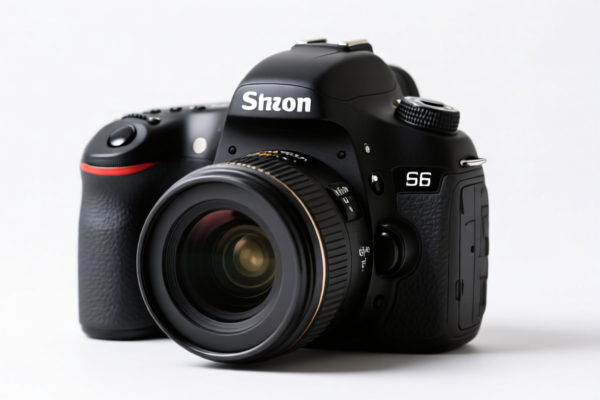
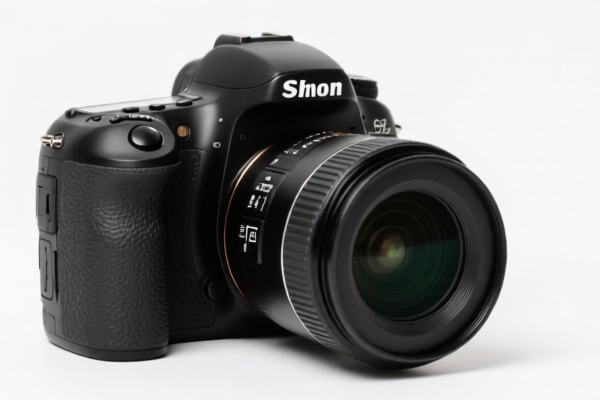
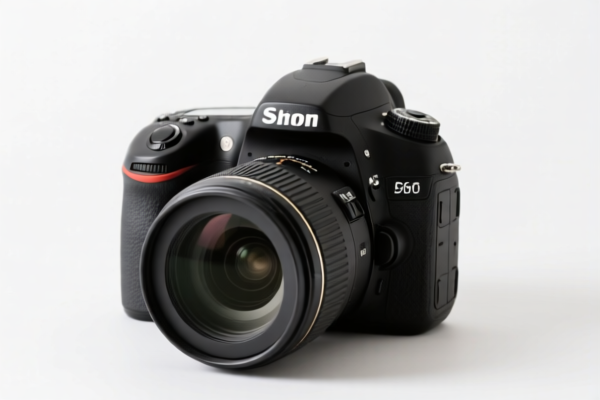
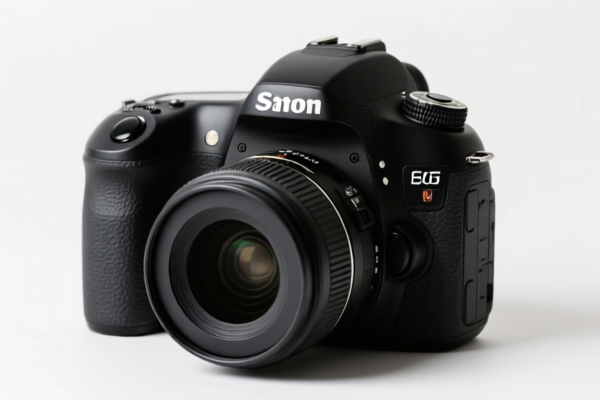
AI Analysis
📷 Rearview Camera (Electronic Imaging Systems for Vehicles)
🌐 HS Code Reference & Customs Clearance Guide | 2026 Latest Tariff Analysis | Professional-Level Clearance Strategy
📌 I. Product Definition & Classification: Do You Really Understand "Rearview Cameras"?
A Rearview Camera is a critical safety component in modern automotive systems, often referred to as a "reverse parking aid system." In international trade, these devices are not simply "cameras"; they are complex electronic assemblies involving imaging sensors, signal processing, and transmission modules. Their classification depends heavily on their primary function and technical architecture:
- Pure Imaging/Video Signal Devices: If the device is primarily for providing a visual image to the driver (e.g., LCD screen or just the camera unit outputting video), it may fall under Chapter 85 (Electrical Machinery) or Chapter 90 (Optical/Medical).
- Radio Navigation/Aid Devices: If the system is integrated with radar, ultrasonic sensors, or specific navigation logic, it may be classified as a Radio Navigation Aid.
- Specialized Electronic Machines: If it has an independent function beyond simple video transmission (e.g., object detection algorithms, independent processing unit), it might be classified under 8543 (Other Electrical Machines).
⚠️ Key Distinction Point: - If it is a standalone camera outputting video for display → Likely 8512 (Visual Signaling Equipment) or 8526 (Radio Navigation/Aids). - If it is a system with processing/detection logic (e.g., blind-spot detection + rear view) → Likely 8543 (Other Electrical Machines) or 8526 (Radar/Navigation). - Do not classify as a general consumer camera (Chapter 85 or 90) if it is designed specifically for automotive assistance.
📦 II. HS Code Classification Details (2026 Latest Tariff Authority Comparison)
| HS Code | Product Description | Applicable Scenario | Tax Rate (Total) | Tax Detail Breakdown |
|---|---|---|---|---|
8526.91.00.40 |
Imaging Rear View Display/Aid System | Systems classified as Radio Navigation Aids. Often used when the camera is part of a broader navigation or safety network. | 35.0% | Base Tariff: 0.0% Additional Tariff: 25.0% Section 122 Tariff: 10% |
8512.20.40.80 |
Vehicle Auxiliary Visual Equipment | Fits the definition of Visual Signaling Equipment. Standard rearview cameras that primarily provide visual signals to the driver. | 37.5% | Base Tariff: 2.5% Additional Tariff: 25.0% Section 122 Tariff: 10% |
8543.70.98.60 |
Independent Functional Electronic Detection Device | Devices with independent functions that do not fit strictly into navigation or signaling categories. E.g., advanced AI-driven parking aids. | 37.6% | Base Tariff: 2.6% Additional Tariff: 25.0% Section 122 Tariff: 10% |
8543.70.60.00 |
Electronic Detection Device | Designed to connect to vehicle electronic networks or sensor systems. Focuses on the detection/communication aspect rather than pure video. | 35.0% | Base Tariff: 0.0% Additional Tariff: 25.0% Section 122 Tariff: 10% |
8526.10.00.40 |
Radar Device | If the "camera" system is actually a Radar-based parking aid (often integrated with cameras but primarily radar-driven). | 35.0% | Base Tariff: 0.0% Additional Tariff: 25.0% Section 122 Tariff: 10% |
🔍 Critical Reminder: - 8512 vs. 8526: The key difference is whether the device is considered a "visual signaling equipment" (8512) or a "radio navigation aid" (8526). If it’s a simple camera, 8512.20.40.80 is often the most accurate, but 8526.91.00.40 is competitive if the system has navigation/safety integration. - 8543 Usage: Use 8543.70.60.00 or 8543.70.98.60 only if the device has significant independent processing power or detection logic that doesn’t fit neatly into 8512/8526. The tax rates are similar, but the legal basis differs. - Radar Distinction: If the system uses radar waves for distance measurement (even if it displays video), 8526.10.00.40 may apply.
💰 III. 2026 Latest Tariff Rate Details (Including Additional Taxes & Policy Surcharge)
✅ Applicable Country: United States (US)
✅ Origin: China (CN)
✅ Effective Date: November 10, 2025 onwards (including subsequent imports)
🎯 1. 8526.91.00.40 – Imaging Rear View Display/Aid System (Radio Navigation Aid)
| Item | Content |
|---|---|
| Base Tariff | 0% (ad valorem) |
| Section 301 Additional Tariff | +25.0% |
| Section 122 Tariff | +10.0% |
| Total Tariff Rate | 35.0% |
| Tax Calculation | CIF Value × 35% |
| De Minimis Eligibility | ❌ No (deny_de_minimis) |
| Legal Basis Path | Section 301 → Section 122 → USITC:8526.91.00.40 |
📌 Explanation: - The 0% base tariff reflects the duty-free status of certain electronic components or aids under normal trade. - The 25% Section 301 tariff is the standard additional duty on Chinese goods in this category. - The 10% Section 122 tariff is a specific surcharge applied to certain electronic imports. - Total 35% is a moderate-to-high rate. Proper documentation proving "navigation aid" status is crucial.
🎯 2. 8512.20.40.80 – Vehicle Auxiliary Visual Equipment (Visual Signaling)
| Item | Content |
|---|---|
| Base Tariff | 2.5% |
| Section 301 Additional Tariff | +25.0% |
| Section 122 Tariff | +10.0% |
| Total Tariff Rate | 37.5% |
| Tax Calculation | CIF Value × 37.5% |
| De Minimis Eligibility | ❌ No (deny_de_minimis) |
| Legal Basis Path | Section 301 → Section 122 → USITC:8512.20.40.80 |
📌 Note: - This is the highest rate among the common visual equipment codes due to the 2.5% base tariff. - Use this code for standard, standalone rearview cameras that primarily serve as visual signals. - If you can argue that the system has "navigation aid" features (e.g., dynamic guidelines linked to steering), consider 8526.91.00.40 to save 2.5%.
🎯 3. 8543.70.98.60 – Independent Electronic Detection Device
| Item | Content |
|---|---|
| Base Tariff | 2.6% |
| Section 301 Additional Tariff | +25.0% |
| Section 122 Tariff | +10.0% |
| Total Tariff Rate | 37.6% |
| Tax Calculation | CIF Value × 37.6% |
| De Minimis Eligibility | ❌ No (deny_de_minimis) |
| Legal Basis Path | Section 301 → Section 122 → USITC:8543.70.98.60 |
📌 Note: - 37.6% is the highest possible rate in this dataset. - Only use if the device is a sophisticated, independent electronic machine that doesn’t fit 8512/8526. - High risk of customs scrutiny due to the "catch-all" nature of 8543.
🎯 4. 8543.70.60.00 – Electronic Detection Device (Network/Sensor Connected)
| Item | Content |
|---|---|
| Base Tariff | 0.0% |
| Section 301 Additional Tariff | +25.0% |
| Section 122 Tariff | +10.0% |
| Total Tariff Rate | 35.0% |
| Tax Calculation | CIF Value × 35.0% |
| De Minimis Eligibility | ❌ No (deny_de_minimis) |
| Legal Basis Path | Section 301 → Section 122 → USITC:8543.70.60.00 |
📌 Note: - 35.0% rate is favorable (0% base). - Suitable for devices that are integral to the vehicle’s electronic network (e.g., CAN-bus connected parking sensors/cameras). - Must prove the device is designed for connection to vehicle electronic networks.
🎯 5. 8526.10.00.40 – Radar Device
| Item | Content |
|---|---|
| Base Tariff | 0.0% |
| Section 301 Additional Tariff | +25.0% |
| Section 122 Tariff | +10.0% |
| Total Tariff Rate | 35.0% |
| Tax Calculation | CIF Value × 35.0% |
| De Minimis Eligibility | ❌ No (deny_de_minimis) |
| Legal Basis Path | Section 301 → Section 122 → USITC:8526.10.00.40 |
📌 Note: - 35.0% rate. - Only for Radar-based systems. If your product is a pure optical camera, do not use this code. Misclassification can lead to severe penalties.
🛠️ IV. Customs Clearance Practical Advice (Combat Pitfall Avoidance Guide)
✅ 1. Preparation Checklist (Essential Documents)
| Document | Required | Explanation |
|---|---|---|
| ✅ Product Specification Sheet | ✔️ | Must detail: Imaging resolution, signal output type (HDMI/CVBS), power requirements, and primary function (visual aid vs. navigation/radar). |
| ✅ Technical Diagram/Flowchart | ✔️ | Crucial for distinguishing between 8512 (visual signal) and 8526/8543 (navigation/detection). Show data flow to ECU. |
| ✅ Product Photos (Clear Label) | ✔️ | Show model number, brand, and any certification marks (FCC, DOT). |
| ✅ Third-Party Test Reports | ✔️ | FCC, CE, RoHS. For radar units, EMC reports are critical. |
| ✅ Commercial Invoice | ✔️ | Description should be precise: e.g., "Automotive Rearview Camera System, Model XYZ, FCC Certified." Avoid generic "Camera." |
| ✅ Declaration of Origin | ✔️ | If not Chinese origin, claim preferential rates. For Chinese origin, prepare for Section 301/122 taxes. |
| ✅ Packing List | ✔️ | List all components (camera, wire harness, bracket) as one unit to avoid "partial shipment" issues. |
✅ 2. Declaration Strategies (Key Mantras)
🔥 "Function Defines Code, Base Rate Matters, Description Must Match!"
| Scenario | Correct HS Code | Incorrect Approach | Consequence |
|---|---|---|---|
| Standard Rearview Camera (Visual Output) | 8512.20.40.80 |
Classify as 8526 without navigation logic |
May be challenged; risk of higher duty if 8512 is deemed incorrect. |
| Camera + Radar Sensor (Hybrid System) | 8526.10.00.40 or 8526.91.00.40 |
Classify as 8512 |
Misclassification; potential penalty for failing to declare radar function. |
| AI-Powered Parking Aid (Independent Processing) | 8543.70.60.00 or 8543.70.98.60 |
Classify as 8512 |
Risk of 37.6% duty instead of 35% if 8543 is more accurate, or customs delay. |
| Simple Camera Module (No housing, no driver) | Check Specifics | Declare as "Rearview Camera" | If it’s a bare sensor, it might fall under different subheadings. Ensure "Complete Unit" status. |
📌 Strategic Tip:
- If your product is a standard camera, use 8512.20.40.80 (37.5%).
- If your product has any navigation/radar/AI integration, try to justify 8526.91.00.40 or 8543.70.60.00 (35.0%) to save 2.5-2.6% in tariffs.
- Always provide technical documentation to support the "Navigation/Detection" claim if aiming for 8526/8543.
✅ 3. Special Case Handling
| Situation | Handling Advice |
|---|---|
| OEM/Custom Camera | Provide the customer’s technical specification sheet showing integration with their specific ECU. This supports the "8543" or "8526" classification. |
| Camera with Backup Radar | Declare as a combined system. If the radar is the primary detection method, use 8526.10.00.40. If the camera is primary, use 8512.20.40.80. |
| Aftermarket vs. Original Equipment | Aftermarket cameras are often simpler. Use 8512.20.40.80 unless they have advanced features. OES (Original Equipment Supplier) units may qualify for 8526 if they are part of a certified safety system. |
| FCC Certification | Ensure FCC ID is on the invoice and product. Lack of FCC ID can lead to detention, regardless of HS Code. |
🌍 V. Global Market Clearance Comparison (2026 Latest)
| Country/Region | Recommended HS Code | Tariff (China Origin) | Certification Requirements | Notes |
|---|---|---|---|---|
| 🇺🇸 USA | 8512.20.40.80 or 8526.91.00.40 |
35.0% - 37.5% | FCC + DOT (if applicable) | High Tax Burden. Pre-clearance is critical. |
| 🇨🇳 China | 8512.20.40.80 |
2.5% (Base) | CCC (if applicable) | No Section 301/122. Low cost. |
| 🇪🇺 EU | 8543.70.99 or 8525.80 |
0% - 4.5% | CE + RCM + E-Mark | Lower tariffs, but strict EMC/CE standards. |
| 🇬🇧 UK | 8543.70.99 |
0% - 4.5% | UKCA + EMC | Post-Brexit rules apply. |
| 🇦🇺 Australia | 8543.70.99 |
5% | RCM | Moderate tariffs. |
📌 Conclusion: - The USA is the most expensive market for rearview cameras due to Section 301 and 122 tariffs. - Accurate classification between 8512, 8526, and 8543 can save 2.5-2.6% on CIF value. - No De Minimis Exemption: All shipments to the US are subject to duties, regardless of value.
📌 VI. Common Errors & Pitfall Avoidance (Blood Lessons)
❌ Error 1: Calling a "Radar Camera" just a "Camera"
👉 Consequence: If customs suspects radar, they may reclassify to 8526.10.00.40 and fine you for misdeclaration.
✅ Fix: Clearly state "Camera with Radar Integration" or "Radar Parking Aid."
❌ Error 2: Using 8512 for AI-Powered Aids
👉 Consequence: Customs may reject 8512 as "too simple" and force 8543.70.98.60 (37.6%), causing delays.
✅ Fix: Provide technical docs showing independent processing for 8543 or 8526.
❌ Error 3: Missing FCC ID
👉 Consequence: US Customs and Border Protection (CBP) will detain the goods until FCC compliance is proven.
✅ Fix: Include FCC ID on every product and invoice.
❌ Error 4: Inconsistent Descriptions
👉 Consequence: Invoice says "Camera," Packing List says "Parking Sensor," HS Code says "Radar."
✅ Fix: Ensure Invoice, Packing List, and HS Code all align with the primary function.
🎯 VII. Conclusion: Precision in Classification, Profit in Clearance!
🎯 Remember the Mantra:
🔹 "Visual Signal? 8512 (37.5%). Navigation/Aid? 8526 (35%). Independent Detection? 8543 (35-37.6%)."
🔹 "0% Base is Gold, 2.5% is Silver. Choose Wisely!"
🔹 "No De Minimis! Every Box is Taxed!"
📌 Pro Tip:
- If your rearview camera is integrated with a Navigation System (e.g., head unit with reverse cam), declare the whole unit if possible, as it may fall under 8526.91.00.40 (35%).
- For standalone cameras, 8512.20.40.80 is safer but costs more.
- Always apply for an Advance Ruling (CBP Ruling) if the product has novel features to avoid post-clearance audits.
📣 Immediate Action:
📞 Contact a licensed Customs Broker + Provide Technical Datasheet + Apply for FCC ID + Pre-Clearance Ruling
🚀 Ensure your Rearview Cameras Clear US Customs Smoothly, Minimize Tax, and Maximize Profit!
✨ Professional Clearance Starts with Accurate Classification!
💼 Your Bottom Line Depends on the First 8 Digits of the HS Code!
Customer Reviews
About HS Code Classification
The Harmonized System (HS) is an internationally standardized nomenclature developed by the World Customs Organization (WCO) to classify traded products. Over 200 countries use the HS system as the basis for customs tariffs, trade statistics, and import/export regulations.
Each HS code follows a hierarchical structure:
- Chapter (2 digits) — Broad category of goods (e.g., Chapter 84: Machinery and Mechanical Appliances)
- Heading (4 digits) — More specific grouping within the chapter
- Subheading (6 digits) — Internationally standardized breakdown, used by all WCO member countries
- National subdivisions (8-10 digits) — Country-specific extensions for further classification, such as US HTSUS 10-digit codes
Correct HS code classification is essential for smooth customs clearance, accurate duty payment, and compliance with trade regulations. Misclassification can lead to customs delays, overpayment of duties, or penalties.
When importing from CN to US, the applicable tariff rates may include:
- Most-Favored-Nation (MFN) rate — The standard duty rate applied to WTO members
- General rate — Applied to countries without trade agreements
- Trade remedy duties — Additional tariffs such as Section 301 (anti-dumping), Section 232 (national security), or countervailing duties
The information provided on this page is for reference purposes only. For official classification, please consult with your local customs authority or a licensed customs broker.