refined rubber chemicals
CN → US| HS Code | Tariff Rate | Origin | Destination | Doc |
|---|---|---|---|---|
| 293399 | 0.0% | CN | US | Official Doc |
| 381190 | 0.0% | CN | US | Official Doc |
Product Images



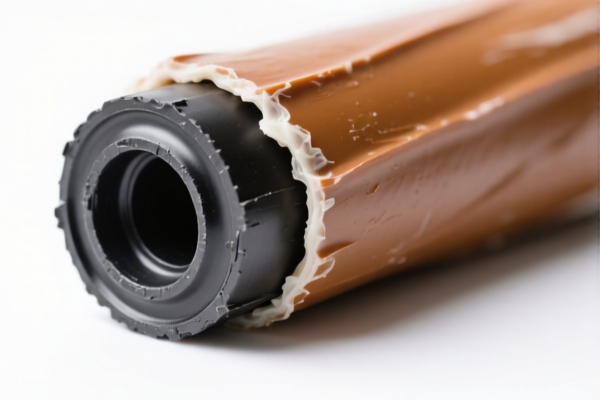
AI Analysis
🏭 Refined Rubber Chemicals (Refined Rubber Chemicals)
🌐 HS Code Reference & Customs Clearance Guide | 2026 Latest Tariff Analysis | Professional Clearance Strategy
📌 I. Product Definition & Classification: Do You Really Understand "Refined Rubber Chemicals"?
Refined rubber chemicals are specialized additives used in the rubber industry to enhance the vulcanization process, improve processing properties, and extend the lifespan of rubber products. In international trade, they are primarily classified based on their chemical structure and specific application in rubber compounding.
The two most common classifications for these chemicals are: 1. Other Organic Chemicals: When the chemical does not fall under specific chemical chapters but is used primarily for industrial applications in rubber manufacturing (e.g., specific accelerators or antioxidants not listed elsewhere). 2. Other Chemical Products: When the chemical is used as an additive or processing aid in rubber production, intended for industrial use in rubber compounding and formulation, but does not fit the specific subheadings of other chapters.
⚠️ Key Distinction Point:
- If the chemical is a specific organic compound not elsewhere specified, it may fall under Chapter 29 (Organic Chemicals).
- If the chemical is a prepared mixture or additive for rubber processing not elsewhere specified, it may fall under Chapter 38 (Miscellaneous Chemical Products).
📦 II. HS Code Classification Details (2026 Latest Tariff Authority Comparison)
| HS Code | Product Description | Application Scenario | Key Characteristics |
|---|---|---|---|
2933.99 |
Other organic chemicals, not elsewhere specified or included, including refined rubber chemicals used in the vulcanization or processing of rubber, primarily for industrial applications in rubber manufacturing. | Industrial rubber manufacturing, specific organic accelerators/antioxidants not listed in other 29xx subheadings. | ✅ Organic chemical structure, industrial use, vulcanization/processing aid. |
3811.90 |
Other chemical products, not elsewhere specified, including refined rubber chemicals used as additives or processing aids in rubber production, intended for industrial use in rubber compounding and formulation. | Rubber compounding, formulation additives, processing aids. | ✅ Prepared chemical mixture, additive/processing aid, industrial compounding use. |
🔍 Important Reminder:
- Both codes cover refined rubber chemicals, but the distinction lies in whether the product is classified as an organic chemical (2933.99) or a miscellaneous chemical product/additive (3811.90).
-2933.99: Focuses on the chemical nature (organic compound) used in vulcanization/processing.
-3811.90: Focuses on the functional role (additive/processing aid) in rubber compounding, especially if it’s a prepared mixture.
💰 III. 2026 Latest Tariff Rate Details (Including Additional Taxes & Policy Add-ons)
✅ Applicable Country: USA (US)
✅ Origin: China (CN)
✅ Effective Date: From November 10, 2025 (and subsequent imports)
🎯 1. 2933.99 —— Other Organic Chemicals (Including Refined Rubber Chemicals)
| Item | Content |
|---|---|
| Base Tax Rate | Failed to retrieve tax information |
| USITC Additional Tax | Failed to retrieve tax information |
| IEEPA Additional Tax | Failed to retrieve tax information |
| Total Tax Rate | Error |
| Tax Calculation | CIF × Error |
| De Minimis Exemption | ❌ Cannot (deny_de_minimis) |
| Legal Basis Path | N/A |
📌 Explanation:
- The tax information for2933.99failed to retrieve in the 2026 tariff system.
- This may be due to recent tariff reforms or incomplete data for specific organic chemicals under Chapter 29.
- High Risk: Clearing customs with this code may require additional documentation or pre-consultation with customs authorities.
🎯 2. 3811.90 —— Other Chemical Products (Including Refined Rubber Chemicals as Additives)
| Item | Content |
|---|---|
| Base Tax Rate | Failed to retrieve tax information |
| USITC Additional Tax | Failed to retrieve tax information |
| IEEPA Additional Tax | Failed to retrieve tax information |
| Total Tax Rate | Error |
| Tax Calculation | CIF × Error |
| De Minimis Exemption | ❌ Cannot (deny_de_minimis) |
| Legal Basis Path | N/A |
📌 Note:
- The tax information for3811.90also failed to retrieve in the 2026 tariff system.
- This code is often used for rubber processing aids, but the lack of tax data suggests potential scrutiny or incomplete tariff updates.
- High Risk: Similar to2933.99, clearing customs may require additional verification.
🛠️ IV. Customs Clearance Practical Suggestions (Battlefield Pit-avoidance Guide)
✅ 1. Required Document Checklist (Missing Any One Will Cause Delays)
| Document | Must Provide | Explanation |
|---|---|---|
| ✅ Product Specification Sheet | ✔️ | Contains chemical composition, CAS number, concentration, and usage instructions. |
| ✅ Safety Data Sheet (SDS) | ✔️ | Required for hazardous chemicals; must be 16-section compliant (OSHA/UN standards). |
| ✅ Third-Party Test Report | ✔️ | COA (Certificate of Analysis) from accredited labs to prove chemical purity and composition. |
| ✅ Commercial Invoice | ✔️ | Must clearly state "Refined Rubber Chemicals" and include HS Code (2933.99 or 3811.90). |
| ✅ Packing List | ✔️ | Details net/gross weight, number of packages, and hazard labels (if applicable). |
| ✅ Import License (if required) | ✔️ | Some rubber chemicals may require special import permits due to environmental regulations. |
✅ 2. Declaration Tips (Key Mantras)
🔥 “Name Precise, HS Accurate, Tax Avoided!”
| Scenario | Correct Declaration Method | Wrong Practice |
|---|---|---|
| Organic Accelerator | 2933.99 with detailed chemical name (e.g., "Thiuram Disulfide") |
Vague term "Rubber Chemical" → Customs delays |
| Prepared Additive Mixture | 3811.90 with functional description ("Processing Aid for Rubber Compounding") |
Misclassified as 2933.99 → Potential misclassification penalty |
| Hazardous Chemical | Include UN Number and Hazard Class in declaration | Omitting hazard info → Seizure or fines |
| Mixed Shipment | Separate HS Codes for different chemicals | Mixing organic chemicals and additives → Confusion and audit risks |
✅ 3. Special Case Handling
| Scenario | Handling Suggestion |
|---|---|
| Customs Query on Tax Rate | Provide Advance Ruling application or contact CBP for clarification on 2933.99/3811.90 tax status. |
| Hazardous Chemicals | Ensure SDS is compliant with US DOT/OSHA regulations; may require additional fees for hazardous material handling. |
| OEM Custom Formulations | Provide formulation details to prove it is a "processing aid" (for 3811.90) rather than a generic organic chemical. |
| Small Shipments (De Minimis) | ❌ Not Eligible: Both codes are deny_de_minimis, so no tax exemption for small packages. |
🌍 V. Global Major Markets Clearance Comparison (2026 Latest)
| Country/Region | Recommended HS Code | Tariff | Certification Requirements | Notes |
|---|---|---|---|---|
| 🇺🇸 USA | 2933.99 or 3811.90 |
Error (Retrieve Failed) | OSHA/SDS Compliance | High scrutiny on tax data; advance ruling recommended. |
| 🇨🇳 China | 2933.99 or 3811.90 |
Varies by chemical | REACH-like registration (China) | Domestic regulations may apply for hazardous chemicals. |
| 🇪🇺 EU | 3824.99 or 2933.99 |
Varies | REACH Registration | EU has strict chemical registration (REACH) requirements. |
| 🇦🇺 Australia | 3811.90 |
Varies | NICNAS/APVMA Approval | Check if chemical is on approved list for industrial use. |
| 🇯🇵 Japan | 3811.90 |
Varies | CSCL Registration | Japan requires registration of certain industrial chemicals. |
📌 Conclusion:
- USA: Tax data for these codes is incomplete/failed, requiring proactive customs engagement.
- EU/China: Have additional chemical registration requirements (REACH/CSCL), which may increase clearance time and cost.
- Global Trend: Stricter environmental and safety regulations for rubber chemicals worldwide.
📌 VI. Common Mistakes & Pit-avoidance Guide (Blood & Tears Lessons)
❌ Mistake 1: Using vague terms like "Rubber Additive" without specifying chemical nature.
👉 Consequence: Customs may misclassify, leading to tax penalties or delays.
❌ Mistake 2: Failing to provide SDS for hazardous rubber chemicals.
👉 Consequence: Seizure, fines, or refusal of entry into the country.
❌ Mistake 3: Assuming de minimis exemption applies to small shipments.
👉 Consequence: Denied entry; no tax exemption for these HS codes.
❌ Mistake 4: Mixing 2933.99 (organic chemical) and 3811.90 (additive) in one declaration without clear separation.
👉 Consequence: Audit risk; customs may question the intent and classify incorrectly.
✅ Correct Practice:
“Organic Accelerator (Thiuram Disulfide), CAS No. 97-77-8, for Rubber Vulcanization, SDS Attached, HS Code: 2933.99”
OR
“Rubber Processing Aid (Prepared Mixture), for Compounding, SDS Attached, HS Code: 3811.90”
🎯 VII. Conclusion: Professional Declaration Saves Time, Money, and Headaches!
🎯 Remember the Mantra:
🔹 “SDS Ready, HS Precise, Tax Verified Before Shipping!”
🔹 “Error in Tax Data? Apply for Advance Ruling!”
🔹 “Hazardous? SDS is Non-Negotiable!”
📌 Pro Tip:
- If your rubber chemicals are hazardous, ensure SDS compliance with US DOT/OSHA standards.
- Apply for a Customs Advance Ruling for 2933.99 and 3811.90 to clarify tax status before shipping.
- For EU/China exports, ensure REACH/CSCL registration is completed to avoid clearance delays.
📣 Immediate Action Required:
📞 Contact a Licensed Customs Broker + Provide Detailed SDS + Apply for HS Code Advance Ruling
🚀 Ensure Smooth Clearance, Avoid Tax Errors, and Optimize Costs!
✨ Professional Clearance Starts with Accurate Classification!
💼 Every Dollar Saved is a Dollar Earned in Global Trade!
Customer Reviews
About HS Code Classification
The Harmonized System (HS) is an internationally standardized nomenclature developed by the World Customs Organization (WCO) to classify traded products. Over 200 countries use the HS system as the basis for customs tariffs, trade statistics, and import/export regulations.
Each HS code follows a hierarchical structure:
- Chapter (2 digits) — Broad category of goods (e.g., Chapter 84: Machinery and Mechanical Appliances)
- Heading (4 digits) — More specific grouping within the chapter
- Subheading (6 digits) — Internationally standardized breakdown, used by all WCO member countries
- National subdivisions (8-10 digits) — Country-specific extensions for further classification, such as US HTSUS 10-digit codes
Correct HS code classification is essential for smooth customs clearance, accurate duty payment, and compliance with trade regulations. Misclassification can lead to customs delays, overpayment of duties, or penalties.
When importing from CN to US, the applicable tariff rates may include:
- Most-Favored-Nation (MFN) rate — The standard duty rate applied to WTO members
- General rate — Applied to countries without trade agreements
- Trade remedy duties — Additional tariffs such as Section 301 (anti-dumping), Section 232 (national security), or countervailing duties
The information provided on this page is for reference purposes only. For official classification, please consult with your local customs authority or a licensed customs broker.