reflective plastic sheet
CN → US| HS Code | Tariff Rate | Origin | Destination | Doc |
|---|---|---|---|---|
| 8708295160 | 0.0% | CN | US | Official Doc |
| 8708295110 | 0.0% | CN | US | Official Doc |
| 3926909925 | 22.8% | CN | US | Official Doc |
| 3926909989 | 22.8% | CN | US | Official Doc |
| 3920991000 | 41.0% | CN | US | Official Doc |
Product Images
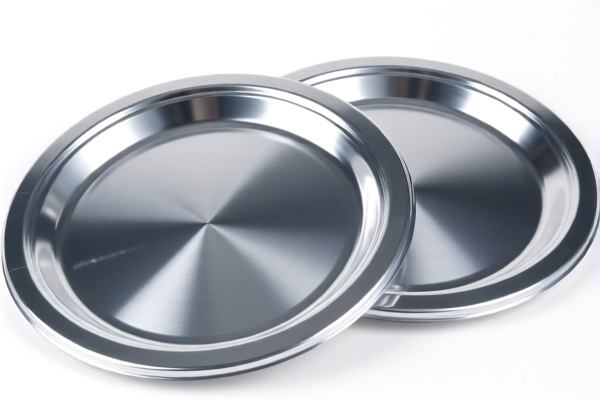

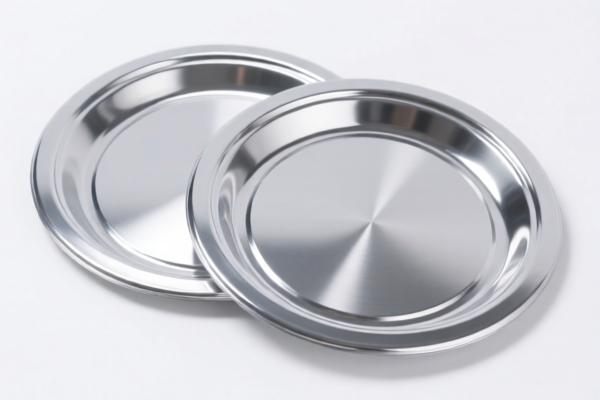

AI Analysis
🪪 Reflective Plastic Sheet (反光塑料车身片/标牌)
🌐 HS Code Reference & Customs Clearance Guide | 2026 Latest Tariff Analysis | Strategic Import Strategy for US Market
📌 I. Product Definition & Classification: Is it a Car Part or a Sign?
Reflective plastic sheets are versatile materials used primarily in automotive aftermarket repairs and traffic safety signage. In international trade, the classification hinges on Usage and Physical Form. They fall into two distinct categories:
- Automotive Body Parts (Automotive Industry): If the product is specifically designed, shaped, or marketed as a component for vehicle body repair (e.g., reflective trim, body side moldings), it is classified under Chapter 87 (Vehicles).
- Signs & Signals (General Use): If the product is a general-purpose reflective sign, label, or plate not exclusively tied to a specific vehicle model’s assembly, it is classified under Chapter 39 (Plastics and Articles Thereof).
⚠️ Critical Distinction Point:
- If the item is a body component (strip, panel, molding) for cars →归入 8708.29...
- If the item is a sign, plate, or general plastic sheet →归入 3926.90... or 3920.99...
📦 II. HS Code Classification Details (2026 Latest Tariff Authority Alignment)
Based on the provided data, here are the precise classifications for Reflective Plastic Sheets:
| HS Code | Product Description | Application Scenario | Material/Form | Tax Burden (Est.) |
|---|---|---|---|---|
8708.29.51.60 |
Reflective Plastic Body Parts, Plate/Sheet Form | Automotive: Reflective trim strips, body side reflectors | Plastic, Sheet-like | 137.5% |
8708.29.51.10 |
Reflective Plastic Body Parts (Other) | Automotive: Other reflective body accessories | Plastic, Sheet-like | 65.0% |
3926.90.99.25 |
Reflective Plastic Signs/Labels | Traffic/General: Reflective road signs, safety labels | Plastic, Reflective Mark | 22.8% |
3926.90.99.89 |
Reflective Plastic Signs (Other) | Traffic/General: Unlisted reflective plastic articles | Plastic, Other Form | 22.8% |
3920.99.10.00 |
Reflective Plastic Plates/Films | Industrial/General: Composite plastic plates/films | Plastic, Plate/Film Composite | 41.0% |
🔍 Key Insight:
- The tax rate difference is massive: 22.8% for general signs vs. 65%-137.5% for automotive body parts.
- Misclassification Risk: Declaring a car part as a "plastic sign" to save taxes can lead to severe penalties. The intended use and marketing description dictate the code.
💰 III. 2026 Latest Tariff Rate Breakdown (Detailed Tax Clauses)
✅ Applicable Country: USA (US)
✅ Origin: China (CN)
✅ Effective Date: 2025/2026 (Including subsequent imports)
🎯 1. 8708.29.51.60 — Reflective Plastic Body Parts (Automotive)
| Item | Content |
|---|---|
| Basic Tariff | 2.5% |
| Section 301 Additional Tariff | +25.0% |
| Section 122 Tariff (Steel/Aluminum/Copper) | +10.0% |
| Additional 122 Tariff (Steel/Aluminum/Copper Products) | +50.0% |
| Total Tax Rate | 137.5% |
| Tax Calculation | CIF Value × 137.5% |
| De Minimis Exemption | ❌ Not Allowed (Deny de minimis) |
| Legal Basis Path | USITC:8708.29.51.60 → Section 122: Steel/Aluminum/Copper → Section 301 |
📌 Explanation:
- This is the highest tax bracket.
- The "Section 122" tariffs apply because many reflective automotive parts use aluminum or steel substrates.
- Total impact: ~137.5%. This effectively eliminates profitability for low-margin automotive accessories unless duties are mitigated via supply chain changes.
🎯 2. 8708.29.51.10 — Other Reflective Plastic Body Parts
| Item | Content |
|---|---|
| Basic Tariff | 2.5% |
| Section 301 Additional Tariff | +25.0% |
| Section 122 Tariff | +10.0% |
| Total Tax Rate | 65.0% |
| Tax Calculation | CIF Value × 65.0% |
| De Minimis Exemption | ❌ Not Allowed |
| Legal Basis Path | USITC:8708.29.51.10 → Section 122 → Section 301 |
📌 Note:
- Slightly lower than the previous code, but still extremely high.
- Applies to reflective body parts that do not meet the specific criteria of51.60.
🎯 3. 3926.90.99.25 & 3926.90.99.89 — Reflective Plastic Signs
| Item | Content |
|---|---|
| Basic Tariff | 5.3% (for .25) / 5.3% (for .89) |
| Section 301 Additional Tariff | +7.5% |
| Section 122 Tariff | +10.0% |
| Total Tax Rate | 22.8% |
| Tax Calculation | CIF Value × 22.8% |
| De Minimis Exemption | ❌ Not Allowed |
| Legal Basis Path | USITC:3926.90.99.25/.89 → Section 122 → Section 301 |
📌 Advantage:
- If the product can be legitimately classified as a general-purpose sign (e.g., reflective sticker, road sign, safety label) rather than a car part, the tax drops from 65%-137% to 22.8%.
- Crucial: You must prove the product is not a dedicated automotive body part.
🎯 4. 3920.99.10.00 — Reflective Plastic Plates/Films
| Item | Content |
|---|---|
| Basic Tariff | 6.0% |
| Section 301 Additional Tariff | +25.0% |
| Section 122 Tariff | +10.0% |
| Total Tax Rate | 41.0% |
| Tax Calculation | CIF Value × 41.0% |
| De Minimis Exemption | ❌ Not Allowed |
| Legal Basis Path | USITC:3920.99.10.00 → Section 301 → Section 122 |
📌 Note:
- Applies if the product is a composite plastic plate/film not specifically classified as a sign.
- Mid-range tax burden.
🛠️ IV. Customs Clearance Practical Advice (Battle-Tested Pitfall Guide)
✅ 1. Documentation Checklist (Non-Negotiable)
| Document | Required | Description |
|---|---|---|
| ✅ Product Spec Sheet | ✔️ | Must clearly state: "Reflective Plastic Sign" OR "Automotive Body Trim". Do not use ambiguous terms. |
| ✅ Product Photos | ✔️ | Show the product installed on a road sign OR car body. Context matters. |
| ✅ Bill of Lading/Invoice | ✔️ | Description must match HS Code. E.g., "Reflective Plastic Traffic Sign" vs. "Reflective Car Body Strip". |
| ✅ Material Composition | ✔️ | Specify if aluminum/steel backing is used (triggers Section 122). |
| ✅ Intended Use Statement | ✔️ | Supplier must declare if the product is for automotive OEM/Aftermarket or General Traffic Safety. |
✅ 2. Classification Strategy (Key Rules)
🔥 "Use Case Dictates Tax: Car Parts = High Tax, General Signs = Lower Tax"
| Scenario | Correct HS Code | Risk Level |
|---|---|---|
| Reflective Trim for Toyota/Honda | 8708.29.51.60 or 51.10 |
🔴 High Tax (65-137.5%) |
| Reflective Road Sign / Safety Label | 3926.90.99.25 |
🟢 Lower Tax (22.8%) |
| Blank Reflective Plastic Film (Raw Material) | 3920.99.10.00 |
🟡 Mid Tax (41%) |
| Misclassified Car Part as Sign | 3926.90.99.25 |
🔴 Audit Risk: Penalty + Back Taxes |
⚠️ Warning:
- If you import reflective car side moldings but declare them as "plastic signs," Customs may reject the entry, impose penalties, and demand back taxes at the higher rate.
- Section 122 applies to both categories if the product contains steel, aluminum, or copper. Do not ignore this.
✅ 3. Special Situations
| Situation | Recommendation |
|---|---|
| Product is both a sign and a car part? | Declare based on primary use. If it fits a car, it’s likely 8708. |
| Product is a generic reflective sheet? | Use 3920.99.10.00 if it’s unprinted/unformed. Lower risk than 3926 if not a "sign." |
| OEM Order for Car Manufacturer? | Must use 8708 codes. No choice. |
| Importing for DIY Traffic Safety? | Use 3926 codes. Provide proof of non-automotive use. |
🌍 V. Global Market Comparison (2026 Latest)
| Country/Region | Recommended HS Code | Est. Tariff (China Origin) | Notes |
|---|---|---|---|
| 🇺🇸 USA | 8708.29.51.60 / 3926.90.99.25 |
22.8% - 137.5% | High Section 301 & 122 tariffs. |
| 🇨🇳 China | 8708.29.51.60 / 3926.90.99.25 |
5.3% - 10.5% | No Section 301/122. Much lower. |
| 🇪🇺 EU | 8708.29.51.60 / 3926.90.99.25 |
2.5% - 6.0% | No additional punitive tariffs. |
| 🇦🇺 Australia | 8708.29.51.60 / 3926.90.99.25 |
5.0% - 10.0% | Low tariffs, no Section 301. |
| 🇯🇵 Japan | 8708.29.51.60 / 3926.90.99.25 |
3.0% - 8.0% | Competitive rates. |
📌 Conclusion:
- The US market is significantly more expensive due to Section 301 (25%) and Section 122 (10-50%).
- Automotive parts face the harshest taxes (137.5%).
- General plastic signs are more viable for US import (22.8%).
📌 VI. Common Errors & Pitfalls (Blood Lessons)
❌ Error 1: Classifying reflective car trim as "plastic sign" to avoid 65%+ tax.
👉 Consequence: Customs audit, penalty, and retroactive payment of 100%+ difference.
❌ Error 2: Ignoring Section 122 tariffs for aluminum-backed reflectives.
👉 Consequence: Unexpected 10-50% surcharge at customs. Total tax becomes 137.5%.
❌ Error 3: Declaring "Reflective Plastic Sheet" without specifying use.
👉 Consequence: CBP may assign a default code with the highest duty or request additional info, causing delays.
❌ Error 4: Assuming de minimis ($800) exemption applies.
👉 Consequence: Denied. All these codes are subject to high tariffs and are excluded from de minimis relief for Chinese goods.
✅ Correct Approach:
"Reflective Aluminum-Faced Plastic Sign, for Road Safety Use, Model XYZ"
(Note: If it’s for cars, be honest and pay the higher tax, or redesign to avoid automotive classification if legally possible.)
🎯 VII. Conclusion: Strategic Importing for Reflective Plastic Sheets
🎯 Remember the Golden Rules:
🔹 "Automotive Parts = 65-137% Tax; General Signs = 22.8% Tax"
🔹 "Section 122 Hits Aluminum/Steel: Add 10-50%"
🔹 "No De Minimis for China-Origin Reflective Plastics in US"
📌 Pro Tip:
- If importing automotive reflectives, consider supply chain diversification (e.g., manufacture in Vietnam/Mexico) to avoid Section 301/122.
- If importing traffic signs, ensure documentation clearly states "Non-Automotive Use" to lock in the 22.8% rate.
📣 Immediate Action:
📞 Consult a licensed customs broker for a Pre-Ruling if the product’s use is ambiguous.
🚀 Optimize classification to save 40-110% in taxes!
✨ Professional Customs Clearance Starts with Accurate Classification!
💼 Your Bottom Line Depends on the HS Code!
Customer Reviews
About HS Code Classification
The Harmonized System (HS) is an internationally standardized nomenclature developed by the World Customs Organization (WCO) to classify traded products. Over 200 countries use the HS system as the basis for customs tariffs, trade statistics, and import/export regulations.
Each HS code follows a hierarchical structure:
- Chapter (2 digits) — Broad category of goods (e.g., Chapter 84: Machinery and Mechanical Appliances)
- Heading (4 digits) — More specific grouping within the chapter
- Subheading (6 digits) — Internationally standardized breakdown, used by all WCO member countries
- National subdivisions (8-10 digits) — Country-specific extensions for further classification, such as US HTSUS 10-digit codes
Correct HS code classification is essential for smooth customs clearance, accurate duty payment, and compliance with trade regulations. Misclassification can lead to customs delays, overpayment of duties, or penalties.
When importing from CN to US, the applicable tariff rates may include:
- Most-Favored-Nation (MFN) rate — The standard duty rate applied to WTO members
- General rate — Applied to countries without trade agreements
- Trade remedy duties — Additional tariffs such as Section 301 (anti-dumping), Section 232 (national security), or countervailing duties
The information provided on this page is for reference purposes only. For official classification, please consult with your local customs authority or a licensed customs broker.