refractory concrete high strength low shrinkage
CN → US| HS Code | Tariff Rate | Origin | Destination | Doc |
|---|---|---|---|---|
| 6810110010 | 38.2% | CN | US | Official Doc |
| 6902901010 | 35.0% | CN | US | Official Doc |
| 6810110070 | 38.2% | CN | US | Official Doc |
| 3816001000 | 35.0% | CN | US | Official Doc |
| 3816002050 | 38.0% | CN | US | Official Doc |
| 6902905010 | 35.0% | CN | US | Official Doc |
Product Images
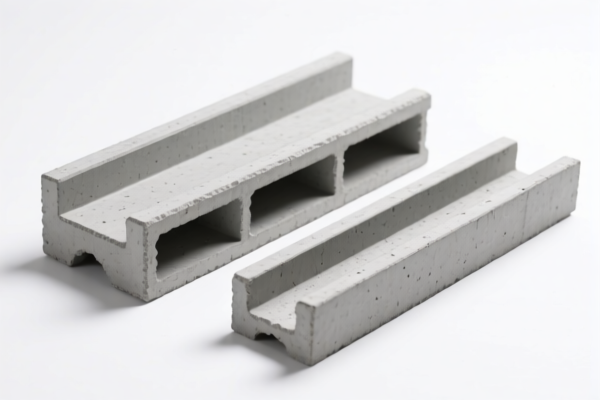
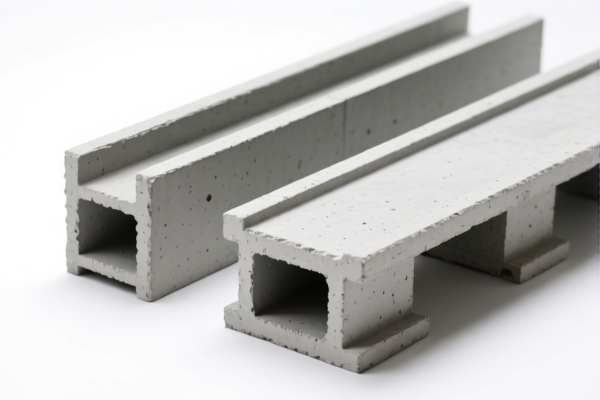
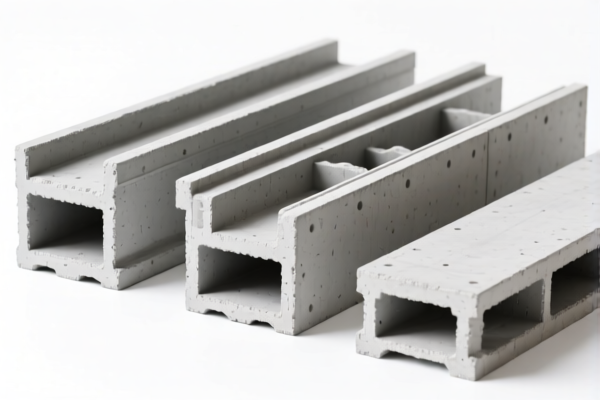
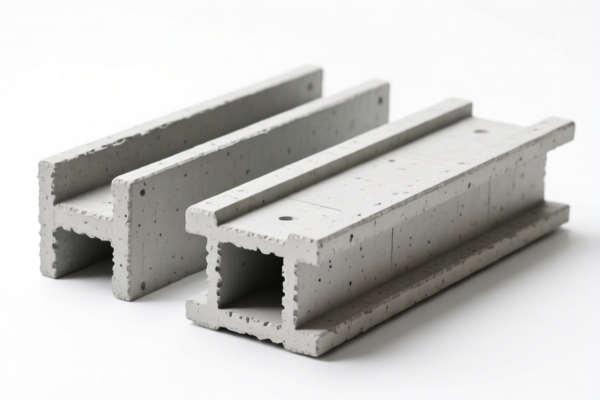
AI Analysis
🏗️ Refractory Concrete: High-Strength, Low-Shrinkage Solutions
🌐 HS Code Classification & Customs Clearance Guide | 2026 Tariff Analysis for US Import
📌 Part 1: Product Definition – What is "Refractory Concrete"?
Refractory concrete is a specialized mixture of refractory aggregates (such as alumina, silica, or silica-calcium products), cementing agents, and water (or other additives) designed to withstand extreme thermal stresses without losing structural integrity. It is widely used in: * Industrial furnaces & kilns (linings) * Chimneys & exhaust systems * Metal casting & melting operations * High-temperature piping & insulation
The key features highlighted in your query are: 1. High Strength: Ability to bear heavy loads at high temperatures. 2. Low Shrinkage: Minimizes cracking and structural failure during thermal cycling.
⚠️ Critical Distinction:
- Refractory Concrete vs. Ordinary Concrete: Ordinary concrete degrades above ~300°C. Refractory concrete can withstand temperatures from 1,000°C to over 1,800°C. - Shape Matters: Is it pre-cast blocks? Poured-in-place mix? Castable? This affects HS code selection.
📦 Part 2: HS Code Classification Analysis (Based on Provided Data)
Below is the detailed breakdown of the 6 HS codes provided in your dataset, explaining why each applies and the tax implications for importing into the US.
📋 Summary Table of Classified HS Codes
| HS Code | Product Description | Total Tax Rate | Key Characteristics |
|---|---|---|---|
6810.11.00.10 |
Concrete/Artificial Stone Building Blocks | 38.2% | Pre-cast blocks, bricks, structural elements |
6902.90.10.10 |
Refractory Ceramic Products | 35.0% | Fired refractory bricks, high thermal stability |
6810.11.00.70 |
Other Concrete Building Blocks | 38.2% | Non-standard concrete blocks, general construction |
3816.00.10.00 |
Refractory Preparations | 35.0% | Mixtures/powders for refractory use, not yet shaped |
3816.00.20.50 |
Refractory Concrete & Similar Products | 38.0% | Castable mixes, high refractory content, concrete-like |
6902.90.50.10 |
Clay/Siliceous Refractory Bricks | 35.0% | Inorganic material-based refractory bricks |
💰 Part 3: Detailed Tax Breakdown & Legal Basis
✅ Applicable Country: United States (US)
✅ Origin: China (CN)
✅ Effective Date: Post-November 10, 2025
✅ Tax Structure: Base Duty + Section 301 Duty + Section 122 Duty
🎯 1. 6810.11.00.10 & 6810.11.00.70 – Concrete/Artificial Stone Blocks
- Summary: Material is concrete or artificial stone; form is building blocks/bricks.
- Tax Detail:
- Base Duty: 3.2%
- Section 301 Duty: 25.0%
- Section 122 Duty: 10.0%
- Total Tax: 38.2%
- When to Use: If your refractory concrete is pre-cast into blocks, bricks, or pavers for construction purposes.
- Note: If the product is loose castable mix, do not use this code.
🎯 2. 6902.90.10.10 & 6902.90.50.10 – Refractory Ceramic Products
- Summary: Inferred as refractory construction products based on form and use. Contains clay/siliceous components.
- Tax Detail:
- Base Duty: 0.0%
- Section 301 Duty: 25.0%
- Section 122 Duty: 10.0%
- Total Tax: 35.0%
- When to Use: If the product is fired (kiln-fired) refractory bricks or ceramic blocks.
- Note:
6902.90.10.10is for general refractory ceramic products;6902.90.50.10specifies clay/siliceous refractory bricks. Use if the product is clearly ceramicized.
🎯 3. 3816.00.10.00 – Refractory Preparations
- Summary: Material matches concrete/similar products; use is refractory.
- Tax Detail:
- Base Duty: 0.0%
- Section 301 Duty: 25.0%
- Section 122 Duty: 10.0%
- Total Tax: 35.0%
- When to Use: If the product is a powder mix, dry castable, or liquid binder intended for refractory applications, not yet formed into a solid structure.
- Note: This is often the most accurate code for castable refractory concrete shipped in bags.
🎯 4. 3816.00.20.50 – Refractory Concrete & Similar Products
- Summary: Refractory characteristics match concrete-like products.
- Tax Detail:
- Base Duty: 3.0%
- Section 301 Duty: 25.0%
- Section 122 Duty: 10.0%
- Total Tax: 38.0%
- When to Use: A middle ground. If the product is a pre-mixed refractory concrete (castable) but is classified under a different subheading than
3816.00.10.00due to specific chemical composition. - Note: Slightly higher base duty than
3816.00.10.00.
🛠️ Part 4: Customs Clearance Recommendations
✅ 1. Essential Documentation Checklist
| Document | Required? | Purpose |
|---|---|---|
| Product Specification Sheet | ✅ Yes | Detail composition (e.g., alumina content, silica ratio), temperature rating, and shrinkage rate. |
| Technical Data Sheet (TDS) | ✅ Yes | Prove "high strength" and "low shrinkage" properties (e.g., PSI at room temp & 1000°C). |
| Commercial Invoice | ✅ Yes | Must clearly state: "Refractory Concrete, High-Strength, Low-Shrinkage, Castable/Precast". |
| Packing List | ✅ Yes | Indicate net/gross weight, number of bags/units, and weight per unit. |
| Certificate of Origin (CO) | ✅ Yes | Confirm China origin to calculate Section 301 & 122 duties. |
| HS Code Pre-Ruling Request | ✅ Highly Recommended | Submit to US CBP to confirm correct HS code before shipment. |
✅ 2. Critical Customs Tips
🔹 Tip 1: Distinguish Between "Castable" and "Precast"
- Castable Refractory (mix in bags): Often classified under
3816.00.10.00or3816.00.20.50(35–38%). - Precast Refractory Blocks (fired or cured): Classified under
6902.90.10.10or6810.11.00.10(35–38.2%). - Why It Matters: Misclassification can lead to penalties, seizures, or back-duties.
🔹 Tip 2: Labeling Requirements
- Clearly label each bag/unit with:
- Product Name: "Refractory Concrete Castable"
- HS Code: e.g.,
3816.00.10.00 - Net Weight
- Manufacturer Info
- Country of Origin: Made in China
🔹 Tip 3: Tax Optimization Strategy
- Lowest Tax Option:
3816.00.10.00and6902.90.10.10at 35.0%. - Highest Tax Option:
6810.11.00.10and6810.11.00.70at 38.2%. - Action: If your product can be classified under
3816.00.10.00(as a refractory preparation/mix), it saves 3.2% compared to precast concrete blocks. Consult a customs broker to determine if your specific mix qualifies.
✅ 3. Common Errors to Avoid
| Error | Consequence |
|---|---|
❌ Declaring as "Ordinary Concrete" (2523.30.00.00) |
Misclassification penalty. Ordinary concrete has different duties and lacks refractory properties. |
| ❌ Ignoring Section 122 Duty | All China-origin goods are subject to 10% Section 122 duty (totaling 35–38.2%). Failure to declare results in seizure. |
| ❌ Using Vague Descriptions ("Building Material") | Customs will reclassify under the highest possible duty rate. Be specific: "Refractory Castable Concrete, High-Strength." |
| ❌ Confusing Fired vs. Castable | Fired products (6902) vs. Castable products (3816) have different testing standards. Provide correct technical data. |
🌍 Part 5: Global Market Comparison (2026)
| Market | Recommended HS Code | Estimated Total Duty | Key Requirement |
|---|---|---|---|
| 🇺🇸 USA | 3816.00.10.00 / 6902.90.10.10 |
35.0% | Provide TDS proving refractory nature; Section 301 & 122 apply. |
| 🇨🇳 China | 3816.00.10.00 |
~0% | Standard import tax; no Section 301. |
| 🇪🇺 EU | 6815.99.90 or 3824.70.90 |
~3.5% | CE marking may apply for construction products. |
| 🇯🇵 Japan | 6815.99.90 |
~3.5% | JIS standard compliance recommended. |
📌 Conclusion: The US market has the highest barrier due to Section 301 and 122 duties. Precise HS code selection is critical to avoid overpayment or penalties.
📌 Part 6: Frequently Asked Questions (FAQ)
Q1: Can I use HS Code 2523.30.00.00 (Other Cement) for Refractory Concrete?
A: No. 2523.30 is for Portland cement or similar hydraulic cements. Refractory concrete uses special binders (alumina, calcium aluminate cement, etc.) and is classified under 3816 or 6810/6902.
Q2: What if my product is a "Monolithic Refractory"?
A: "Monolithic" includes castables, gunites, and ramming masses. These are typically classified under 3816.00.10.00 (refractory preparations) if in mix form.
Q3: How do I prove "Low Shrinkage"?
A: Provide a Third-Party Test Report (e.g., from SGS, Intertek) showing linear change on heating (LCH) at 1000°C, 1300°C, or 1500°C. This supports your claim and justifies premium pricing.
🎯 Part 7: Final Clearance Checklist
✅ Step 1: Confirm Product Form (Powder Mix vs. Precast Block)
✅ Step 2: Select HS Code (3816.00.10.00 for mix, 6902.90.10.10 for fired blocks, 6810.11.00.10 for precast)
✅ Step 3: Calculate Total Duty (Base + 25% Section 301 + 10% Section 122)
✅ Step 4: Prepare Technical Data Sheet (TDS) & Test Reports
✅ Step 5: Submit CBP Pre-Ruling (Optional but Recommended)
✅ Step 6: Ensure Clear Labeling ("Refractory Concrete, High-Strength, Low-Shrinkage")
📌 Pro Tip:
🔹 "Refractory is not Ordinary Concrete!"
🔹 "Castable = 3816, Fired = 6902, Precast = 6810"
🔹 "Always Account for 35-38% Total Duty for China-Origin Goods"
📣 Immediate Action Required:
📞 Contact a licensed customs broker to verify your specific product formulation.
📄 Request an Advance Ruling from US CBP to lock in the correct HS code and duty rate.
🚀 Minimize Risk, Maximize Profit, Ensure Smooth Clearance!
✨ Accurate Classification Saves Money. Clear Documentation Saves Time.
💼 Your Refractory Concrete is Special. Treat Its Clearance with Precision.
Customer Reviews
About HS Code Classification
The Harmonized System (HS) is an internationally standardized nomenclature developed by the World Customs Organization (WCO) to classify traded products. Over 200 countries use the HS system as the basis for customs tariffs, trade statistics, and import/export regulations.
Each HS code follows a hierarchical structure:
- Chapter (2 digits) — Broad category of goods (e.g., Chapter 84: Machinery and Mechanical Appliances)
- Heading (4 digits) — More specific grouping within the chapter
- Subheading (6 digits) — Internationally standardized breakdown, used by all WCO member countries
- National subdivisions (8-10 digits) — Country-specific extensions for further classification, such as US HTSUS 10-digit codes
Correct HS code classification is essential for smooth customs clearance, accurate duty payment, and compliance with trade regulations. Misclassification can lead to customs delays, overpayment of duties, or penalties.
When importing from CN to US, the applicable tariff rates may include:
- Most-Favored-Nation (MFN) rate — The standard duty rate applied to WTO members
- General rate — Applied to countries without trade agreements
- Trade remedy duties — Additional tariffs such as Section 301 (anti-dumping), Section 232 (national security), or countervailing duties
The information provided on this page is for reference purposes only. For official classification, please consult with your local customs authority or a licensed customs broker.