refractory concrete magnesia based
CN → US| HS Code | Tariff Rate | Origin | Destination | Doc |
|---|---|---|---|---|
| 6902901010 | 35.0% | CN | US | Official Doc |
| 6810110070 | 38.2% | CN | US | Official Doc |
| 3816001000 | 35.0% | CN | US | Official Doc |
| 3816002050 | 38.0% | CN | US | Official Doc |
| 6902905010 | 35.0% | CN | US | Official Doc |
Product Images
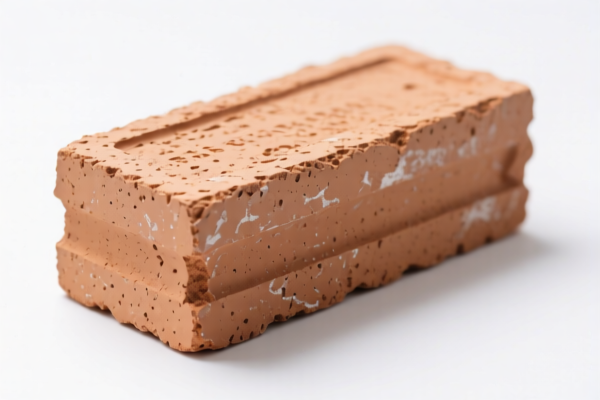
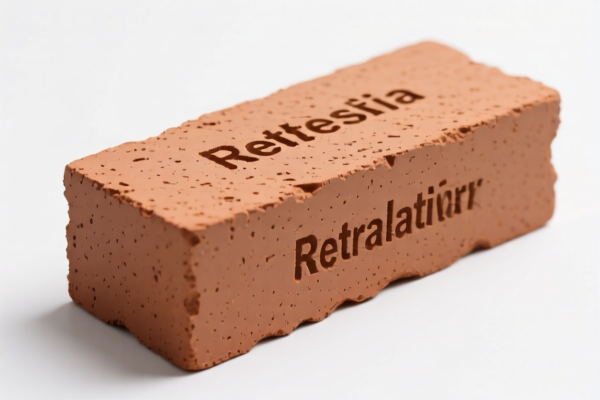
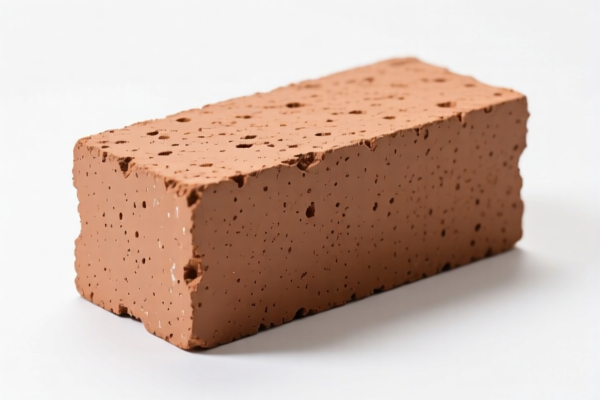
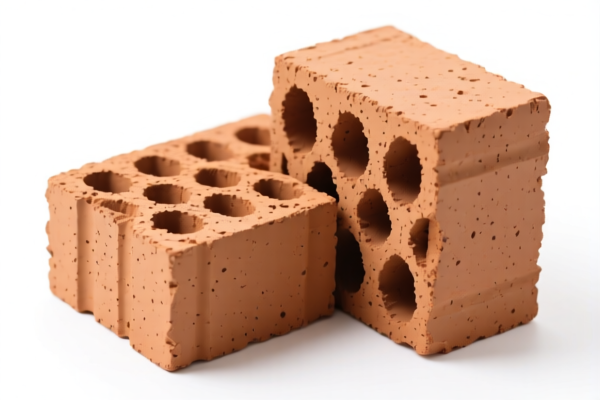
AI Analysis
🏗 Refractory Concrete (Magnesia Based) | High-Termpure Performance Building Material
🌐 HS Code Reference & Customs Clearance Guide | 2026 Latest Tariff Analysis | Professional Compliance Strategy
📌 I. Product Definition & Classification: What Exactly is "Magnesia-Based Refractory Concrete"?
Refractory Concrete (Magnesia Based), also known as Magnesia-Cement Concrete or MgO-Based Refractory Castable, is a specialized high-temperature building material. It is composed primarily of Magnesia (MgO), refractory aggregates, and a binder system (often magnesium chloride or sulfate-based, or chemically bonded magnesia).
In international trade, it is classified based on its physical form and primary function:
- As a Refractory Product (Chapter 69): If the product is shaped like bricks, blocks, or is explicitly defined as a "refractory building construction material" regardless of the specific chemical binder, it may fall under Chapter 69 (Ceramic Products).
- As a Concrete/Stone Product (Chapter 68): If the product is defined primarily by its composition as a cementitious or concrete-like mixture for construction, it falls under Chapter 68 (Articles of Stone, Plaster, Cement, Asbestos, Mica, or Similar materials).
- As a Specialized Industrial Product (Chapter 38): If the classification hinges on specific functional properties (e.g., heat resistance, chemical resistance) that don't fit neatly into ceramic or standard concrete categories, it may be classified under Chapter 38 (Miscellaneous Chemical Products).
⚠ Key Distinction Point:
- If the product is marketed as a "Refractory Brick/Block" → Look to Chapter 69.
- If the product is marketed as "Concrete/Castable" → Look to Chapter 68.
- If the product has specific industrial chemical properties → Look to Chapter 38.
📦 II. Detailed HSC Code Classification (2026 Latest Tariff Authority Comparison)
| HSC Code | Product Description | Application Scenario | Classification Logic |
|---|---|---|---|
6902.90.10.10 |
Other Refractory Building Construction Products | Shaped refractory blocks, bricks, or pre-cast refractory components | Form & Use: Classified as a refractory ceramic product due to its high-temperature resistance and building material application. |
6810.11.00.70 |
Cement, Concrete, or Artificial Stone Articles (Bricks/Blocks) | Castable refractory mixes, concrete-like refractory aggregates | Material & Form: Classified as a concrete/stone product due to its cementitious nature and block-like form. |
3816.00.10.00 |
Refractory Preparations of All Kinds | Liquid or powder refractory coatings, specialized heat-resistant chemical mixes | Material & Use: Classified based on its chemical preparation for refractory purposes, distinct from standard ceramics. |
3816.00.20.50 |
Refractory Preparations (Concrete & Similar) | Magnesia-based refractory concretes with specific chemical bonding properties | Material & Use: Fits the description of concrete-like refractory preparations with specific functional attributes. |
6902.90.50.10 |
Other Refractory Ceramics (Clay/Silica Based) | Refractory concretes containing clay or silica components as binders | Material & Use: Classified as a ceramic refractory due to the presence of clay/silica-based inorganic components. |
🔍 Key Reminder:
- Chapter 69 codes (6902.xxxx.50.x0 / .10.x0): Focus on Ceramic Nature. If the product is shaped and fired/cured for high-temp use, these are strong candidates.
- Chapter 68 codes (6810.11.00.70): Focus on Concrete Nature. If it’s a wet mix or behaves like standard concrete but for high temps, this is appropriate.
- Chapter 38 codes (3816.xxxx): Focus on Specialized Function. Use if the product doesn’t fit neatly into "brick" or "standard concrete" but has unique refractory chemical properties.
💰 III. 2026 Latest Tariff Rate Breakdown (Including Surcharge & Policy Add-ons)
✅ Applicable Country: United States (US)
✅ Origin: China (CN)
✅ Effective Date: From November 10, 2025 (and subsequent imports)
🎯 1. 6902.90.10.10 – Other Refractory Building Construction Products
| Item | Details |
|---|---|
| Base Rate | 0% (ad valorem) |
| USITC Surcharge | +25% (From USITC Footnote 9903.88.01) |
| IEEPA Surcharge | +10% (Against China/HK products, from Nov 10, 2025) |
| Total Rate | 35.0% |
| Tariff Calculation | CIF Value × 35% |
| De Minimis Exclusion | ❌ Not Eligible (deny_de_minimis applies) |
| Legal Basis Path | IEEPA:9903.01.25 → IEEPA:9903.01.24 → USITC:6902.90.10.10 → FOOTNOTE:9903.88.01 |
📌 Explanation:
- The 25% USITC Surcharge is imposed under Section 301 of the Trade Act for specific ceramic/refractory items from China.
- The 10% IEEPA Surcharge is an additional tariff on Chinese-origin goods under the International Economic emergency Powers Act.
- Total: 35%, which is a high tariff burden. Must be accounted for in cost planning!
🎯 2. 6810.11.00.70 – Cement, Concrete, or Artificial Stone Articles (Bricks/Blocks)
| Item | Details |
|---|---|
| Base Rate | 3.2% |
| USITC Surcharge | +25% |
| IEEPA Surcharge | +10% |
| Total Rate | 38.2% |
| Tariff Calculation | CIF Value × 38.2% |
| De Minimis Exclusion | ❌ Not Eligible (deny_de_minimis applies) |
| Legal Basis Path | IEEPA:9903.01.25 → IEEPA:9903.01.24 → USITC:6810.11.00.70 → FOOTNOTE:9903.88.01 |
📌 Note:
- This code has a higher base rate (3.2%) compared to ceramic refractories (0%).
- Even with the same surcharges (+25% +10% = +35% add-ons), the total is 38.2%.
- If your product is considered "concrete," this is the applicable code, but be aware of the slightly higher cost than ceramic-based codes.
🎯 3. 3816.00.10.00 – Refractory Preparations of All Kinds
| Item | Details |
|---|---|
| Base Rate | 0% |
| USITC Surcharge | +25% |
| IEEPA Surcharge | +10% |
| Total Rate | 35.0% |
| Tariff Calculation | CIF Value × 35% |
| De Minimis Exclusion | ❌ Not Eligible (deny_de_minimis applies) |
| Legal Basis Path | IEEPA:9903.01.25 → IEEPA:9903.01.24 → USITC:3816.00.10.00 → FOOTNOTE:9903.88.01 |
📌 Explanation:
- This code is for specialized refractory preparations that may not be strictly "ceramics" or "concrete" but have heat-resistant chemical properties.
- Tariff is 35%, same as Chapter 69 codes.
- Use this if the product is a powder, liquid, or mixed paste rather than a solid block/brick.
🎯 4. 3816.00.20.50 – Refractory Preparations (Concrete & Similar)
| Item | Details |
|---|---|
| Base Rate | 3.0% |
| USITC Surcharge | +25% |
| IEEPA Surcharge | +10% |
| Total Rate | 38.0% |
| Tariff Calculation | CIF Value × 38.0% |
| De Minimis Exclusion | ❌ Not Eligible (deny_de_minimis applies) |
| Legal Basis Path | IEEPA:9903.01.25 → IEEPA:9903.01.24 → USITC:3816.00.20.50 → FOOTNOTE:9903.88.01 |
📌 Note:
- This code specifically targets refractory preparations that are concrete-like.
- Base rate is 3.0%, leading to a total of 38.0%.
- This is a middle-ground option between pure concrete (38.2%) and pure ceramic refractory (35.0%).
🎯 5. 6902.90.50.10 – Other Refractory Ceramics (Clay/Silica Based)
| Item | Details |
|---|---|
| Base Rate | 0% |
| USITC Surcharge | +25% |
| IEEPA Surcharge | +10% |
| Total Rate | 35.0% |
| Tariff Calculation | CIF Value × 35.0% |
| De Minimis Exclusion | ❌ Not Eligible (deny_de_minimis applies) |
| Legal Basis Path | IEEPA:9903.01.25 → IEEPA:9903.01.24 → USITC:6902.90.50.10 → FOOTNOTE:9903.88.01 |
📌 Explanation:
- This code is for ceramic refractories that may contain clay or silica components.
- Since magnesia-based concretes often include binders or aggregates with inorganic components, this may apply if the product is deemed a ceramic material.
- Tariff is 35%, same as other Chapter 69 codes.
🛠 IV. Customs Clearance Practical Advice (Real-World Pitfall Avoidance Guide)
✅ 1. Required Documentation Checklist (Non-Negotiable)
| Document | Must Provide | Description |
|---|---|---|
| ✅ Product Specification Sheet | ✔ | Includes MgO content %, firing temperature, compressive strength, application temp. |
| ✅ Material Safety Data Sheet (MSDS) | ✔ | Essential for chemical components, especially if MgCl2 or MgSO4 binders are used. |
| ✅ Product Photos (Label & Structure) | ✔ | Clear images showing form (powder, paste, block) and labeling. |
| ✅ Third-Party Test Report | ✔ | Heat resistance, chemical stability, ISO/ASTM standards. |
| ✅ Commercial Invoice | ✔ | Must explicitly state: "Magnesia-Based Refractory Concrete, for High-Temperature Industrial Use." |
| ✅ Origin Declaration (CO) | ✔ | If not from China,可申请 preferential rates; if from China, expect surcharges. |
| ✅ Packing List | ✔ | Detail net/gross weight, dimensions, and ensure no mixed shipments. |
✅ 2. Declaration Techniques (Key Mnemonics)
🔥 "Form Dictates Code, Material Dictates Chapter, Name Dictates Tariff!"
| Scenario | Correct Declaration | Wrong Practice |
|---|---|---|
| Shaped Blocks/Bricks | 6902.90.10.10 or 6902.90.50.10 |
Declare as "Concrete" → 38.2% |
| Castable/Powder/Paste | 6810.11.00.70 or 3816.00.10.00 |
Declare as "Brick" → Delay/Rejection |
| Specialized Chemical Refractory | 3816.00.10.00 or 3816.00.20.50 |
Declare as "Ceramic" → 35.0% (may be correct) |
| Magnesia-Based Concrete | 6810.11.00.70 (if concrete-like) or 3816.00.20.50 (if specialized) |
Generic "Refractory Material" → Audit/Seizure |
✅ 3. Special Case Handling
| Situation | Handling Advice |
|---|---|
| OEM Custom Magnesia Castable | Provide customer order + technical data sheet. Avoid vague terms like "Refractory Mix." |
| Mixed Shipment (Blocks + Powder Powder + Bags of Powder | Declare separately! Blocks → Ch 69; Powder → Ch 38/68. Mixed → Complex Audit. |
| Magnesia Concrete for Medical/Cosmetic Use | Rare, but if true, may fall under different chapters. Provide proof of end-use. |
| Magnesia Concrete for Military/Aerospace | May qualify for "Special Purpose" exemption, but requires prior communication & documentation. |
🌍 V. Global Market Customs Clearance Comparison (2026 Latest)
| Country/Region | Recommended HSC Code | Tariff | Certification | Remarks |
|---|---|---|---|---|
| 🇺🇸 United States | 6902.90.10.10 or 6810.11.00.70 |
35%–38.2% (China Origin) | None Specific | High surcharges apply. |
| 🇨🇳 China | 6810.11.00.70 |
5–8% | None | Lower tariffs for domestic/regional trade. |
| 🇪🇺 European Union | 6810.11.00.70 |
0–6% (if CE) | CE + REACH | No additional US-style surcharges. |
| 🇬🇧 United Kingdom | 6810.11.00.70 |
0–6% | UKCA + REACH | Post-Brexit tariffs vary; check UKGOV. |
| 🇦🇺 Australia | 6810.11.00.70 |
5–10% | RCM | No major surcharges. |
| 🇯🇵 Japan | 6902.90.10.10 |
0–5% | PSE (if applicable) | No major surcharges. |
📌 Conclusion:
- The US is the only major market with heavy surcharges (25% + 10%) on Chinese-origin refractory materials.
- China-origin refractory concrete in the US is significantly more expensive to import. Consider supply chain diversification or pre-ruling applications.
📌 VI. Common Errors & Pitfall Avoidance (Lessons Learned the Hard Way)
❌ Error 1: Deeming "Magnesia Concrete" as "Standard Portland Cement"
👉 Consequence: Wrong Chapter (38 vs 68/69). Tariff may seem lower, but audit leads to fines + back-taxes.
❌ Error 2: Deeming "Shaped Bricks" as "Loose Powder"
👉 Consequence: Wrong HSC Code. 38.2% vs 35% difference + delayed release.
❌ Error 3: Not Providing MSDS for Magnesium Chloride/Sulfate Binders
👉 Consequence: Customs may classify as "Hazardous Chemical" → Seizure + Heavy Fines.
❌ Error 4: Using Vague Terms like "Refractory Material"
👉 Consequence: Customs cannot determine correct chapter → Automatic Audit + 30–60 Day Delay.
✅ Right Approach:
"Magnesia-Based Refractory Castable Concrete, MgO Content > 80%, High-Temperature Resistance up to 1500C, for Industrial Furnace Lining, Model XYZ, MSDS Attached."
🎯 VII. Conclusion: Precision Classification Saves Costs!
🎯 Remember the Mnemonic:
🔹 "Blocks go to Ch 69, Powder/Paste to Ch 38/68, Name Matters, Tariff Varies!"
🔹 "HS Code Dictates Life, 3% Tariff Diff, Declaration Error, 35% Penalty!"
📌 Pro Tip:
If your magnesium-based refractory concrete is originating from Vietnam, Mexico, Thailand, or Malaysia, you may apply for IEEPA Exemptions, reducing tariffs to 0%–5%.
Recommend Applying for Advance Ruling (Pre-Ruling) before shipment to avoid clearance risks.
📣 Immediate Action:
📞 Contact a Professional Customs Broker + Provide Product Images + Apply for HS Code Pre-Ruling
🚀 Let your refractory concrete Clear Customs Smoothly, Go Global Efficiently, and Maximize Profits!
✨ Professional Clearance Starts with Precise Classification!
💼 Every Cent of Your Cost Deserves Accurate Calculation!
Customer Reviews
About HS Code Classification
The Harmonized System (HS) is an internationally standardized nomenclature developed by the World Customs Organization (WCO) to classify traded products. Over 200 countries use the HS system as the basis for customs tariffs, trade statistics, and import/export regulations.
Each HS code follows a hierarchical structure:
- Chapter (2 digits) — Broad category of goods (e.g., Chapter 84: Machinery and Mechanical Appliances)
- Heading (4 digits) — More specific grouping within the chapter
- Subheading (6 digits) — Internationally standardized breakdown, used by all WCO member countries
- National subdivisions (8-10 digits) — Country-specific extensions for further classification, such as US HTSUS 10-digit codes
Correct HS code classification is essential for smooth customs clearance, accurate duty payment, and compliance with trade regulations. Misclassification can lead to customs delays, overpayment of duties, or penalties.
When importing from CN to US, the applicable tariff rates may include:
- Most-Favored-Nation (MFN) rate — The standard duty rate applied to WTO members
- General rate — Applied to countries without trade agreements
- Trade remedy duties — Additional tariffs such as Section 301 (anti-dumping), Section 232 (national security), or countervailing duties
The information provided on this page is for reference purposes only. For official classification, please consult with your local customs authority or a licensed customs broker.