refractory ramming material high strength
CN → US| HS Code | Tariff Rate | Origin | Destination | Doc |
|---|---|---|---|---|
| 3816002050 | 38.0% | CN | US | Official Doc |
| 6902905020 | 35.0% | CN | US | Official Doc |
| 6815994110 | 35.0% | CN | US | Official Doc |
| 6815910011 | 35.0% | CN | US | Official Doc |
| 3816001000 | 35.0% | CN | US | Official Doc |
Product Images
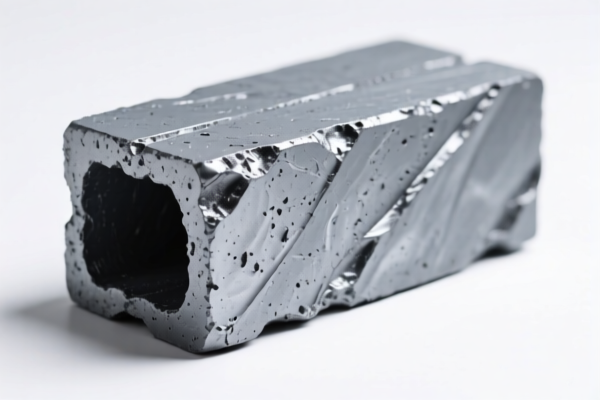
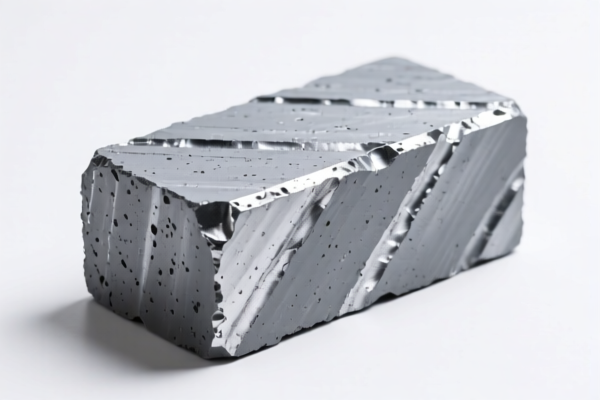
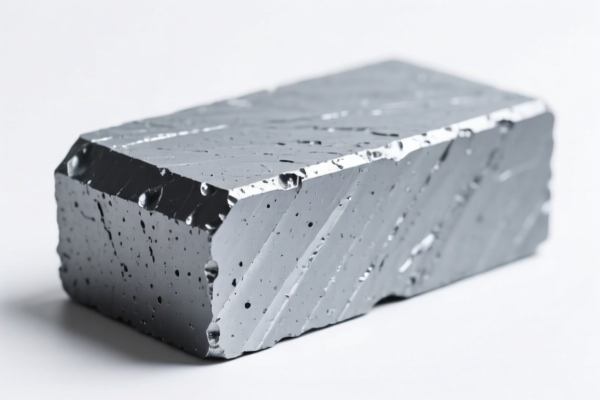
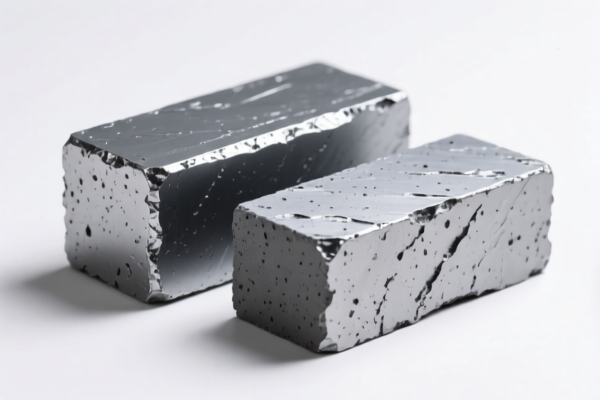
AI Analysis
🔥 Refractory Ramming Material (High Strength)
🌐 HS Code Reference & Customs Clearance Guide | 2026 Latest Tariff Analysis | Professional Compliance Strategy
📌 I. Product Definition & Classification: What Exactly Is "High Strength Ramming Material"?
Refractory Ramming Materials are unshaped refractories composed of aggregate, powder, and binders, designed to be compacted (rammed) into place to form a monolithic lining in industrial furnaces, kilns, or reactors.
"High Strength" implies specific chemical or mineral compositions that ensure durability under extreme mechanical stress and thermal cycling. In international trade, these are primarily classified based on their raw material composition (magnesia, alumina, silicon, etc.) and binding mechanism (chemical or ceramic).
⚠️ Key Classification Distinction:
- If the material is a pre-mixed dry powder for ramming, it often falls under Chapter 38 (Miscellaneous Chemical Products) or Chapter 68 (Stone/Mineral Products), depending on the primary binder and base material.
- Crucial Point: If it contains chemical binders (e.g., magnesium chloride, phosphates) that react to form a solid, it may be classified under 3816 (Refractory cements and mortars). If it is purely mineral-based with minimal chemical binding, it may fall under 6902 (Refractory bricks/blocks) or 6815 (Articles of stone/mineral substances).
📦 II. HS Code Classification Details (2026 Latest Tariff Alignment)
Based on the provided data, here are the four potential HS Codes for High Strength Refractory Ramming Materials, with precise explanations:
| HS Code | Product Description & Classification Logic | Key Characteristics |
|---|---|---|
| 3816.00.20.50 | Refractory Ramming Material, Other Class Specifically for ramming materials matching refractory materials and ramming material forms. |
✅ Primary Binder: Chemical or mixed ✅ Form: Dry mix for ramming ✅ Note: Classified as "Other" under 3816 due to specific chemical formulation. |
| 6902.90.50.20 | Refractory Material, Other Category Meets refractory material requirements, categorized under "Other," extending from ceramic building materials. |
✅ Primary Binder: Ceramic/Clinker-based ✅ Form: Can be pre-formed or granular for ramming ✅ Note: Treated as a ceramic refractory product. |
| 6815.99.41.10 | Mineral Substance Article Composed of oxides (MgO, Al₂O₃, etc.) chemically bonded. Fits the profile of articles of stone or other mineral substances. |
✅ Composition: MgO, Al₂O₃, SiO₂ ✅ Binding: Chemical bond ✅ Note: Emphasizes the chemical bonding of mineral oxides. |
| 6815.91.00.11 | Chemically Bonded Mineral Article Stone or other mineral material products in the form of chemically bonded articles. |
✅ Binding Mechanism: Explicitly Chemical Bond ✅ Form: Solidified mineral mass ✅ Note: Focuses on the state of being chemically combined. |
🔍 Critical Analysis:
- 3816.00.20.50 is often the most common for specialized ramming mixes with proprietary chemical binders.
- 6815.xxxxx.xxxx codes are used when the product is viewed as a mineral article where the chemical bond is secondary to the mineral composition.
- 6902.90.50.20 applies if the material is treated more like a ceramic refractory (similar to bricks but in granular/mixed form).
💰 III. 2026 Latest Tariff Rate Breakdown (Including Surcharges & Policy Add-ons)
✅ Applicable Country: United States (US)
✅ Country of Origin: China (CN)
✅ Effective Date: November 10, 2025 (and subsequent imports)
🎯 1. 3816.00.20.50 – Refractory Ramming Material (Other Class)
| Item | Detail |
|---|---|
| Base Tariff | 3.0% (Ad Valorem) |
| Section 301 Surcharge | +25.0% (USITC Footnote 9903.88.01) |
| Section 122 Tariff | +10.0% (IEEPA, targeted at Chinese products) |
| Total Tariff Rate | 38.0% |
| Tax Calculation | CIF Value × 38% |
| De Minimis Exemption? | ❌ No (denied_de_minimis) |
| Legal Pathway | Base: 3816.00.20.50 → 301: 25% → 122: 10% |
📌 Explanation:
- This is the highest tax bracket among the options due to the 3% base duty.
- The 25% Section 301 tariff applies to most Chinese chemical/refractory products.
- The 10% Section 122 tariff is an additional layer for Chinese-origin goods.
- Total Cost Impact: High. Buyers must absorb or negotiate this 38% duty.
🎯 2. 6902.90.50.20 – Refractory Material (Ceramic Category)
| Item | Detail |
|---|---|
| Base Tariff | 0.0% (Ad Valorem) |
| Section 301 Surcharge | +25.0% |
| Section 122 Tariff | +10.0% |
| Total Tariff Rate | 35.0% |
| Tax Calculation | CIF Value × 35% |
| De Minimis Exemption? | ❌ No |
| Legal Pathway | Base: 6902.90.50.20 → 301: 25% → 122: 10% |
📌 Advantage:
- 3% lower than3816.00.20.50due to 0% base duty.
- Suitable if the product is classified as a ceramic refractory rather than a chemical mortar.
🎯 3. 6815.99.41.10 – Chemically Bonded Mineral Article
| Item | Detail |
|---|---|
| Base Tariff | 0.0% |
| Section 301 Surcharge | +25.0% |
| Section 122 Tariff | +10.0% |
| Total Tariff Rate | 35.0% |
| Tax Calculation | CIF Value × 35% |
| De Minimis Exemption? | ❌ No |
| Legal Pathway | Base: 6815.99.41.10 → 301: 25% → 122: 10% |
📌 Key Feature:
- Emphasizes mineral oxides (MgO, Al₂O₃).
- Requires proof of chemical bonding process.
🎯 4. 6815.91.00.11 – Chemically Bonded Mineral Article (Specific Form)
| Item | Detail |
|---|---|
| Base Tariff | 0.0% |
| Section 301 Surcharge | +25.0% |
| Section 122 Tariff | +10.0% |
| Total Tariff Rate | 35.0% |
| Tax Calculation | CIF Value × 35% |
| De Minimis Exemption? | ❌ No |
| Legal Pathway | Base: 6815.91.00.11 → 301: 25% → 122: 10% |
📌 Specificity:
- Classified under 6815.91 (Chemically bonded articles), which is more specific than 6815.99.
- Ideal for products with clear chemical binding agents (e.g., phosphate-bonded, magnesia-chloride bonded).
🛠️ IV. Customs Clearance Practical Advice (Avoid Pitfalls)
✅ 1. Documentation Checklist (Mandatory)
| Document | Required? | Purpose |
|---|---|---|
| ✅ Product Specification Sheet | ✔️ | Must detail chemical composition (MgO%, Al₂O₃%, binders), particle size, and packing method. |
| ✅ MSDS (Material Safety Data Sheet) | ✔️ | Required for chemical binders (e.g., chlorides, phosphates). |
| ✅ Certificate of Analysis (CoA) | ✔️ | Proves high strength properties and chemical makeup. |
| ✅ Photos of Product & Labeling | ✔️ | Show packaging, brand, and "Ramming Material" description. |
| ✅ Commercial Invoice | ✔️ | Must clearly state "Refractory Ramming Material" and HS Code. |
| ✅ Packing List | ✔️ | Detail weight, volume, and material type. |
✅ 2. Declaration Tips (Key Mantra)
🔥 “Clear Composition, Specific Binding, Accurate HS, Lower Tax!”
| Scenario | Correct Declaration | Incorrect Action |
|---|---|---|
| Chemically Bonded MgO/Al₂O₃ Mix | Use 6815.91.00.11 or 6815.99.41.10 |
Misclassify as 3816 → 38% vs 35% |
| Proprietary Ramming Mortar | Use 3816.00.20.50 |
Call it "brick" → Misclassification risk |
| Ceramic-Based Granular Mix | Use 6902.90.50.20 |
Use 3816 → Unjustified 3% base duty |
| Mixed Components (Loose) | Ensure no pre-formed bricks | If pre-formed, must use brick codes |
📌 Warning:
- Do not describe the product generically as "Refractory Material."
- Specify the binding agent (e.g., "Phosphate-Bonded," "Magnesia-Chloride Bonded") in the invoice and description to support 6815 or 3816 classification.
- Avoid using "Ceramic Brick" terminology if the product is a ramming mix.
🌍 V. Global Market Comparison (2026)
| Country/Region | Recommended HS Code | Base Duty | 301/122 Surcharges | Total Rate | Notes |
|---|---|---|---|---|---|
| 🇺🇸 USA | 3816.00.20.50 |
3.0% | +25% +10% | 38.0% | High duty; negotiate price. |
| 🇺🇸 USA | 6902.90.50.20 |
0.0% | +25% +10% | 35.0% | Preferred if applicable. |
| 🇺🇸 USA | 6815.91.00.11 |
0.0% | +25% +10% | 35.0% | Best for chemically bonded. |
| 🇨🇳 China | Same | 0-5% | None | 0-5% | No surcharges. |
| 🇪🇺 EU | Varies | 0-3% | None | 0-3% | No Section 301/122. |
📌 Conclusion:
- USA imposes 35-38% total tariffs.
- Choose6815or6902if the product composition allows, to save 3% on base duty.
- No de minimis exemption applies; all shipments are subject to full duty.
📌 VI. Common Errors & Pitfalls (Lessons Learned)
❌ Error 1: Using "Refractory Cement" for a product that is granular ramming material
👉 Consequence: May be misclassified under 3816 when 6815 is more accurate → Unnecessary 3% base duty.
❌ Error 2: Ignoring Section 122 Tariff
👉 Consequence: Underestimating total cost by 10% → Budget overrun.
❌ Error 3: Vague Description: "Refractory Material"
👉 Consequence: Customs may apply highest duty rate or require extensive examination → Delays & Demurrage.
✅ Correct Action:
"High-Strength Phosphate-Bonded Magnesia-Alumina Refractory Ramming Material, Dry Mix, HS Code 6815.91.00.11, Origin China"
🎯 VII. Conclusion: Precision in Classification Saves Money!
🎯 Key Takeaway:
🔹 "Base Duty Matters: 3% vs 0% = 3% Savings on Every $1,000 Shipped!"
🔹 "Chemical Bond = 6815; Chemical Mortar = 3816; Ceramic = 6902"
🔹 "Total Tariff is 35-38%. Plan your pricing accordingly!"
📌 Pro Tip:
- If your product is MgO-based with chemical binders, push for 6815.91.00.11 or 6815.99.41.10 (35% total).
- If it’s a proprietary mix, 3816.00.20.50 (38% total) may be unavoidable.
- Always consult a customs broker with product-specific MSDS and CoA to secure the best classification.
📣 Immediate Action:
📞 Engage a Licensed Customs Broker
📄 Prepare MSDS, CoA, and Product Photos
🚀 Apply for Advance Ruling (if possible) to Lock in HS Code
✨ Precision Classification is the Key to Cost Efficiency!
💼 Every Percentage Point Counts in International Trade!
Customer Reviews
About HS Code Classification
The Harmonized System (HS) is an internationally standardized nomenclature developed by the World Customs Organization (WCO) to classify traded products. Over 200 countries use the HS system as the basis for customs tariffs, trade statistics, and import/export regulations.
Each HS code follows a hierarchical structure:
- Chapter (2 digits) — Broad category of goods (e.g., Chapter 84: Machinery and Mechanical Appliances)
- Heading (4 digits) — More specific grouping within the chapter
- Subheading (6 digits) — Internationally standardized breakdown, used by all WCO member countries
- National subdivisions (8-10 digits) — Country-specific extensions for further classification, such as US HTSUS 10-digit codes
Correct HS code classification is essential for smooth customs clearance, accurate duty payment, and compliance with trade regulations. Misclassification can lead to customs delays, overpayment of duties, or penalties.
When importing from CN to US, the applicable tariff rates may include:
- Most-Favored-Nation (MFN) rate — The standard duty rate applied to WTO members
- General rate — Applied to countries without trade agreements
- Trade remedy duties — Additional tariffs such as Section 301 (anti-dumping), Section 232 (national security), or countervailing duties
The information provided on this page is for reference purposes only. For official classification, please consult with your local customs authority or a licensed customs broker.