refractory repair material rapid setting
CN → US| HS Code | Tariff Rate | Origin | Destination | Doc |
|---|---|---|---|---|
| 6815910011 | 35.0% | CN | US | Official Doc |
| 2530908050 | 10.0% | CN | US | Official Doc |
| 2530908015 | 10.0% | CN | US | Official Doc |
| 6815994110 | 35.0% | CN | US | Official Doc |
Product Images
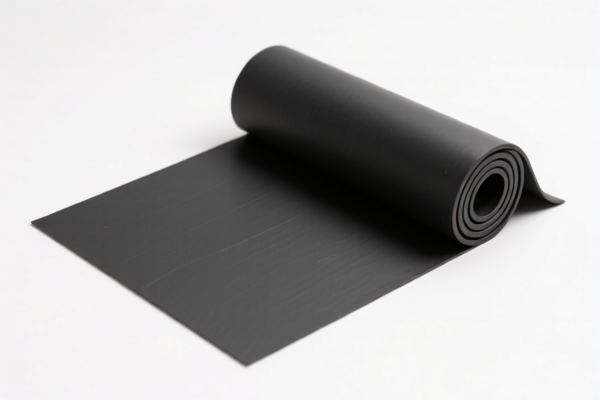

AI Analysis
🏭 Refractory Repair Material – Rapid Setting (Fast-Setting)
🌐 HS Code Reference & Customs Clearance Guide | 2026 Latest Tariff Analysis | Professional Clearance Strategy
📌 I. Product Definition: What is "Rapid-Setting Refractory Repair Material"?
Refractory repair materials are specialized high-temperature resistant substances used to maintain and repair industrial kilns, furnaces, and reactors. "Rapid-setting" (or fast-setting) variants are designed to cure or harden quickly, allowing for faster turnaround times during maintenance.
In international trade, these products are generally classified based on their chemical composition and physical form. They can fall into two broad categories: 1. Unmanufactured Mineral Products: Raw or minimally processed minerals (e.g., crushed magnesite, dolomite, bauxite) intended as raw materials. 2. Manufactured Non-Metallic Mineral Products: Chemically bonded, shaped, or processed goods (e.g., refractory bricks, castables, mortars, prefabricated pieces).
⚠️ Key Distinction:
- If the product is simply crushed/grinded minerals without chemical binding or specific shaping for end-use → It is likely a Mineral Product (Chapter 25).
- If the product is chemically bonded, pre-mixed, or shaped for direct application (e.g., castable refractories, gunning mixes) → It is likely a Non-metallic Mineral Product (Chapter 68).
📦 II. HS Code Classification Details (2026 Latest Tariff Reference)
Based on the provided data, here are the four possible HS Code classifications for "Refractory Repair Material – Rapid Setting," along with explanations for why each might apply.
| HS Code | Summary from Data | Product Description & Logic | Applicable Scenario |
|---|---|---|---|
| 6815.91.00.11 | Material inferred to contain magnesium ore/dolomite etc.; form belongs to chemically bonded products. | Chemically Bonded Refractory Products containing magnesium or dolomite. This code applies if the rapid-setting material is a castable, mortar, or plastic refractory that has been chemically treated or pre-mixed. | ✅ Pre-mixed castables, gunning mixes, or chemically bonded repair mortars containing MgO/Dolomite. |
| 2530.90.80.50 | Belongs to mineral raw materials; complies with the "catch-all" category principle. | Other Mineral Products, Not Elsewhere Specified. This is a "catch-all" code for mineral raw materials that don’t fit specific subheadings. It applies if the material is a basic mineral additive or raw powder without specific chemical bonding or shaping. | ✅ Raw mineral powders, unprocessed refractory aggregates, or generic mineral fillers used as base ingredients. |
| 2530.90.80.15 | Material is inorganic non-metallic mineral, belongs to mineral products under other categories. | Other Mineral Products. Similar to the above, this code captures inorganic non-metallic minerals not specified elsewhere. It may apply if the product is a simple mineral blend without complex chemical treatment. | ✅ Simple mineral blends, unshaped refractory raw materials, or basic inorganic powders. |
| 6815.99.41.10 | Material is mineral substance; form belongs to other non-metallic mineral products. | Other Non-Metallic Mineral Products. This is a "catch-all" for manufactured non-metallic mineral products not specified elsewhere. It applies if the product is a refractory product that doesn’t fit the specific magnesium/dolomite category but is still manufactured/shaped. | ✅ Other shaped or manufactured refractory pieces, bricks, or prefabricated repair components not containing Mg/Dolomite. |
🔍 Critical Insight:
- Chapter 25 (2530.90.80.xx): Covers raw/mineral products. Lower tax burden (10%). Use if the product is unprocessed or minimally processed.
- Chapter 68 (6815.91.00.11 / 6815.99.41.10): Covers manufactured non-metallic mineral products. Higher tax burden (35%). Use if the product is chemically bonded, pre-mixed, or shaped.
- Why the discrepancy? The classification depends on how "refractory repair material" is defined. If it’s a raw mineral, it’s Chapter 25. If it’s a ready-to-use repair mix or shaped piece, it’s Chapter 68.
💰 III. 2026 Latest Tariff Rate Breakdown (Including Additional Taxes & Policy Surcharges)
✅ Applicable Country: United States (US)
✅ Country of Origin: China (CN)
✅ Effective Date: From November 10, 2025 (including subsequent imports)
🎯 1. 6815.91.00.11 – Chemically Bonded Refractory Products (Mg/Dolomite)
| Item | Content |
|---|---|
| Base Tariff | 0% (ad valorem) |
| USITC Additional Tax | +25% (from USITC Footnote 9903.88.01) |
| IEEPA Additional Tax | +10% (针对中国/香港产品, from November 10, 2025) |
| Total Rate | 35% |
| Tax Calculation | CIF Value × 35% |
| De Minimis Eligibility | ❌ No (deny_de_minimis) |
| Legal Basis Path | IEEPA:9903.01.25 → IEEPA:9903.01.24 → USITC:6815.91.00.11 → FOOTNOTE:9903.88.01 |
📌 Explanation:
- This code applies to chemically bonded refractory products containing magnesium or dolomite.
- The 25% USITC tax is due to Section 301 tariffs.
- The 10% IEEPA tax is a special surcharge on Chinese goods.
- Total 35% is a high tariff, requiring careful cost planning.
🎯 2. 2530.90.80.50 – Other Mineral Products (Catch-All for Raw Materials)
| Item | Content |
|---|---|
| Base Tariff | 0% |
| USITC Additional Tax | 0% |
| IEEPA Additional Tax | +10% |
| Total Rate | 10% |
| Tax Calculation | CIF × 10% |
| De Minimis Eligibility | ❌ No (check specific de minimis rules) |
| Legal Basis Path | IEEPA:9901.25 → IEEPA:9903.01.24 → USITC:2530.90.80.50 |
📌 Note:
- This code applies to raw mineral products not specifically listed elsewhere.
- Only 10% total tariff (due to IEEPA 10% only, no USITC 25% surcharge).
- Significant cost advantage compared to Chapter 68 codes.
🎯 3. 2530.90.80.15 – Other Mineral Products (Inorganic Non-Metallic)
| Item | Content |
|---|---|
| Base Tariff | 0% |
| USITC Additional Tax | 0% |
| IEEPA Additional Tax | +10% |
| Total Rate | 10% |
| Tax Calculation | CIF × 10% |
| De Minimis Eligibility | ❌ No |
| Legal Basis Path | IEEPA:9901.25 → IEEPA:9903.01.24 → USITC:2530.90.80.15 |
📌 Note:
- Similar to the previous code, applies to inorganic non-metallic mineral products.
- 10% total tariff.
- Use if the product is a simple mineral blend without complex chemical treatment.
🎯 4. 6815.99.41.10 – Other Non-Metallic Mineral Products (Catch-All for Manufactured Goods)
| Item | Content |
|---|---|
| Base Tariff | 0% |
| USITC Additional Tax | +25% |
| IEEPA Additional Tax | +10% |
| Total Rate | 35% |
| Tax Calculation | CIF × 35% |
| De Minimis Eligibility | ❌ No |
| Legal Basis Path | IEEPA:9903.01.25 → IEEPA:9903.01.24 → USITC:6815.99.41.10 → FOOTNOTE:9903.88.01 |
📌 Note:
- This is a catch-all for manufactured non-metallic mineral products.
- 35% total tariff.
- Use if the product is a manufactured refractory item that doesn’t fit the specific magnesium/dolomite category.
🛠️ IV. Customs Clearance Practical Advice (Battle-Tested Pitfall Avoidance Guide)
✅ 1. Document Checklist (All Are Mandatory)
| Document | Required | Notes |
|---|---|---|
| ✅ Product Specification Sheet | ✔️ | Must include chemical composition, setting time, temperature resistance. |
| ✅ Technical Data Sheet (TDS) | ✔️ | Distinguish between "raw mineral" and "chemically bonded product." |
| ✅ Product Photos (Including Label) | ✔️ | Clear view of model, brand, and application instructions. |
| ✅ Third-Party Test Report | ✔️ | ASTM, ISO, or equivalent standards for refractory properties. |
| ✅ Commercial Invoice | ✔️ | Clearly state "Refractory Repair Material, Rapid-Setting" or "Mineral Raw Material." |
| ✅ Certificate of Origin (CO) | ✔️ | If non-Chinese origin, claim preferential rates. |
| ✅ Packing List | ✔️ | Clarify relationship between main goods and accessories. Avoid split declarations. |
✅ 2. Declaration Tips (Key Mantra)
🔥 "Raw Minerals = 10%, Chemically Bonded = 35%. Define Clearly!"
| Situation | Correct Declaration | Wrong Practice |
|---|---|---|
| Pre-mixed Castable/Gunning Mix | 6815.91.00.11 or 6815.99.41.10 |
Misdeclare as "Raw Mineral" → 35% tax |
| Raw Mineral Powder/Aggregates | 2530.90.80.50 or 2530.90.80.15 |
Misdeclare as "Chemically Bonded" → 35% tax |
| Shaped Refractory Pieces | 6815.99.41.10 |
Misdeclare as "Raw Mineral" → 35% tax |
| Generic Mineral Fillers | 2530.90.80.50 |
Misdeclare as "Chemically Bonded" → 35% tax |
✅ 3. Special Case Handling
| Situation | Handling Advice |
|---|---|
| OEM Custom Refractory Mix | Provide customer order + formula/design to avoid "non-standard" classification. |
| Rapid-Setting with Chemical Binders | Must declare as Chapter 68 (35%) because it’s chemically bonded. |
| Pure Mineral Aggregates | Declare as Chapter 25 (10%) because it’s raw/mineral. |
| Mixed Products (Raw + Chemicals) | Consult customs broker for pre-ruling. May require split declaration or classification as the predominant component. |
🌍 V. Global Market Clearance Comparison (2026 Latest)
| Country/Region | Recommended HS Code | Tariff | Certification Requirements | Notes |
|---|---|---|---|---|
| 🇺🇸 USA | 2530.90.80.50/15 (Raw) |
10% (China Origin) | None | 6815 codes = 35% |
| 🇺🇸 USA | 6815.91.00.11/99.41.10 (Chemical) |
35% (China Origin) | None | Higher cost due to Section 301 + IEEPA |
| 🇨🇳 China | 2530.90.80.50/15 |
5% | None | Lower import duty for raw minerals |
| 🇨🇳 China | 6815.91.00.11/99.41.10 |
5% | None | Lower import duty for manufactured goods |
| 🇪🇺 EU | 2530.90 (Raw) |
0-5% (if compliant) | REACH, RoHS | No additional surcharges |
| 🇪🇺 EU | 6815 (Manufactured) |
0-5% | REACH, RoHS | No additional surcharges |
| 🇦🇺 Australia | 2530.90 |
5% | RCM | No additional surcharges |
| 🇯🇵 Japan | 2530.90 |
0% | PSE | No additional surcharges |
📌 Conclusion:
- USA is the only market with significant additional surcharges (10% IEEPA + 25% USITC for Chapter 68).
- Raw minerals (Chapter 25) have a significant cost advantage in the US (10% vs. 35%).
- Chinese-origin refractory raw materials face lower import duties in China but face US surcharges if exported to the US.
📌 VI. Common Mistakes & Pitfall Avoidance (Lessons Learned)
❌ Mistake 1: Declaring "Pre-mixed Castable Refractory" as "Raw Mineral"
👉 Consequence: Tax evasion detected → Penalty + Back Tax!
❌ Mistake 2: Declaring "Raw Mineral Powder" as "Chemically Bonded Product"
👉 Consequence: Unnecessary 35% tariff → Increased Cost!
❌ Mistake 3: Not providing Technical Data Sheet (TDS)
👉 Consequence: Customs cannot determine if it’s raw or processed → Delay/Return!
❌ Mistake 4: Using vague terms like "Refractory Material" without specifying form
👉 Consequence: Customs applies highest possible rate (35%) → Unnecessary Cost!
✅ Correct Approach:
"Rapid-Setting Castable Refractory, Chemically Bonded, Contains Magnesium Oxide, Model XYZ, ASTM C-836 Certified"
OR
"Raw Magnesium Oxide Powder, Unprocessed, for Refractory Application, Model ABC"
🎯 VII. Conclusion: Professional Declaration, Save Time, Save Money!
🎯 Remember the Mantra:
🔹 "Raw Mineral = 10%, Chemically Bonded = 35%. Declare Accurately!"
🔹 "HS Code Determines Tax, 25% Difference, One Step Wrong, Thousands Lost!"
📌 Pro Tip:
If your refractory materials are originating from Vietnam, Mexico, Thailand, or Malaysia, you may apply for IEEPA Exemption, reducing the rate to 0-5%.
Apply for Advance Ruling before shipment to avoid clearance risks.
📣 Immediate Action:
📞 Contact a Professional Customs Broker + Provide Product Specs + Apply for HS Code Pre-Ruling
🚀 Ensure Your Refractory Materials Clear Customs Smoothly, Efficiently, and Profitably!
✨ Professional Clearance Starts with Accurate Classification!
💼 Every Cent of Your Cost Deserves Precise Calculation!
Customer Reviews
About HS Code Classification
The Harmonized System (HS) is an internationally standardized nomenclature developed by the World Customs Organization (WCO) to classify traded products. Over 200 countries use the HS system as the basis for customs tariffs, trade statistics, and import/export regulations.
Each HS code follows a hierarchical structure:
- Chapter (2 digits) — Broad category of goods (e.g., Chapter 84: Machinery and Mechanical Appliances)
- Heading (4 digits) — More specific grouping within the chapter
- Subheading (6 digits) — Internationally standardized breakdown, used by all WCO member countries
- National subdivisions (8-10 digits) — Country-specific extensions for further classification, such as US HTSUS 10-digit codes
Correct HS code classification is essential for smooth customs clearance, accurate duty payment, and compliance with trade regulations. Misclassification can lead to customs delays, overpayment of duties, or penalties.
When importing from CN to US, the applicable tariff rates may include:
- Most-Favored-Nation (MFN) rate — The standard duty rate applied to WTO members
- General rate — Applied to countries without trade agreements
- Trade remedy duties — Additional tariffs such as Section 301 (anti-dumping), Section 232 (national security), or countervailing duties
The information provided on this page is for reference purposes only. For official classification, please consult with your local customs authority or a licensed customs broker.