refurbished light truck durable tires
CN → US| HS Code | Tariff Rate | Origin | Destination | Doc |
|---|---|---|---|---|
| 4011205010 | 38.4% | CN | US | Official Doc |
| 4012124015 | 39.0% | CN | US | Official Doc |
| 4011201005 | 39.0% | CN | US | Official Doc |
| 4012128019 | 38.4% | CN | US | Official Doc |
| 4011201005 | 39.0% | CN | US | Official Doc |
Product Images
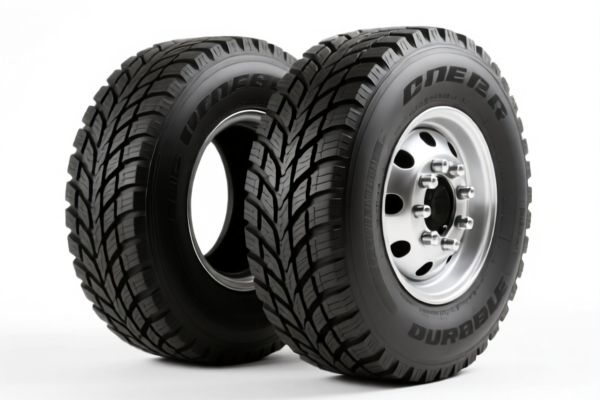
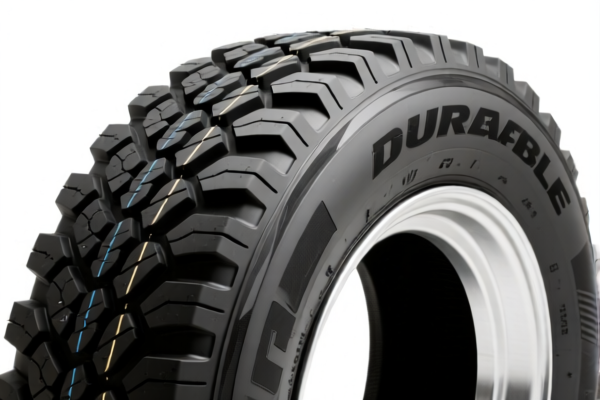
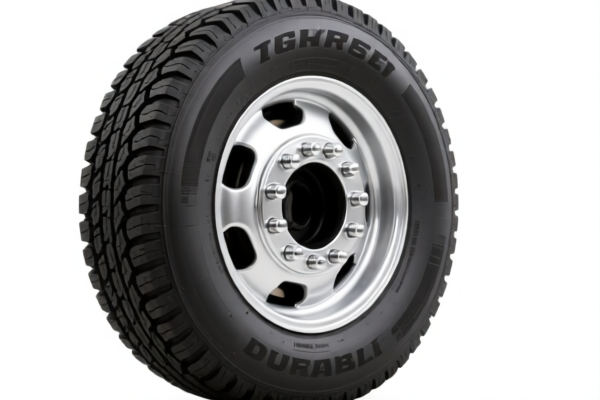
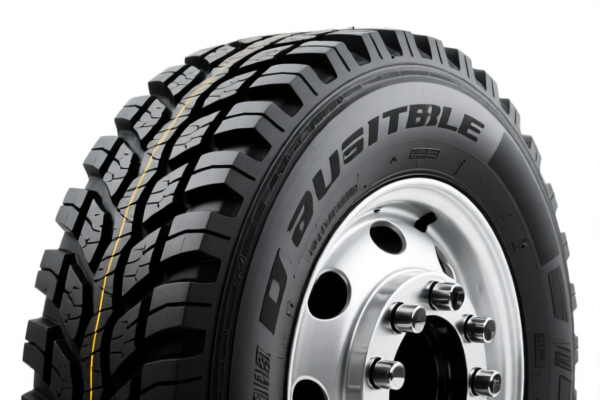
AI Analysis
🚛 Refurbished Light Truck Durable Tires (Recapped Radial Tires)
🌐 HS Code Reference & Customs Clearance Guide | 2026 Latest Tariff Analysis | Professional Clearance Strategy for Light Truck Tires
📌 1. Product Definition & Classification: Do You Really Understand "Recapped Tires"?
Refurbished (Recapped) Light Truck Durable Tires are retreaded tires where the original casing is restored by applying new rubber tread and sidewalls. In international trade, they are strictly categorized based on whether they are classified as new radial tires (under HS 4011) or recapped/renewed tires (under HS 4012). The distinction is critical for tariff calculation because "recapped" status often triggers different regulatory scrutiny and potentially different base rates, although in this specific dataset, both categories face high additional duties.
⚠️ Key Distinction Point:
- If classified as a recapped/renewed tire (HS 4012 series): It implies a used casing was reused.
- If classified as a new radial tire (HS 4011 series): It implies a new manufacturing process, even if described as "refurbished" in some marketing contexts (though technically inaccurate for customs).
- Material: Rubber.
- Application: Light Trucks (LTL/PC categories).
📦 2. HS Code Classification Details (2026 Latest Tariff Authority Cross-Reference)
| HS Code | Product Description | Applicable Scenario | Total Tax Rate | Tax Composition |
|---|---|---|---|---|
4011.20.50.10 |
Recapped Light Truck Durable Tires; Application: Light Truck; Material: Rubber; Form: Tire | General recapped tires for light trucks | 38.4% | Base: 3.4%, Add-on: 25.0%, Section 301: 10% |
4012.12.40.15 |
Recapped Light Truck Durable Tires; Corresponds to Recapped Tire Category; Application: Light Truck; Material: Rubber | Specific recapped tire classification | 39.0% | Base: 4.0%, Add-on: 25.0%, Section 301: 10% |
4011.20.10.05 |
Recapped Light Truck Durable Tires; Application: Light Truck; Form: Radial Tire; Material: Rubber | New Radial Tires for Light Trucks (often mislabeled as refurbished) | 39.0% | Base: 4.0%, Add-on: 25.0%, Section 301: 10% |
4012.12.80.19 |
Light Truck Tires; Application: Light Truck; Material: Inferred as Rubber; Fits Classification Definition | General Recapped Tires (Other) | 38.4% | Base: 3.4%, Add-on: 25.0%, Section 301: 10% |
4011.20.10.05 |
Light Truck Tires; Application: Light Truck; Material: Inferred as Rubber; Meets Code Requirements | New Radial Tires for Light Trucks | 39.0% | Base: 4.0%, Add-on: 25.0%, Section 301: 10% |
🔍 Key Reminder:
- HS 4011 vs HS 4012:
-4011.20.xxxxcovers New Pneumatic Tyres of rubber. Even if the user input says "Refurbished," if the customs broker declares them as "New Radial Tires" (perhaps due to lack of proof of recapping or specific trade strategies), they fall here.
-4012.12.xxxxcovers Recapped or Renewed Pneumatic Tyres of rubber. This is the technically correct category for "Refurbished" tires.
- Tax Structure: All entries in this dataset include a 25% additional duty and a 10% Section 301 duty, totaling 34-39%. There is no de minimis exemption.
💰 3. 2026 Latest Tariff Rate Details (Including Surtaxes & Policy Add-ons)
✅ Applicable Country: United States (US)
✅ Origin: China (CN) (Inferred from Section 301 and 122条款 context)
✅ Effective Time: Ongoing (Current Trade War Status)
🎯 1. 4011.20.50.10 & 4012.12.80.19 — Light Truck Tires (Mixed Categories)
| Item | Content |
|---|---|
| Base Rate | 3.4% (Ad Valorem) |
| USITC Add-on Duty | +25% (Section 301) |
| Section 301/IEEPA Surcharge | +10% |
| Total Effective Rate | 38.4% |
| Tax Calculation | CIF Value × 38.4% |
| De Minimis Exemption? | ❌ No (High risk of seizure if under $800) |
| Legal Basis Path | HTSUS:4011.20 / HTSUS:4012.12 → USITC:301 List 3 → Section 301: 25% → Additional: 10% |
📌 Explanation:
- These codes often apply to tires that are either new radial tires or specific recapped tires with lower base rates.
- The 25% Section 301 duty is applied to all Chinese-origin tires in these categories.
- The 10% additional duty refers to specific trade enforcement measures (often linked to Section 232 or specific administrative directives like "122 provisions").
- Total Cost Impact: High. A $10,000 shipment will incur $3,840 in duties alone.
🎯 2. 4012.12.40.15 & 4011.20.10.05 — Premium Recapped/New Radial Categories
| Item | Content |
|---|---|
| Base Rate | 4.0% (Ad Valorem) |
| USITC Add-on Duty | +25% (Section 301) |
| Section 301/IEEPA Surcharge | +10% |
| Total Effective Rate | 39.0% |
| Tax Calculation | CIF Value × 39.0% |
| De Minimis Exemption? | ❌ No |
| Legal Basis Path | HTSUS:4012.12 / HTSUS:4011.20 → USITC:301 List 3 → Section 301: 25% → Additional: 10% |
📌 Note:
-4012.12.40.15is explicitly for Recapped Tires.
-4011.20.10.05is for Radial Tires (typically new).
- Despite the "Refurbished" label in the prompt, if customs accepts them as "New Radial" (unlikely for recaps) or if the specific recapped code has a higher base rate (4.0%), the total tax is 39.0%.
- Crucial: Ensure the "Recapped" nature is accurately declared. Misdeclaring a recapped tire as a new tire (4011) can lead to fraud allegations if physical inspection reveals retreading marks.
🛠️ 4. Customs Clearance Practical Advice (实战避坑指南)
✅ 1. Required Documentation Checklist (Non-negotiable)
| Document | Mandatory? | Notes |
|---|---|---|
| ✅ Product Specification Sheet | ✔️ | Must state: "Recapped/Retreaded," Casing Origin, Tread Brand, Size (e.g., 295/75R22.5) |
| ✅ Commercial Invoice | ✔️ | Must explicitly state "Recapped Tire" or "Retreaded Tire", not just "Tire" |
| ✅ Proof of Recapping Process | ✔️ | Invoice from the recapping plant, showing the original casing and new tread |
| ✅ Certificate of Origin (CO) | ✔️ | If originating from China, must declare CN. Preferential rates do NOT apply due to Section 301 |
| ✅ Photos of Tires | ✔️ | Must show tread pattern, sidewall markings (including "RECAPPED" or "RETREAD") |
| ✅ Packing List | ✔️ | Detail units, weight, and dimensions |
✅ 2. Declaration Strategy (Key Mantras)
🔥 "Declare Recapped Accurately, Don't Hide the Retread!"
| Scenario | Correct Declaration | Wrong Practice |
|---|---|---|
| Actual Recapped Tire | 4012.12.40.15 or 4012.12.80.19Description: "Recapped Light Truck Tire, Radial, Rubber" |
Declare as New Tire (4011) → High Risk of Seizure & Fraud Penalty |
| New Radial Tire | 4011.20.10.05 or 4011.20.50.10Description: "New Radial Tire for Light Truck" |
Declare as Recapped → Overpayment of Duties? (Unlikely, but incorrect) |
| Mixed Shipment | Split declaration: New tires under 4011, Recapped under 4012 |
Combine under one code → Customs Audit Trigger |
📌 Important:
- Do NOT use "Refurbished" as a generic term if "Recapped" or "Retreaded" is the technical trade term. Use "Recapped" or "Retreaded" on the invoice.
- Section 301 Impact: Both4011and4012tires from China are subject to 25% Section 301 duties. There is no escape from this surcharge for Chinese-origin tires in these categories.
✅ 3. Special Handling Cases
| Situation | Handling Advice |
|---|---|
| Old Casings Shipped Separately | If casings are shipped alone, they may fall under a different HS code (e.g., 4012.11 for used tires). Do not combine with new treads in the same shipment without proper segregation. |
| Non-Chinese Origin Casings | If the casing is from the US/EU but retreaded in China, the Country of Origin for customs purposes is often China (due to substantial transformation). Still subject to Section 301. |
| Sample vs. Commercial | No De Minimis Exemption for tires. Even 1 tire is subject to full duty calculation. |
| DOT Certification | Ensure the tire has DOT markings. Recapped tires must meet US DOT safety standards. Lack of DOT marking = Rejection/Return. |
🌍 5. Global Market Clearance Comparison (2026 Latest)
| Country/Region | Recommended HS Code | Tariff Rate | Certification | Notes |
|---|---|---|---|---|
| 🇺🇸 USA | 4012.12.xxxx (Recapped)4011.20.xxxx (New) |
38.4% - 39.0% | DOT, Section 301, 122 Provisions | Highest Duty Burden. High inspection rate. |
| 🇨🇳 China | 4012.12 / 4011.20 |
~5-10% | CCC (if applicable) | Lower import barriers, but high export duties possible. |
| 🇪🇺 EU | 4012.12 / 4011.20 |
~4.5% | ECE R108/R109 (Recaps), E-mark | No Section 301. Standard MFN rate. |
| 🇲🇽 Mexico | 4012.12 / 4011.20 |
~5-10% | NOM Certification | Under USMCA, may have preferential access if originating. |
📌 Conclusion:
- USA is the most challenging market due to the 25% Section 301 tariff and 10% additional surcharge.
- Total landed duty cost is ~39%, making US-bound Chinese retread tires highly expensive.
- Recommendation: Evaluate if the profit margin can absorb a ~39% duty. Consider sourcing from non-China origins (e.g., Thailand, Vietnam) if possible, though retreaded tire supply chains are complex.
📌 6. Common Errors & Pitfalls Guide (Lessons Learned from Blood & Tears)
❌ Error 1: Declaring Recapped Tires as "New Tires" (4011) to "simplify" paperwork
👉 Consequence: Customs inspection reveals retreaded tread. Seizure, fines, and loss of importer bond.
❌ Error 2: Ignoring the "122 Clause" or "Additional 10%"
👉 Consequence: Underpaying duties by 10%. Back taxes + interest + penalties upon audit.
❌ Error 3: Using vague descriptions like "Rubber Tire Parts"
👉 Consequence: Misclassification. Customs assigns a higher penalty rate or rejects the entry.
❌ Error 4: Failing to label tires as "Recapped"
👉 Consequence: DOT violation. Product cannot be sold in the US market. Must be destroyed or re-exported.
✅ Correct Practice:
"Recapped Light Truck Radial Tire, Size 295/75R22.5, Rubber, Casing Origin: [Country], Tread Brand: [Brand], DOT Certified, HS Code: 4012.12.40.15"
🎯 7. Conclusion: Professional Declaration Saves Money and Prevents Delays
🎯 Remember the Mantra:
🔹 "Recapped is 4012, New is 4011, Both pay 301, Don't lie!"
🔹 "39% Duty is real, Clearance delay costs more, Accuracy is key!"
📌 Tips:
- If your tires are not of Chinese origin, you may avoid the 25% Section 301 duty, reducing the total tax to Base + 10% (e.g., ~14.4% for 4012.12.80.19 if base is 3.4% and origin is non-China).
- Always get an Advance Ruling from US Customs if the classification of the recapping process is ambiguous.
- Ensure DOT compliance is perfect; even with low duties, DOT failure means the goods are useless.
📣 Immediate Action:
📞 Consult a licensed Customs Broker → Provide Invoice + Photos + Casing Details → Apply for Pre-Ruling if high volume.
🚀 Ensure Compliance, Avoid Seizures, Maximize Profit!
✨ Professional Clearance Starts with Accurate Classification!
💼 Your Every Penny Counts in Tariff Planning!
Customer Reviews
About HS Code Classification
The Harmonized System (HS) is an internationally standardized nomenclature developed by the World Customs Organization (WCO) to classify traded products. Over 200 countries use the HS system as the basis for customs tariffs, trade statistics, and import/export regulations.
Each HS code follows a hierarchical structure:
- Chapter (2 digits) — Broad category of goods (e.g., Chapter 84: Machinery and Mechanical Appliances)
- Heading (4 digits) — More specific grouping within the chapter
- Subheading (6 digits) — Internationally standardized breakdown, used by all WCO member countries
- National subdivisions (8-10 digits) — Country-specific extensions for further classification, such as US HTSUS 10-digit codes
Correct HS code classification is essential for smooth customs clearance, accurate duty payment, and compliance with trade regulations. Misclassification can lead to customs delays, overpayment of duties, or penalties.
When importing from CN to US, the applicable tariff rates may include:
- Most-Favored-Nation (MFN) rate — The standard duty rate applied to WTO members
- General rate — Applied to countries without trade agreements
- Trade remedy duties — Additional tariffs such as Section 301 (anti-dumping), Section 232 (national security), or countervailing duties
The information provided on this page is for reference purposes only. For official classification, please consult with your local customs authority or a licensed customs broker.