replacement bag
CN → US| HS Code | Tariff Rate | Origin | Destination | Doc |
|---|---|---|---|---|
| 6305330080 | 25.9% | CN | US | Official Doc |
| 6305390000 | 25.9% | CN | US | Official Doc |
| 3923210095 | 38.0% | CN | US | Official Doc |
| 3923290000 | 38.0% | CN | US | Official Doc |
| 4819300040 | 35.0% | CN | US | Official Doc |
Product Images
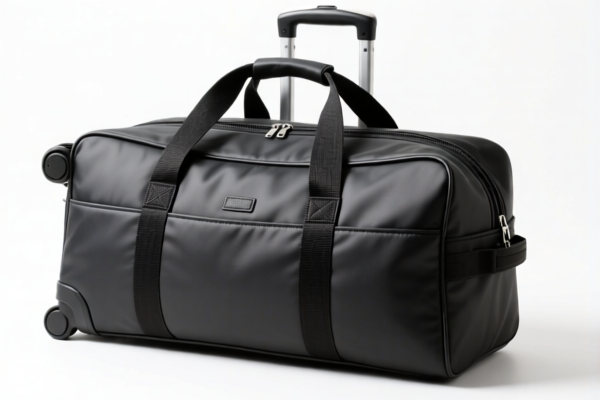
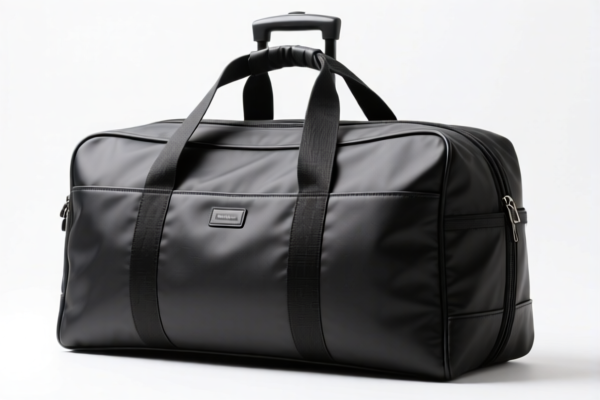
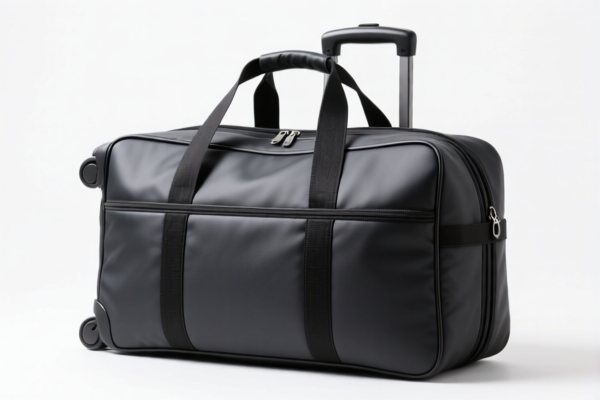
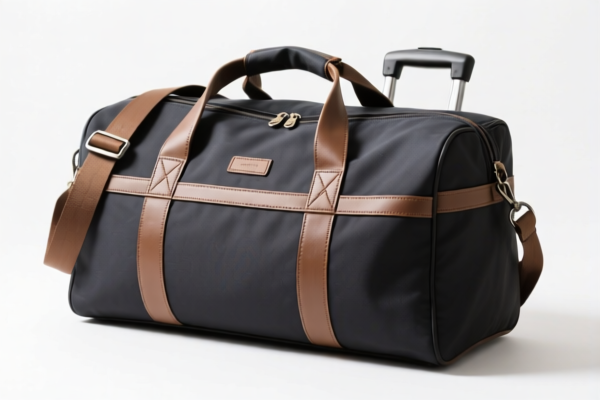
AI Analysis
🛍️ Replacement Bags (Sacks, Pouches & Packaging Containers)
🌐 HS Code Reference & Customs Clearance Guide | 2026 Latest Tariff Analysis | Professional Level Strategy
📌 Part 1: Product Definition & Classification: What Exactly is a "Replacement Bag"?
In international trade, the term "Replacement Bag" is ambiguous. It typically refers to sacks, pouches, or containers used for packaging goods, made from various materials. The critical factor determining its Harmonized System (HS) Code is not the function, but the material composition and physical form.
Misclassification is the #1 cause of delays and penalties for packaging materials.海关 (Customs) looks at: 1. Material: Plastic (Polyethylene/Polypropylene), Textile, Paper, etc. 2. Form: Bags, sacks, pouches, containers. 3. Usage: Packaging for goods.
⚠️ Key Distinction:
- Plastic Bags (Polyethylene/Polypropylene) → Fall under Chapter 39 (Plastics). - Textile Bags (Woven or Non-woven) → Fall under Chapter 63 (Made-up articles of textile materials). - Paper Bags → Fall under Chapter 48 (Paper and paperboard).
📦 Part 2: HS Code Classification Details (2026 Latest Tariff Authority Match)
Based on the provided data, there are four distinct categories for "Replacement Bags." Below is the authoritative breakdown.
| HS Code | Product Description | Material/Form | Total Tax Rate |
|---|---|---|---|
| 6305.33.00.80 | Replacement bags, made of polyethylene or polypropylene, for packaging goods | Polyethylene/Polypropylene (Plastic Film Bags) |
25.9% |
| 6305.39.00.00 | Replacement bags, made of textile or man-made fibers, for packaging | Textile/Man-made Fiber (Woven/Non-woven Bags) |
25.9% |
| 3923.21.00.95 | Replacement bags, made of ethylene polymers, in the form of sacks/pouches | Ethylene Polymers (Plastic Sacks/Pouches) |
38.0% |
| 3923.29.00.00 | Replacement bags, made of plastic, in the form of sacks/pouches | Other Plastic (General Plastic Packaging) |
38.0% |
| 4819.30.00.40 | Replacement bags, likely made of paper, in the form of bags/pouches | Paper/Paperboard | 35.0% |
🔍 Critical Analysis:
- Why two codes for "Plastic"?
-6305.33.00.80often covers plastic bags specifically categorized under textile-like packaging or specific film classifications in some jurisdictions, but note the tax difference.
-3923.21.00.95and3923.29.00.00are standard Plastics Chapter codes for sacks and bags.
- Crucial Difference: The tax rate for6305codes is 25.9%, while3923codes are 38.0%. Misclassifying a plastic bag as6305when it should be3923(or vice versa) can lead to severe penalties or underpayment audits.
- Paper Bags (4819) are taxed at 35.0%, sitting between the two plastic/textile groups.
💰 Part 3: 2026 Latest Tariff Rate Breakdown (Including Surcharge Policies)
✅ Applicable Country: United States (US)
✅ Origin: China (CN) (Implied by "122 Clause" and typical surcharge structures in current data)
✅ Effective Date: Current tariffs apply.
🎯 1. 6305.33.00.80 & 6305.39.00.00 — Textile/PP/PE Packaging Bags
| Item | Detail |
|---|---|
| Base Tariff | 8.4% (Standard MFN/General Rate) |
| Section 301 Surcharge | +7.5% (Trade War Additional Tariff) |
| Section 122 Clause | +10.0% (Specific policy surcharge for certain packaging/textiles) |
| Total Tariff Rate | 25.9% |
| Calculation | CIF Value × 25.9% |
| De Minimis Exemption? | ❌ No (Typically, goods subject to Section 301/122 are excluded from $800 de minimis if valued over threshold or specifically listed) |
| Legal Basis Path | HTSUS:6305.33/39 → Section 301: Footnote 4 → Section 122: Specific Provision |
📌 Explanation:
- The 8.4% is the base duty for made-up textile/plastic packaging articles.
- The 7.5% is part of the ongoing Section 301 tariffs on Chinese goods.
- The 10% "122 Clause" is a specific punitive tariff applied to certain categories, significantly increasing the cost.
- Total: 25.9% is a high but manageable rate for bulk packaging if optimized.
🎯 2. 3923.21.00.95 & 3923.29.00.00 — Plastic Sacks & Bags
| Item | Detail |
|---|---|
| Base Tariff | 3.0% (Standard rate for plastic sacks/bags) |
| Section 301 Surcharge | +25.0% (Higher Section 301 bracket for plastics) |
| Section 122 Clause | +10.0% |
| Total Tariff Rate | 38.0% |
| Calculation | CIF Value × 38.0% |
| De Minimis Exemption? | ❌ No |
| Legal Basis Path | HTSUS:3923.21/29 → Section 301: Footnote 9903.88.01 → Section 122 |
📌 Explanation:
- Plastics often face higher Section 301 rates (25%) compared to other goods.
- Even though the base duty is low (3%), the 38% total is substantial.
- Warning: This is a 33% higher tax burden than the6305category. Correct material declaration is vital.
🎯 3. 4819.30.00.40 — Paper Bags
| Item | Detail |
|---|---|
| Base Tariff | 0.0% (Many paper packaging items have 0% base duty) |
| Section 301 Surcharge | +25.0% |
| Section 122 Clause | +10.0% |
| Total Tariff Rate | 35.0% |
| Calculation | CIF Value × 35.0% |
| De Minimis Exemption? | ❌ No |
| Legal Basis Path | HTSUS:4819.30 → Section 301 → Section 122 |
📌 Explanation:
- While base duty is 0%, the 25% Section 301 surcharge drives the total to 35%.
- Paper bags are not exempt from US-China trade tensions.
🛠️ Part 4: Customs Clearance Practical Advice (Pitfall Avoidance Guide)
✅ 1. Preparation Checklist (Non-negotiable)
| Document | Required | Explanation |
|---|---|---|
| ✅ Product Specification Sheet | ✔️ | Must explicitly state Material Composition (e.g., "100% High-Density Polyethylene (HDPE)") |
| ✅ Technical Data Sheet | ✔️ | Thickness, dimensions, weight, and closure type (zipper, drawstring, heat seal) |
| ✅ Commercial Invoice | ✔️ | Must NOT just say "Replacement Bag." Use precise description: "HDPE Plastic Sacks for Grain Packaging" |
| ✅ Material Certificate | ✔️ | Proves the material is indeed Polyethylene, Textile, or Paper. Critical for HS Code determination. |
| ✅ Packing List | ✔️ | Shows quantity per box/crates. |
✅ 2. Declaration Tips (Key Mnemonic)
🔥 "Material First, Form Second, Tax Will Tell You!"
| Scenario | Correct HS Code | Risk of Error |
|---|---|---|
| Plastic Bag (HDPE/LDPE) | Check 3923 or 6305 |
High Risk: If you declare 3923 but customs tests and finds it's actually a woven textile bag, you face misdeclaration penalties. If you declare 6305 for a rigid plastic sack, it may be rejected. |
| Woven PP Bag | 6305.39.00.00 |
Ensure it is made-up (sewn). Unwoven fabric rolls are different. |
| Paper Bag | 4819.30.00.40 |
Must be made of paper/paperboard. Coated bags are still paper. |
| Mixed Materials | Primary Material Rule | If a bag has a plastic window and paper body, determine the essential character. Usually, the primary packaging material dictates the code. |
✅ 3. Special Circumstances Handling
| Situation | Handling Advice |
|---|---|
| Bag with Printing | Printing does not change the HS Code. Declare "Printed HDPE Bag." |
| Bag with Zipper/Closure | If the zipper is plastic, it remains a plastic bag. Do not split declaration. |
| Custom Size/Shape | Standard "Replacement Bag" descriptions are best. Avoid vague terms like "Bag" without material. |
| Sample vs. Bulk | Samples still face tariffs if over $800 total value in a shipment, or if not explicitly marked as "Non-Commercial Sample" and even then, Section 301 may apply. |
🌍 Part 5: Global Market Comparison (2026 Update)
| Country/Region | Recommended HS Code | Est. Tariff (China Origin) | Certification Requirements | Notes |
|---|---|---|---|---|
| 🇺🇸 USA | 6305.33 / 3923.21 |
25.9% - 38.0% | None specific, but must comply with labeling | High tariffs due to Sec 301 & 122. |
| 🇨🇳 China | 6305.33 / 3923.21 |
Varies (Low 0-5%) | None | Import duties are low; focus is on quality control. |
| 🇪🇺 EU | 6305.33 / 3923.21 |
0% - 6% | REACH (Chemical compliance) | No Section 301. Low base duties. |
| 🇬🇧 UK | 6305.33 / 3923.21 |
0% - 6% | UKCA Mark (if applicable) | Post-Brexit, tariffs aligned with EU. |
| 🇨🇦 Canada | 6305.33 / 3923.21 |
0% - 6% | Health Canada (if food contact) | No Section 301. |
📌 Conclusion:
- The USA is the most expensive market for these goods due to Section 301 (7.5%-25%) and Section 122 (10%) surcharges.
- Total Tax Range: 25.9% to 38.0%.
- Strategy: If possible, consider third-country assembly (e.g., Vietnam, Mexico) to avoid Chinese origin tariffs, but be aware of Rules of Origin scrutiny.
📌 Part 6: Common Errors & Pitfall Guide (Lessons Learned)
❌ Error 1: Declaring "Plastic Bags" generically as 3923.21 when they are actually Woven Polypropylene (6305).
👉 Consequence: Underpayment of tax (25.9% vs 38%) → Audit, Back Taxes, Penalties.
❌ Error 2: Declaring "Paper Bags" as 3923 because they have a plastic lining.
👉 Consequence: Customs may reclassify based on "Essential Character." If paper is primary, tax is 35%. If plastic lining makes it plastic, 38%. Inconsistency leads to delays.
❌ Error 3: Ignoring Section 122 Clause.
👉 Consequence: Many importers forget the extra 10%. Result: Underpayment by 10% on every shipment.
❌ Error 4: Using vague descriptions like "Accessories" or "Other".
👉 Consequence: Customs officer will guess the HS Code, often choosing the highest duty rate or rejecting the entry.
✅ Correct Approach:
"HDPE Plastic Sacks, 50kg capacity, heat-sealed, for agricultural grain packaging. Material: 100% High-Density Polyethylene."
🎯 Part 7: Conclusion: Professional Declaration, Cost Savings, Risk Reduction
🎯 Remember the Mnemonic:
🔹 "Material Dictates Code: Plastic 38%, Textile/PE Film 26%, Paper 35%."
🔹 "Don't Forget Section 122: That extra 10% kills your margin!"
🔹 "Declare 'Replacement Bag' is NOT enough. Must specify Material."
📌 Pro Tip:
- If your bags are for food contact, ensure you have FDA Compliance documentation ready, even though it doesn't change the HS Code.
- For high-volume imports, consider applying for an Advance Ruling (CBP Ruling) to lock in the HS Code and avoid disputes.
- Cost Saving: If switching from 3923 (38%) to 6305 (25.9%) is possible by changing the weave/material structure, consult a textile expert. Savings: 12.1% on CIF value.
📣 Immediate Action:
📞 Verify Material Composition → 📝 Select Correct HS Code → 📄 Prepare Detailed Description
🚀 Clear Customs Smoothly, Maximize Profit Margins!
✨ Professional Clearance Starts with Accurate Classification!
💼 Every Percent Counts in International Trade!
Customer Reviews
About HS Code Classification
The Harmonized System (HS) is an internationally standardized nomenclature developed by the World Customs Organization (WCO) to classify traded products. Over 200 countries use the HS system as the basis for customs tariffs, trade statistics, and import/export regulations.
Each HS code follows a hierarchical structure:
- Chapter (2 digits) — Broad category of goods (e.g., Chapter 84: Machinery and Mechanical Appliances)
- Heading (4 digits) — More specific grouping within the chapter
- Subheading (6 digits) — Internationally standardized breakdown, used by all WCO member countries
- National subdivisions (8-10 digits) — Country-specific extensions for further classification, such as US HTSUS 10-digit codes
Correct HS code classification is essential for smooth customs clearance, accurate duty payment, and compliance with trade regulations. Misclassification can lead to customs delays, overpayment of duties, or penalties.
When importing from CN to US, the applicable tariff rates may include:
- Most-Favored-Nation (MFN) rate — The standard duty rate applied to WTO members
- General rate — Applied to countries without trade agreements
- Trade remedy duties — Additional tariffs such as Section 301 (anti-dumping), Section 232 (national security), or countervailing duties
The information provided on this page is for reference purposes only. For official classification, please consult with your local customs authority or a licensed customs broker.