return oil pipe
CN → US| HS Code | Tariff Rate | Origin | Destination | Doc |
|---|---|---|---|---|
| 7304191020 | 10.0% | CN | US | Official Doc |
| 4009120050 | 20.0% | CN | US | Official Doc |
| 7304191030 | 10.0% | CN | US | Official Doc |
| 7304390020 | 10.0% | CN | US | Official Doc |
| 7307995045 | 89.3% | CN | US | Official Doc |
Product Images
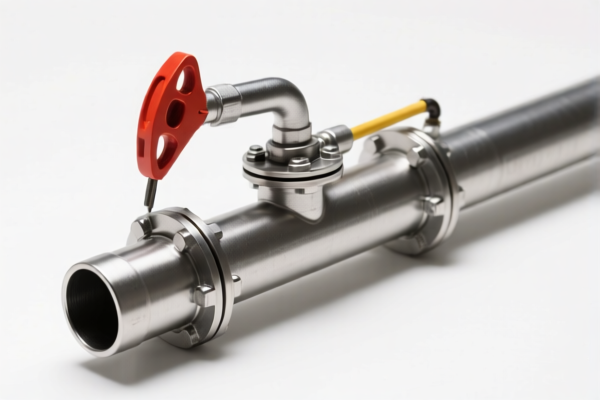
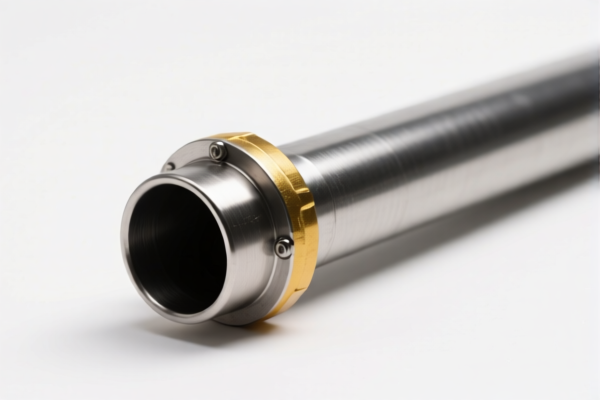
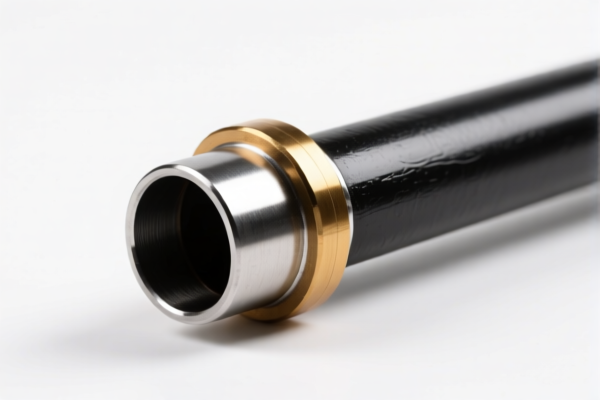
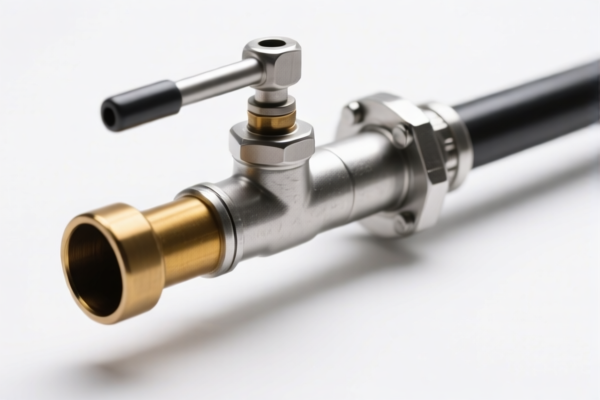
AI Analysis
🛢️ Return Oil Pipe (回油管)
🌐 HS Code Reference & Customs Clearance Guide | 2026 Latest Tariff Analysis | Professional Clearance Strategy
📌 I. Product Definition & Classification: Do You Really Understand the "Return Oil Pipe"?
The Return Oil Pipe is a critical component in fluid power systems (hydraulics, fuel systems, lubrication systems). In international trade, its classification is not based on its function ("returning oil"), but rather on its Material and Form.
There are two primary categories in the HS Code system:
1. Metallic Pipes (Iron/Steel):
Rigid or seamless tubes made of iron or steel. These fall under Chapter 73 (Articles of Iron or Steel). The specific subheading depends on whether it is seamless, welded, and its cross-section shape.
2. Non-Metallic Tubes (Rubber/Plastic):
Flexible or semi-rigid tubes made of vulcanized rubber or plastic. These fall under Chapter 40 (Rubber and articles thereof).
⚠️ Critical Distinction Point:
- If the pipe is Metal (Iron/Steel) → It belongs to HS Chapter 73.
- If the pipe is Rubber/Plastic → It belongs to HS Chapter 40.
- Do NOT classify based on "Oil Pipe" alone; material dictates the chapter.
📦 II. HS Code Classification Details (Based on Provided Data 2026)
| HS Code | Product Description | Material/Form | Applicable Scenario |
|---|---|---|---|
7304.19.10.20 |
Return Oil Pipe | Iron or Steel, Tubular form. Fits the attribute of oil/gas pipeline pipes. | Rigid steel return lines in heavy machinery or oil fields. |
7304.19.10.30 |
Return Oil Pipe | Iron or Non-Alloy Steel, Tube/Rod form. Fits oil/gas pipeline usage logic. | Similar to above, specific steel variant classification. |
7304.39.00.20 |
Return Oil Pipe | Metal (Iron/Steel), Tubular. Fits seamless iron or non-alloy steel circular section pipe features. | Seamless steel hydraulic return tubes. |
7307.99.50.45 |
Return Oil Pipe | Iron/Non-Alloy Steel, Fitting/Pipe Accessory form. Fits logic for "Other Pipe Accessories." | Steel elbows, flanges, or connectors used in return lines. |
4009.12.00.50 |
Return Oil Pipe | Rubber or Plastic, Tube/Flexible Hose form. Belongs to non-metallic tube category. | Flexible hydraulic return hoses, fuel return lines. |
🔍 Key Reminder:
- Steel Pipes (7304...and7307...) are subject to 10% Total Tax (0% Basic + 0% Added + 10% Section 301/122).
- Rubber/Plastic Pipes (4009...) are subject to 20% Total Tax (2.5% Basic + 7.5% Added + 10% Section 122).
- Steel Fittings (7307...) are subject to a STAGGERING 89.3% Total Tax due to additional penalties.
💰 III. 2026 Latest Tariff Rate Breakdown (Detailed Tax Clauses)
✅ Applicable Country: United States (US)
✅ Origin: China (CN)
✅ Effective Time: Current Trade War Policies (Section 301 & Section 232/122 clauses active)
🎯 1. Metallic Pipes (HS Codes: 7304.19.10.20, 7304.19.10.30, 7304.39.00.20)
| Item | Detail |
|---|---|
| HS Code | 7304.19.10.20 / 7304.19.10.30 / 7304.39.00.20 |
| Product | Return Oil Pipe (Steel/Iron, Tubular) |
| Basic Tariff | 0.0% |
| Added Tariff (Section 301/Added) | 0.0% |
| Section 122 Tariff | 10.0% |
| Total Tax Rate | 10.0% |
| Tax Calculation | CIF Value × 10% |
| De Minimis Exemption | ❌ Not Applicable (Generally denied for Section 122/301 goods) |
| Legal Basis | Section 122 Tariff Clause |
📌 Explanation:
- These codes represent steel pipes. The base tariff is 0%, but the Section 122 Tariff of 10% applies.
- Total Cost Impact: You pay 10% of the declared value.
- Note: There is NO 25% Section 301 tariff listed for these specific sub-codes in the provided data, resulting in a lower rate compared to many other steel products.
🎯 2. Flexible/Rubber Pipes (HS Code: 4009.12.00.50)
| Item | Detail |
|---|---|
| HS Code | 4009.12.00.50 |
| Product | Return Oil Pipe (Rubber/Plastic, Hose) |
| Basic Tariff | 2.5% |
| Added Tariff (Section 301/Added) | 7.5% |
| Section 122 Tariff | 10.0% |
| Total Tax Rate | 20.0% |
| Tax Calculation | CIF Value × 20% |
| De Minimis Exemption | ❌ Not Applicable |
| Legal Basis | Section 122 Tariff Clause |
📌 Explanation:
- This code represents non-metallic (rubber/plastic) hoses.
- Base Tariff: 2.5%
- Added Tariff: 7.5% (Likely Section 301 or specific national added tariff)
- Section 122 Tariff: 10.0%
- Total Cost Impact: You pay 20% of the declared value.
- Comparison: More expensive than steel pipes in this dataset due to the combination of basic + added + 122 tariffs.
🎯 3. Steel Fittings/Accessories (HS Code: 7307.99.50.45)
| Item | Detail |
|---|---|
| HS Code | 7307.99.50.45 |
| Product | Return Oil Pipe (Fitting/Accessory, Steel/Iron) |
| Basic Tariff | 4.3% |
| Added Tariff (Section 301/Added) | 25.0% |
| Section 122 Tariff | 10.0% |
| Steel/Aluminum/Copper Penalty | 50.0% (Additional Clause) |
| Total Tax Rate | 89.3% |
| Tax Calculation | CIF Value × 89.3% |
| De Minimis Exemption | ❌ Not Applicable |
| Legal Basis | Multiple Clauses (Section 301, 122, Steel Penalty) |
📌 CRITICAL WARNING:
- This code is for Steel Fittings/Accessories (e.g., elbows, couplings, flanges).
- Base: 4.3%
- Added (Sec 301): 25.0%
- Section 122: 10.0%
- Steel Penalty: 50.0% (Specific penalty for steel products)
- Total: 89.3%
- Implication: This is a PROHIBITIVE TARIFF. Importing steel fittings under this code will nearly double the cost. Avoid this code if possible by correctly classifying as a "Pipe" (7304) rather than a "Fitting" (7307).
🛠️ IV. Customs Clearance Practical Advice (Pitfall Avoidance Guide)
✅ 1. Prepare Documentation Checklist (Mandatory)
| Document | Required | Notes |
|---|---|---|
| ✅ Product Specification Sheet | ✔️ | Must specify: Material (Steel vs. Rubber), Diameter, Wall Thickness, Pressure Rating. |
| ✅ Material Certificate | ✔️ | Proof of Iron/Steel composition (for Chapter 73) or Rubber composition (for Chapter 40). |
| ✅ Product Photos | ✔️ | Clear view of ends, connections, and any labels/markings. |
| ✅ Commercial Invoice | ✔️ | Must clearly state: "Return Oil Pipe - Steel/Rubber" and HS Code. |
| ✅ Packing List | ✔️ | List items separately if mixed (Pipes vs. Fittings) to avoid mixed classification errors. |
✅ 2. Classification Strategy (Key Mnemonics)
🔥 "Material First, Form Second, Avoid Fittings!"
| Scenario | Correct HS Code | Tax Rate | Wrong Code (Consequence) |
|---|---|---|---|
| Straight Steel Pipe | 7304.19.10.20 / 7304.19.10.30 / 7304.39.00.20 |
10% | 7307... (89.3%) → Massive Overpayment |
| Rubber Hose | 4009.12.00.50 |
20% | 7304... (0% Base) → Underpayment Risk/Smuggling |
| Steel Elbow/Fitting | 7307.99.50.45 |
89.3% | None (This is the only correct code, but expect high tax) |
| Mixed Shipment (Pipe + Fitting) | Separate Lines | Mix | Combined into one code → Audit Risk + High Tax on All |
📌 Key Insight:
- Pipes (7304) are taxed at 10%.
- Fittings (7307) are taxed at 89.3%.
- Strategy: If your product is a long, straight tube, ensure it is classified as a Pipe (7304), not a fitting. If it has bends/flanges ready for connection, it may be deemed a fitting (7307). Clarify with your supplier: "Is this a straight tube or a pre-formed fitting?"
✅ 3. Special Cases Handling
| Situation | Handling Advice |
|---|---|
| Composite Pipes (Steel Core + Rubber Cover) | High Risk. Often classified as Rubber (4009) or Steel depending on primary function. Consult a customs broker. If classified as Rubber, tax is 20%. If Steel Fitting, 89.3%. |
| OEM Custom Pipes | Provide design drawings. If standard shape, use 7304. If custom-shaped fitting, expect 7307. |
| Used vs. New | HS Code remains the same, but condition must be declared. Used goods may face additional inspections. |
| Oil-Resistant Rubber | Must confirm material composition. If not oil-resistant, might fall under general rubber hoses, but tax rate likely remains similar (4009). |
🌍 V. Global Market Comparison (2026 Update)
| Country/Region | Recommended HS Code | Tariff (China Origin) | Certification | Notes |
|---|---|---|---|---|
| 🇺🇸 USA | 7304.19.10.20 (Steel) |
10% | None | Avoid 7307 (89.3%) |
| 🇺🇸 USA | 4009.12.00.50 (Rubber) |
20% | None | Higher than steel pipes in this dataset |
| 🇨🇳 China | 7304.19.10.20 |
2.0% - 4.0% | None | Low basic tariff |
| 🇪🇺 EU | 7304.19.00 |
1.7% | REACH/RoHS | No Section 122 equivalent |
| 🇯🇵 Japan | 7304.19.00 |
3.3% | JIS | Stable low rates |
📌 Conclusion:
- The USA is the most complex market due to Section 122 and Steel Penalties.
- Steel Pipes are relatively cheap (10%) compared to Steel Fittings (89.3%).
- Rubber Hoses are moderately taxed (20%).
📌 VI. Common Mistakes & Pitfalls (Lessons Learned)
❌ Mistake 1: Classifying a Straight Steel Pipe as a Fitting (7307)
👉 Result: Pay 89.3% tax instead of 10%. Loss: 79.3% of value!
👉 Fix: Ensure description says "Straight Seamless Pipe" not "Pipe Fitting."
❌ Mistake 2: Classifying Rubber Hoses as Steel Pipes (7304)
👉 Result: Customs detention, fine, and forced reclassification to 4009 (20%).
👉 Fix: Always test material. If flexible, it's Rubber/Plastic.
❌ Mistake 3: Ignoring Section 122 Tariff
👉 Result: Under-declaring tax by 10%.
👉 Fix: Add 10% to all steel and rubber pipe calculations for US imports.
❌ Mistake 4: Mixing Pipes and Fittings in one line item
👉 Result: Customs may assess the entire shipment at the higher rate (89.3%).
👉 Fix: Separate lines on the invoice. Line 1: Steel Pipe (7304). Line 2: Steel Fitting (7307).
✅ Correct Declaration Example:
"STRAIGHT SEAMLESS STEEL RETURN OIL PIPE, MATERIAL: CARBON STEEL, DIAMETER: 20MM, LENGTH: 1M, HS CODE: 7304.19.10.20"
🎯 VII. Conclusion: Precision Classification Saves Money!
🎯 Key Takeaways:
🔹 Steel Pipes (
7304): 10% Tax – BEST OPTION for steel returns.
🔹 Rubber Hoses (4009): 20% Tax – Moderate cost.
🔹 Steel Fittings (7307): 89.3% Tax – AVOID if possible.
🔹 Rule: Call it a "Pipe" if it's straight; call it a "Fitting" only if it connects/changes direction.
📌 Pro Tip:
If you are importing large volumes of steel return lines, ensure your supplier ships them as straight tubes (7304) rather than pre-bent fittings (7307) to save ~79% in tariffs.
📣 Immediate Action:
📞 Verify material with supplier (Steel vs. Rubber).
📄 Check if product is straight (Pipe) or bent/connected (Fitting).
🚀 Apply for Pre-Ruling if volume is high to confirm HS Code.
✨ Smart Customs Clearance Starts with Accurate Classification!
💼 Don't let 89.3% tariffs eat your profit margin!
Customer Reviews
About HS Code Classification
The Harmonized System (HS) is an internationally standardized nomenclature developed by the World Customs Organization (WCO) to classify traded products. Over 200 countries use the HS system as the basis for customs tariffs, trade statistics, and import/export regulations.
Each HS code follows a hierarchical structure:
- Chapter (2 digits) — Broad category of goods (e.g., Chapter 84: Machinery and Mechanical Appliances)
- Heading (4 digits) — More specific grouping within the chapter
- Subheading (6 digits) — Internationally standardized breakdown, used by all WCO member countries
- National subdivisions (8-10 digits) — Country-specific extensions for further classification, such as US HTSUS 10-digit codes
Correct HS code classification is essential for smooth customs clearance, accurate duty payment, and compliance with trade regulations. Misclassification can lead to customs delays, overpayment of duties, or penalties.
When importing from CN to US, the applicable tariff rates may include:
- Most-Favored-Nation (MFN) rate — The standard duty rate applied to WTO members
- General rate — Applied to countries without trade agreements
- Trade remedy duties — Additional tariffs such as Section 301 (anti-dumping), Section 232 (national security), or countervailing duties
The information provided on this page is for reference purposes only. For official classification, please consult with your local customs authority or a licensed customs broker.