reusable straw
CN → US| HS Code | Tariff Rate | Origin | Destination | Doc |
|---|---|---|---|---|
| 7323999030 | 88.4% | CN | US | Official Doc |
| 3924104000 | 13.4% | CN | US | Official Doc |
| 3924905650 | 20.9% | CN | US | Official Doc |
| 7323999080 | 88.4% | CN | US | Official Doc |
Product Images
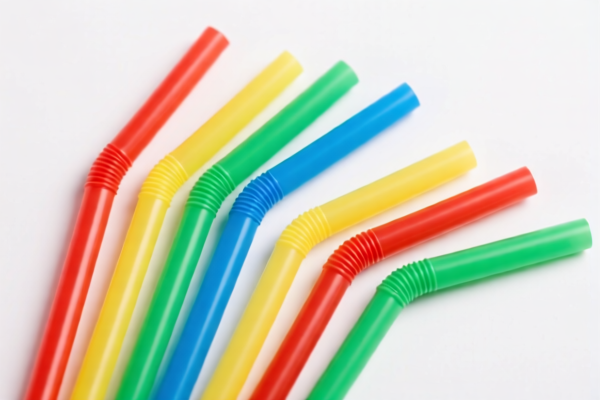
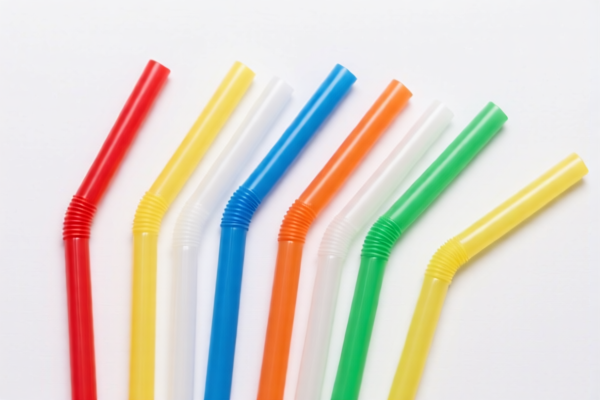

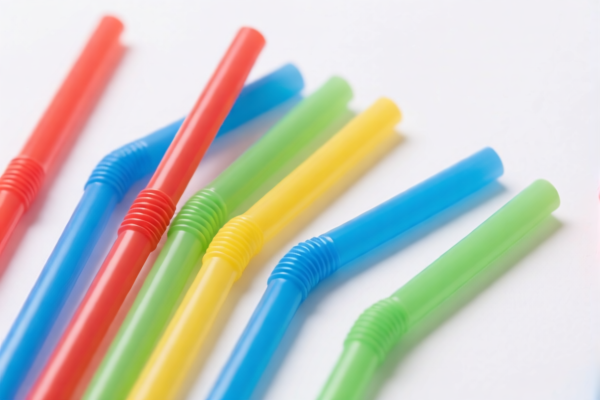
AI Analysis
🥤 Reusable Straws (Reusable Drinking Straws)
🌐 HS Code Reference & Customs Clearance Guide | 2026 Latest Tariff Analysis | Professional Level Clearance Strategy
📌 One, Product Definition & Classification: Do You Really Understand "Reusable Straws"?
Reusable straws are eco-friendly drinking accessories made from materials such as stainless steel, plastic, silicone, or bamboo. In international trade, they are generally classified under cutlery/household articles. However, the material composition is the critical factor determining the HS Code and the resulting tariff burden, especially for imports into the United States where complex additional duties apply.
⚠️ Key Distinction Point:
- If made of Stainless Steel/Metal (excluding specific alloy exemptions): Subject to Section 232 and Section 301 duties → Extremely High Tax (~88.4%).
- If made of Plastic: Subject to Section 301 duties only → Moderate Tax (13.4% - 20.9%).
- Do not mix metal and plastic components in a way that confuses customs; the primary material determines the classification.
📦 Two, HS Code Classification Details (2026 Latest Tariff Authority Comparison)
| HS Code | Product Description | Application Scenario | Primary Material | Total Tax Rate (US) |
|---|---|---|---|---|
7323.99.90.30 |
Reusable straws, stainless steel or plastic (classified as metal tableware) | Stainless steel straws, metal-tipped straws | 🥈 Metal (Stainless Steel) | 88.4% |
3924.10.40.00 |
Reusable straws, plastic (plastic tableware/household items) | Standard rigid plastic straws | 💧 Plastic (Rigid) | 13.4% |
3924.90.56.50 |
Reusable straws, plastic or silicone (tableware/kitchenware) | Silicone straws, soft plastic straws | 💧 Plastic/Silicone | 20.9% |
7323.99.90.80 |
Reusable straws, metal (iron/steel) (kitchen/cutlery items) | Iron/Steel straws, metal straws with coatings | 🥈 Metal (Iron/Steel) | 88.4% |
🔍 Key Reminder:
- Metal Straws (7323.99.90.30&.80) are subject to the Steel/Aluminum Tariff (Section 232, 50%) PLUS Section 301 Tariff (25%) PLUS Base Duty (3.4%) = 88.4%.
- Plastic Straws (3924...) are generally exempt from Section 232 but subject to Section 301 Tariff (10% or 7.5%) PLUS Base Duty (3.4%).
- Misclassification Risk: Declaring a stainless steel straw as "Plastic" to avoid high taxes will trigger severe penalties upon inspection.
💰 Three, 2026 Latest Tariff Rate Details (Including Additional Taxes, Policy Surcharges)
✅ Applicable Country: United States (US)
✅ Origin: China (CN)
✅ Effective Time: Current applicable rates as per 2026 trade policy data provided.
🎯 1. 7323.99.90.30 & 7323.99.90.80 —— Metal/Stainless Steel Reusable Straws
| Item | Content |
|---|---|
| Base Duty | 3.4% (ad valorem) |
| Section 301 Surcharge (Add-on Tariff) | +25.0% (from Section 301 list) |
| Section 232 Surcharge (Steel/Aluminum/Copper) | +50.0% (from Section 232) |
| Total Tax Rate | 88.4% |
| Tax Calculation | CIF Value × 88.4% |
| De Minimis Exemption | ❌ Not Eligible (high tax items usually excluded or require formal entry) |
| Legal Basis Path | Section 232: Steel/Aluminum → Section 301: China → HS 7323 |
📌 Explanation:
- The 50% Section 232 tariff applies specifically to steel and aluminum products imported under certain HS codes.
- The 25% Section 301 tariff is the standard penalty on Chinese goods.
- The 3.4% base duty is the standard MFN rate for other metal tableware.
- Combined, this creates a prohibitive tax barrier. Many importers avoid metal straws from China due to this cost.
🎯 2. 3924.10.40.00 —— Plastic Reusable Straws (Rigid)
| Item | Content |
|---|---|
| Base Duty | 3.4% |
| Section 301 Surcharge | +10.0% (Note: Some plastic categories have 10% or 0% depending on specific list updates, but data shows 10% for this code) |
| Section 232 Surcharge | 0% (Plastic is not steel/Aluminum) |
| Total Tax Rate | 13.4% |
| Tax Calculation | CIF Value × 13.4% |
| De Minimis Exemption | ⚠️ Check Specific Thresholds (Usually formal entry required for commercial shipments) |
| Legal Basis Path | Section 301: 10% → HS 3924 |
📌 Note:
- This is the most cost-effective classification for plastic straws.
- Ensure the product is strictly Plastic (PP, PE, etc.) and does not contain significant metal parts that would reclassify it as metal.
🎯 3. 3924.90.56.50 —— Plastic or Silicone Reusable Straws (Kitchen/Tableware)
| Item | Content |
|---|---|
| Base Duty | 3.4% |
| Section 301 Surcharge | +7.5% (Note: Specific silicone/kitchenware categories may have different 301 rates; data indicates 7.5%) |
| Section 232 Surcharge | 0% |
| Total Tax Rate | 20.9% |
| Tax Calculation | CIF Value × 20.9% |
| De Minimis Exemption | ⚠️ Check Specific Thresholds |
| Legal Basis Path | Section 301: 7.5% → HS 3924 |
📌 Note:
- Silicone straws fall under this category.
- While higher than rigid plastic, it is still significantly cheaper than metal straws.
- Verify if the silicone is "food grade" as this is a standard customs requirement for kitchenware.
🛠️ Four, Customs Clearance Practical Advice (Practical Pitfall Avoidance Guide)
✅ 1. Preparation Checklist (No shortcuts)
| Material | Must Provide | Explanation |
|---|---|---|
| ✅ Product Specification Sheet | ✔️ | Material composition (e.g., "100% Food Grade Silicone" or "304 Stainless Steel"). |
| ✅ Material Test Report | ✔️ | FDA/LFGB certification for food contact materials (crucial for straws). |
| ✅ Product Photos | ✔️ | Clear images showing no metal-plastic hybrids if declared as pure plastic. |
| ✅ Commercial Invoice | ✔️ | Accurate description: "Reusable Silicone Straw" not just "Straw". |
| ✅ Packing List | ✔️ | Weight and dimensions for duty calculation. |
| ✅ Country of Origin Certificate | ✔️ | Required for Section 301 determination. |
✅ 2. Declaration Tips (Key Mantra)
🔥 "Material First, Code Follows; Don't Mix, Save Costs!"
| Scenario | Correct Declaration | Wrong Practice |
|---|---|---|
| Stainless Steel Straws | 7323.99.90.30 or .80 |
Declare as Plastic → Penalty + Back Taxes (~88.4%) |
| Pure Plastic Straws | 3924.10.40.00 |
Declare as Metal → Unnecessary High Tax |
| Silicone Straws | 3924.90.56.50 |
Declare as Plastic Rigid → Misclassification Risk |
| Mixed Material (Metal tip + Plastic body) | Usually classified as Metal (7323) |
Try to split parts → Complex Inspection & Delay |
✅ 3. Special Cases Handling
| Scenario | Handling Advice |
|---|---|
| Bamboo/Wooden Straws | Not listed in provided data. Typically 4421.99 or similar. Check current 301 status for wood products. |
| Glass Straws | Typically 7013.99 (Glass tableware). Base duty ~12.5%. Check 301 status. |
| Paper Straws | Not "Reusable". Typically 4823.90. Lower tax but not reusable. |
| Straw Cleaning Brushes | Often declared separately as 9603.90. Lower tax than the straw itself. |
🌍 Five, Global Main Market Customs Clearance Comparison (2026 Latest)
| Country/Region | Recommended HS Code | Tariff (China Origin) | Certification Required | Remarks |
|---|---|---|---|---|
| 🇺🇸 USA | 7323.99.90.30 (Metal) / 3924... (Plastic) |
88.4% (Metal) / 13.4%-20.9% (Plastic) | FDA + CPC (Children's Product if for kids) | Highest cost for metal straws. |
| 🇨🇳 China | 7323.99.90 / 3924.10 |
5% - 10% | N/A | Low tax, easy clearance. |
| 🇪🇺 EU | 7323.99 / 3924.10 |
4.5% - 6.5% | LFGB / REACH / RoHS | No Section 301 equivalent, but strict food safety rules. |
| 🇬🇧 UK | 7323.99 / 3924.10 |
5.5% - 7.5% | UKCA / Food Standards | Post-Brexit rules apply. |
| 🇦🇺 Australia | 7323.99 / 3924.10 |
5% - 10% | AS/NZS Food Standards | No significant punitive tariffs. |
📌 Conclusion:
- USA is the most challenging market for metal reusable straws from China due to the 88.4% combined tariff.
- Plastic and Silicone straws remain competitive with 13.4%-20.9% tariffs.
- EU/UK/Australia have stable, moderate tariffs and are better markets for metal straws if avoiding US Section 301/232 issues.
📌 Six, Common Mistakes & Pitfall Guide (Blood & Tears Lessons)
❌ Mistake 1: Declaring Stainless Steel Straws as "Plastic Tableware"
👉 Consequence: Customs inspection reveals metal content. Back taxes of 88.4% + fines + storage fees.
❌ Mistake 2: Using "Straw" as the only description
👉 Consequence: Customs cannot determine material. Delay for sample testing.
❌ Mistake 3: Ignoring Food Contact Certification
👉 Consequence: Products seized at US Border for lack of FDA compliance.
❌ Mistake 4: Confusing Section 232 with Section 301
👉 Consequence: Thinking 25% is the max. Reality: 25% + 50% = 75%+ (plus base duty).
✅ Correct Practice:
"Reusable Silicone Drinking Straw, Food Grade, BPA Free, HS Code: 3924.90.56.50, Origin: China"
🎯 Seven, Conclusion: Professional Declaration, Save Time, Reduce Costs!
🎯 Remember the Mantra:
🔹 "Metal is 88%, Plastic is 13%, Silicone is 20%. Know your material!"
🔹 "Don't hide metal as plastic, or you'll pay the price in the US."
🔹 "FDA/LFGB certs are mandatory for food items, don't skip them."
📌 Pro Tip:
If your stainless steel straws are sourced from Vietnam, Thailand, or Malaysia, you may avoid Section 301 (25%) duties, but Section 232 (50%) may still apply depending on the steel origin rules. Always verify the Country of Origin for Steel Melting.
📣 Immediate Action:
📞 Contact professional customs brokers + Provide Material Specs + Apply for FDA Pre-approval if necessary.
🚀 Let your reusable straws pass customs smoothly, efficiently, and profitably!
✨ Professional customs clearance starts with accurate classification!
💼 Every cent of tax is worth calculating precisely!
Customer Reviews
About HS Code Classification
The Harmonized System (HS) is an internationally standardized nomenclature developed by the World Customs Organization (WCO) to classify traded products. Over 200 countries use the HS system as the basis for customs tariffs, trade statistics, and import/export regulations.
Each HS code follows a hierarchical structure:
- Chapter (2 digits) — Broad category of goods (e.g., Chapter 84: Machinery and Mechanical Appliances)
- Heading (4 digits) — More specific grouping within the chapter
- Subheading (6 digits) — Internationally standardized breakdown, used by all WCO member countries
- National subdivisions (8-10 digits) — Country-specific extensions for further classification, such as US HTSUS 10-digit codes
Correct HS code classification is essential for smooth customs clearance, accurate duty payment, and compliance with trade regulations. Misclassification can lead to customs delays, overpayment of duties, or penalties.
When importing from CN to US, the applicable tariff rates may include:
- Most-Favored-Nation (MFN) rate — The standard duty rate applied to WTO members
- General rate — Applied to countries without trade agreements
- Trade remedy duties — Additional tariffs such as Section 301 (anti-dumping), Section 232 (national security), or countervailing duties
The information provided on this page is for reference purposes only. For official classification, please consult with your local customs authority or a licensed customs broker.