riding bag
CN → US| HS Code | Tariff Rate | Origin | Destination | Doc |
|---|---|---|---|---|
| 9506996040 | 21.5% | CN | US | Official Doc |
| 4202923900 | 52.6% | CN | US | Official Doc |
| 4202923120 | 52.6% | CN | US | Official Doc |
Product Images
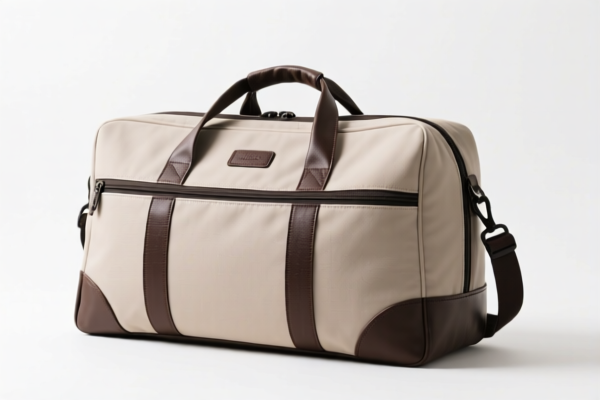


AI Analysis
🎒 Riding Bag (Cycling & Outdoor Sports Backpack)
🌐 HS Code Reference & Customs Clearance Guide | 2026 Updated Tariff Analysis | Pro-Level Import Strategy
📌 One, Product Definition & Classification: What Exactly Is a "Riding Bag"?
A riding bag, commonly known as a cycling backpack or mountain biking pack, is a specialized outdoor sports bag designed for cyclists, hikers, and adventure travelers. It's engineered to carry gear such as helmets, tools, spare tubes, hydration systems, clothing, and electronics during rides or outdoor excursions.
⚠️ Key Classification Insight:
- If the bag is designed for cycling, hiking, or outdoor sports and made of textile or synthetic fiber → It falls under 4202.92.31.20 or 4202.92.39.00
- If it's used for general sports or outdoor recreation, and not specifically for riding → It may fall under 9506.99.60.40 (as a game or sport equipment accessory)
📦 Two, HS Code Classification Details (2026 Official Tariff Breakdown)
| HS Code | Product Description | Target Use Case | Material Type | Key Features |
|---|---|---|---|---|
9506.99.60.40 |
Other articles for outdoor games or sports, not elsewhere specified | General outdoor sport accessories, including hiking/cycling bags | Not specified (often synthetic) | Used in outdoor recreation; not exclusively for riding |
4202.92.39.00 |
Other bags, travel, sports, or similar bags, of textile materials | Sport & travel bags made of nylon, polyester, or other textile fibers | Textile (Nylon/Polyester) | Commonly used for cycling, hiking, gym, and outdoor activities |
4202.92.31.20 |
Other bags, travel, sports, or similar bags, of synthetic fibers | Backpacks for travel, sports, or outdoor use | Synthetic fiber (Polyester/Nylon) | High durability, water-resistant, designed for active use |
🔍 Critical Distinction:
- Textile-based (e.g., nylon/polyester fabric) → 4202.92.39.00
- Synthetic fiber-based (e.g., polyester/nylon) → 4202.92.31.20
- General outdoor sport equipment → 9506.99.60.40✅ Note: Even if the bag is used for riding, material and design determine the correct HS code.
💰 Three, 2026 Latest Tariff Rate Breakdown (With Full Tax Clauses)
✅ Applicable Country: United States (US)
✅ Origin: China (CN)
✅ Effective Date: November 10, 2025 (and ongoing)
🎯 1. 9506.99.60.40 — Outdoor Sports Equipment (General Use)
| Item | Detail |
|---|---|
| Base Tariff | 4.0% (ad valorem) |
| Section 301 (USITC) Additional Duty | +7.5% |
| Section 122 (IEEPA) Additional Duty | +10.0% |
| Total Effective Duty | 21.5% |
| Tax Calculation | CIF Value × 21.5% |
| De Minimis Threshold | ❌ Not applicable (denied under US law) |
| Legal Basis Path | IEEPA:9903.01.25 → USITC:9506.99.60.40 → FOOTNOTE:9903.88.01 |
📌 Explanation:
- Section 301 (7.5%) applies to products from China deemed to have unfair trade practices.
- Section 122 (IEEPA) (10%) is a national emergency economic power-based tariff targeting Chinese imports.
- Total 21.5% — moderate but still significant for high-value shipments.
🎯 2. 4202.92.39.00 — Bags of Textile Materials (Nylon/Polyester)
| Item | Detail |
|---|---|
| Base Tariff | 17.6% |
| Section 301 (USITC) Additional Duty | +25.0% |
| Section 122 (IEEPA) Additional Duty | +10.0% |
| Total Effective Duty | 52.6% |
| Tax Calculation | CIF Value × 52.6% |
| De Minimis Threshold | ❌ Not applicable |
| Legal Basis Path | IEEPA:9903.01.25 → USITC:4202.92.39.00 → FOOTNOTE:9903.88.01 |
📌 Explanation:
- This code applies to textile-based sport bags (e.g., nylon or polyester fabric).
- High base tariff (17.6%) + 25% USITC + 10% IEEPA = 52.6% total — extremely high.
- Even if the bag is used for cycling, material type determines the rate.
🎯 3. 4202.92.31.20 — Bags of Synthetic Fibers (Polyester/Nylon)
| Item | Detail |
|---|---|
| Base Tariff | 17.6% |
| Section 301 (USITC) Additional Duty | +25.0% |
| Section 122 (IEEPA) Additional Duty | +10.0% |
| Total Effective Duty | 52.6% |
| Tax Calculation | CIF Value × 52.6% |
| De Minimis Threshold | ❌ Not applicable |
| Legal Basis Path | IEEPA:9903.01.25 → USITC:4202.92.31.20 → FOOTNOTE:9903.88.01 |
📌 Explanation:
- Applies to synthetic fiber backpacks (e.g., 600D polyester, nylon).
- Same rate as 4202.92.39.00 — because both are subject to same tariff rules under Section 301 and IEEPA.
- Even if the bag is labeled "cycling", if it’s made of synthetic fiber → 52.6% tariff applies.
🛠️ Four, Customs Clearance Best Practices (Pro Tips to Avoid Penalties)
✅ 1. Required Documentation (Must-Have List)
| Document | Required? | Purpose |
|---|---|---|
| ✅ Product Specifications | ✔️ | Detail material, dimensions, use case, weight |
| ✅ Material Certificates | ✔️ | Prove if it's textile or synthetic fiber |
| ✅ Product Photos (with label) | ✔️ | Show stitching, fabric type, brand, logo |
| ✅ Commercial Invoice | ✔️ | Must state “Cycling Backpack, 30L, Polyester, for Outdoor Sports” |
| ✅ Certificate of Origin (CO) | ✔️ | If from China → 52.6% applies; if from Vietnam/Mexico → possible exemption |
| ✅ Packing List | ✔️ | Show contents, weight, and packaging |
| ✅ Third-Party Test Reports | ✔️ | RoHS, REACH, or flammability test (if required) |
✅ 2.申报技巧(Key Rules to Remember)
🔥 "Material Matters, Use Case Follows, Name Precise, Tax Drops!"
| Scenario | Correct HS Code | Wrong Approach |
|---|---|---|
| Bag made of nylon (synthetic) → 4202.92.31.20 | ✅ | ❌ Labeling as "cycling bag" only |
| Bag made of textile fabric (e.g., cotton blend) → 4202.92.39.00 | ✅ | ❌ Misclassifying as 9506.99.60.40 |
| Bag used for hiking/cycling but made of polyester → 4202.92.31.20 | ✅ | ❌ Claiming it’s "general sport equipment" to avoid 52.6% |
| Bag used for outdoor games but made of synthetic fiber → 4202.92.31.20 | ✅ | ❌ Using 9506.99.60.40 → lower base rate but still high |
✅ 3. Special Cases & Workarounds
| Situation | Recommended Action |
|---|---|
| Bag is used for both cycling and travel | Use 4202.92.31.20 or 4202.92.39.00 — material is key |
| Bag has "cycling" branding but is made of cotton | Still 4202.92.39.00 — material rules |
| Bag is 100% polyester but used in outdoor sports | 4202.92.31.20 → 52.6% tariff |
| Origin is Vietnam/Mexico/Thailand | Apply for IEEPA exemption → 0% or 5% |
| Custom-designed bag for OEM client | Provide design drawings + order confirmation to avoid "non-standard" risk |
🌍 Five, Global Market Comparison (2026 Updated)
| Country/Region | Recommended HS Code | Tariff | Certification Required | Notes |
|---|---|---|---|---|
| 🇺🇸 United States | 4202.92.31.20 or 4202.92.39.00 |
52.6% (China origin) | FCC, RoHS, flammability | Highest tariff |
| 🇨🇳 China | 4202.92.31.20 |
5% | CCC | No extra duties |
| 🇪🇺 European Union | 4202.92.31.20 |
0% (if CE compliant) | CE, REACH | No 301/IEEPA tariffs |
| 🇦🇺 Australia | 4202.92.31.20 |
5% | RCM | No extra tariffs |
| 🇯🇵 Japan | 4202.92.31.20 |
0% | PSE | No additional duties |
📌 Conclusion:
- The U.S. is the only market with 52.6% tariff on synthetic fiber sport bags from China.
- Vietnam, Mexico, and Thailand offer tariff exemptions under IEEPA — ideal for supply chain shift.
📌 Six, Common Mistakes & How to Avoid Them (Real-World Risks)
❌ Mistake 1: Labeling a polyester cycling backpack as “general outdoor sport equipment” → 9506.99.60.40
👉 Result: 21.5% tariff → but still higher than expected if material is synthetic.
❌ Mistake 2: Not declaring material type → customs may classify by default as synthetic fiber → 52.6%.
❌ Mistake 3: Splitting shipment into “bag + strap + pouch” → each item taxed at 52.6% → total tax > 150%.
❌ Mistake 4: Using “cycling bag” in invoice without material proof → customs may reject classification → delay or seizure.
✅ Correct Approach:
"Cycling Backpack, 30L, 600D Polyester, Water-Resistant, for Mountain Biking, Brand XYZ, CE & RoHS Certified"
🎯 Seven, Final Verdict: Precision Wins, Cost Matters!
🎯 Remember the Golden Rule:
🔹 "Material Defines Code, Use Case Follows, Name Matters, Tax Can Be Cut!"
🔹 "A nylon bag isn’t just a bag — it’s a 52.6% tariff trap!"
📌 Pro Tip:
If your riding bag is made in Vietnam, Mexico, or Thailand, apply for IEEPA exemption → tariff drops to 0%–5%.
✅ Recommended: Apply for HS Code Advance Ruling (Pre-Ruling) before shipment.
📣 Take Action Now:
📞 Contact a licensed customs broker + Submit product photos + Request HS Code pre-determination
🚀 Avoid delays, penalties, and 52.6% surprise tax — ship smart, clear fast, profit more!
✨ Smart Importing Starts with Smart Classification!
💼 Your next shipment could save thousands — if you get the code right.
Customer Reviews
About HS Code Classification
The Harmonized System (HS) is an internationally standardized nomenclature developed by the World Customs Organization (WCO) to classify traded products. Over 200 countries use the HS system as the basis for customs tariffs, trade statistics, and import/export regulations.
Each HS code follows a hierarchical structure:
- Chapter (2 digits) — Broad category of goods (e.g., Chapter 84: Machinery and Mechanical Appliances)
- Heading (4 digits) — More specific grouping within the chapter
- Subheading (6 digits) — Internationally standardized breakdown, used by all WCO member countries
- National subdivisions (8-10 digits) — Country-specific extensions for further classification, such as US HTSUS 10-digit codes
Correct HS code classification is essential for smooth customs clearance, accurate duty payment, and compliance with trade regulations. Misclassification can lead to customs delays, overpayment of duties, or penalties.
When importing from CN to US, the applicable tariff rates may include:
- Most-Favored-Nation (MFN) rate — The standard duty rate applied to WTO members
- General rate — Applied to countries without trade agreements
- Trade remedy duties — Additional tariffs such as Section 301 (anti-dumping), Section 232 (national security), or countervailing duties
The information provided on this page is for reference purposes only. For official classification, please consult with your local customs authority or a licensed customs broker.